
Global Oil Prices Surge: Brent Crude Projected to Hit $120 Amid Strait of Hormuz Crisis
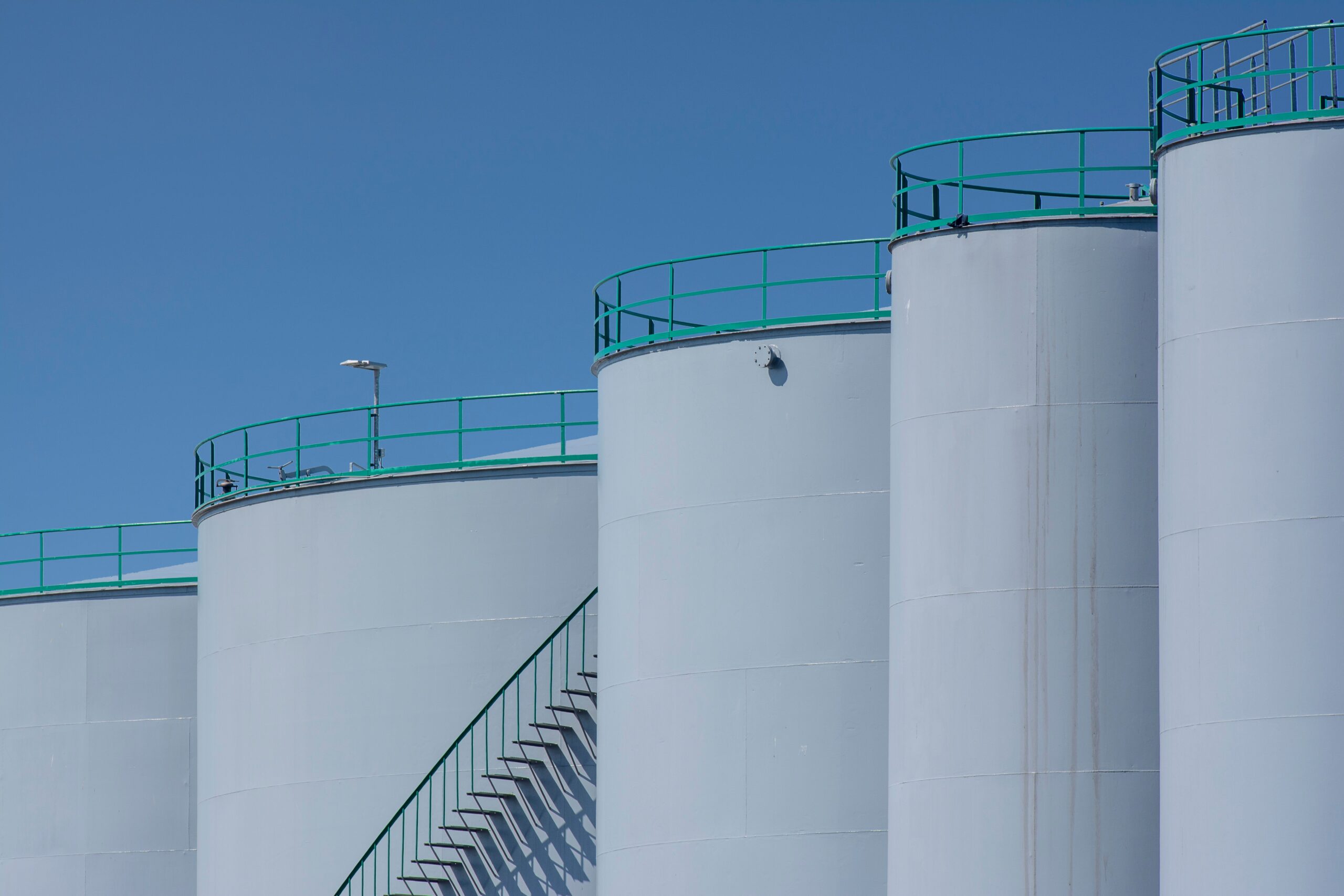
global oil prices surge: Global crude oil prices have surged sharply over the past few days. This sudden rally follows escalating military tensions in the Middle East. Furthermore, severe threats to vital shipping routes have triggered widespread panic among energy traders.
In response to these supply disruptions, major financial institutions are upgrading their market forecasts. Specifically, Goldman Sachs now predicts that Brent crude could soon cross the $120 per barrel threshold.
Strait of Hormuz Threats Trigger Market Panic
The primary driver behind this price spike is the volatile situation surrounding the Strait of Hormuz. Because this narrow waterway handles a significant portion of global oil transit, any conflict threatens total supply disruption. Recent warnings from global leaders have heightened fears of military blockades. Consequently, insurance premiums for commercial oil tankers have skyrocketed overnight.
global oil prices surge: As a result, energy shipments face immediate logistical delays. Therefore, the global supply chain is preparing for prolonged instability.
Goldman Sachs Warns of $120 Brent Crude
Financial experts are closely monitoring these geopolitical developments. According to a new report from Goldman Sachs, the risk of severe supply contraction is exceptionally high. The bank emphasizes that if shipping lanes face physical blockages, a major price shock is inevitable. Therefore, Brent crude could easily surpass $120 per barrel in the coming weeks.
Additionally, current global oil inventories are already running relatively low. This low cushion means that any sudden disruption will immediately push prices upward. Consequently, domestic fuel prices worldwide are expected to rise rapidly.
Impact on the Global Economy and Inflation
The broader economic implications of this surge are deeply concerning. Because oil is a foundational component of global trade, expensive fuel drives up manufacturing costs. Consequently, central banks may struggle to control rising inflation rates.
Moreover, developing nations will likely face severe fiscal pressure due to high import costs. Meanwhile, stock markets are showing increased volatility as investors shift capital toward energy assets. Airlines, shipping firms, and logistics providers are already reporting lower profit margins.
What to Expect Next in the Energy Market
The future of oil prices depends entirely on diplomatic and military outcomes. If international forces secure the Strait of Hormuz successfully, market anxiety may ease. Conversely, any actual military strike on energy infrastructure will push crude oil past record highs.
OPEC+ nations are currently facing intense pressure to increase production limits. However, expanding output quickly remains a major technical challenge. For now, energy consumers worldwide must prepare for an expensive season at the fuel pumps.
Donald Trump Warns Iran: US Will Destroy Bridges and Power Plants Over Strait of Hormuz Threats