
Wall Street Selloff Deepens on Tech Scrutiny as Investors React to Regulatory Concerns
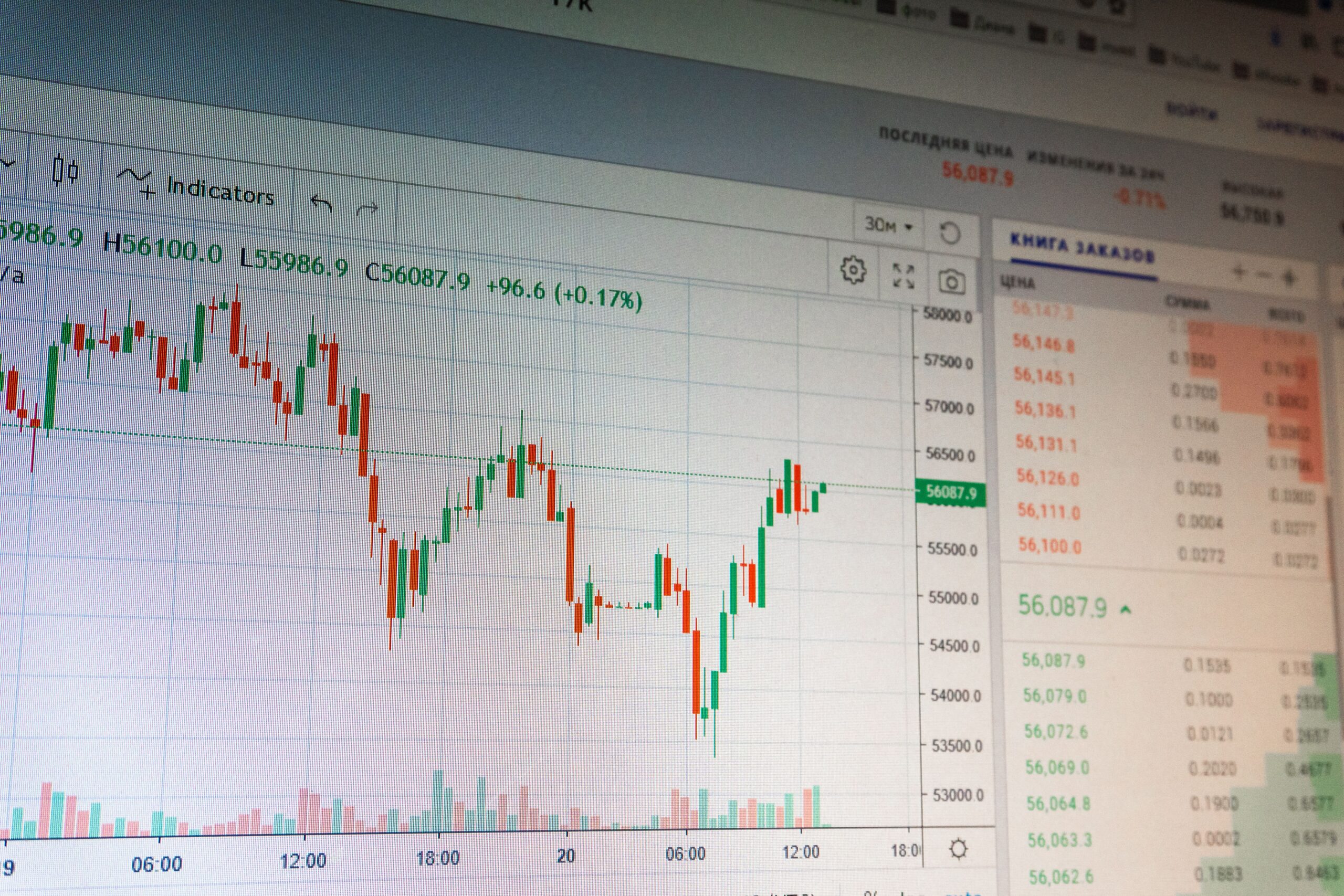
Wall Street witnessed another sharp decline as increased scrutiny of major technology companies triggered fresh concerns among investors. The selloff, led by losses in large technology stocks, added pressure to major U.S. indexes and raised questions about the future direction of the market. Investors reacted cautiously as policymakers and regulators intensified their focus on issues related to competition, data privacy, artificial intelligence, and market dominance.
Technology companies have played a central role in driving stock market gains over the last few years. Therefore, any sign of tighter regulation often creates uncertainty across financial markets. As a result, traders moved toward safer investments while reducing exposure to high-growth technology stocks.
The latest market decline reflects not only concerns about regulation but also broader fears about economic growth, interest rates, and corporate earnings. Consequently, analysts believe investors may remain cautious until there is greater clarity regarding future policies.
Wall Street experienced a dramatic downturn as a relentless selloff in major technology equities sent shockwaves across financial markets. Driven by growing investor anxiety over soaring corporate capital expenditures, high valuations, and macro economic headwinds, benchmark indexes slid sharply into negative territory. The technology-heavy Nasdaq Composite led the declines, while the S&P 500 and the Dow Jones Industrial Average suffered substantial losses as market sentiment turned decidedly risk-averse.
This market pullback marks a noticeable shift in investor sentiment toward the artificial intelligence and megacap technology sectors that drove unprecedented market gains in recent years. While early market rallies were fueled by exuberant expectations surrounding AI integration, Wall Street analysts and institutional investors are now scrutinizing corporate balance sheets with far greater precision. As a result, even robust revenue growth is failing to prevent stock pullbacks when forward guidance or cash flow metrics fall short of heightened expectations.
Why Tech Scrutiny Is Affecting Wall Street
Regulators in the United States and several other countries have increased their focus on large technology companies. Authorities are examining issues such as market competition, digital advertising practices, artificial intelligence, data security, and consumer privacy.
Many policymakers argue that stronger regulations could create fairer competition and improve consumer protection. However, investors worry that stricter rules may increase operating costs and limit future growth opportunities for major technology firms.
Furthermore, investigations and legal actions often create uncertainty because businesses may need to adjust strategies or face financial penalties. As a result, stock prices can become more volatile whenever regulatory risks increase.
Technology companies account for a significant share of major stock indexes. Therefore, even moderate declines in large tech stocks can influence the overall direction of Wall Street.
Major Indexes Record Losses
The recent selloff affected several major U.S. indexes, including those heavily influenced by technology stocks. Investors sold shares across multiple sectors as concerns spread beyond the technology industry.
Market volatility increased as traders reacted to changing expectations regarding regulations and future earnings. Moreover, some investors chose to move funds into safer assets to reduce risk.
Analysts note that market corrections are common after periods of strong growth. Nevertheless, uncertainty surrounding technology regulations has added another layer of pressure on already cautious investors.
Artificial Intelligence Companies Also Face Attention
Artificial intelligence has become one of the fastest-growing areas in the technology sector. Many companies have invested billions of dollars in AI research and development. However, governments are now exploring new rules to address concerns about safety, competition, and ethical use.
Investors remain optimistic about the long-term potential of AI. At the same time, they recognize that future regulations may influence how companies develop and commercialize these technologies.
Consequently, AI-related stocks have experienced increased volatility as markets react to policy discussions and regulatory proposals.
Global Markets Feel the Impact
Wall Street often influences financial markets around the world. Therefore, declines in U.S. technology stocks can affect investor sentiment in Europe, Asia, and other regions.
International investors are closely monitoring developments because many global funds hold significant investments in American technology companies. As a result, uncertainty in the U.S. market can lead to broader market movements worldwide.
In addition, multinational companies depend heavily on digital services and technology infrastructure. Therefore, changes in the technology sector can have far-reaching economic effects.
Investors Shift Toward Safer Assets
During periods of uncertainty, investors often move money into assets considered less risky. Government bonds, gold, and defensive sectors such as utilities and healthcare sometimes attract more attention when stock markets become volatile.
This shift reflects a desire to preserve capital while markets adjust to changing economic conditions. Meanwhile, investors continue analyzing company earnings, policy announcements, and economic data to determine future trends.
Although short-term volatility remains high, many long-term investors continue focusing on companies with strong financial performance and sustainable business models.
Impact on Technology Companies
Large technology firms may face several challenges if regulatory oversight increases. Companies could experience higher compliance costs, additional reporting requirements, or restrictions related to competition and data use.
However, many technology companies possess strong balance sheets, global customer bases, and significant resources. Therefore, analysts believe leading firms may adapt successfully to changing regulations over time.
Some experts also argue that clearer rules could create a more stable business environment in the long run. As a result, future regulations may benefit both companies and consumers if implemented effectively.
Economic Factors Add More Pressure
The selloff has not been driven solely by regulatory concerns. Investors are also considering factors such as inflation, interest rates, and economic growth.
Higher interest rates often reduce the attractiveness of growth stocks because future profits become less valuable when borrowing costs increase. Therefore, technology companies can face additional pressure during periods of tighter monetary policy.
Moreover, investors continue monitoring labor market data, consumer spending, and business activity for signs of economic strength or weakness.
What Analysts Are Saying
Market experts suggest that investors should focus on long-term trends rather than short-term market fluctuations. Although regulatory concerns have increased uncertainty, technology remains an important driver of economic growth and innovation.
Analysts also believe that market corrections can create opportunities for investors who carefully evaluate company fundamentals. However, they caution that volatility may continue until policymakers provide greater clarity regarding future regulations.
Diversification remains an important strategy during uncertain periods because it helps reduce investment risk.
What Could Happen Next?
The future direction of Wall Street will depend on several factors, including regulatory developments, corporate earnings, and economic conditions.
If regulators provide clear guidelines and companies adapt successfully, investor confidence could improve. On the other hand, prolonged uncertainty may continue affecting market sentiment.
Technology companies are expected to remain at the center of policy discussions because of their growing influence on business, communication, and innovation. Therefore, investors will closely monitor every major announcement related to the sector.
Meanwhile, market participants will continue assessing whether current declines represent a temporary correction or the beginning of a longer period of volatility.
Escalating Capital Expenditures Stir Investor Unease
The primary catalyst behind the deepening selloff stems from corporate earnings reports submitted by major technology conglomerates. Over the past several quarters, tech giants have poured hundreds of billions of dollars into AI infrastructure, data center expansions, specialized hardware, and research and development. However, recent quarterly disclosures reveal that this aggressive capital spending is beginning to weigh heavily on free cash flow metrics and profit margins.
For instance, several prominent technology companies reported significant drops in free cash flow despite meeting top-line revenue forecasts. Investors who previously applauded aggressive infrastructure investments are now questioning when these colossal outlays will translate into sustainable, high-margin revenues. Consequently, corporate earnings calls that once excited traders with ambitious AI roadmaps are now triggering sharp selloffs whenever executives signal continued elevated spending without immediate profit monetization.
Furthermore, semiconductor giants and hardware suppliers that benefited directly from the initial hardware buildout are feeling the pressure. As major cloud providers and enterprise buyers re-evaluate their capital allocation strategies, chipmakers face growing concerns regarding potential demand softening in upcoming quarters. This shift in perspective has led to a broad contraction in valuation multiples across the entire hardware ecosystem.
High Valuations Leave Little Room for Error
Another critical factor accelerating the market decline is the historically high valuation environment that preceded this pullback. Following an extended period of meteoric gains, megacap technology stocks traded at price-to-earnings multiples significantly above historical averages. In such a high-valuation climate, stock prices become exceptionally fragile to even minor fundamental flaws or cautious corporate guidance.
When market expectations are priced for absolute perfection, any deviation—whether a slight margin compression, a conservative forward outlook, or delayed product timelines—triggers swift algorithmic and institutional liquidation. Analysts note that institutional fund managers are increasingly taking profits off the table to lock in multi-year gains, further compounding selling pressure across growth-oriented portfolios.
Additionally, the broadening nature of this selloff indicates that risk reduction is no longer limited to isolated companies. Instead, entire tech-heavy ETFs and index funds are experiencing sustained net outflows as investors reallocate capital into more defensive or value-driven asset classes.
Macroeconomic Headwinds and Rising Bond Yields Pressure Equities
Beyond sector-specific scrutinies, broader macroeconomic pressures are exacerbating Wall Street’s vulnerability. Geopolitical friction in key energy-producing regions has driven crude oil prices to elevated levels, renewing fears of persistent global inflation. Higher energy costs act as a tax on both consumers and businesses, threatening to squeeze profit margins across non-energy sectors.
In response to elevated inflation expectations, benchmark treasury yields have pushed higher. Rising interest rates directly diminish the present value of future corporate cash flows, which disproportionately impacts high-growth technology companies whose valuations depend heavily on earnings projected years into the future.
Meanwhile, monetary policy uncertainty continues to weigh on trader sentiment. Hopes for aggressive, near-term interest rate cuts by the Federal Reserve have dampened as central bankers emphasize the need for caution in light of sticky service inflation and volatile commodity prices. As a result, the prospect of prolonged higher borrowing costs is forcing investors to recalibrate their risk models and reduce leverage across financial markets.
Sector Rotation and Defensive positioning
As high-flying technology equities face continued pressure, a distinct sector rotation is underway across equity markets. Capital flowing out of growth and semiconductor shares is seeking shelter in more traditional, cash-generative sectors. Energy companies, industrial firms, defense contractors, and defensive consumer staples have outperformed the broader market, absorbing a portion of the liquidity leaving the tech space.
Nevertheless, because technology and semiconductor companies comprise such a dominant percentage of major capitalization-weighted indexes like the S&P 500 and the Nasdaq, strength in defensive sectors is insufficient to offset losses in megacap tech. Consequently, index-level performance remains firmly negative, dragging down overall market sentiment and pushing volatility indicators to multi-week highs.
Long-Term Market Outlook and Investor Strategy
Looking ahead, market strategists emphasize that the current selloff should be viewed as a necessary valuation reset rather than a structural collapse. The underlying transformative potential of artificial intelligence and advanced technology remains intact; however, the market is transitioning from an era of speculative enthusiasm into a period of fundamental accountability.
In the coming weeks, market stability will depend on several key variables:
- Demonstrable ROI on AI Investments: Investors will demand clear evidence that heavy capital expenditures are yielding scalable revenue streams and expanding operating margins.
- Macroeconomic Stability: Moderating energy prices and stable bond yields will be essential to capping valuation compression in growth sectors.
- Federal Reserve Guidance: Clear communication from central bank officials regarding rate trajectories will help restore confidence in broader credit and equity markets.
Ultimately, the deepening selloff on Wall Street underscores a healthy, albeit painful, recalibration of expectations. While the technology sector navigates heightened scrutiny over spending and profitability, investors are adopting a more disciplined, fundamentals-driven approach. In the long run, this transition toward rigorous balance-sheet accountability could pave the way for a more sustainable and resilient market foundation.