
Crude Oil and Inflation Fears Rise Amid Middle East War as Global Markets Face Fresh Economic Uncertainty
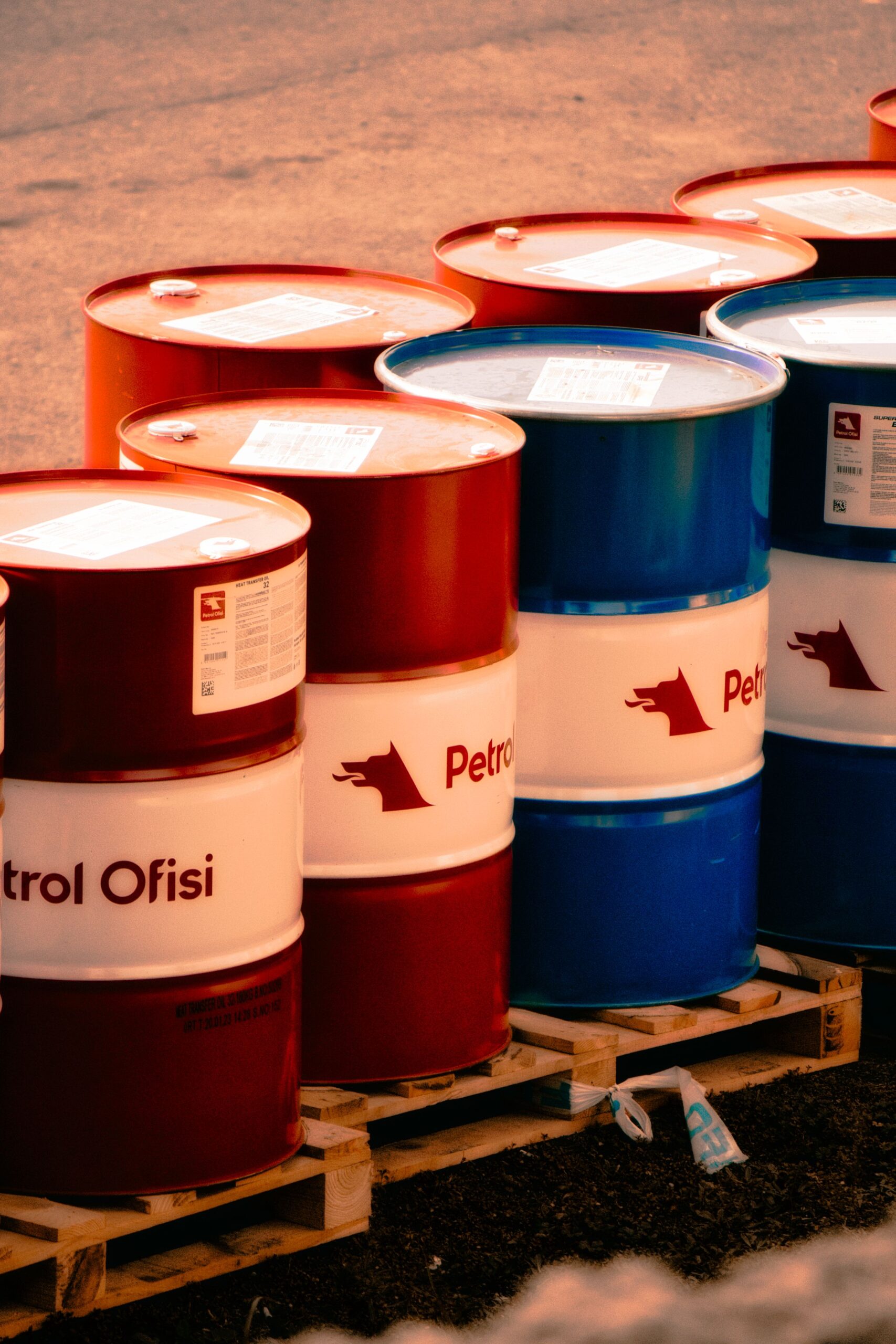
The ongoing conflict in the Middle East has once again pushed global energy markets into uncertainty. As tensions continue to escalate, crude oil prices have started climbing, raising fresh concerns about inflation across major economies. Investors, policymakers, and businesses are closely watching developments because any disruption to oil supplies could have far-reaching economic consequences. Consequently, experts believe that rising energy costs may increase inflationary pressure and slow global economic growth if the conflict continues.
The Middle East remains one of the world’s most important oil-producing regions. Therefore, any military escalation or disruption in shipping routes immediately affects international energy markets. Although global oil supplies remain stable for now, traders have already begun pricing in potential risks. As a result, crude oil prices have moved higher, reflecting fears of future supply shortages.
Why the Middle East Conflict Is Affecting Oil Prices
The Middle East produces a significant share of the world’s crude oil. Countries such as Saudi Arabia, Iraq, the United Arab Emirates, Kuwait, and Iran play a crucial role in maintaining global energy supplies. Moreover, several important shipping routes pass through the region, making stability essential for international trade.
Whenever geopolitical tensions increase, energy markets react quickly. Investors fear that military action could damage oil infrastructure or disrupt transportation routes. Consequently, traders buy oil contracts in anticipation of possible shortages, which pushes prices higher.
In addition, uncertainty itself often drives market volatility. Even without actual supply disruptions, fears alone can increase crude oil prices because companies prepare for potential risks.
Rising Oil Prices Could Increase Inflation
Higher crude oil prices usually lead to higher inflation because oil affects nearly every sector of the economy. Transportation companies spend more on fuel. Manufacturers face higher production costs. Airlines pay more for aviation fuel. As a result, businesses often increase prices to offset rising expenses.
Consumers may also feel the impact through higher prices for gasoline, diesel, electricity, food, and household products. Furthermore, shipping companies could raise freight charges, making imported goods more expensive.
Economists warn that persistent energy inflation may force central banks to keep interest rates higher for longer. Consequently, borrowing costs could remain elevated for businesses and consumers alike.
Global Markets React to Growing Uncertainty
Financial markets have shown mixed reactions as investors assess the risks associated with the Middle East conflict. Energy company shares have generally benefited from higher oil prices, while sectors that depend heavily on fuel have experienced greater pressure.
Meanwhile, stock markets around the world remain volatile. Investors continue shifting funds toward traditionally safer assets whenever geopolitical risks increase. Gold prices often rise during such periods because many investors view precious metals as safe-haven investments.
Currency markets have also responded cautiously. Countries that import large quantities of crude oil may experience additional economic pressure if prices continue rising over an extended period.
Businesses Prepare for Higher Operating Costs
Many businesses are already reviewing their operating budgets in response to increasing energy prices. Transportation companies, logistics firms, airlines, manufacturers, and agricultural producers face some of the biggest challenges because fuel represents a major portion of their operating expenses.
To reduce financial pressure, companies may improve fuel efficiency, renegotiate supplier contracts, or adjust pricing strategies. Some businesses may also delay expansion plans until energy markets become more stable.
Large multinational corporations usually have greater flexibility to manage rising costs. However, small and medium-sized businesses often face greater financial challenges because they have fewer resources to absorb unexpected expenses.
Consumers May Feel the Impact
If crude oil prices continue rising, households could experience higher living costs over the coming months. Fuel prices at gas stations may increase, while transportation expenses could become more expensive. Airlines may introduce higher ticket prices if aviation fuel remains costly.
Food prices could also rise because farmers, transport companies, and food manufacturers rely heavily on fuel throughout the production and distribution process. Consequently, inflation may affect everyday household budgets.
Consumers may reduce discretionary spending if essential expenses continue increasing. As a result, retail businesses and service industries could experience slower demand.
Central Banks Face Difficult Decisions
Central banks carefully monitor inflation because stable prices support sustainable economic growth. If energy-driven inflation remains high, policymakers may decide to delay interest rate cuts or even maintain tighter monetary policies.
Higher interest rates help reduce inflation by slowing spending and borrowing. However, they can also reduce investment and economic growth. Therefore, central banks must carefully balance inflation control with economic stability.
Economists believe future monetary policy decisions will depend partly on energy prices and geopolitical developments in the Middle East.
Oil-Producing Countries Could Benefit
Although higher oil prices create challenges for many economies, major oil-exporting countries may experience increased revenues. Governments that depend heavily on oil exports could benefit from stronger energy earnings if prices remain elevated.
However, long-term instability is not necessarily positive for producers. Prolonged conflicts can reduce investment confidence, disrupt regional trade, and increase security costs. Therefore, many oil-producing nations continue supporting diplomatic efforts aimed at restoring stability.
Global Supply Chains Remain Under Pressure
The conflict has also renewed concerns about global supply chains. Shipping companies continue monitoring key maritime routes that transport crude oil and other essential goods.
If shipping delays increase, businesses could face longer delivery times and higher transportation costs. Consequently, manufacturers may struggle to secure raw materials, leading to production delays in several industries.
Companies learned valuable lessons during previous global supply chain disruptions. Therefore, many organizations now maintain larger inventories and diversify suppliers to reduce future risks.
Governments Monitor Energy Security
Governments across the world continue monitoring energy supplies and strategic oil reserves. Several countries have already strengthened contingency plans in case supply disruptions become more severe.
Some governments may encourage increased domestic energy production, while others could seek alternative import sources. In addition, policymakers are likely to accelerate investments in renewable energy to reduce long-term dependence on imported fossil fuels.
Energy diversification remains one of the key priorities for many nations seeking greater economic resilience.
What Could Happen Next?
The future direction of crude oil prices will largely depend on how the conflict develops. If diplomatic negotiations reduce tensions, energy markets could stabilize and inflation pressures may gradually ease.
However, if military activity expands or shipping routes face disruptions, oil prices could rise further. Businesses, investors, and governments will closely monitor every major development because market sentiment can change rapidly.
Analysts also expect financial markets to remain sensitive to geopolitical headlines. Therefore, investors may continue exercising caution until greater stability returns to the region.
Crude Oil & Inflation Fears Rise Amid Escalating Middle East War
The global economy is facing renewed stability risks as escalating conflict in the Middle East pushes global energy markets into high volatility. Geopolitical friction around vital maritime choke points, combined with military strikes across energy-producing territories, has reignited widespread fears of supply disruptions. Consequently, crude oil benchmarks have experienced sharp upward pressure, triggering concern among central bankers, businesses, and consumers worldwide.
With major supply routes like the Strait of Hormuz and the Red Sea facing operational threats, analysts warn that prolonged disruptions could spark a fresh wave of global inflation, delay interest rate cuts, and slow broader economic recovery.
Escalating Tensions and Energy Market Volatility
Recent military developments in the Middle East have directly impacted physical oil infrastructure and international maritime transit. As security risks grow near the Strait of Hormuz—a narrow passage that handles roughly a third of the world’s seaborne crude trade—energy traders have added a substantial risk premium to benchmark futures. Additionally, recurring attacks on commercial oil tankers in the Red Sea have forced major shipping lines to consider alternate, longer transit routes around the African continent.
As a direct result, benchmark prices for Brent Crude and West Texas Intermediate (WTI) have surged toward multi-month highs. Furthermore, unexpected halts at key processing terminals and regional supply pipelines have squeezed global inventories, leaving energy markets increasingly vulnerable to sudden price spikes.
How Rising Energy Prices Feed Global Inflation
When crude oil prices increase, the economic impact extends far beyond gas stations and petroleum markets. Crude oil serves as a fundamental input for transportation, logistics, industrial manufacturing, and chemical production. As shipping and production costs climb, companies inevitably pass these expenses along to end consumers, driving up broad-based inflation.
The economic transmission mechanism operates primarily across three core areas:
- Transportation and Logistics: Elevated jet fuel and diesel prices directly raise freight costs, making food, raw materials, and manufactured goods more expensive to deliver globally.
- Agricultural Pressures: Crude oil and natural gas prices govern fertilizer manufacturing costs. Higher energy prices drive up fertilizer expenses, threatening agricultural yields and raising retail food prices.
- Secondary Industrial Costs: Manufacturing sectors heavily dependent on energy inputs face immediate margin compression, forcing general price adjustments across consumer goods.
Central Banks Face Dilemma on Interest Rates
The sudden threat of energy-led inflation complicates monetary policy decisions for global institutions like the Federal Reserve, the European Central Bank (ECB), and regional central banks. Prior to this geopolitical crisis, several central banks were preparing to lower benchmark interest rates to support economic growth. However, higher energy prices create significant headline inflation risks, forcing policymakers to adopt a more cautious stance.
If central banks choose to keep interest rates elevated to curb inflation, borrowing costs for businesses and households will remain high. Conversely, cutting rates prematurely amidst rising energy prices could anchor inflation at uncomfortable levels, creating severe stagflationary risks—a situation characterized by stagnant economic growth paired with rising living costs.
Impact on Import-Dependent and Emerging Economies
Developing and import-dependent nations face the most immediate strain from elevated crude prices. Countries that import the vast majority of their petroleum requirements—such as India, Japan, and several European states—must spend significantly more foreign exchange to secure basic energy supplies.
This financial drain impacts emerging economies in several distinct ways:
- Currency Depreciation: Growing energy import bills widen current account deficits, putting downside pressure on national currencies relative to the U.S. dollar.
- Fiscal Burden: Governments that subsidize domestic fuel or electricity face mounting budget deficits, diverting resources away from public infrastructure and social programs.
- Reduced Consumer Purchasing Power: As household budgets absorb higher transport and utility costs, discretionary spending contracts sharply, stifling overall domestic demand.
Global Market Outlook and Strategic Responses
Looking ahead, energy analysts emphasize that the trajectory of crude oil prices will depend entirely on how long key maritime corridors remain vulnerable and whether regional security stabilizes. Major consuming nations may consider coordinated releases from Strategic Petroleum Reserves (SPR) to alleviate short-term physical shortages and dampen market panic.
Nevertheless, structural supply constraints remain a central concern. While alternative production from non-OPEC suppliers can offset minor losses, it cannot fully replace large-scale disruptions along major Gulf shipping lanes. Consequently, global markets are bracing for sustained volatility, with businesses reassessing supply chain resilience and policymakers carefully monitoring energy trends to prevent runaway inflation.