
Trump Imposes New Tariffs on 60+ Countries: Global Trade Tensions Rise as New U.S. Import Duties Take Effect
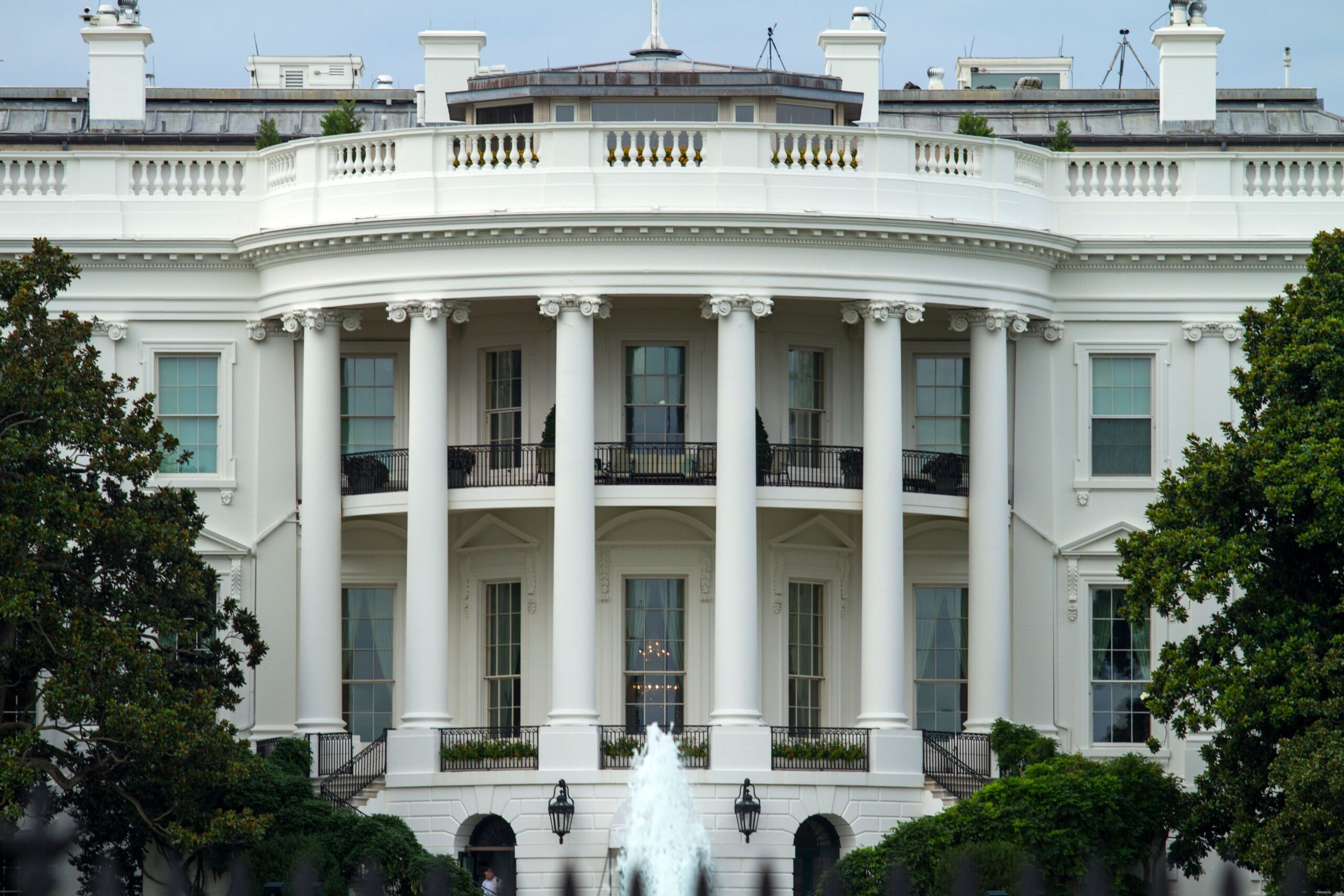
Trump imposes new tariffs on 60 countries: The Trump administration has announced a sweeping new round of tariffs targeting imports from more than 60 countries, marking one of the most significant changes in U.S. trade policy in recent years. The new measures, which impose tariffs ranging from 10% to 12.5%, have been introduced under regulations aimed at addressing concerns related to forced labor in international supply chains. As a result, governments, exporters, and multinational companies are preparing for the economic impact of these new trade restrictions.
The decision has once again placed global trade at the center of international attention. While U.S. officials argue that the tariffs are necessary to protect ethical sourcing standards and domestic industries, several trading partners believe the move could increase tensions and disrupt global commerce. Consequently, economists are closely monitoring how these developments may affect international markets in the coming months.
Why the Trump Administration Introduced the New Tariffs
According to the administration, the latest tariffs are linked to concerns over forced labor practices in global manufacturing and supply chains. Officials have stated that products entering the United States should comply with higher labor standards and ethical sourcing requirements. Therefore, countries that fail to meet these expectations may now face additional import duties.
Furthermore, the administration argues that these measures are intended to create fair competition for American businesses. By increasing the cost of imported products, policymakers believe domestic manufacturers may become more competitive in several industries. At the same time, they hope international suppliers will improve labor conditions to maintain access to the U.S. market.
The decision has once again placed global trade at the center of international attention. While U.S. officials argue that the tariffs are necessary to protect ethical sourcing standards and domestic industries, several trading partners believe the move could increase tensions and disrupt global commerce. Consequently, economists are closely monitoring how these developments may affect international markets in the coming months.
More Than 60 Countries Affected
The newly announced tariffs apply to imports originating from more than 60 countries across multiple regions. Although individual products and sectors may vary, the broad-based tariff structure represents one of the widest trade actions introduced in recent years.
Several manufacturing and export-oriented economies are expected to experience increased pressure because they rely heavily on shipments to the United States. Moreover, businesses that source raw materials and finished goods from these countries may face higher operating costs.
Trade analysts suggest that companies will likely review their supply chains and consider alternative sourcing strategies. Consequently, global manufacturers could begin shifting production toward countries that remain unaffected by the new tariff measures.
Industries That Could Experience the Biggest Impact
Trump imposes new tariffs on 60 countries: The tariffs are expected to influence a wide range of industries. Manufacturing companies may face higher import costs, while retailers could encounter increased prices for consumer goods. In addition, industries dependent on international supply chains may experience logistical challenges as businesses adjust to the changing trade environment.
Some of the sectors likely to feel the strongest impact include:
- Electronics and technology products
- Automotive parts and manufacturing
- Steel and industrial materials
- Consumer goods
- Textile and apparel manufacturing
- Furniture and home products
Because many global companies depend on cross-border production, even small tariff increases can significantly affect pricing strategies and profitability.
Potential Impact on Global Trade
International trade experts believe these tariffs may contribute to slower trade growth if additional restrictions are introduced by other countries. Moreover, trading partners could respond with countermeasures, leading to another period of heightened trade disputes.
Several governments are expected to evaluate diplomatic and legal options before deciding how to respond. Meanwhile, exporters may attempt to diversify their markets rather than relying heavily on U.S. demand.
Furthermore, shipping companies and logistics providers are preparing for possible disruptions as businesses adjust import schedules and inventory management strategies.
Effect on Businesses and Consumers
Businesses importing goods into the United States may experience increased operational expenses due to the higher tariffs. Consequently, some companies could transfer these additional costs to consumers through higher retail prices.
Small and medium-sized businesses may be particularly vulnerable because they often have limited flexibility in managing supply chain costs. Larger corporations, onthe other hand, may have greater resources to relocate manufacturing facilities or negotiate new supplier agreements.
Consumers may notice price increases across several categories if companies decide to pass on the added expenses. However, the overall impact will depend on product availability, market competition, and future policy decisions.
Global Market Reaction
Financial markets often respond quickly to major trade announcements, and investors are expected to monitor developments closely. While some domestic manufacturers could benefit from reduced foreign competition, multinational corporations with international supply chains may face increased uncertainty.
Currency markets, commodity prices, and international stock exchanges could also react as investors evaluate the long-term economic implications. In addition, businesses may delay investment decisions until greater clarity emerges regarding future trade policies.
Supporters Defend the Policy
Supporters of the administration argue that stronger trade enforcement is necessary to protect American industries and encourage ethical business practices worldwide. They believe tariffs can serve as an effective tool to pressure suppliers into improving labor standards while reducing dependence on imports from countries with questionable manufacturing practices.
Additionally, advocates claim the policy could create new opportunities for domestic production, increase investment in American manufacturing, and strengthen long-term economic resilience.
Critics Raise Economic Concerns
Critics, however, warn that broad tariffs could increase costs for businesses and consumers alike. Many economists argue that import duties often raise production expenses because modern supply chains are deeply interconnected.
Furthermore, experts caution that prolonged trade tensions could reduce international investment, slow global economic growth, and encourage retaliatory tariffs from affected countries. Such developments may create uncertainty for businesses planning long-term expansion.
What Happens Next?
Trade talks will likely continue as affected countries decide how to respond to the new U.S. tariffs. Some governments may request exemptions or negotiate revised trade agreements. Others could challenge the tariffs through international trade organizations or legal channels.
At the same time, businesses will review their global supply chains and look for alternative suppliers. Many companies may also expand production in countries that are not affected by the new tariffs. As a result, global trade routes could change over the coming months.
Meanwhile, investors will closely watch every policy announcement from the United States and its trading partners. Financial markets may react quickly if governments introduce new trade measures or reach fresh agreements.
Although uncertainty remains, the latest tariffs could reshape international trade for years. The next few months will show whether countries choose cooperation through negotiations or respond with additional trade restrictions.
Court Rulings and Expiration of Prior Provisions Drive Washington’s Action
Trump imposes new tariffs on 60 countries: To understand this dramatic escalation, one must look at the recent legal and policy developments in Washington. Earlier, the U.S. Supreme Court struck down several broad emergency tariffs previously enacted by the executive branch. In response, the Trump administration leveraged Section 122 of the Trade Act of 1974 to temporarily apply a 10% global import levy for 150 days. As that temporary window drew to a close, the administration seamlessly transitioned to long-term trade enforcement by launching investigations under Section 301.
Consequently, U.S. policymakers used allegations of inadequate forced-labor protections as the primary legal justification for these sweeping restrictions. American officials argue that many trading partners fail to enforce strict prohibitions against goods made with forced labor, which creates an unfair competitive advantage over American manufacturers. However, many foreign governments have forcefully rejected these claims, labeling them as legally questionable and politically motivated.
A Two-Tiered Tariff System: Who Gets Hit and How Much?
Under the newly announced guidelines from the Department of Commerce, the targeted 60-plus countries have been divided into two distinct tiers:
1. The 10% Tariff Tier
Countries that have established partial legal frameworks against forced labor or have actively negotiated bilateral reform commitments with Washington qualify for the lower 10% rate. This group includes 17 nations, such as India, the United Kingdom, Canada, Mexico, Bangladesh, Pakistan, Malaysia, Indonesia, Sri Lanka, and Argentina. Notably, India was initially slated for the higher tier, but recent labor policy adjustments by New Delhi persuaded U.S. officials to keep the rate at 10%.
2. The 12.5% Tariff Tier
Conversely, nations whose enforcement mechanisms were deemed insufficient or ineffective by U.S. authorities face the maximum 12.5% tariff rate. This stricter category encompasses China, Japan, South Korea, Australia, Brazil, Switzerland, Singapore, and member states of the European Union. In China’s case, this new duty will be stacked on top of existing protective levies, making Chinese exports significantly more expensive in the American market.
Global Backlash and Fierce International Criticism
The sudden imposition of these duties has triggered sharp criticism from governments around the world. Although no country has immediately launched retaliatory measures, both long-standing allies and strategic rivals have voiced strong opposition to Washington’s unilateral strategy.
China’s Ministry of Foreign Affairs condemned the move as unfair and protectionist, warning that nobody wins in a trade war. Similarly, Australia’s Trade Minister pointed out that Australian modern slavery legislation is among the toughest globally, making a 12.5% penalty entirely unjustified. Furthermore, officials from New Zealand and Singapore expressed deep frustration, arguing that forced-labor concerns are merely being used as a convenient pretext to raise trade barriers.
In addition, European Union representatives dismissed the claims, emphasizing that labor standards and worker protections across Europe remain far stronger than those in the United States. Japan and South Korea also expressed regret over the decision and formally urged the U.S. administration to reconsider its policy.
Key Exemptions Provided by Washington
Despite the broad reach of the new regulations, the U.S. administration has carved out specific exemptions to protect domestic supply chains and curb inflationary pressures inside the country. The following categories remain exempt from the new tariffs:
- Energy Products: Crude oil, natural gas, and refined petroleum products.
- Agricultural Inputs: Fertilizers and essential basic food commodities.
- Previously Shielded Goods: Specific automotive, steel, aluminum, and copper imports that are already subject to national security tariffs under separate trade actions.
- Qualifying Duty-Free Trade: Goods covered under specific preferential provisions of the United States-Mexico-Canada Agreement (USMCA).
Additionally, shipments that were already in transit and loaded onto cargo vessels prior to July 28 have been granted temporary relief from the new duties.
Long-Term Implications for the Global Economy
Trump imposes new tariffs on 60 countries: Economic analysts warn that this latest enforcement action could reshape international commercial relationships for years to come. First and foremost, American consumers are likely to bear the brunt of higher costs, which could fuel domestic inflation. When import costs rise by 10% to 12.5% across 60 different trade partners, businesses inevitably pass those expenses down to end consumers.
Secondly, global supply chains will face another round of costly restructuring. Multinational corporations that rely heavily on global manufacturing hubs will have to re-evaluate their sourcing strategies. Moreover, many trade experts worry that using forced-labor claims to justify broad tariff increases undermines the spirit of World Trade Organization (WTO) rules and weakens the multilateral trading framework.
Ultimately, this sweeping tariff package signals a strong resurgence of protectionism in global trade. While Washington frames the measure as a necessary step to enforce ethical labor standards, global partners view it as a thinly veiled tactic to restrict trade. Moving forward, the key question will be how effectively global markets adapt to these higher costs and whether affected nations will eventually respond with retaliatory trade actions.
India’s Digital Public Infrastructure Expands to 25 Countries,