
Crude Oil Prices Plunge Nearly 8% as Geopolitical Tensions Ease
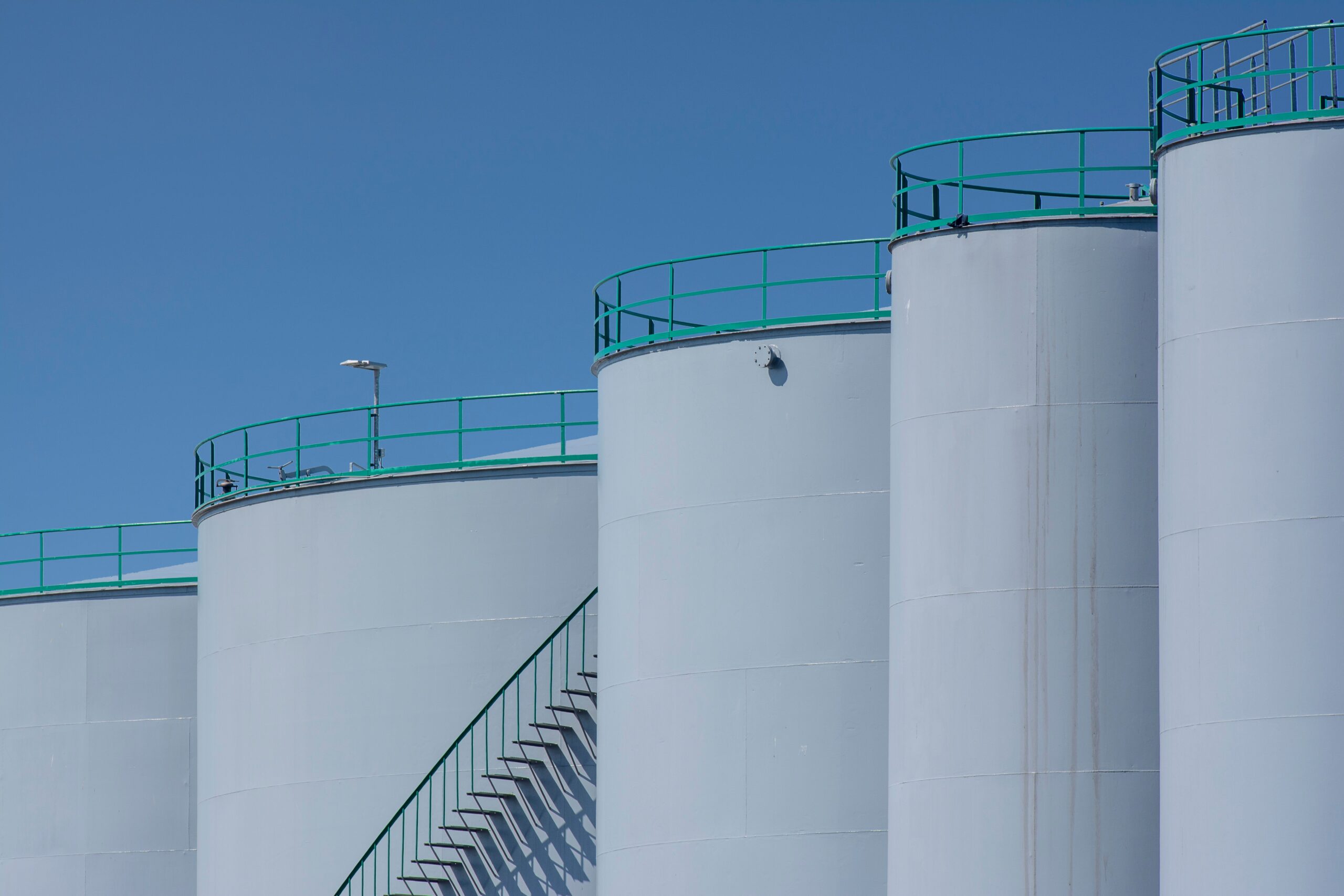
Crude Oil Prices Plunge by nearly 8% after global markets reacted positively to easing geopolitical tensions in the Middle East. Brent crude, the international benchmark for oil prices, fell sharply to around $84 per barrel, marking one of the biggest single-day declines in recent months. The sudden drop came after reports indicated that diplomatic efforts had reduced the immediate risk of further military escalation in the region.
Investors quickly adjusted their expectations for global oil supply. As fears of supply disruptions faded, traders rushed to sell oil contracts, leading to a significant correction in crude prices. Consequently, energy markets experienced heavy volatility while global stock markets welcomed the decline.
Global energy markets experienced a dramatic downturn as international crude oil prices tumbled nearly 8% in a single trading session. The sharp sell-off brought Brent crude—the international benchmark—down toward the $84 per barrel mark, marking one of the steepest single-day declines in recent months.
The steep drop in petroleum prices was triggered by a sudden easing of geopolitical friction in key energy-producing regions, combined with shifting macroeconomic expectations around global energy demand. The sudden retreat in oil prices has sent ripple effects through financial markets, offering immediate relief to inflation-weary economies while putting pressure on energy sector equities.
Brent Crude Drops to Around $84 Per Barrel
Brent crude futures fell dramatically as investors reassessed the geopolitical risk premium that had been built into oil prices over the past several weeks. Earlier concerns about possible disruptions to oil production and transportation had pushed prices higher. However, the latest diplomatic developments changed market sentiment almost instantly.
As a result, Brent crude slipped to approximately $84 per barrel, while West Texas Intermediate (WTI) crude also recorded sharp losses.
Market analysts noted that oil prices had previously reflected fears of expanding regional conflict. Therefore, once those concerns eased, prices corrected quickly.
Why Crude Oil Prices Fell Sharply
Several important factors contributed to the sudden decline in oil prices.
1. Easing Geopolitical Tensions
The biggest reason behind the fall was improving diplomatic relations and the temporary reduction in military activity. Investors believed that lower tensions would reduce the likelihood of disruptions to global energy supplies.
Consequently, the market removed much of the geopolitical premium that had been supporting higher oil prices.
2. Reduced Supply Concerns
The Middle East remains one of the world’s largest oil-producing regions. Any conflict there raises fears about production interruptions and shipping delays.
However, recent diplomatic developments suggested that oil exports would likely continue without major disruptions. Therefore, traders became less worried about supply shortages.
3. Profit Booking by Traders
Oil prices had risen significantly during previous weeks due to uncertainty. Once positive news emerged, many investors decided to lock in profits.
This wave of selling accelerated the decline, pushing prices lower throughout the trading session.
4. Improved Market Confidence
As geopolitical risks eased, investors shifted money toward equities and other growth assets instead of commodities.
This rotation further increased selling pressure in crude oil markets.
Global Stock Markets Welcome Falling Oil Prices
The sharp decline in oil prices supported investor confidence across global equity markets.
Lower energy costs generally reduce operating expenses for businesses. As a result, transportation companies, airlines, manufacturers, and consumer-focused industries often benefit from cheaper fuel.
Several major stock indices moved higher as investors anticipated stronger corporate earnings if energy prices remain under control.
Technology stocks also gained because improving geopolitical stability encouraged investors to increase exposure to growth sectors.
Impact on Inflation
Lower oil prices could provide welcome relief for inflation.
Fuel costs directly influence transportation, manufacturing, agriculture, and logistics expenses. Therefore, falling crude prices may eventually reduce the cost of goods and services.
Economists believe that sustained lower oil prices could slow inflation in several major economies.
If inflation continues to moderate, central banks may face less pressure to maintain high interest rates.
However, experts caution that one day of lower prices does not guarantee a long-term trend.
What Lower Oil Prices Mean for Consumers
Consumers often benefit when crude oil prices decline.
Although changes do not appear immediately at fuel stations, lower crude prices can eventually reduce gasoline and diesel prices.
As transportation costs decrease, businesses may also experience lower shipping expenses.
Consumers could benefit through:
- Lower fuel prices.
- Reduced transportation costs.
- Lower airline ticket prices.
- Stable food prices.
- Improved purchasing power.
- Lower delivery charges.
- Reduced inflationary pressure.
However, the timing of these benefits depends on local taxes, refining costs, and government policies.
Energy Companies Face Pressure
While many industries benefit from lower oil prices, energy companies often experience challenges.
Oil producers generally earn lower revenues when crude prices fall sharply.
Shares of exploration, drilling, and production companies may come under pressure if oil prices continue declining.
Nevertheless, analysts believe that prices around $84 per barrel still remain profitable for many major global producers.
Therefore, the current decline may not immediately threaten production plans.
Middle East Developments Remain Critical
Despite today’s sharp decline, investors continue watching developments in the Middle East closely.
Any unexpected escalation could quickly push oil prices higher again.
Markets understand that geopolitical situations can change rapidly.
Therefore, volatility is expected to remain elevated until diplomatic negotiations produce lasting stability.
Energy traders continue monitoring official government announcements and international negotiations for further direction.
OPEC+ Production Strategy Will Be Important
Another major factor influencing oil prices is the production policy of OPEC+.
If oil prices continue falling, the producer group could consider adjusting output to stabilize the market.
Historically, OPEC+ has responded to significant price declines by reducing production.
Such actions help balance supply and demand while supporting crude prices.
Investors will closely monitor upcoming meetings and policy announcements from the organization.
Global Economic Growth Also Matters
Oil demand depends heavily on economic activity.
If global growth strengthens, factories produce more goods, airlines operate more flights, and transportation demand increases.
Consequently, oil consumption rises.
Conversely, weaker economic growth usually reduces fuel demand and places downward pressure on prices.
Therefore, investors continue following economic indicators from the United States, China, Europe, and other major economies.
Currency Markets Respond
The decline in crude oil prices also influenced currency markets.
Countries that import large quantities of oil may benefit from lower energy costs.
Meanwhile, oil-exporting nations could experience reduced export revenues if prices remain under pressure.
Currency traders continue evaluating how lower oil prices may affect trade balances and economic performance around the world.
What Investors Should Watch Next
Several important developments could determine the next move in crude oil prices.
- Progress in diplomatic negotiations.
- OPEC+ production decisions.
- Global oil inventory reports.
- US crude stockpile data.
- Economic growth indicators.
- Inflation reports.
- Central bank policy decisions.
- Shipping activity through key Middle East routes.
Each of these factors could influence market sentiment in the coming weeks.
Expert Outlook
Energy analysts believe today’s decline mainly reflects the removal of geopolitical risk rather than a collapse in global demand.
Most experts expect oil prices to remain sensitive to political developments.
If diplomacy continues making progress, prices could stabilize near current levels.
However, renewed conflict or unexpected supply disruptions could quickly reverse the recent decline.
Investors are therefore expected to remain cautious despite the encouraging market reaction.
What Caused the Sudden Crude Oil Price Drop?
The primary driver behind the market rout was the rapid unraveling of the “geopolitical risk premium” that had been baked into energy contracts for weeks.
Traders had previously priced in high probabilities of supply disruptions across vital maritime choke points, particularly around the Middle East. However, news of diplomatic breakthroughs and pauses in military escalation prompted institutional investors and hedge funds to unwind long positions en masse.
Key Factors Accelerating the Sell-Off:
- De-escalation of Regional Hostilities: Reports confirming diplomatic engagements reduced fears that key shipping lanes would face blockades or physical infrastructure damage.
- Supply Continuity Intact: Physical crude shipments continued to flow uninterrupted out of major export hubs, dispelling worst-case production shortfalls.
- Algorithmic & Technical Selling: As Brent crude broke below key technical support levels near $88 and $86, automated trading algorithms triggered massive stop-loss orders,accelerating the downward momentum down to $84.
Macroeconomic Impact: A Welcome Relief for Global Inflation
The nearly 8% drop in oil prices arrives as welcome news for global central banks, including the US Federal Reserve and the European Central Bank (ECB), both of which have been battling persistent inflationary pressures.
Energy costs carry significant weight in headline Consumer Price Index (CPI) calculations. When crude oil surges, transport, manufacturing, and agricultural costs rise in tandem. Conversely, a sustained drop to $84 per barrel lowers logistics expenses and provides immediate relief at the fuel pump for consumers.
Economic Insight: “Oil acts as an underlying driver for overall inflation,” noted senior commodity strategists. “A drop of this magnitude reduces headline inflation forecasts almost overnight. It gives central bankers more flexibility to consider interest rate adjustments without risking a secondary wave of price hikes.”
Stock Market Reactions: Winners and Losers Across Sectors
The sharp drop in energy commodities created a clear divergence across stock market sectors, driving a significant rotation of capital on Wall Street and European exchanges.
1. The Winners: Airlines, Logistics, and Consumer Discretionary
Transport and consumer-facing businesses saw immediate buying interest. Fuel represents one of the single largest operating expenses for commercial airlines and freight companies.
- Airlines: Major carriers saw pre-market and regular session gains as jet fuel futures tracked crude lower.
- Shipping & Logistics: Freight operators and trucking companies gained ground on expectations of expanding operating margins.
- Retail & Leisure: Lower gasoline prices function like an implicit tax cut for households, freeing up discretionary spending for dining, retail, and travel.
2. The Losers: Exploration & Production (E&P) Companies
Unsurprisingly, energy sector stocks took a direct hit. Oil majors and independent exploration firms that had previously outperformed during the rally saw profits taken off the table. Service providers and offshore drilling firms also retreated as lower spot prices sparked concerns over reduced capital expenditure (CapEx) budgets for future drilling projects.
Supply and Demand Fundamentals: The Broader Context
While geopolitical headlines dictated the timing of the price drop, underlying supply and demand fundamentals have also been quietly shifting in the background.
- OPEC+ Production Policy: Markets remain attentive to potential production output decisions from the Organization of the Petroleum Exporting Countries and its allies (OPEC+). Any sign that member nations might increase output or alter existing quotas adds downward pressure to long-term price forecasts.
- US Crude Inventory Build: Recent data from energy administration agencies indicated higher-than-expected commercial crude inventories, suggesting that physical demand had softened slightly during the preceding price rally.
- Global Demand Outlook: Mixed economic indicators from major industrial economies have kept demand growth projections conservative, making it harder for crude prices to sustain elevated levels without an active geopolitical catalyst.
What Lies Ahead for Energy Markets?
As the initial shock of the 8% drop settles, energy traders and institutional analysts are focusing on several key milestones to determine whether $84 per barrel represents a new stable floor or merely a temporary pause in a larger trend.
- Sustainability of Diplomatic Efforts: Any resurgence in regional tensions could quickly re-inject a risk premium into energy markets.
- Weekly Inventory Reports: Traders will scrutinize upcoming API and EIA crude oil inventory data to assess real-time refined product consumption.
- Refinement and Distillate Margins: Crack spreads—the margin between raw crude and refined products like gasoline and diesel—will indicate whether end-user demand is strong enough to absorb current supply levels.