SpaceX Prepares to Report First Earnings Since Going Public as Investors Await Financial Performance
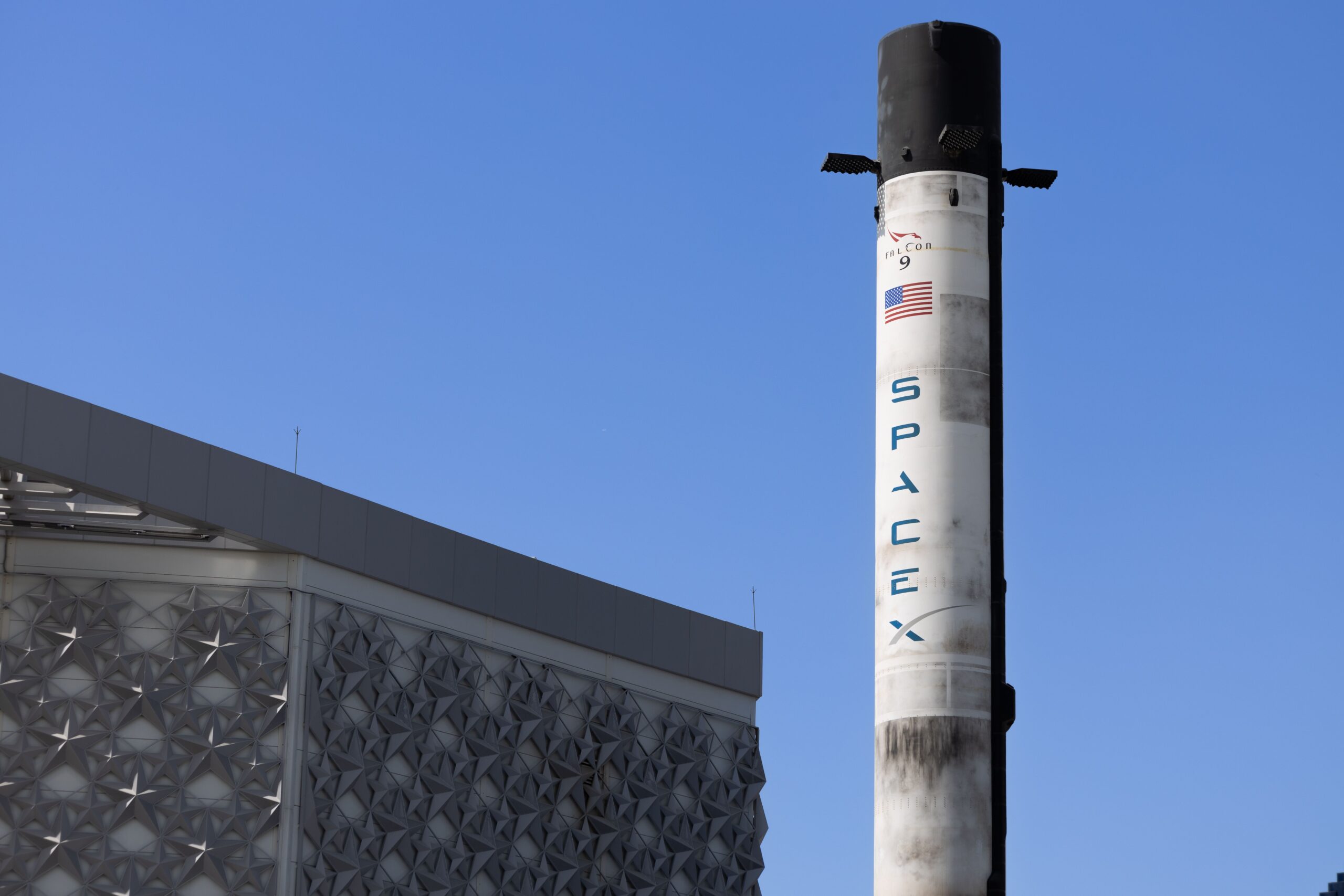
SpaceX is preparing to release its first earnings report since becoming a publicly traded company, marking a historic moment for the global aerospace industry and financial markets. Investors, analysts, and space enthusiasts are eagerly waiting to examine the company’s financial performance, operational progress, and future business strategy. The earnings report is expected to provide valuable insights into SpaceX’s revenue growth, profitability, launch business, Starlink satellite internet expansion, and long-term investment plans.
SpaceX First Earnings Report: For years, SpaceX remained a privately held company while building one of the world’s most successful commercial space businesses. During that time, the company transformed the launch industry by reducing costs, increasing launch frequency, and developing reusable rocket technology. Now, as a publicly listed company, SpaceX faces a new challenge. It must balance ambitious innovation with shareholder expectations while maintaining its leadership in the rapidly growing space economy.
The upcoming earnings announcement will therefore serve as an important milestone that could influence investor confidence and shape the company’s future market performance.
A Historic Moment for SpaceX
The release of SpaceX’s first public earnings report represents more than a routine financial update. It marks the beginning of a new era in which the company must provide greater transparency regarding its financial health and operational performance.
Previously, investors had limited access to SpaceX’s financial data because the company operated privately. However, becoming a public company requires regular financial disclosures, quarterly earnings reports, and detailed information about business operations.
Consequently, investors will gain a much clearer understanding of how SpaceX generates revenue, manages costs, and plans future investments.
Moreover, public reporting allows analysts to compare SpaceX directly with other aerospace, defense, satellite, and technology companies operating in global markets.
Investors Will Focus on Revenue Growth
Revenue growth is expected to be one of the biggest highlights of the earnings report.
SpaceX generates income from multiple business segments. These include commercial satellite launches, government contracts, cargo transportation missions, crewed spaceflight services, Starlink internet subscriptions, and international launch agreements.
During recent years, launch demand has continued expanding as governments, telecommunications companies, research organizations, and private businesses increasingly rely on satellite technology.
Furthermore, Starlink has become an increasingly important source of recurring revenue. Millions of customers worldwide now use the satellite internet service in urban, rural, and remote regions where traditional broadband remains limited.
As a result, analysts expect SpaceX to report strong top-line revenue supported by multiple growing business divisions.
Starlink Continues Driving Business Expansion
Starlink has rapidly evolved into one of SpaceX’s most valuable assets.
The satellite internet network continues expanding across dozens of countries, offering broadband connectivity to residential customers, businesses, airlines, shipping companies, emergency responders, and government agencies.
Because subscription-based services provide recurring monthly income, many investors consider Starlink essential to SpaceX’s long-term financial stability.
Additionally, enterprise customers typically generate higher average revenue than residential users. Therefore, continued growth in commercial contracts could significantly improve future profitability.
Investors will closely examine customer growth, subscriber retention, network expansion, and revenue generated through Starlink operations.
Rocket Launch Business Remains Strong
Launch services remain the foundation of SpaceX’s business model.
The company has consistently completed dozens of successful missions each year, transporting satellites, scientific equipment, cargo, and astronauts into orbit.
Reusable rocket technology continues reducing launch costs while increasing operational efficiency. Instead of manufacturing entirely new rockets for every mission, SpaceX can reuse boosters multiple times, lowering production expenses and improving profit margins.
Moreover, increasing global satellite deployment continues supporting steady demand for commercial launch services.
Government agencies and private companies alike continue selecting SpaceX because of its reliability, competitive pricing, and proven launch record.
Government Contracts Provide Stable Revenue
Another important area investors will monitor involves government partnerships.
SpaceX maintains long-term contracts with multiple government organizations for cargo transportation, astronaut missions, satellite deployment, national security launches, and scientific exploration.
These agreements provide predictable revenue streams while strengthening the company’s reputation within the aerospace industry.
Furthermore, government contracts often extend over several years, reducing financial uncertainty during periods of broader economic volatility.
Analysts believe these long-term partnerships remain one of SpaceX’s greatest competitive advantages.
Profitability Will Receive Close Attention
Although revenue growth is important, profitability may become the most closely watched financial metric.
Space exploration requires enormous investments in research, engineering, manufacturing facilities, testing infrastructure, and launch operations.
Consequently, SpaceX has historically invested significant resources into long-term innovation rather than maximizing short-term profits.
Now that the company is publicly traded, investors will carefully evaluate operating margins, net income, free cash flow, and earnings per share.
If profitability exceeds market expectations, investor confidence could strengthen considerably. However, continued heavy spending on future projects may temporarily pressure earnings despite strong revenue growth.
Starship Development Remains a Major Investment
One of the largest investment areas continues to be the development of the Starship launch system.
Starship represents SpaceX’s vision for deep-space exploration, lunar missions, and eventually human travel to Mars.
Developing such an advanced spacecraft requires extensive engineering, repeated testing, manufacturing improvements, and regulatory approvals.
Although these investments increase operating expenses today, executives believe Starship could unlock enormous commercial opportunities in the future.
Therefore, investors will likely pay close attention to management’s comments regarding development costs, testing progress, and commercialization timelines.
Competition in the Space Industry Intensifies
The commercial space industry has become increasingly competitive over the past decade.
Numerous private aerospace companies now compete for launch contracts, satellite services, defense projects, and emerging space technologies.
Despite growing competition, SpaceX continues maintaining several important advantages.
Its reusable rocket technology, operational experience, high launch frequency, and integrated satellite business create significant barriers for competitors.
Nevertheless, investors remain interested in understanding how management plans to preserve market leadership as competition continues increasing.
Artificial Intelligence and Automation Support Operations
SpaceX increasingly relies on artificial intelligence, advanced software, robotics, and automation throughout its manufacturing and mission operations.
AI assists engineers in optimizing rocket designs, monitoring system performance, predicting maintenance requirements, and improving launch efficiency.
Automation also reduces production costs while improving manufacturing consistency.
As the company expands operations, technology-driven efficiencies could contribute significantly to future profitability.
Therefore, analysts may seek additional information regarding AI investments during the earnings conference call.
Global Satellite Demand Continues Expanding
The worldwide demand for satellite technology continues growing rapidly.
Telecommunications providers, governments, agricultural businesses, weather agencies, defense organizations, financial institutions, and transportation companies increasingly depend on satellite connectivity.
This expanding demand creates substantial long-term opportunities for both launch services and Starlink’s broadband network.
Moreover, developing countries continue investing heavily in digital infrastructure, creating additional markets for satellite internet services.
Consequently, analysts remain optimistic regarding SpaceX’s long-term revenue potential despite short-term economic uncertainty.
Financial Markets Await Management Guidance
Beyond historical financial results, investors are especially interested in future guidance.
Management’s outlook regarding launch schedules, Starlink subscriber growth, capital expenditures, international expansion, and research investments may significantly influence market sentiment.
Positive guidance could reinforce confidence in SpaceX’s long-term growth strategy.
Conversely, cautious forecasts or higher-than-expected operating expenses could increase short-term share price volatility.
Therefore, executive commentary may prove just as important as the quarterly financial numbers themselves.
Risks Investors Should Consider
Despite its remarkable achievements, SpaceX continues facing several business risks.
Rocket launches involve technical complexity and operational uncertainty. Any launch failure could temporarily disrupt operations and affect customer confidence.
Additionally, regulatory approvals remain essential for satellite deployment, launch activities, and international expansion.
Economic slowdowns may also influence commercial satellite demand and business investment.
Furthermore, continued heavy spending on research and development could affect short-term profitability even if long-term growth remains strong.
Investors will therefore balance these risks against the company’s impressive technological leadership.
Long-Term Outlook Remains Promising
Most industry experts continue viewing SpaceX as one of the world’s most innovative aerospace companies.
Its diversified business model, combining launch services, satellite communications, government partnerships, and future space exploration, provides multiple avenues for long-term growth.
Meanwhile, increasing demand for global internet connectivity, national security capabilities, scientific missions, and commercial space activities supports a favorable industry outlook.
As technology advances, SpaceX appears well positioned to benefit from expanding opportunities throughout the global space economy.
However, maintaining financial discipline while funding ambitious innovation will remain a critical challenge for management.
Conclusion
SpaceX’s first earnings report since going public represents a defining moment for both the company and the broader aerospace industry. Investors will closely examine revenue growth, profitability, Starlink performance, launch activity, government contracts, and future investment plans to assess the company’s financial strength. While SpaceX has built an extraordinary reputation through technological innovation and operational excellence, public markets now expect consistent financial transparency alongside ambitious growth.
Looking ahead, the company remains well positioned to capitalize on expanding demand for commercial space services, satellite communications, and advanced launch technologies. Nevertheless, success as a public company will depend not only on groundbreaking engineering but also on the ability to deliver sustainable financial performance. If SpaceX demonstrates strong execution while maintaining disciplined investment strategies, it could reinforce its position as one of the most influential and valuable aerospace companies in the world, setting the stage for continued innovation and long-term shareholder value.