

US Natural Gas Boom: Powerful, Alarming AI Demand
Date: September 2, 2026
Author: Crazyrites Editorial Team
US Natural Gas Boom Gains Momentum
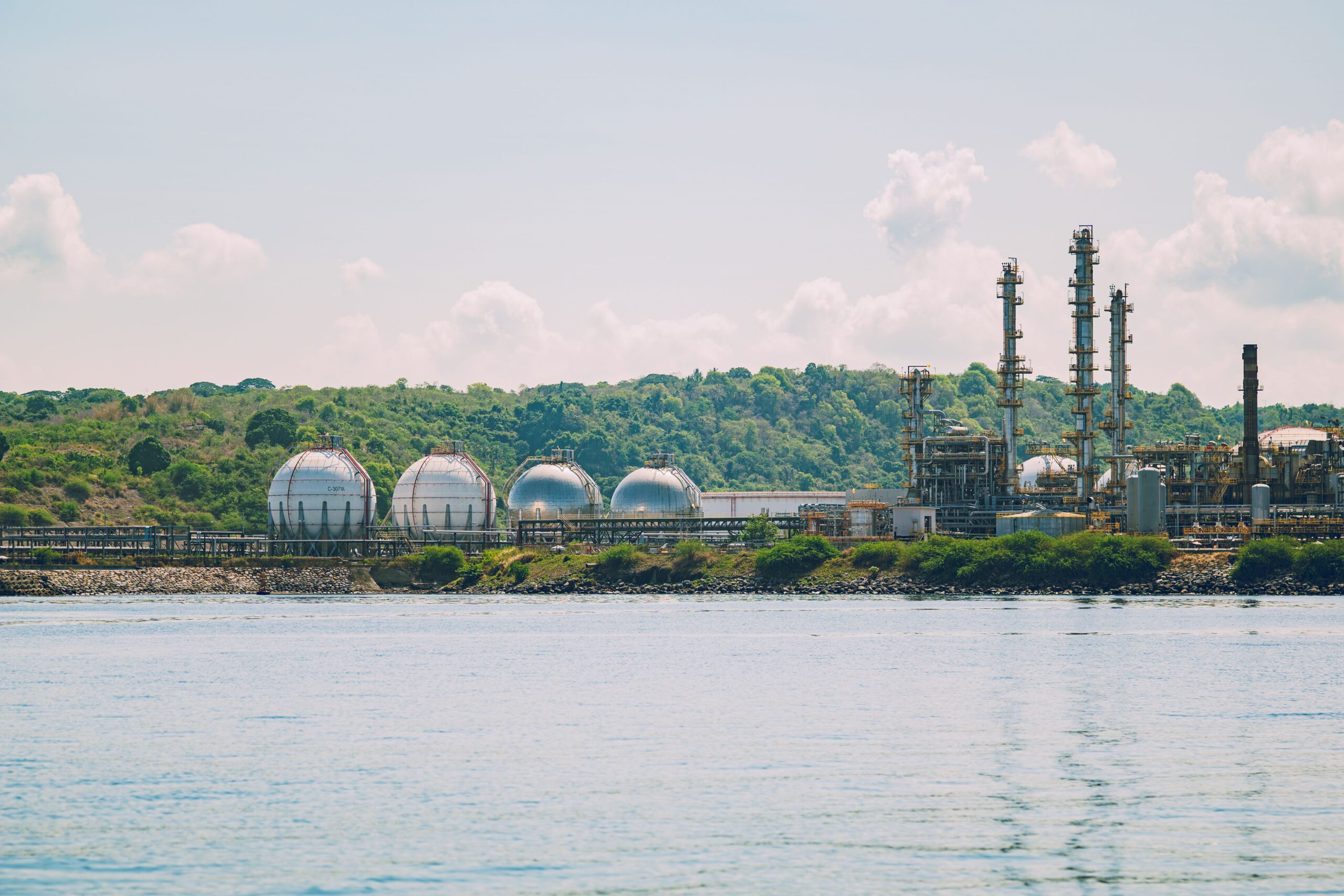
The US Natural Gas Boom is becoming an important part of America’s response to rising electricity demand from artificial intelligence and growing global demand for liquefied natural gas, or LNG.
The United States already has a large natural gas industry. However, the rapid growth of AI data centers is creating a new source of demand. At the same time, LNG exports are connecting American gas producers with buyers around the world.
As a result, energy companies, pipeline operators and investors are looking at new opportunities across the natural gas supply chain.
Recent reporting shows that more gas production and infrastructure could be needed to support both domestic power demand and overseas exports. However, the growth also raises questions about prices, pipelines, power-grid capacity and environmental concerns.
Why AI Is Increasing Gas Demand
AI systems depend on large data centers filled with powerful computer servers. These facilities require significant amounts of electricity and need reliable power throughout the day.
The US Natural Gas Boom is closely connected to this trend because natural gas can provide steady electricity when demand is high.
Gas-fired power plants can also support the grid when renewable sources such as wind and solar are producing less electricity. Therefore, utilities and data center developers are increasingly interested in reliable gas supply.
Reuters reported that U.S. electricity demand is expected to reach record levels in 2026 and 2027. The Energy Information Administration has also highlighted strong electricity demand as an important factor in the U.S. energy outlook.
For AI companies, reliability is especially important. A large data center cannot easily stop operating when electricity demand rises. Consequently, dependable power has become a major part of the AI infrastructure race.
More Gas Production May Be Needed
The US Natural Gas Boom is encouraging producers to consider more drilling and infrastructure projects.
The U.S. has major gas-producing regions, including the Permian Basin, Haynesville and Appalachia. These areas could play an important role if demand continues to rise.
However, producing more gas requires more than drilling wells. Companies also need gathering systems, processing facilities, storage and pipelines.
If those systems cannot expand quickly enough, new gas production could face delays.
The investment interest is already visible. Reuters reported in 2025 that U.S. natural gas dealmaking was rising because of AI data center demand, LNG exports and growing interest from Asian companies. More recently, Reuters reported that commodities trader Gunvor was in talks to buy Haynesville shale assets for more than $1 billion.
These developments suggest that natural gas assets are increasingly being viewed as important long-term energy infrastructure.
LNG Exports Add Another Major Demand Source
The US Natural Gas Boom is not only about powering American data centers.
LNG exports are another major driver of demand. American natural gas can be cooled into liquid form and shipped to customers in Europe, Asia and other markets.
The EIA reported on September 1 that U.S. LNG exports averaged 17.4 billion cubic feet per day during the first six months of 2026, which was 23% higher than the same period in 2025. The agency expects exports to average 17.3 Bcf/d in the second half of 2026 and rise to 18.7 Bcf/d in the first half of 2027.
This is important because stronger exports create another large market for U.S. gas producers.
The US Natural Gas Boom could therefore develop along two major paths: supplying electricity inside the country and supplying LNG to international buyers.
A New Investment Cycle
The US Natural Gas Boom is creating opportunities across the energy supply chain.
Gas producers can benefit from stronger demand. Pipeline companies can benefit from higher gas flows. At the same time, equipment manufacturers, processing companies and power developers may see additional business.
Data center developers are also exploring dedicated power solutions in areas where grid connections are difficult or could take years.
Still, the investment story is not without risks. Large energy projects require significant capital and can take years to complete.
Natural gas prices can also change quickly. If production grows faster than demand, prices could weaken. On the other hand, if AI power demand and LNG exports grow faster than supply, prices could face upward pressure.
Therefore, companies must balance expected demand with the cost of building new infrastructure.
Why Natural Gas Matters for AI Data Centers
The US Natural Gas Boom has a strong connection to electricity reliability.
Wind and solar power are expanding across the United States. However, their output can change depending on weather and the time of day.
Natural gas plants can help provide electricity when renewable generation is lower. This does not necessarily mean natural gas will replace renewable energy.
Instead, the energy system may use several sources together. Natural gas, renewables, nuclear power, batteries and other technologies can each play different roles.
For AI data centers, the main issue is keeping electricity available. As a result, gas-fired generation is attracting attention in locations where the power grid is under pressure.
The U.S. Grid Remains a Challenge
The US Natural Gas Boom also highlights a larger issue facing the American economy: the power grid needs more capacity.
Building a data center does not automatically mean enough electricity will be available for it. Developers need generation, transmission lines and local grid connections.
In some areas, transmission projects can take years because of planning, permitting and construction requirements.
Reuters has reported on the growth of behind-the-meter power projects in Texas, where data center developers are looking for ways to manage grid delays.
This could create additional demand for gas-fired power plants located close to large data centers.
The result is a closer relationship between the technology sector and traditional energy companies.
What Could Happen to Natural Gas Prices?
The US Natural Gas Boom could have mixed effects on prices.
More production can increase supply and reduce the risk of shortages. However, stronger demand from power generation and LNG exports can absorb that additional supply.
The balance between production and consumption will therefore remain important.
Weather will also matter. Cold winters can increase demand for heating, while hot summers can raise electricity demand because households and businesses use more air conditioning.
AI data centers could add another layer of demand because they operate continuously.
If supply grows quickly enough, the market could remain balanced. If demand grows faster, prices could become more sensitive to changes in production and weather.
Impact on U.S. Consumers
The US Natural Gas Boom could create economic benefits for the United States.
More drilling and infrastructure investment can support jobs, local business activity and government revenue. Strong LNG exports can also bring additional economic activity.
However, consumers may not experience the benefits equally in every region.
If demand rises strongly in an area where pipeline capacity is limited, local energy prices could come under pressure. Power companies could also face higher fuel costs.
For households, the most important issue will be whether new supply and infrastructure can grow fast enough to meet demand without creating unnecessary price increases.
Environmental Questions Remain
The US Natural Gas Boom is also part of a wider discussion about America’s energy future.
Natural gas generally produces fewer carbon dioxide emissions when burned for electricity than coal. However, natural gas is still a fossil fuel, and methane leaks during production and transportation remain an important concern.
Because of this, energy companies face pressure to improve efficiency and reduce emissions.
The future energy system may include a combination of natural gas, renewable energy, nuclear power, batteries and other technologies.
The final mix will depend on costs, reliability, government policy and technological development.
Global Importance of U.S. Gas
The US Natural Gas Boom could also strengthen America’s position in global energy markets.
Higher LNG exports provide international buyers with another source of natural gas. This can become especially important when geopolitical problems affect traditional energy supply routes.
The global LNG market is already facing uncertainty. Reuters reported that disruptions connected to the conflict around the Strait of Hormuz have affected LNG shipping and pushed Asian spot LNG prices higher.
For American producers, stronger global demand can create opportunities. However, it also means domestic gas markets are becoming more connected to international energy conditions.
Key Market Snapshot
| Area | Current Trend | Why It Matters |
|---|---|---|
| AI data centers | Electricity demand rising | Creates new power demand |
| Natural gas | Production and investment expanding | Supports reliable generation |
| LNG exports | Strong growth in 2026 | Connects U.S. gas with global buyers |
| Pipelines | More capacity may be needed | Moves gas to plants and export terminals |
| Power grid | Capacity remains a challenge | Can slow new data center projects |
| Energy investment | More deals and projects | Supports wider infrastructure growth |
What Comes Next?
The US Natural Gas Boom is likely to remain closely connected to AI data center construction and LNG export growth.
The EIA expects U.S. LNG exports to remain at high levels through 2026 and increase further during the first half of 2027. This shows that overseas demand will remain an important part of the U.S. natural gas market.
Meanwhile, AI companies continue to build computing infrastructure that requires dependable electricity.
The US Natural Gas Boom may therefore create a strong business opportunity for producers, pipeline operators and power companies.
Still, the market will not move in a straight line. Project delays, financing costs, gas prices, permitting rules and changes in technology could all affect future growth.
Investors will also need to watch whether AI electricity demand grows as quickly as expected.
Analysis: AI and Energy Are Becoming Closely Linked
The US Natural Gas Boom shows how the digital economy is becoming connected to traditional energy infrastructure.
AI is often discussed as a technology story. However, behind every AI model are data centers, servers, cooling systems and large amounts of electricity.
That creates opportunities for energy companies that can provide reliable power and fuel.
The US Natural Gas Boom could also encourage more investment in pipelines and gas-fired generation near major computing hubs.
However, investors should consider both opportunities and risks. Building energy infrastructure requires large amounts of money, while future demand is never guaranteed.
If AI growth remains strong, natural gas demand could increase significantly. If data center construction slows, some planned projects could face weaker demand.
The LNG market has similar risks because global prices, shipping costs and competition can change.
Conclusion
The US Natural Gas Boom is becoming an important part of America’s energy story as AI data centers expand and LNG exports grow.
The opportunity is significant because natural gas can provide reliable electricity while also supplying international markets.
At the same time, the industry must manage infrastructure needs, price risks and environmental concerns.
For now, the direction is clear. AI is increasing the need for dependable power, while global buyers continue to demand U.S. LNG.
The US Natural Gas Boom could become one of the important energy developments of the AI era, but its long-term success will depend on balanced investment, reliable supply and careful planning.
The US Natural Gas Boom should also be viewed as part of a broader energy system rather than a single-source answer. Natural gas may work alongside renewables, nuclear power, batteries and other technologies as electricity demand changes.
Ultimately, the US Natural Gas Boom will remain an important topic for energy companies, investors, policymakers and consumers as America works to meet rising power demand while maintaining its role as a major global LNG supplier.
Sources
- Reuters — U.S. power demand, natural gas and AI-related electricity growth.
- Reuters — U.S. natural gas dealmaking and rising demand from AI and LNG.
- Reuters — Gunvor’s reported talks to acquire Haynesville natural gas assets.
- U.S. Energy Information Administration (EIA) — U.S. LNG export growth and 2026–2027 outlook.
- Reuters — Texas behind-the-meter power projects for data centers.
- Reuters — Global LNG market disruption and Strait of Hormuz shipping issues.
