

Broadcom AI Debt Deal: Bold $60 Billion Push to Power the Next AI Infrastructure Boom
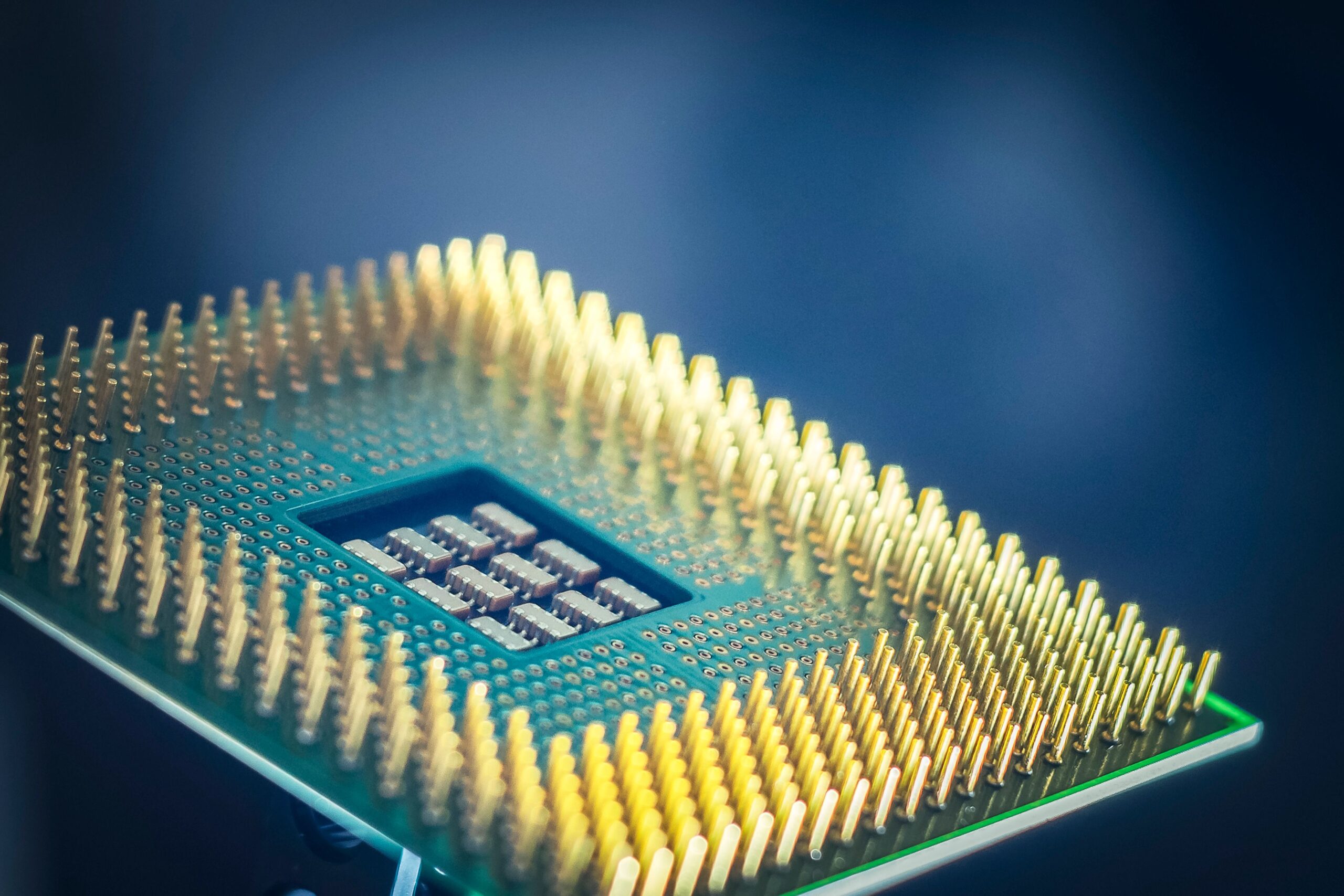
Broadcom AI Debt Deal: Broadcom is reportedly working on a massive new financing package that could raise more than $60 billion to support the next stage of the artificial intelligence infrastructure boom. The proposed Broadcom AI Debt Deal would help finance custom AI chips and related computing infrastructure for companies including Anthropic and potentially other major AI developers.
The plan shows how quickly the AI industry is changing. In the early stages of the AI boom, technology companies mainly focused on buying chips and building data centers with their own cash. Now, however, debt markets, private investment firms, chipmakers and special-purpose financing vehicles are becoming increasingly important parts of the AI buildout.
According to Reuters, Broadcom is in talks with lenders to raise more than $60 billion. The proposed financing could include about $30 billion of junior debt, while a senior secured portion could range between $60 billion and $70 billion. Depending on the final structure, the total financing could potentially reach as much as $100 billion.
The details are still being negotiated, so the final size and terms could change. Nevertheless, the Broadcom AI Debt Deal highlights the enormous amount of capital now required to build next-generation AI computing systems.
Why Broadcom Needs So Much Financing
The Broadcom AI Debt Deal is linked to the growing demand for custom AI chips. Broadcom has become one of the most important companies in the custom-chip market, designing specialized processors and networking equipment for some of the world’s largest technology companies.
Unlike general-purpose chips, custom AI accelerators can be designed around the specific needs of a large customer. This can help technology companies improve performance, manage energy use and reduce dependence on a single chip supplier.
As AI models become larger and more widely used, companies need enormous amounts of computing power. Training advanced models requires large data centers filled with powerful processors. Running those models for millions of users also requires significant computing capacity.
Therefore, the Broadcom AI Debt Deal is not simply about raising money for a semiconductor project. It is connected to the much larger need for computing power that is driving the current AI investment cycle.
Anthropic Is a Major Part of the Story
Broadcom AI Debt Deal: Anthropic is one of the key companies connected to the financing plans. The AI company has been expanding its computing capacity as demand for its Claude family of AI models grows.
Broadcom, Apollo Global Management and Blackstone already announced a partnership earlier this year involving a $35 billion AI infrastructure platform. The project is designed to support more than 20 gigawatts of computing capacity by 2028, with the initial phase focused on Anthropic.
The new Broadcom AI Debt Deal appears to build on that earlier arrangement.
The financing structure is important because it can allow an AI company to obtain computing capacity without paying the entire cost upfront. Instead, outside investors can provide capital to purchase equipment, which can then be leased or otherwise financed for the customer.
This model spreads the cost over time and allows AI companies to expand faster.
How the Proposed Financing Could Work
The Broadcom AI Debt Deal is expected to use a structure similar to the earlier $35 billion arrangement.
A special-purpose vehicle, or SPV, can be created specifically to hold the assets and financing. Investors and lenders provide money to the vehicle, which then purchases AI chips or related equipment. The equipment can subsequently be leased to an AI company.
This approach separates the financing from the normal operations of the companies involved.
For AI developers, the advantage is clear. They can gain access to expensive computing infrastructure without having to pay the full cost immediately.
For Broadcom, the arrangement can help create demand for its custom chips and networking products.
For financial investors, the deal offers an opportunity to participate in the rapidly growing AI infrastructure market.
However, the structure also creates questions about who ultimately carries the risk if AI demand slows or a customer has difficulty meeting its financial obligations.
Private Equity Firms Are Getting Involved
Broadcom AI Debt Deal: Apollo Global Management and Blackstone are reportedly in talks to participate in the latest financing. Both firms were also involved in the earlier $35 billion AI infrastructure arrangement with Broadcom.
Their involvement demonstrates how private capital is becoming increasingly important to the AI industry.
The Broadcom AI Debt Deal comes at a time when traditional technology companies are also turning to bond markets to fund AI spending. Amazon, Alphabet and Microsoft have all indicated that AI-related investment will remain high.
Reuters reported that US AI-related corporate debt issuance reached about $220 billion in 2026, compared with around $12.5 billion during the same period a year earlier.
That dramatic increase shows how much money is being directed toward AI infrastructure.
AI Infrastructure Is Becoming More Expensive
The Broadcom AI Debt Deal also reflects the rising cost of building AI infrastructure.
An AI data center needs much more than chips. Companies need servers, networking equipment, electricity, cooling systems, land and buildings. They also need access to reliable power and high-speed connections.
As a result, the total cost of developing AI infrastructure can reach billions of dollars for a single project.
The demand for computing power has also grown faster than traditional infrastructure can be built in some locations. This has increased competition for electricity, data-center space and specialized equipment.
Therefore, financing has become almost as important as technology.
The Broadcom AI Debt Deal illustrates this change. Companies that can secure capital may be able to build computing capacity faster than competitors that depend entirely on existing cash flows.
Broadcom’s Role in the AI Chip Market
Broadcom AI Debt Deal: Broadcom has become an important supplier in the AI hardware market because of its custom silicon and networking technology.
The company works with major technology firms that want to develop specialized chips for their own systems. This trend has become increasingly important as large cloud companies try to control more parts of their AI infrastructure.
Alphabet and Meta are among the major companies that have worked with Broadcom on custom chip projects.
This creates a significant opportunity for Broadcom because the demand for custom AI accelerators could continue rising as AI applications become more specialized.
The Broadcom AI Debt Deal could therefore support a broader strategy in which Broadcom becomes more deeply involved in financing and supplying the infrastructure needed by major AI companies.
The Difference Between Selling Chips and Financing Chips
Traditionally, a semiconductor company sells its products to customers and receives payment. The customer then takes responsibility for financing its own infrastructure.
The new model is different.
Under arrangements like the Broadcom AI Debt Deal, chipmakers can become part of a wider financing system. Financial institutions provide capital, special-purpose vehicles hold equipment, and AI companies lease or use the infrastructure.
This can accelerate sales because customers do not need to fund every purchase directly from their own balance sheets.
However, it also creates more complex relationships.
The more financial support Broadcom provides, the more investors may ask about the company’s potential exposure if customers fail to meet their obligations.
That is one reason credit investors have been watching the company’s financing activities carefully.
Investors Are Starting to Watch Broadcom’s Credit Risk
The Broadcom AI Debt Deal has also attracted attention from bond investors.
Reuters reported that yields on Broadcom’s 5.15% bonds due in 2031 increased by around 14 basis points during August. The cost of five-year credit default swaps also rose about 28 basis points during the month.
These movements do not mean that Broadcom is facing an immediate financial problem. However, they show that some investors are paying more attention to the risks created by large AI financing commitments.
Broadcom remains a major technology company with significant operations and cash generation.
Still, the scale of the proposed financing is unusual, and investors naturally want to understand how much risk could eventually reach Broadcom’s own balance sheet.
A $100 Billion Package Is Possible
The headline figure of $60 billion is already very large. However, the Broadcom AI Debt Deal could potentially become even larger.
Reuters reported that the proposed structure could include $30 billion of junior debt and $60 billion to $70 billion of senior secured debt. Together, those figures could push the overall financing package toward $100 billion.
It is important to note that $100 billion is a potential total based on the reported structure, not a confirmed amount that Broadcom has already raised.
The final package could be smaller.
The terms could also change before the financing is completed.
Therefore, investors should treat the reported numbers as negotiations rather than final commitments.
Why Debt Is Becoming Popular in AI
The Broadcom AI Debt Deal is part of a much larger trend.
AI companies and large technology firms are spending enormous amounts on infrastructure. Because the projects are so expensive, companies are increasingly looking for ways to spread those costs over several years.
Debt can provide immediate access to capital while allowing companies to repay investors over time.
This approach can make sense when a company expects future revenue and cash flow to grow.
However, debt also creates fixed obligations.
If AI demand grows as expected, the financing can help companies expand quickly. If growth slows sharply, companies may still have to make payments on the money they borrowed.
That balance between growth and financial risk is becoming an important issue for the AI industry.
The Earlier $35 Billion Deal
The Broadcom AI Debt Deal follows the earlier $35 billion financing platform launched by Broadcom, Apollo and Blackstone.
That platform was designed to support more than 20 gigawatts of AI computing capacity through 2028. The first stage was expected to provide about one gigawatt of capacity for Anthropic.
The earlier transaction showed that investors were willing to provide large amounts of private capital for AI infrastructure.
The new financing would take that model to a much larger scale.
If completed, it could become one of the largest financing structures linked to AI computing infrastructure.
What Does This Mean for Anthropic?
For Anthropic, access to additional computing capacity could be extremely valuable.
AI companies need large amounts of processing power to train new models and provide services to customers. As usage increases, the need for computing resources grows as well.
A financing arrangement could allow Anthropic to secure capacity without waiting to accumulate enough cash to purchase all the equipment itself.
The Broadcom AI Debt Deal could therefore help Anthropic expand its AI services while giving Broadcom a larger role in supplying the required hardware.
However, the exact commercial terms between the parties have not all been publicly disclosed.
What Does This Mean for Broadcom?
For Broadcom, the opportunity is potentially significant.
The company could benefit from higher demand for custom AI chips and networking products. It could also strengthen relationships with major AI developers and technology companies.
The Broadcom AI Debt Deal may help Broadcom lock in future demand while giving customers a financing route for expensive infrastructure.
At the same time, investors will watch the company’s financial exposure.
The key question is how much risk Broadcom ultimately takes on and how much is transferred to outside investors.
A structure that keeps most of the financial risk with lenders and investment partners could look very different from one that places large guarantees on Broadcom.
The Risk of AI Financing
The Broadcom AI Debt Deal also raises broader questions about the financial side of the AI boom.
When technology companies invest heavily in infrastructure, the investment can create a positive cycle. More computing power can support better AI products, which can generate more revenue and justify further investment.
However, the opposite can happen if demand slows.
If AI companies cannot generate enough revenue to cover infrastructure costs, financing structures could come under pressure.
Investors are therefore watching not only AI demand but also the quality of the contracts supporting the new debt.
This is one reason bond markets have become more cautious about the growing amount of technology debt.
Bond Investors Are Becoming More Selective
The Broadcom AI Debt Deal arrives as investors are becoming more selective about AI-related borrowing.
Reuters reported that technology bond spreads had widened to about 89 basis points, around nine basis points above the broader investment-grade market.
That does not mean investors have stopped buying technology debt.
Instead, they may now be asking for better returns before committing money to increasingly large deals.
This could become important if AI infrastructure companies continue borrowing at a rapid pace.
If financing costs rise, some projects could become more expensive.
The AI Buildout Still Has Strong Demand
Despite the concerns, demand for AI infrastructure remains strong.
Major technology companies continue to invest heavily in data centers, custom chips and networking systems.
Broadcom has benefited from this trend because its products are important parts of large-scale AI systems.
The Broadcom AI Debt Deal therefore comes at a time when the industry is still expanding rapidly.
The bigger question is whether the current level of spending can generate enough long-term economic value to justify the enormous amount of capital being invested.
That answer will become clearer as AI companies develop more products and generate more revenue from their services.
What Investors Should Watch Next
Several details will be important as the Broadcom AI Debt Deal develops.
First, investors will want to know the final size of the financing.
Second, they will watch the interest rates and repayment terms.
Third, they will look closely at how much of the senior debt Broadcom guarantees.
Fourth, investors will want more information about the customers using the infrastructure.
Finally, they will watch whether the deal remains limited to Anthropic or expands to other AI companies.
These details can determine how much financial risk Broadcom actually takes.
Could This Change AI Infrastructure Financing?
The Broadcom AI Debt Deal could become an important example of how future AI infrastructure is funded.
Instead of companies paying for everything themselves, the industry may increasingly use a combination of corporate cash, bonds, private credit, equipment leases and special-purpose vehicles.
That could allow AI infrastructure to expand faster.
It could also spread financial risk among more investors.
However, the complexity of these arrangements means that investors will need to understand the contracts carefully.
The headline amount of a financing package does not tell the entire story.
Conclusion
The Broadcom AI Debt Deal is shaping up to be one of the biggest financing stories in the AI infrastructure market. Broadcom is reportedly in talks to raise more than $60 billion, while the total package could potentially reach $100 billion depending on the final structure.
The financing would support custom AI chips and computing infrastructure for companies including Anthropic. It follows Broadcom’s earlier $35 billion partnership with Apollo and Blackstone, which aims to support more than 20 gigawatts of computing capacity by 2028.
The proposed deal shows how expensive the next phase of the AI boom has become. Companies need not only advanced chips but also data centers, networking systems, electricity and long-term financing.
At the same time, the plan highlights a growing financial risk. As more AI infrastructure is funded through debt, leases and guarantees, investors will need to pay close attention to who carries the obligations if demand changes.
For Broadcom, the opportunity is potentially very large. Strong demand for custom AI chips could create significant future growth and deepen the company’s role in the AI supply chain.
Still, the final terms matter. The amount of debt, Broadcom’s guarantees, customer commitments and repayment structure will determine how attractive the deal is from a financial perspective.
For now, the Broadcom AI Debt Deal is another clear sign that the AI race is moving beyond technology alone. Access to capital is becoming a major part of the competition, and the companies that can combine strong technology with sound financing may have an important advantage in the next stage of the AI infrastructure boom.
Sources
- Reuters — Broadcom seeks more than $60 billion in latest AI debt deal: Reporting on the proposed financing, potential $100 billion total package, Anthropic connection and participation by Apollo and Blackstone.
- Reuters — US corporate AI debt surge tests investor limits: Reporting on the rapid growth of AI-related corporate debt and changing investor demand.
- Reuters — Broadcom credit risk measures rise amid AI financing deals: Reporting on bond yields, credit-default swap movements and Broadcom’s financing exposure.
- The Wall Street Journal — Broadcom, Apollo and Blackstone launch $35 billion AI infrastructure platform: Coverage of the earlier financing platform and its plan for more than 20 gigawatts of compute capacity.
