

VinSpace SpaceX Launch Deal: Major 2027 Mission Puts Vietnam on the Global Space Map
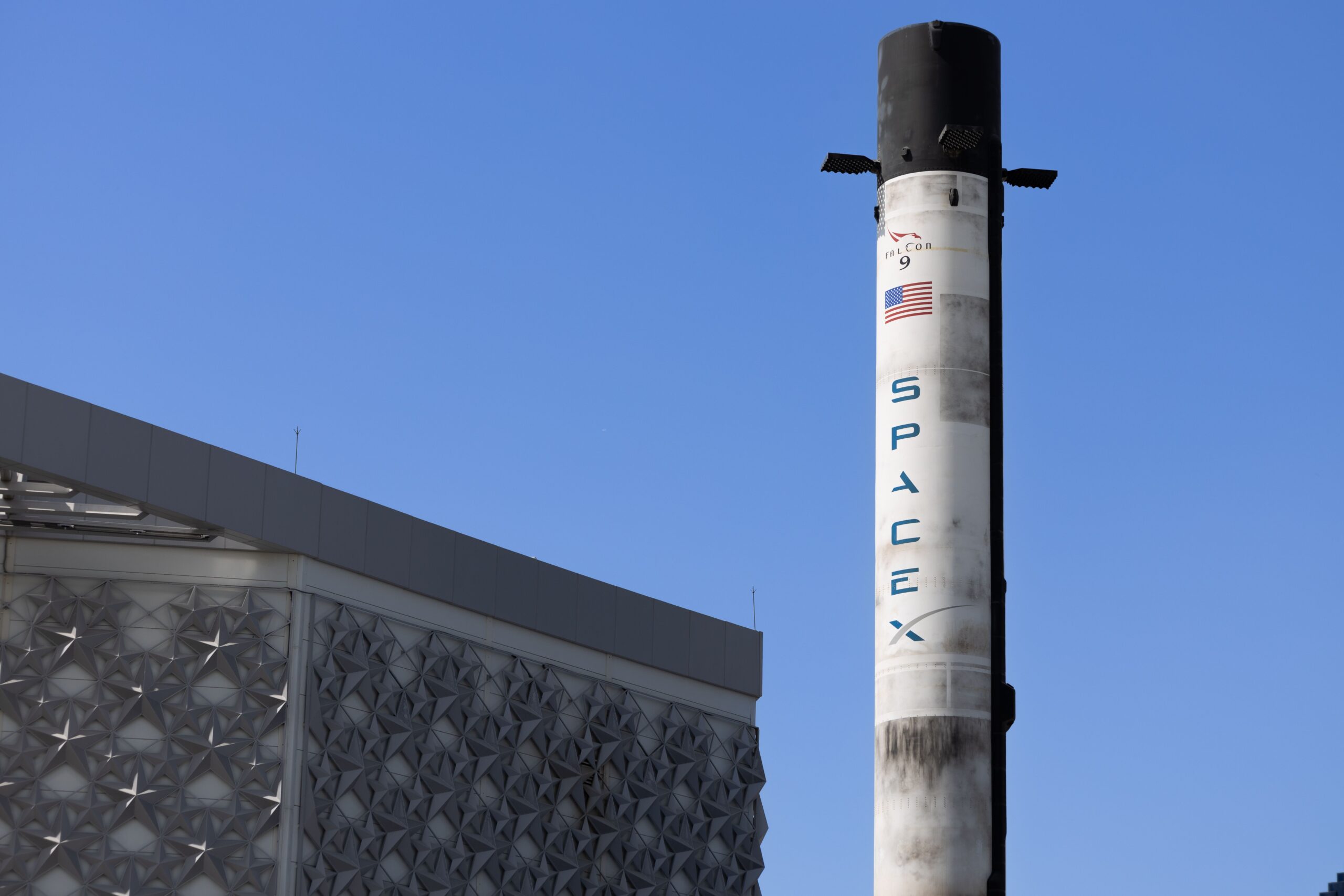
VinSpace Signs SpaceX Launch Agreement
The VinSpace SpaceX Launch Deal marks a major step in Vietnam’s growing ambitions to establish a stronger position in the global space industry.
Vietnamese aerospace company VinSpace has signed a contract with SpaceX to launch its first satellites into orbit in 2027.
The satellites are expected to fly as part of a SpaceX Transporter rideshare mission, allowing multiple customers to share the same rocket and reduce launch costs.
VinSpace said the satellites will be developed and operated by the company to test its technology in orbit and support future commercial applications. The company has not disclosed the value of the contract, the exact number of satellites or their detailed specifications.
The agreement represents an important milestone for VinSpace, which was established in November 2025 as part of Vietnam’s rapidly expanding private technology sector.
Why the 2027 Launch Matters
The VinSpace SpaceX Launch Deal is significant because Vietnam has been developing its space capabilities for several years, but its presence in the commercial space industry remains relatively small.
The country’s first telecommunications satellite was launched in 2008, followed by another in 2012.
Vietnam has also developed smaller satellites through domestic research programs.
However, the new VinSpace project represents a different approach because it combines Vietnamese satellite development with an international commercial launch provider.
That could give the company access to reliable launch infrastructure while allowing its engineers to gain practical experience with orbital missions.
VinSpace Wants to Build a Full Aerospace Business
The VinSpace SpaceX Launch Deal is not being presented as a one-time satellite project.
VinSpace says it wants to become a full-service aerospace company.
Its ambitions include satellite design, manufacturing, launch management, satellite operations and space-based data services.
That broader strategy could eventually allow the company to participate in several parts of the commercial space economy.
Rather than simply purchasing satellite hardware from international suppliers, VinSpace wants to develop domestic technical capabilities.
The company is therefore working to establish facilities and systems that can support future missions.
Backed by Vietnam’s Vingroup
The VinSpace SpaceX Launch Deal is also connected to the much larger Vingroup business empire.
VinSpace is part of Vingroup, Vietnam’s largest privately owned company, founded by billionaire Pham Nhat Vuong.
Vingroup has businesses spanning real estate, retail, healthcare, tourism and technology.
In recent years, the group has increasingly invested in high-tech industries, including electric vehicles, artificial intelligence, robotics and aerospace.
That provides VinSpace with access to a large corporate ecosystem and potentially significant financial and technological resources.
The expansion into space therefore fits into a broader strategy of moving toward higher-value technology industries.
Pham Nhat Vuong’s Technology Ambition
The VinSpace SpaceX Launch Deal reflects Pham Nhat Vuong’s growing interest in advanced technology.
Vuong has already invested heavily in electric vehicles through Vingroup’s VinFast business.
He has also supported projects involving artificial intelligence, robotics and other emerging technologies.
Space technology is considerably more complex and capital-intensive than many conventional industries.
However, satellite technology has become increasingly commercially useful.
Earth observation, telecommunications, navigation, climate monitoring and data analytics are creating new markets for private space companies.
VinSpace is attempting to position itself for those opportunities.
SpaceX Provides Reliable Access to Orbit
The VinSpace SpaceX Launch Deal gives VinSpace access to one of the world’s most established commercial launch systems.
SpaceX’s Transporter missions use rideshare launches to carry satellites from different customers on a single rocket.
This model can significantly reduce launch costs compared with arranging a dedicated rocket for a small satellite.
For an emerging aerospace company, that can be extremely valuable.
VinSpace can focus more resources on satellite development while relying on SpaceX for the launch service.
The arrangement also provides access to a launch provider with extensive experience placing satellites into orbit.
The Rideshare Model Is Growing
The VinSpace SpaceX Launch Deal highlights the growing importance of rideshare missions in the satellite industry.
A small company does not necessarily need to purchase an entire rocket to send a satellite into space.
Instead, it can share launch capacity with other customers.
This has helped lower the barrier to entry for startups, universities and research organizations.
SpaceX has become a major player in this market through its Transporter program.
The approach has helped create a more accessible commercial launch environment.
For VinSpace, the model could provide an efficient first step into orbital operations.
Vietnam’s Space Industry Is Still Developing
The VinSpace SpaceX Launch Deal comes as Vietnam works to expand its domestic space capabilities.
The country has been gradually building expertise in satellite development and space-based data.
In March 2026, Vietnam inaugurated a major space science and technology center in Hanoi’s Hoa Lac High-Tech Park.
The center is intended to support satellite development and expand the use of space-based data.
Vietnam has also set an ambition of becoming a mid-level space power in Southeast Asia by 2030.
The private sector could play an increasingly important role in achieving that goal.
Building a Vietnamese Satellite Ecosystem
The VinSpace SpaceX Launch Deal is part of a wider effort to create a domestic aerospace ecosystem.
According to Vingroup’s 2025 annual report, VinSpace plans to develop infrastructure including cleanroom facilities, testing equipment and ground station systems.
The company also intends to work with domestic and international partners.
These investments are important because satellite development requires much more than simply designing a spacecraft.
Engineers need specialized testing environments, communications infrastructure and ground stations.
They also need expertise in mission control and data processing.
Building those capabilities could take years, but the process begins with actual missions.
Commercial Applications Are a Key Goal
The VinSpace SpaceX Launch Deal could eventually support several commercial applications.
VinSpace has identified telecommunications and remote sensing as potential areas for satellite services.
Remote sensing can provide valuable information about agriculture, environmental conditions, infrastructure and natural resources.
Satellite imagery can also support disaster management and urban planning.
Telecommunications satellites can provide connectivity in areas where traditional infrastructure is difficult or expensive to deploy.
These applications create potential markets beyond government space programs.
Space-Based Data Could Become More Valuable
The VinSpace SpaceX Launch Deal comes at a time when demand for satellite data is increasing.
Businesses and governments increasingly use satellite information for decision-making.
Agricultural companies can monitor crop conditions.
Logistics companies can use satellite information to track infrastructure and transportation networks.
Environmental agencies can monitor forests, coastlines and water resources.
As artificial intelligence becomes more capable, satellite data can also be processed more efficiently.
AI systems can identify patterns in huge amounts of imagery and turn raw satellite information into useful insights.
SpaceX’s Growing Relationship With Vietnam
The VinSpace SpaceX Launch Deal is not SpaceX’s first major connection with Vietnam.
Earlier in 2026, Vietnam authorized SpaceX’s Starlink satellite internet service to operate in the country.
Starlink entered the Vietnamese market through a locally incorporated subsidiary.
The approval represented a significant development for satellite-based connectivity in Vietnam.
The new VinSpace agreement adds another dimension to that relationship.
Instead of simply providing satellite internet, SpaceX is now also supporting a Vietnamese company’s access to orbital launch services.
A Broader Technology Partnership
The VinSpace SpaceX Launch Deal could therefore become part of a broader technology relationship between Vietnam and SpaceX.
Vietnam is seeking international partnerships to strengthen its technology capabilities.
SpaceX, meanwhile, has shown interest in expanding its commercial presence across global markets.
The relationship could potentially create opportunities in satellite communications, launch services and other areas.
However, the current agreement is specifically focused on launching VinSpace’s satellites.
Any future cooperation would depend on commercial and regulatory decisions.
Vietnam Wants to Become a Technology Hub
The VinSpace SpaceX Launch Deal fits into Vietnam’s wider ambition to become a more advanced technology economy.
The country has attracted major manufacturing investments from global electronics companies.
It has also been developing domestic capabilities in semiconductors, artificial intelligence and advanced manufacturing.
Space technology represents another opportunity to move up the technology value chain.
A successful satellite industry could create highly skilled jobs and encourage research in engineering, electronics and computer science.
It could also support universities and private companies working on advanced technologies.
The Challenge of Building Satellites
The VinSpace SpaceX Launch Deal provides access to orbit, but successfully developing a satellite remains a major engineering challenge.
A satellite must survive the intense vibrations and acceleration of launch.
Once in orbit, it must operate in a harsh environment with extreme temperatures and radiation.
Communications systems must function reliably.
Power systems must continue operating for the intended mission duration.
Software must also work correctly because repairing a satellite in orbit can be extremely difficult.
VinSpace’s first mission will therefore be an important test of its technical capabilities.
The Importance of the First Mission
The VinSpace SpaceX Launch Deal could serve as a foundation for future missions.
A successful first launch would give VinSpace practical experience in satellite operations.
It could also help the company build credibility with potential customers and international partners.
If the satellites successfully demonstrate their intended technologies, VinSpace could begin developing more advanced systems.
That could eventually lead to larger satellite constellations.
However, the company will need to prove that its technology can operate reliably in real-world conditions.
Competition in the Commercial Space Industry
The VinSpace SpaceX Launch Deal also places the company in an increasingly competitive global industry.
Space companies in the United States, Europe, China, Japan, India and other countries are developing satellite platforms and launch services.
Vietnam will be competing for customers, engineering talent and investment.
Its advantage could come from combining lower development costs with growing domestic technology expertise.
The country’s manufacturing ecosystem could also support satellite production.
Nevertheless, space is a demanding industry where reliability and technical experience are critical.
The Role of International Partnerships
The VinSpace SpaceX Launch Deal demonstrates why international partnerships are important for emerging space companies.
Building an entire launch system domestically would require enormous investment and years of research.
By partnering with SpaceX, VinSpace can focus on its own satellite and aerospace capabilities.
This approach allows the company to participate in the global space industry without immediately developing its own rocket.
Over time, VinSpace could gradually expand its capabilities.
The company’s stated goal of becoming a full-service aerospace company suggests that launch is only one part of its long-term plan.
Investment in Space Infrastructure
The VinSpace SpaceX Launch Deal is also likely to encourage further investment in Vietnam’s space infrastructure.
Ground stations, testing laboratories and cleanroom facilities are essential for satellite development.
These facilities can also support other companies and research organizations.
Therefore, VinSpace’s investment could have benefits beyond its own missions.
A stronger domestic infrastructure network could make it easier for Vietnamese startups and universities to participate in space technology.
That could help create a broader ecosystem rather than a single company operating independently.
Why 2027 Is an Important Target
The VinSpace SpaceX Launch Deal gives a clear target for the company’s first orbital mission.
VinSpace had already announced plans earlier in 2026 to develop and launch its first satellite in 2027.
The SpaceX agreement now provides an identified launch pathway.
That is important because satellite projects must coordinate development, testing, transportation and launch schedules.
Any delay in one part of the process can affect the entire mission.
The company will therefore need to maintain a disciplined development schedule.
Potential Economic Benefits
The VinSpace SpaceX Launch Deal could eventually produce economic benefits for Vietnam.
A successful aerospace industry can generate highly skilled employment.
It can also encourage research and development in electronics, software, materials science and communications.
Space projects often have applications beyond the original mission.
Technologies developed for satellites can sometimes be adapted for other industries.
Furthermore, a stronger domestic aerospace sector could attract international partnerships and investment.
Challenges Remain Significant
The VinSpace SpaceX Launch Deal is promising, but it does not guarantee that Vietnam will become a major space power.
The industry requires significant capital and highly specialized expertise.
Satellite failures can be extremely expensive.
Competition is also intense.
VinSpace must demonstrate that its technology is reliable and commercially useful.
The company will also need to manage regulatory requirements and build a skilled workforce.
These challenges mean the 2027 mission should be viewed as the beginning of a long journey rather than the final achievement.
What Success Could Look Like
The VinSpace SpaceX Launch Deal could be considered successful if VinSpace demonstrates reliable satellite operations and generates useful commercial data.
A successful mission could lead to additional satellite launches.
It could also help VinSpace attract customers interested in telecommunications and remote sensing.
Over time, the company could develop a constellation of satellites serving regional markets.
Such a development would represent a significant expansion of Vietnam’s role in commercial space.
The Bigger Asian Space Race
The VinSpace SpaceX Launch Deal comes as Asian countries increasingly invest in space technology.
India has developed a major launch and satellite industry.
Japan and South Korea are expanding their commercial space capabilities.
China has also built a powerful space program and a large satellite ecosystem.
Southeast Asian countries are increasingly interested in satellite communications and Earth observation.
Vietnam’s ambitions must therefore be understood within a much larger regional transformation.
Conclusion
The VinSpace SpaceX Launch Deal marks an important milestone for Vietnam’s emerging commercial space industry.
VinSpace has signed an agreement with SpaceX to launch its first satellites on a Transporter rideshare mission in 2027.
The satellites will be developed and operated by VinSpace to test technology in orbit and support potential future commercial applications.
The agreement is especially significant because VinSpace was established only in November 2025.
The company is now attempting to build capabilities across satellite design, manufacturing, launch management, operations and space-based data services.
Its connection to Vingroup gives the project access to a large Vietnamese technology and industrial ecosystem.
At the same time, SpaceX provides an experienced route to orbit through its rideshare program.
That combination could help VinSpace gain practical experience without having to develop its own launch vehicle.
Vietnam is also building a broader foundation for space technology.
The opening of a major space science and technology center in Hanoi, together with the country’s goal of becoming a mid-level space power in Southeast Asia by 2030, shows that space is becoming part of its wider technology strategy.
The VinSpace SpaceX Launch Deal therefore has significance beyond the launch itself.
It could help develop domestic engineering talent, satellite manufacturing expertise and commercial applications based on space data.
However, significant challenges remain.
VinSpace must successfully develop and test its satellites, operate them in orbit and demonstrate that the resulting technology can support real commercial needs.
The company will also face competition from established space organizations and emerging startups across Asia.
If the 2027 mission succeeds, it could become a foundation for a much larger Vietnamese aerospace program.
More satellite missions could follow, potentially supporting telecommunications, remote sensing and other services.
For Vietnam, that would represent a major step toward becoming a more important player in the regional space economy.
Ultimately, the VinSpace SpaceX Launch Deal shows how the global space industry is becoming more accessible to new participants.
Rideshare launches, private investment and commercial satellite applications are lowering some of the barriers that once limited space activity to major governments.
VinSpace is now attempting to use that changing environment to establish Vietnam as a stronger force in commercial space technology.
The 2027 launch will be an important test.
If the mission succeeds, it could mark the beginning of a new chapter for Vietnam’s private space industry and give the country a stronger presence in the increasingly competitive global space economy.
Anthropic $9 Billion Cloud Deal: Powerful AI Partnership With Riot Platforms Reshapes Data Centers
