

Andreessen Horowitz Machine Age Fund: Powerful $1.1 Billion Bet on AI Infrastructure

Date: August 30, 2026
Author: Crazyrites Editorial Team
Andreessen Horowitz Machine Age Fund Brings $1.1 Billion to AI Infrastructure
Andreessen Horowitz has raised $1.1 billion for a new fund focused on the physical infrastructure needed to build and run artificial intelligence systems. Called the Machine Age Fund, the new investment vehicle will focus on areas such as computer chips, memory, networking, storage, data centers, robotics and AI-powered devices.
The Andreessen Horowitz Machine Age Fund marks an important shift for one of Silicon Valley’s best-known venture capital firms. While Andreessen Horowitz, also known as a16z, has invested heavily in software and internet businesses, the new fund is aimed at the physical technology that makes modern AI possible.
The firm announced the fund on August 28, 2026. In its announcement, a16z said it wants to speed up the physical buildout of AI and invest in the systems that AI depends on.
The move comes as demand for AI computing continues to grow. At the same time, companies are facing limits around computing power, memory, networking, electricity, cooling and data-center capacity.
As a result, the Andreessen Horowitz Machine Age Fund is not simply another fund focused on AI software. It is a bet that the next stage of the AI industry will require much more physical equipment and infrastructure.
What Is the Machine Age Fund?
The Andreessen Horowitz Machine Age Fund is a new $1.1 billion investment fund created by a16z to support companies working on the physical side of artificial intelligence.
According to the firm’s announcement, the fund will invest in computer infrastructure including chips, memory, networking and storage. It will also cover larger systems such as data centers, robots and home AI devices.
In simple terms, the fund is focused on the hardware and physical systems behind AI.
AI models may appear to be software products that run on computers, but they need a large amount of physical equipment to work. Powerful chips process information, memory stores and moves data, networks connect machines, and data centers provide the space and power needed to run these systems.
The new fund aims to invest in businesses developing these technologies.
What the Fund Will Target
| Area | Why It Matters for AI |
|---|---|
| Chips | Provide computing power for AI models |
| Memory | Helps AI systems handle large amounts of data |
| Networking | Connects chips and machines at high speed |
| Storage | Holds large amounts of AI data |
| Data centers | Provide space and systems to run AI |
| Cooling | Helps manage heat from powerful computers |
| Robotics | Brings AI into physical machines |
| Home AI devices | Brings AI technology into consumer products |
This broad focus gives the Andreessen Horowitz Machine Age Fund exposure to several parts of the growing AI supply chain.
Why Is a16z Investing in Physical AI?
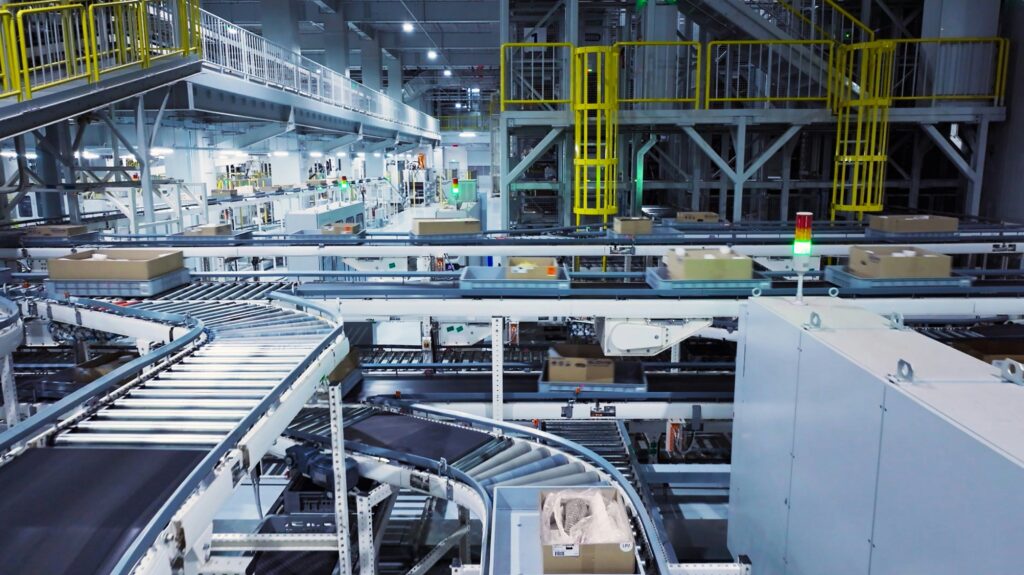
The Andreessen Horowitz Machine Age Fund comes at a time when AI development is becoming more dependent on physical infrastructure.
The first stage of the AI boom focused heavily on software and models. Companies built chatbots, image tools, coding assistants and other AI applications.
However, these applications require enormous computing resources.
Large AI models need powerful processors and large data centers. They also need fast connections between machines, large memory systems and reliable power.
Therefore, as AI use grows, the physical infrastructure supporting it must grow as well.
a16z says the industry needs faster and more efficient systems, better memory, faster connections and power-efficient devices. The firm also pointed to cooling, materials, electrical systems and real estate as important parts of the AI buildout.
AI Is Creating a Hardware Opportunity
The Andreessen Horowitz Machine Age Fund reflects a larger change in the technology industry.
For many years, software companies were able to grow quickly without building large amounts of physical infrastructure themselves. Cloud computing made it easier for startups to rent computing resources instead of owning data centers.
AI has changed some of those economics.
Modern AI systems can require much more computing power than traditional software applications. As a result, companies are now spending heavily on chips, data centers, electricity and networking.
This creates opportunities for startups that can solve problems in these areas.
For example, a company that develops a better cooling system could help data centers operate more efficiently. A startup working on memory technology could help AI systems process larger amounts of information.
Similarly, new networking technology could help connect thousands of processors more efficiently.
The Fund Is Different From a Traditional AI Fund
The Andreessen Horowitz Machine Age Fund is different from a typical AI venture fund because it is focused on the physical layer.
A traditional AI fund may invest in companies developing software, AI models or applications.
The Machine Age Fund can invest further down the technology chain.
That could include a company making a new AI chip, a startup developing memory technology or a business creating robotic systems.
This approach can also require more money.
Physical businesses often need factories, testing equipment, hardware development teams and longer development periods. They may not have the same quick growth pattern as a software company.
Raghu Raghuram, an a16z general partner and former VMware CEO, said the firm created a separate fund because physical investments can have different needs, including different ways of evaluating companies and larger initial capital requirements.
Data Centers Are Becoming a Major AI Requirement
The Andreessen Horowitz Machine Age Fund is also entering the market as data-center demand is growing rapidly.
AI data centers are different from many traditional data centers because AI workloads require large amounts of computing power.
Powerful processors generate significant heat, which means cooling becomes a major issue.
Electricity is another important requirement.
A data center may have enough space and computing equipment but still face problems if it cannot secure enough electricity.
That is why the AI infrastructure market includes much more than chips.
Power systems, cooling equipment, buildings, networking equipment and land can all become important parts of the overall investment.
Why Chips Are Still Important
The Andreessen Horowitz Machine Age Fund is also targeting chips because processors remain one of the most important parts of AI systems.
Companies such as Nvidia have shown how valuable AI chips can become when demand grows rapidly.
However, the market is not limited to one type of processor.
Technology companies are developing different chips for training AI models, running AI applications and handling specific workloads.
Some large cloud companies are also developing their own processors to reduce costs and gain more control over their computing systems.
This creates an opportunity for startups that can develop useful new hardware.
However, chip development can be expensive and technically difficult. Companies may need years of research and large amounts of capital before they can produce chips at scale.
Memory and Networking Are Also Important
The Andreessen Horowitz Machine Age Fund is looking beyond processors because AI systems depend on several connected technologies.
Memory is especially important.
AI models work with very large amounts of information. Faster and more efficient memory can help processors access that information quickly.
Networking is also critical because modern AI systems often spread workloads across many machines.
If processors cannot communicate quickly, the overall system can become less efficient.
Therefore, improving memory and networking could help companies get more value from the computing power they already have.
This is one reason a16z is interested in these areas rather than focusing only on AI chips.
Robotics Could Become a Major Part of the Fund
The Andreessen Horowitz Machine Age Fund also includes robotics, which could expand the fund beyond traditional data-center infrastructure.
AI is increasingly being used to help machines understand their surroundings, make decisions and perform tasks.
Robots could eventually become more useful in factories, warehouses, homes and other environments.
However, building useful robots requires more than AI software.
Robots need sensors, motors, batteries, processors, mechanical systems and reliable software.
They also need to work safely in real-world environments.
This makes robotics another area where AI and physical technology meet.
The fund’s interest in robotics suggests that a16z sees AI as something that will increasingly move beyond screens and into the physical world.
What Does “Machine Age” Mean?
The Andreessen Horowitz Machine Age Fund gets its name from the idea that AI is moving into a period where physical machines will become more important.
The first major internet era was heavily focused on software, websites and digital services.
The current AI period is different because powerful AI systems require a large physical base.
Computers, data centers, robots and other machines will all play a role.
This does not mean software is becoming less important.
Instead, software and hardware are becoming more closely connected.
An AI model needs software to operate, but it also needs physical systems to process information.
Why Startups May Benefit
The Andreessen Horowitz Machine Age Fund could provide important funding for startups that have struggled to raise large amounts of capital for hardware projects.
Hardware startups often face a difficult funding problem.
Software companies can sometimes launch a product with a relatively small team and limited physical assets.
Hardware companies may need expensive prototypes, equipment, manufacturing partnerships and testing facilities before they can generate significant revenue.
A dedicated fund gives a16z a way to provide capital to these companies at an earlier stage.
The fund will primarily target early-stage startups, while also keeping some capital available for more mature businesses.
A Shift in Venture Capital
The Andreessen Horowitz Machine Age Fund also reflects a wider shift in venture capital.
For years, investors often preferred software because software companies could grow quickly and reach large markets without requiring huge amounts of physical capital.
AI is changing that calculation.
If AI demand continues to grow, investors may need to put more money into the physical systems supporting it.
That includes semiconductor manufacturing, power systems, cooling, data centers and robotics.
Other investors are also showing interest in these areas.
Recent reporting has pointed to a large increase in venture funding for semiconductor and autonomous-machine startups, showing that AI hardware is attracting more capital across the technology industry.
Is There a Risk in Investing So Much in AI Infrastructure?
The Andreessen Horowitz Machine Age Fund is launching during a period of very large AI investment.
That creates opportunities, but it also creates risks.
One risk is that AI demand may not grow as quickly as expected.
If companies build too much infrastructure and demand later slows, some data centers or hardware projects could struggle to earn the expected returns.
Another risk is technology change.
A new chip or more efficient AI model could reduce demand for certain types of hardware.
Data centers can also face challenges related to power availability, local approval, construction delays and environmental concerns.
Recent Financial Times reporting has highlighted risks around large AI data-center projects, including technology changes, local opposition and financing pressure.
These risks do not mean the AI infrastructure market will fail. They show why careful investment decisions will remain important.
Could the Fund Help Make AI Cheaper?
The Andreessen Horowitz Machine Age Fund could also support technologies that make AI systems cheaper and more efficient.
Efficiency is becoming increasingly important.
If AI companies can process more information using less electricity and fewer chips, the cost of running AI services could fall.
Better cooling systems could reduce energy use.
Improved networking could make large computing systems more efficient.
Better memory could allow AI models to work faster.
These improvements could benefit both AI companies and their customers.
Therefore, the fund’s focus is not only about building more infrastructure. It is also about finding better ways to build and operate that infrastructure.
What Could Happen Next?
The Andreessen Horowitz Machine Age Fund gives a16z a large pool of capital to invest in the next generation of AI infrastructure companies.
The firm will likely look for startups that can solve real problems in computing, data centers, robotics and related fields.
Some investments may take years to develop.
That is normal for physical technology.
A successful hardware company may need significant time before it reaches large-scale production.
However, if AI demand remains strong, companies solving important infrastructure problems could become increasingly valuable.
The fund therefore gives a16z an opportunity to participate in an area that may become one of the most important parts of the next AI cycle.
What This Means for the AI Industry
The Andreessen Horowitz Machine Age Fund is another sign that the AI industry is entering a more physical phase.
AI is no longer only about creating better models and applications.
It is also about building the machines, networks, data centers and power systems needed to support those models.
That could create new opportunities for engineers, hardware startups, energy companies, robotics businesses and infrastructure providers.
At the same time, it will require careful planning because physical projects can be expensive and difficult to change once they are built.
Conclusion
The Andreessen Horowitz Machine Age Fund represents a major new investment in the physical side of artificial intelligence. With $1.1 billion raised, a16z is showing strong confidence in companies working on chips, memory, networking, storage, data centers, robotics and AI-powered devices.
The move also highlights an important change in the AI industry. As AI becomes more powerful and more widely used, software alone will not be enough. The industry will need better hardware, more computing capacity, reliable power, improved cooling and stronger networks.
At the same time, the future will not be without challenges. Infrastructure projects can be expensive, technology can change quickly and demand may not always grow as expected.
For now, the new fund shows that a16z believes the physical foundation of AI could become a major investment opportunity. Whether that view proves correct will depend on how AI demand develops and how successfully new companies solve the real-world problems behind the technology.
Overall, the Machine Age Fund is a notable step in the continuing growth of AI infrastructure. It reflects a growing belief that the next stage of artificial intelligence will be built not only with software, but also with the physical systems that allow that software to work.
Sources
- Andreessen Horowitz (a16z) — Official announcement: Details of the $1.1 billion Machine Age Fund and its focus on AI infrastructure.
- TechCrunch: Report on a16z’s new $1.1 billion fund and its focus on chips, memory, networking, data centers and robotics.
- Bloomberg / ETCIO: Coverage of the fund’s investment strategy and focus on early-stage physical technology companies.
- Wall Street Journal: Report on the Machine Age Fund and the growing need for AI hardware infrastructure.
- Financial Times: Analysis of the opportunities and risks linked to the rapid expansion of AI data centers.
Kevin Warsh 2% Inflation Target: Strong Fed Warning Puts Inflation Back In Focus
