

AI-Discovered PHP Security Flaws: Urgent Global Warning
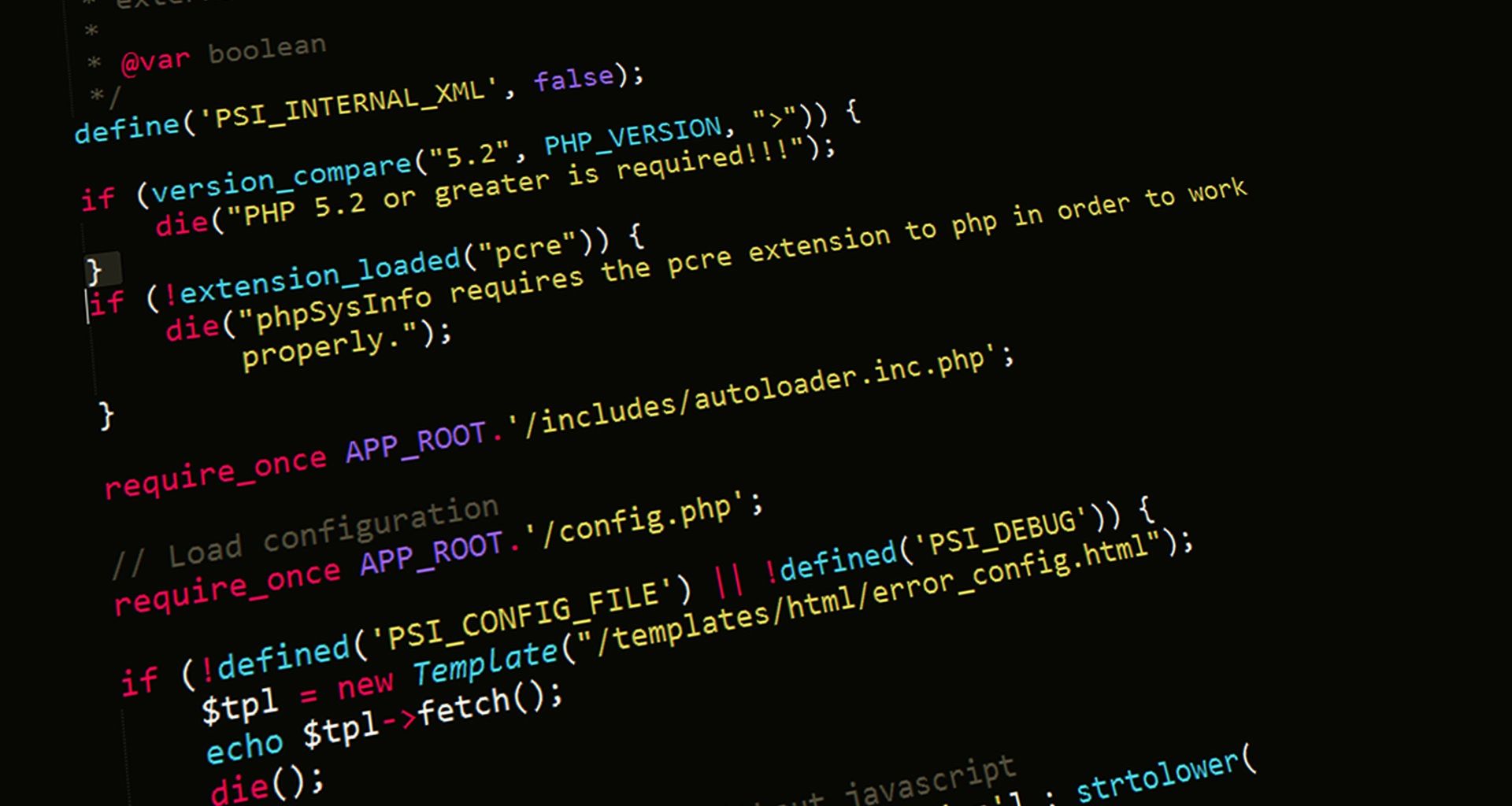
Author: Crazyrites Editorial Team
Date: October 24, 2026
Introduction
A major cybersecurity warning has put website owners, developers, and technology companies on alert after researchers discovered serious security weaknesses in PHP, a programming language used by a large part of the internet. The discovery has raised concerns because PHP supports websites, online stores, government services, and popular content management systems.
The AI-discovered PHP security flaws have drawn global attention because artificial intelligence helped researchers identify weaknesses that had remained hidden for years. According to security researchers, attackers could potentially use these weaknesses to run harmful code on vulnerable servers, access sensitive information, and disrupt online services.
PHP developers released security fixes on October 21, 2026, following coordinated work with cybersecurity researchers and technology companies. However, releasing a patch is only the first step. Website owners must also identify affected systems and install the correct updates.
The AI-discovered PHP security flaws highlight an important change in cybersecurity: artificial intelligence can help defenders discover dangerous problems, but similar technology may also make it easier for attackers to develop new methods of exploitation.
What Happened in the PHP Security Incident?
PHP is a widely used programming language that helps websites process information, manage accounts, display content, and communicate with databases. Its long history and broad use make security problems in its core software especially important.
On October 21, cybersecurity researchers publicly disclosed critical vulnerabilities affecting the PHP runtime. The research was supported by AI tools, which helped identify and investigate weaknesses in the underlying software.
The AI-discovered PHP security flaws were linked to problems involving memory handling and internal PHP processes. Security researchers reported that the weaknesses could be combined to achieve remote code execution under affected conditions.
Remote code execution is a serious security risk because it can allow an attacker to run commands on a vulnerable computer from another location. Depending on the server’s permissions and configuration, this could lead to data theft, website changes, malware installation, or further attacks.
The reported vulnerabilities were tracked as CVE-2026-109618 and CVE-2026-109619. Administrators should consult official PHP security advisories to identify the affected versions and the correct fixed releases.
Importantly, the discovery does not mean that every PHP website has been hacked. The actual risk depends on the PHP version, configuration, available protections, and whether the relevant updates have been installed.
Why Does This Threat Matter Worldwide?
PHP remains a major part of internet infrastructure. Technology tracking reports estimate that it powers around 70% of websites whose server-side programming language can be identified. Its use includes websites built with WordPress, Drupal, Joomla, and other systems.
The AI-discovered PHP security flaws are particularly concerning because a weakness in a shared software component can affect many different applications at once. A website may use a popular content management system and still depend on the underlying PHP runtime for its core operations.
For example, an online shop may use PHP to manage customer accounts and process website requests. If its server runs a vulnerable version, an attacker could potentially target the server itself rather than relying on a weakness in the shop’s own code.
Similarly, a business website might store customer contact details, login sessions, or API credentials in memory while handling requests. Depending on the vulnerability and system configuration, exposed information could create additional risks.
The AI-discovered PHP security flaws therefore require attention from large organizations as well as small website owners. Many small businesses depend on hosting companies to manage their technical infrastructure, so they may not know which PHP version their websites use.
Key Details at a Glance
| Detail | Information |
|---|---|
| Main technology | PHP programming language |
| Security issue | Critical software vulnerabilities |
| Public disclosure | October 21, 2026 |
| Reported identifiers | CVE-2026-109618 and CVE-2026-109619 |
| Discovery support | AI-assisted cybersecurity research |
| Main potential risks | Remote code execution and memory disclosure |
| Possible impact | Server compromise, data exposure, and service disruption |
| Recommended action | Check affected versions and install official security updates |
The AI-discovered PHP security flaws show why software maintenance is an essential part of running a secure website. Even established programming languages require regular testing, security reviews, and updates.
How Artificial Intelligence Helped Researchers
Traditional vulnerability research often requires experts to study source code, reproduce unusual software behavior, and test different conditions. Some weaknesses are difficult to identify because they appear only when several internal processes interact.
AI tools can help researchers examine code, recognize unusual patterns, suggest possible weaknesses, and test ideas more efficiently. In this case, researchers used AI-assisted methods to investigate complex PHP behavior and help develop practical demonstrations of the reported vulnerabilities.
The AI-discovered PHP security flaws demonstrate how this technology can support defensive security work. A problem that might otherwise remain hidden can become visible when researchers combine automated analysis with human expertise.
However, AI is not a replacement for professional security research. Its suggestions must be tested, confirmed, and reviewed carefully. Software developers must understand the underlying problem before releasing a reliable fix.
There is also a wider concern. Tools that help defenders discover weaknesses may also help malicious actors understand software faster. Consequently, organizations need strong reporting processes, rapid patch development, and effective monitoring.
The AI-discovered PHP security flaws offer a clear example of why responsible vulnerability disclosure matters. Researchers, developers, hosting providers, and security teams must work together so that protective updates are available before technical details are widely abused.
What Website Owners Should Do Now
Website administrators should treat this incident seriously without assuming that a security breach has already occurred. The first priority is to establish whether their systems use an affected PHP version.
The following actions can help reduce risk.
1. Check the PHP version
Review the PHP version used by your hosting account, server, or website management panel. If you use managed hosting, contact the provider and ask whether your environment is affected by the disclosed vulnerabilities.
2. Install official security updates
The AI-discovered PHP security flaws have prompted the release of fixes. Administrators should follow the official PHP security advisory and upgrade to a fixed version supported by their environment. Do not select a version based only on a third-party article.
3. Review WordPress and other applications
If your website uses WordPress, Drupal, or Joomla, update the platform, themes, and plugins as well. These updates do not replace the need to secure PHP itself, but they provide another important layer of protection.
4. Back up important data
Create a recent backup of website files and databases before making significant changes. Confirm that the backup can be restored and store a copy in a secure location that is separate from the main website.
5. Check logs and unusual activity
Review server logs for unexpected requests, suspicious account activity, unfamiliar files, and unusual changes. If you find signs of compromise, contact your hosting provider or a qualified security professional for further investigation.
6. Limit access and protect credentials
Use strong, unique passwords and enable multi-factor authentication where available. Restrict administrative access and rotate potentially exposed credentials if an investigation indicates they may have been compromised.
7. Follow trusted security guidance
The AI-discovered PHP security flaws may affect different hosting environments in different ways. Check official PHP notices and guidance from your hosting provider rather than relying on social media claims or unverified download links.
Possible Impact on Businesses and Internet Users
Businesses could face several types of risk if they operate vulnerable servers. A successful attack may interrupt services, expose private information, damage customer trust, or create recovery costs.
For online retailers, even a short outage can prevent customers from placing orders. For public services, an interruption may delay access to important information. For smaller organizations, recovering from a serious security incident can consume time and money that would otherwise support daily operations.
The AI-discovered PHP security flaws also raise questions about third-party hosting. A company may manage its website content but depend on another provider to maintain the server and programming environment. Clear communication between both parties is therefore essential.
For everyday internet users, there is no need to assume that simply visiting a PHP-based website will infect a device. The central concern is whether a website or server is vulnerable and whether an attacker can successfully exploit it.
Users should continue following normal security practices, including using trusted websites, avoiding suspicious links, enabling multi-factor authentication, and paying attention to legitimate security notifications.
The Wider Meaning for Cybersecurity
The AI-discovered PHP security flaws are part of a larger discussion about how artificial intelligence is changing software security. AI can help researchers find problems faster, but it can also increase pressure on software maintainers to respond quickly.
For years, organizations have depended on software components that are deeply embedded in their systems. These components may work reliably for a long time while still containing weaknesses that have not been fully understood.
The incident demonstrates that security cannot depend only on whether software has worked well in the past. Regular testing, supported software versions, clear update procedures, and effective monitoring remain necessary.
At the same time, it would be inaccurate to describe AI as only a cybersecurity threat. When used responsibly, it can help researchers detect weaknesses, support developers in testing fixes, and improve defensive tools.
The AI-discovered PHP security flaws also show why responsible disclosure should involve cooperation rather than blame. Researchers need a clear way to report findings, maintainers need time and resources to prepare fixes, and organizations need practical instructions to protect their systems.
What Happens Next?
The next stage depends on how quickly affected website operators apply the available fixes. Publishing a patch does not automatically update every server connected to the internet.
Some organizations can update their systems quickly, while others must test changes against older applications or complicated infrastructure. Businesses using managed hosting should confirm that their provider has completed the necessary work.
The AI-discovered PHP security flaws may also encourage more organizations to review how they track software versions and receive urgent security alerts. A clear inventory of servers and applications can make future incidents easier to manage.
Security teams will need to watch for new evidence about exploitation, review any additional advisories, and respond to findings from trusted researchers. The situation also reinforces the importance of maintaining tested backups and preparing a recovery plan before an incident occurs.
Conclusion
The AI-discovered PHP security flaws are a serious reminder that widely used software needs continuous security attention. The reported weaknesses demonstrate how a problem in a programming language can create risks for websites, businesses, and online services across many sectors.
Nevertheless, the incident should not create unnecessary fear among internet users. The vulnerabilities do not mean that every PHP website is compromised, and installing the correct security updates can help reduce exposure.
Website owners should check their PHP versions, follow official guidance, update affected systems, and investigate suspicious activity where necessary. Hosting providers and developers should also communicate clearly with customers and help them complete the required security work.
Ultimately, the AI-discovered PHP security flaws show both the opportunities and challenges of AI-assisted cybersecurity. When researchers and software maintainers work together, advanced tools can help uncover hidden problems and strengthen the systems people rely on every day.
Sources
- Wiz Research — PHP2Shell: AI uncovers critical vulnerabilities affecting 70% of the internet.
https://www.wiz.io/blog/php2shell-php-rce - OpenAI — Patch the Planet: Global response coordination as agents uncover critical vulnerabilities.
https://openai.com/index/coordinated-disclosure-of-critical-vulnerabilities/ - Google Cloud — Responding to core PHP vulnerabilities CVE-2026-109618 and CVE-2026-109619.
https://cloud.google.com/blog/products/identity-security/responding-to-core-php-vulnerabilities-cve-2026-109618-cve-2026-109619/ - CBS News — What to know about the PHP bug affecting 70% of the world’s websites.
https://www.cbsnews.com/news/php2shell-vulnerability-ai-security-flaw/ - Associated Press (AP) — Reporting on the global response to PHP security vulnerabilities.
https://apnews.com/article/a0af9576808a0963efca8df14d4b5183
Editorial note: Security details and affected versions should be checked against official PHP advisories before publication. This article provides general news and educational information, not a guarantee that any particular website is safe or compromised.
