

Power Cooling Boom: Massive Data Center Surge
Date: September 2, 2026
Author: Crazyrites Editorial Team
Power Cooling Firms Join the AI Boom
The global artificial intelligence boom is creating a new group of winners beyond the companies that make AI chips.
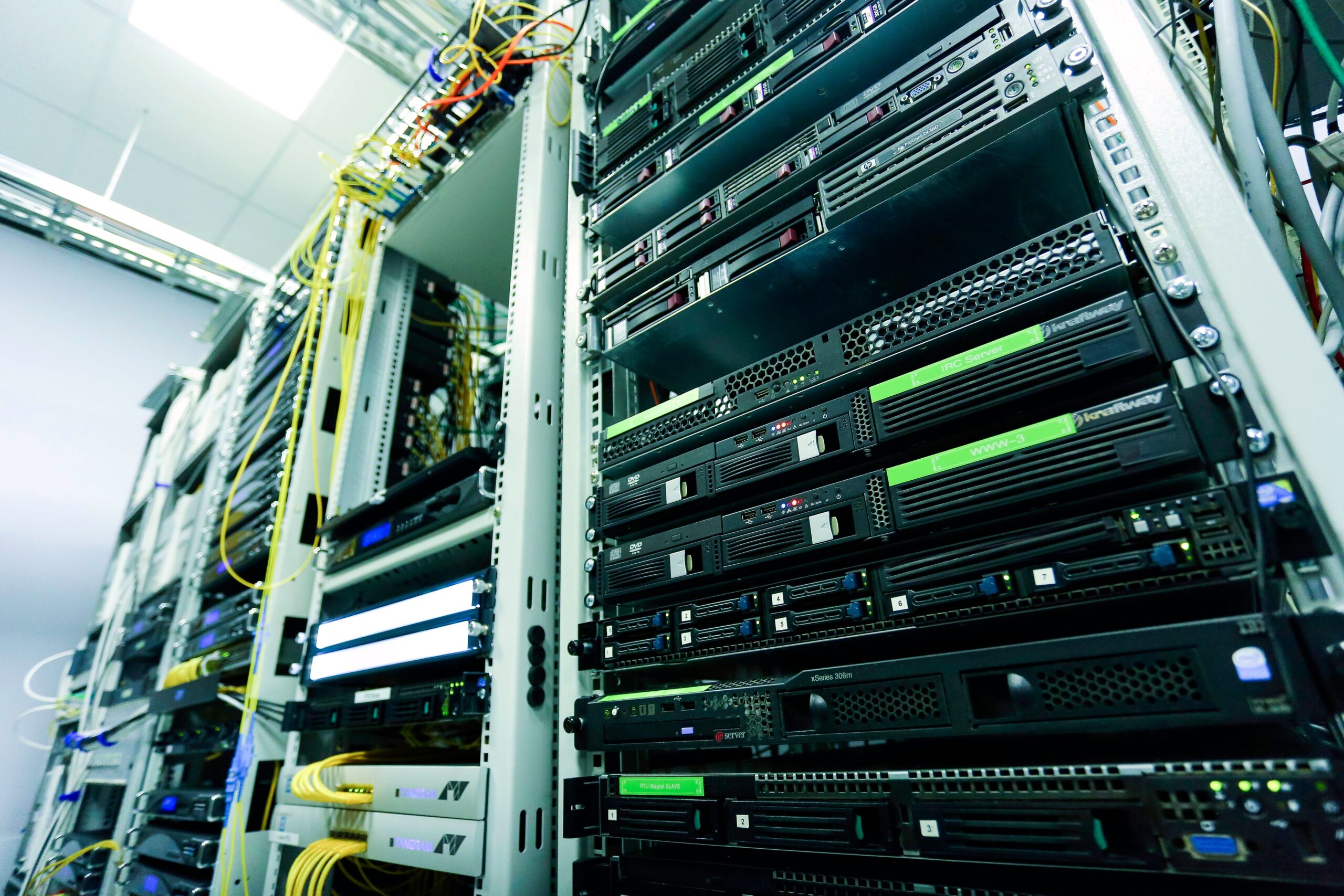
Power Cooling Firms are seeing growing demand as technology companies race to build large data centers for AI workloads. These facilities need enormous amounts of electricity and advanced cooling systems to keep powerful computers running safely.
Nvidia has received much of the attention from the AI infrastructure boom. However, the latest developments show that the companies providing the basic infrastructure behind data centers are also becoming increasingly important.
Reuters reported that companies including South Korea’s HD Hyundai Electric, China’s Hainan Jinpan Smart Technology and Taiwan’s Delta Electronics are benefiting from rising demand for data-center power and cooling equipment.
At the same time, global investment in data centers is expected to reach an enormous scale.
McKinsey estimates that nearly $7 trillion in capital spending could be required worldwide by 2030 to meet growing data-center demand.
This creates a major opportunity for Power Cooling Firms.
Why Data Centers Need So Much Power
Modern AI systems require huge amounts of computing power.
Large language models, AI assistants and other advanced applications need powerful processors that can process large amounts of information. As companies develop larger AI systems, they also need more servers.
Those servers consume electricity.
Therefore, every new AI data center creates demand for electricity infrastructure. This includes transformers, power distribution systems, backup equipment and other hardware.
That is where Power Cooling Firms become important.
A data center cannot simply connect thousands of powerful servers to a normal electricity system. It needs specialized equipment capable of handling high power loads while maintaining stable and reliable operations.
As AI data centers become larger, these requirements become even more important.
Cooling Is Becoming a Major Challenge
Power is only one side of the problem.
The other major issue is heat.
AI processors can generate significant amounts of heat when they operate at high capacity. If that heat is not removed efficiently, servers can slow down or suffer damage.
This has created strong demand for advanced cooling technology.
The International Energy Agency says cooling and environmental-control systems can account for roughly 7% of electricity use in efficient hyperscale data centers and more than 30% in less-efficient enterprise facilities.
This explains why Power Cooling Firms are becoming a more important part of the AI supply chain.
Traditional air cooling may not always be enough for the highest-density AI systems.
As a result, data-center operators are increasingly looking at liquid cooling and other advanced solutions.
Liquid Cooling Gains Attention
Liquid cooling is one of the biggest technology changes happening inside modern data centers.
Instead of depending mainly on air to remove heat, liquid cooling can move heat away from high-performance processors more efficiently.
This can become especially useful when large numbers of AI processors are placed close together.
The growth of liquid cooling creates another opportunity for Power Cooling Firms.
Companies developing cooling systems can benefit as data-center operators search for ways to support higher computing density without allowing temperatures to rise too far.
However, liquid cooling also creates new engineering challenges.
Systems must be designed carefully to prevent leaks and maintain reliability. Water use can also become an important issue in some locations.
Therefore, the future of data-center cooling will likely involve a mix of technologies rather than one single solution.
The Trillion-Dollar Data Center Opportunity
The scale of the data-center buildout is one of the most important parts of the story.
McKinsey estimates that global data centers could require nearly $7 trillion in capital expenditure by 2030.
This is much larger than a typical technology investment cycle.
The spending includes the construction of facilities, computing equipment, power infrastructure, networking systems, cooling equipment and other supporting technologies.
That means Power Cooling Firms could participate in a large portion of the investment cycle.
They may not receive the same attention as AI chipmakers, but their products are essential for data centers to operate.
The AI economy cannot grow without the physical infrastructure that supports it.
HD Hyundai Electric Sees Strong Demand
South Korea’s HD Hyundai Electric is one of the companies benefiting from this trend.
The company is involved in electrical equipment used to support power infrastructure.
According to Reuters, the company has seen strong demand connected to the expansion of AI data centers.
This reflects a broader change in the technology supply chain.
For years, investors often focused on processors and software when thinking about technology growth.
Now, transformers and electrical systems are receiving more attention because new data centers cannot operate without them.
This is one reason Power Cooling Firms have become increasingly interesting to investors.
Delta Electronics Benefits From Data Center Demand
Taiwan’s Delta Electronics is another company benefiting from the data-center expansion.
The company has a broad range of power and thermal-management products.
Its role shows how the AI boom is creating demand for companies that specialize in keeping electronic systems powered and cool.
As AI computing becomes more powerful, efficiency becomes increasingly important.
Data centers need to deliver high computing performance while managing electricity consumption and heat.
Therefore, Power Cooling Firms that can offer efficient systems could have an advantage.
Hainan Jinpan Also Sees Opportunity
China’s Hainan Jinpan Smart Technology is another company mentioned in the Reuters report.
The company is benefiting from demand for electrical equipment as data-center construction expands.
This shows that the opportunity is not limited to one country.
Data centers are being built across North America, Europe, Asia and the Middle East.
As a result, the demand for power infrastructure is becoming global.
For Power Cooling Firms, this could create opportunities in multiple markets at the same time.
North America Remains a Major Market
North America is one of the most important regions for the current data-center boom.
Major technology companies are investing heavily in new computing infrastructure.
The United States is also seeing strong demand for electricity from data centers.
That creates opportunities for companies providing transformers, switchgear, cooling systems, backup power and other equipment.
However, the growth also creates pressure on local power grids.
Some areas need new transmission infrastructure before they can support large data-center projects.
Therefore, Power Cooling Firms are benefiting not only from data-center construction but also from the broader need to upgrade electricity infrastructure.
Europe and the Middle East Are Also Growing
The data-center boom is not limited to the United States.
Reuters reported that demand for supporting equipment is also strong in Europe and the Middle East.
Different regions have different challenges.
Some markets have limited electricity capacity. Others face water shortages or strict environmental rules.
This means data-center operators need equipment that can work efficiently under local conditions.
Consequently, Power Cooling Firms that can provide flexible and efficient solutions may have a stronger opportunity to win new business.
AI Is Changing Data Center Design
The rise of AI is changing how data centers are designed.
Traditional data centers were often built around general-purpose computing.
AI facilities are different.
They can contain large numbers of high-performance processors that operate at very high power levels.
This increases the importance of power distribution and thermal management.
For Power Cooling Firms, this means customers are increasingly looking for specialized equipment rather than simple standard products.
The shift could also create new opportunities for companies that develop innovative transformers, cooling systems and power-management technology.
Power Availability Is Becoming a Bottleneck
One of the biggest challenges for the data-center industry is finding enough electricity.
A company can have land and financing for a new data center, but the project may still be delayed if sufficient grid capacity is unavailable.
This makes access to electricity a major competitive factor.
As a result, Power Cooling Firms are operating in a market where demand is being supported by a real physical limitation.
The more data centers companies want to build, the more electrical infrastructure they need.
Utilities and technology companies are therefore exploring new ways to provide reliable power.
These efforts can create additional demand for specialized equipment.
Cooling Efficiency Can Lower Costs
Cooling is not just a technical issue.
It is also a business issue.
Data centers operate continuously. Therefore, even small improvements in cooling efficiency can have a meaningful effect on operating costs over time.
This gives Power Cooling Firms an opportunity to compete based on efficiency.
A cooling system that uses less electricity while maintaining safe temperatures can become attractive to data-center operators.
Liquid cooling is one example.
Other technologies may also improve thermal performance without requiring excessive energy or water.
The companies that can provide reliable and efficient solutions could benefit as data-center operators become more focused on operating costs.
Environmental Concerns Are Growing
The rapid expansion of data centers also creates environmental questions.
Large facilities can require significant electricity and, depending on their cooling systems, substantial amounts of water.
That has led to increasing attention from communities, regulators and investors.
The International Energy Agency has highlighted the energy needs of data centers and the growing importance of cooling efficiency.
For Power Cooling Firms, this creates both a challenge and an opportunity.
Companies can benefit if they develop systems that use less electricity and water.
Efficient infrastructure could help data-center operators manage costs while also addressing environmental concerns.
Investors Are Watching These Companies
The strong demand has attracted investor interest in Power Cooling Firms.
Some companies involved in power equipment and cooling have seen major increases in orders and backlogs.
However, strong business demand does not automatically mean that every stock will continue rising.
Some companies have already experienced large gains.
Reuters noted that investor caution is increasing because of high valuations, competition and possible supply-chain limitations.
Therefore, investors need to look beyond headlines.
They may want to consider revenue growth, order backlogs, profit margins, production capacity and future demand.
Supply Chain Challenges Remain
The data-center boom is also putting pressure on manufacturers.
If demand rises faster than production capacity, customers may face longer delivery times.
Transformers, electrical equipment and specialized cooling systems can require significant manufacturing resources.
This creates an interesting situation for Power Cooling Firms.
Strong demand is positive, but companies also need to expand production without losing quality.
Supply-chain disruptions could limit how quickly they can benefit from new orders.
Therefore, execution will remain important.
Competition Could Increase
The current opportunity is attracting more companies.
As data-center spending increases, established industrial companies may expand their offerings.
New companies could also enter specialized parts of the cooling and power-management market.
This could create greater competition among Power Cooling Firms.
Companies with strong technology, manufacturing capacity and established customer relationships may be better positioned.
However, no business is guaranteed to benefit permanently.
Technology can change quickly.
Cooling methods that are popular today could eventually be replaced or improved by newer solutions.
AI Infrastructure Is More Than Chips
One of the biggest lessons from the current boom is that AI infrastructure is much larger than processors.
AI models need chips.
But those chips need servers.
Servers need electricity.
They also need cooling, networking and storage.
This creates a long supply chain.
The growth of Power Cooling Firms shows that companies further down this chain can also benefit from AI investment.
This is important because it gives investors and businesses a broader view of the AI economy.
The companies building the physical foundation of AI may remain important even as individual AI applications change.
Key Data Center Boom Facts
| Area | Key Detail |
|---|---|
| Global Data Center Investment | Nearly $7 trillion projected through 2030 |
| Main Growth Driver | Artificial intelligence |
| Major Infrastructure Need | Electricity |
| Another Critical Need | Cooling |
| Cooling Technology | Liquid cooling is gaining importance |
| Major Markets | North America, Europe and Middle East |
| Key Equipment | Transformers, power systems and cooling equipment |
| Main Challenge | Power availability and infrastructure |
| Other Challenge | Supply-chain capacity |
| Investor Risk | High valuations and competition |
What Comes Next for Power Cooling Firms?
The outlook for Power Cooling Firms will depend heavily on the pace of AI infrastructure investment.
If technology companies continue building large data centers, demand for power and cooling equipment could remain strong.
However, the market will not be completely free of risks.
AI investment could slow if economic conditions change. Data-center projects could also face delays because of electricity shortages, permits, land issues or financing costs.
Even so, the underlying need for infrastructure is difficult to ignore.
AI systems cannot operate without physical data centers.
Therefore, the companies providing electricity and cooling solutions are likely to remain an important part of the technology supply chain.
Why Efficiency Will Matter More
The next stage of the data-center boom may focus more strongly on efficiency.
Companies will want to process more information without allowing electricity and cooling costs to rise too quickly.
This could increase demand for advanced power-management systems.
It could also accelerate the use of liquid cooling and other thermal technologies.
For Power Cooling Firms, this means innovation could become one of the most important ways to compete.
Companies that can improve efficiency while maintaining reliability may be well positioned as data centers become larger and more complex.
The Bigger Business Picture
The rise of Power Cooling Firms shows how the AI revolution is spreading into traditional industrial sectors.
Companies that manufacture electrical equipment may not look like typical AI businesses.
Yet their products are becoming essential to the AI economy.
This trend could continue as cloud providers, technology companies and other businesses invest in computing infrastructure.
The result is a wider AI ecosystem that includes semiconductor companies, server manufacturers, power suppliers, cooling companies, construction firms and utilities.
Each part has a role.
Conclusion
The rise of Power Cooling Firms is becoming one of the most interesting developments in the global AI infrastructure market.
While companies such as Nvidia remain major names in the AI boom, the rapid construction of data centers is creating opportunities for businesses that provide the electricity and cooling systems needed to operate these facilities.
The potential scale is enormous. McKinsey estimates that nearly $7 trillion in global data-center capital spending could be required by 2030.
At the same time, data centers are becoming more power-intensive and heat-intensive. This makes reliable electricity infrastructure and efficient cooling increasingly important.
However, investors should also remain careful. Strong demand can bring competition, high valuations and supply-chain challenges.
For now, though, the message from the market is clear.
The AI economy needs much more than powerful chips. It needs power, cooling and reliable infrastructure.
That is why Power Cooling Firms are becoming an increasingly important part of the data-center story. As AI continues to develop, these companies could play a valuable role in building the physical foundation that allows the technology to grow.
Sources
Reuters — Report on power and cooling companies benefiting from the trillion-dollar data-center boom.
McKinsey & Company — Research on the global capital spending required for data centers through 2030.
International Energy Agency (IEA) — Research on energy demand and cooling requirements in data centers.
