

Bill Gates AI Warning: Stark New Alert About Social and Economic Upheaval
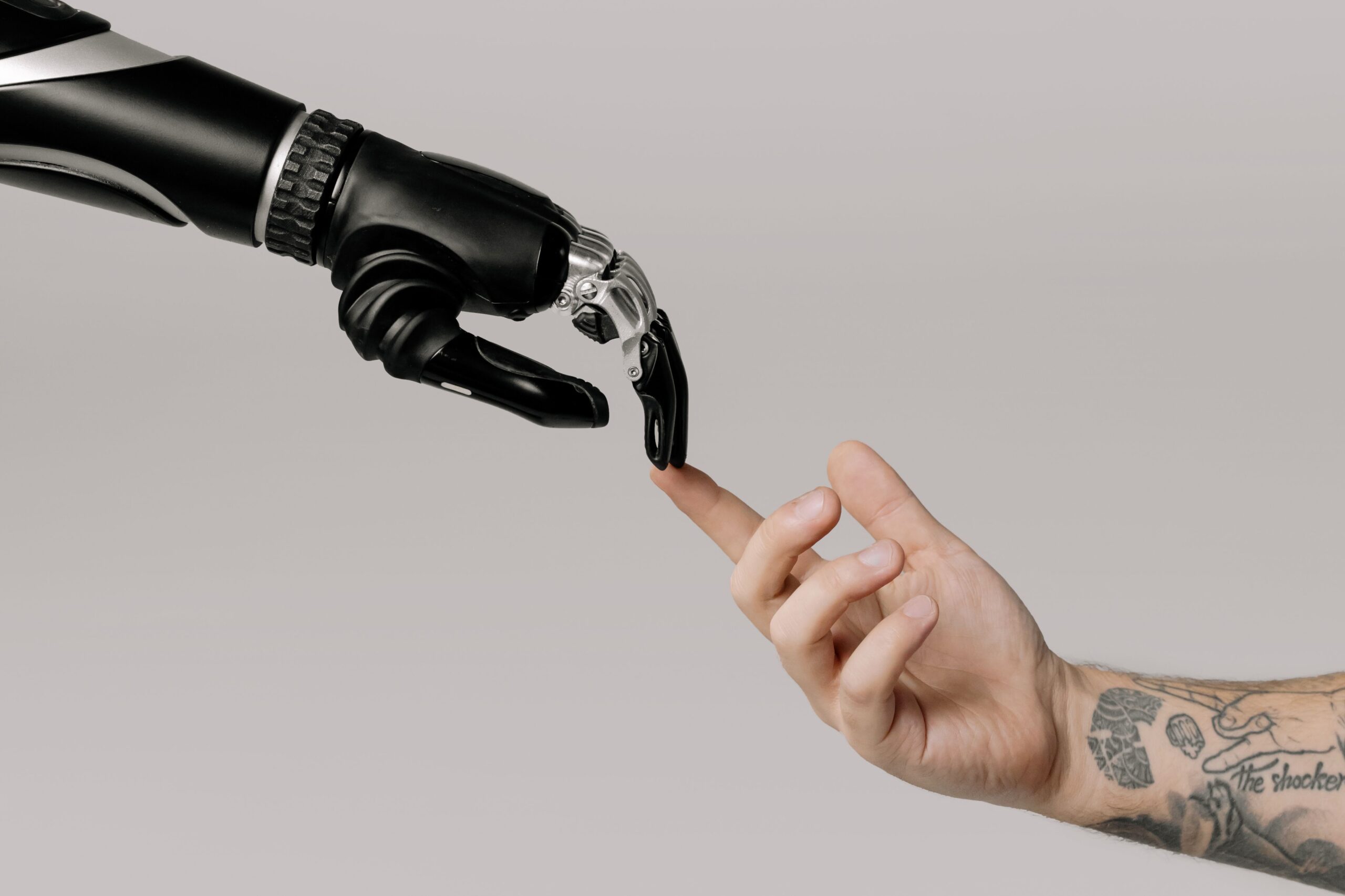
Bill Gates AI warning has drawn fresh attention after the Microsoft co-founder published a major essay about the fast-moving AI transition. His message is not that artificial intelligence should be stopped. The Bill Gates AI warning instead asks society to prepare carefully. He says governments, businesses, workers and communities need to prepare for a period of major change before the pressure becomes harder to manage.
The Bill Gates AI warning comes at a time when AI tools are moving from simple assistants to systems that can handle more complex tasks. Gates argues that this change could affect both office jobs and physical work. He believes the transition may happen faster than earlier technology shifts, making preparation especially important.
Gates said the Bill Gates AI warning reflects a situation where the benefits and problems of AI are arriving at the same time. On one side, AI could help improve health care, education, agriculture, energy and scientific research. On the other side, it could reduce demand for some jobs, increase online risks and create new social challenges. His main concern is how society manages that balance.
Why the Bill Gates AI warning matters for workers
One of the strongest parts of Gates’s argument is about employment. He believes many jobs could disappear permanently as AI systems become more capable. Entry-level and mid-level roles may face particular pressure because companies can use AI to complete tasks that once required large teams of people.
Gates points to areas such as customer service, sales, software work and legal support as examples of fields that could change quickly. He also expects the effect to spread into physical jobs as robots become cheaper and more capable.
The Bill Gates AI warning is especially important for young workers entering the job market. If companies need fewer entry-level employees, young people could have fewer chances to gain their first experience. Gates says this could create a difficult cycle in which workers have to retrain and move between jobs while the technology continues to improve.
This does not mean every job will disappear. The Bill Gates AI warning is about managing change, not declaring that work has no future. New roles will also be created, and some existing jobs may become more productive with AI. However, Gates argues that the number and type of new jobs may not match the roles that are lost. That difference is one reason he wants governments to act before large-scale disruption becomes a crisis.
AI could change blue-collar work too
Much of the public discussion about AI has focused on office workers, which is another reason the Bill Gates AI warning has attracted attention. However, Gates says the next stage could reach people who work with their hands. Better robots could eventually compete with humans in construction, hospitality and other physical tasks.
The Bill Gates AI warning therefore goes beyond software and office automation. AI combined with robotics could change how factories, warehouses, hotels and construction sites operate. Businesses may have strong financial reasons to adopt machines if they can reduce costs or increase output.
That could create benefits for consumers through lower prices and faster services. Yet it could also create pressure on workers and communities that depend on certain industries. Gates believes this is why the economic transition needs to be planned rather than treated as a problem that can be solved after people lose their jobs.
The social side of the AI transition
Employment is not only about income. A job can also provide routine, confidence, social connection and a sense of purpose. The Bill Gates AI warning highlights the wider effects that could follow if large numbers of people struggle to find stable work.
Gates is concerned that communities with fewer good jobs could face deeper social pressure. He argues that governments should consider stronger safety nets and retraining programs so people can adjust without being left behind.
At the same time, Gates does not suggest that society should fear every new technology. He says AI can create major benefits if those benefits are shared widely. His focus is on making sure that productivity gains do not leave workers and communities carrying most of the costs.
Gates proposes a stronger public role
Another important part of the Bill Gates AI warning is his call for new systems to manage the transition. Gates says current government institutions were not designed for a technology that can affect employment, education, national security, health, energy and many other areas at once.
He wants national governments to bring together economists, technology experts, labor specialists, business leaders and workers. The goal would be to identify risks early and decide which rules or institutions are needed.
Gates also argues that AI risks cannot be handled by one country alone. Cybersecurity threats, misinformation and other problems can cross borders quickly. For that reason, he supports international cooperation and believes major AI-producing countries will need shared standards.
The idea of human-reserved jobs
One of the more unusual ideas in the Bill Gates AI warning is the concept of “Human Reserved” jobs. Gates believes society may decide that certain roles should remain primarily or completely human, even when machines are technically capable of doing them.
He uses health care as an example. A machine might eventually be able to deliver difficult medical information, but Gates believes there can be a strong human reason for keeping a person involved. Care, empathy and trust are difficult to measure, yet they can matter greatly in sensitive situations.
Education and mental health support could also remain areas where humans have an important role. AI may help professionals work faster, but Gates suggests that humans should continue to make important decisions and maintain direct relationships.
A possible tax on AI and robots
The Bill Gates AI warning also revisits an idea he has discussed before: changing the tax system as automation grows. He suggests that governments could consider taxes related to AI use or robots, with revenue used to support retraining and social programs.
The Bill Gates AI warning connects this idea to a basic economic concern. Employers often pay taxes when they hire people, while machines can be treated differently under existing rules. Gates argues that this can create an incentive to replace human labor more quickly.
Gates sees the proposal as one possible way to fund support for workers affected by automation. Policymakers would still need to decide which AI uses should be included and how to avoid slowing down useful innovation.
AI also brings major benefits
Although the Bill Gates AI warning focuses heavily on risks, Gates also stresses that AI could become a powerful tool for improving lives. He points to medical research, agriculture, education and clean energy as areas where AI could help solve difficult problems.
In health care, AI could help doctors analyze information and identify serious conditions more quickly. In agriculture, AI could give farmers better advice about weather, crops, soil and disease. In education, it could help teachers understand where students need support and give learners more personalized assistance.
Gates also believes AI could help researchers work faster on problems such as disease, clean energy and food production. Smaller organizations could gain access to capabilities that previously required large research teams.
This positive side is important because the Bill Gates AI warning is not an argument against progress. Gates says society should focus on getting the benefits while reducing the harms. In his view, public trust will be easier to build if people see AI improving everyday life rather than only threatening their jobs.
Concerns about children and AI companions
Gates also raises concerns about how AI could affect young people. AI companions can be available at any time and can respond in ways that feel comfortable to the user. Gates worries that heavy dependence on such systems could reduce opportunities for young people to develop communication skills through real relationships.
The Bill Gates AI warning also touches on education and critical thinking. AI can explain difficult subjects, but students may become too dependent on quick answers if they stop doing the mental work themselves.
That is why Gates believes the use of AI in schools needs careful planning. Teachers and parents will likely remain important in deciding when AI is useful and when students should work without it.
Security risks are another concern
Gates also warns that AI could make certain harmful activities easier, a point repeated in the Bill Gates AI warning. Criminals could use powerful tools for fraud, misinformation or cyberattacks. He says the same technology that helps a security team find a weakness could potentially help an attacker exploit it.
The Bill Gates AI warning therefore includes national and international security concerns. Hospitals, financial institutions, power systems and other important services could become targets if attackers gain better AI tools.
At the same time, AI can strengthen defenses. Security teams can use AI to detect unusual activity and respond faster. The challenge is staying ahead of people who may use the technology for harmful purposes. Gates has also called for stronger international cooperation to manage these risks.
What governments and businesses can do now
The Bill Gates AI warning suggests that preparation should begin before the biggest changes arrive. Governments can invest in education, retraining and worker support. Businesses can provide training and give employees opportunities to learn new skills instead of treating automation only as a way to cut costs.
Schools and colleges can also focus more on skills that remain useful when technology changes quickly. Communication, problem-solving, creativity, teamwork and sound judgment may become even more valuable as AI handles more routine tasks.
People who understand both their profession and the technology supporting it may be better prepared for changes in their workplace.
The Bill Gates AI warning also points to the need for public discussion. Decisions about AI should not be made only by technology companies. Workers, educators, families, researchers and community leaders all have a reason to take part.
A transition that needs balance
The Bill Gates AI warning has attracted attention because it comes from someone who has spent much of his life building and promoting technology. His latest message is more cautious than the highly optimistic view often associated with the technology sector.
Still, Gates does not describe the future as hopeless. He sees AI as a tool that could improve health, education, agriculture, energy and scientific research. His concern is that progress without preparation could create avoidable harm.
The Bill Gates AI warning ultimately raises a simple question: how can society make sure that technological progress improves life for a broad range of people? There may not be one easy answer. Different governments, industries and communities will need to consider their own circumstances.
Conclusion
The Bill Gates AI warning should be viewed as a call for preparation rather than a prediction that everyone will lose their job. AI is developing quickly, and its effect will likely vary across industries, countries and individuals. Some roles may shrink, others may change, and new opportunities may appear.
The most constructive response is to keep an open mind while taking reasonable steps to protect people during the transition. Governments can strengthen education and worker support, businesses can invest in training, and communities can have a voice in decisions that affect them.
AI also offers real opportunities to improve health care, education, research and everyday services. With thoughtful rules and responsible use, those benefits can be shared more widely.
The Bill Gates AI warning reminds us that technology itself is neither a complete solution nor a complete problem. What matters is how people choose to develop and use it. A balanced approach can encourage innovation while respecting workers, families and communities. That kind of approach can help make the AI transition more useful, fair and manageable for everyone.
Sources
- Bill Gates — The choices we make about AI now are critical
- Reuters — Bill Gates seeks global cooperation on AI risks and policy
- The Guardian — Bill Gates calls for human-reserved jobs amid AI transition
- Wall Street Journal — Key takeaways from Bill Gates’s AI warning
OpenAI Jalapeño Chip: Powerful New AI Processor Challenges Nvidia’s Cost Advantage
