Emerging Markets Remain Hostage to Semiconductor Swings in South Korea and Taiwan
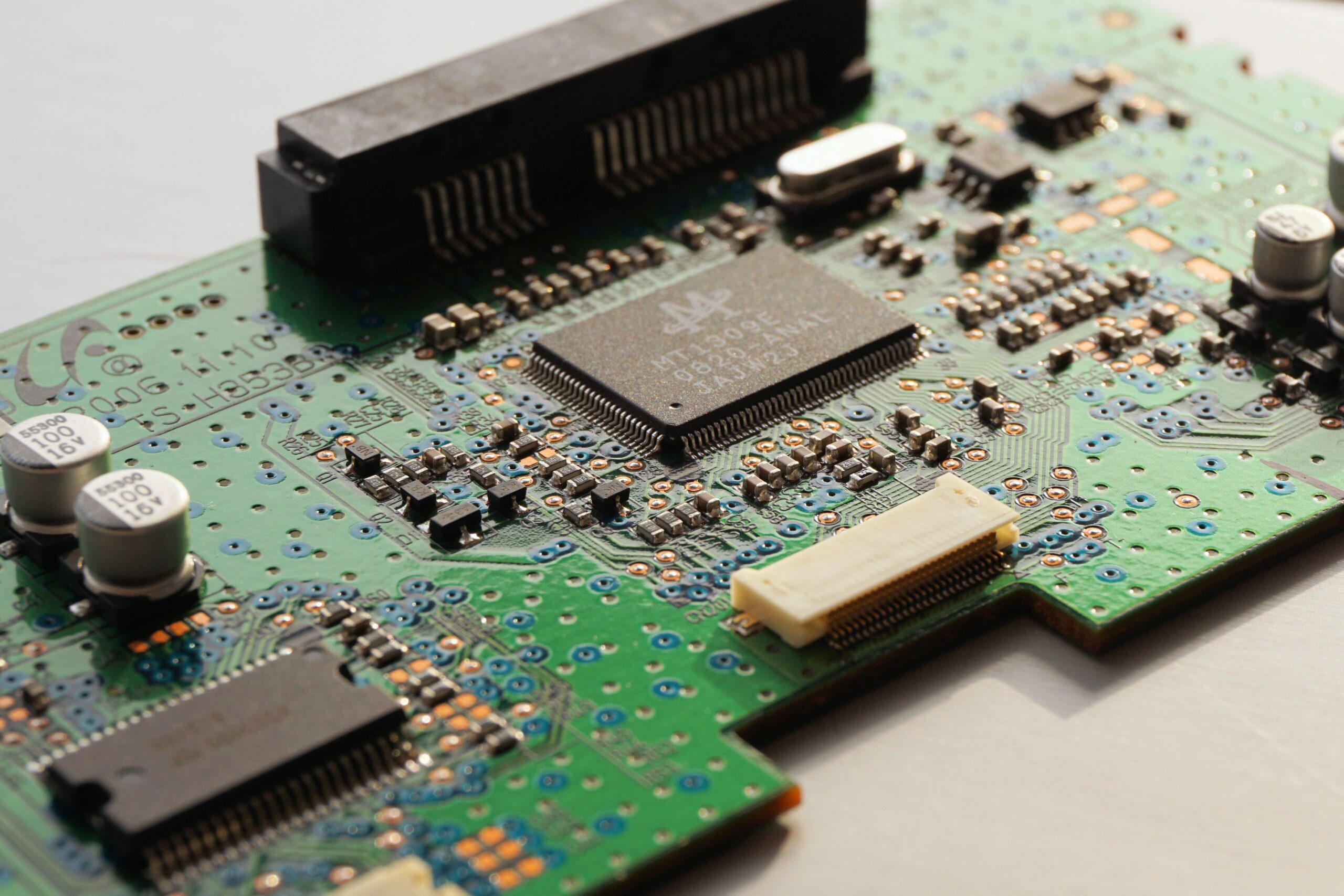
Emerging Markets Semiconductor: Emerging markets are becoming increasingly dependent on the performance of the semiconductor industry in South Korea and Taiwan, as both economies continue to dominate global chip production. Fluctuations in semiconductor demand, artificial intelligence investments, consumer electronics, and global technology spending are now having a significant impact on emerging market stocks, currencies, exports, and economic growth.
South Korea and Taiwan are home to some of the world’s largest semiconductor manufacturers, supplying advanced chips used in smartphones, data centers, automobiles, cloud computing, artificial intelligence, and industrial automation. As global demand for semiconductors rises or falls, emerging markets often experience ripple effects through trade, manufacturing, investment flows, and financial markets.
The growing importance of AI and digital transformation has made semiconductors one of the most strategic industries in the global economy. Consequently, investors are paying closer attention to chip market cycles than ever before.
Semiconductor Industry Drives the Global Economy
Semiconductors have become the backbone of modern technology.
Every major digital device, from smartphones and laptops to electric vehicles and AI servers, depends on advanced semiconductor chips. Businesses also rely on semiconductors for cloud computing, telecommunications, robotics, healthcare equipment, and industrial machinery.
As technology adoption accelerates, global demand for chips continues expanding.
However, semiconductor markets remain cyclical. Periods of strong demand are often followed by slower growth as inventories normalize and customer spending adjusts.
These cycles influence not only technology companies but also national economies that depend heavily on semiconductor exports.
South Korea and Taiwan Lead Global Chip Production
South Korea and Taiwan have established themselves as global leaders in semiconductor manufacturing.
Their advanced fabrication facilities produce many of the world’s most sophisticated processors used by technology companies across every major industry.
Strong government support, continuous research investment, highly skilled workforces, and advanced manufacturing capabilities have allowed both economies to maintain leadership in chip production.
Consequently, developments affecting semiconductor companies in these countries often influence global financial markets.
Investors closely monitor production forecasts, export data, and earnings reports from major chip manufacturers because these indicators frequently signal broader economic trends.
Emerging Markets Depend on Semiconductor Demand
Many emerging market economies rely directly or indirectly on semiconductor demand.
Countries supplying raw materials, electronic components, manufacturing equipment, logistics services, and industrial products benefit when chip production expands.
Likewise, rising semiconductor exports contribute to stronger international trade, improved industrial activity, and increased foreign investment.
However, weaker semiconductor demand can reduce exports, slow manufacturing growth, and weaken investor confidence across developing economies.
As a result, emerging markets have become increasingly sensitive to changes in the semiconductor industry.
Artificial Intelligence Fuels Chip Demand
Artificial intelligence has transformed the semiconductor industry.
Training advanced AI models requires enormous computing power supported by specialized processors capable of handling complex calculations.
Cloud service providers, enterprise software companies, research organizations, and technology firms continue investing billions of dollars in AI infrastructure.
Consequently, demand for high-performance semiconductors has increased significantly.
This AI-driven investment cycle has benefited semiconductor manufacturers in South Korea and Taiwan while supporting technology-related exports across Asia.
Many analysts believe artificial intelligence will remain one of the strongest long-term drivers of semiconductor demand.
Market Cycles Create Volatility
Despite strong long-term prospects, semiconductor markets experience regular periods of volatility.
Demand for consumer electronics, enterprise hardware, and industrial equipment often fluctuates with economic conditions.
Higher interest rates, slower business investment, or reduced consumer spending may temporarily weaken chip demand.
Conversely, rapid technology adoption can produce periods of exceptional growth.
These changing market conditions influence stock prices, export revenues, manufacturing activity, and business investment throughout emerging economies.
Therefore, investors carefully evaluate semiconductor cycles when assessing broader market opportunities.
Technology Stocks Influence Emerging Market Indices
Technology companies now represent a larger share of many emerging market stock indices.
When semiconductor manufacturers report strong earnings, investor confidence often spreads across broader equity markets.
Technology suppliers, logistics companies, equipment manufacturers, and industrial exporters frequently benefit from positive industry momentum.
However, disappointing semiconductor earnings may produce broader declines throughout emerging market equities.
This growing relationship demonstrates how closely financial markets have become connected through global technology supply chains.
Supply Chains Remain Highly Interconnected
Modern semiconductor production depends upon complex international supply networks.
Raw materials originate in multiple countries before components move through manufacturing facilities across Asia, Europe, and North America.
Finished chips are then integrated into products sold worldwide.
Because every stage depends on efficient coordination, disruptions affecting one part of the supply chain can influence production throughout the industry.
Geopolitical tensions, transportation delays, natural disasters, and trade restrictions all have the potential to affect semiconductor availability.
Consequently, businesses continue diversifying supply chains to improve resilience.
Global Trade Benefits From Strong Chip Exports
Semiconductors represent one of the most valuable traded products in the global economy.
Strong export performance supports economic growth in manufacturing nations while creating demand for shipping, logistics, industrial equipment, and professional services.
Emerging markets participating in these supply chains benefit from expanding international trade.
Additionally, foreign direct investment often increases as multinational companies establish manufacturing facilities near major semiconductor production centers.
These investments contribute to employment, infrastructure development, and technology transfer.
Therefore, healthy semiconductor exports remain important for broader economic development.
Central Banks Monitor Technology Cycles
Central banks increasingly monitor developments within the technology sector because semiconductor production influences inflation, exports, industrial output, and economic growth.
Strong chip demand often supports manufacturing activity and business investment.
Conversely, declining semiconductor production may weaken exports and reduce industrial momentum.
Economic policymakers therefore evaluate technology trends alongside traditional indicators such as inflation, employment, and consumer spending.
Understanding semiconductor cycles has become increasingly important for forecasting broader economic performance.
Investors Watch Corporate Earnings Closely
Corporate earnings from major semiconductor manufacturers frequently influence global market sentiment.
Positive earnings reports suggest healthy demand for AI infrastructure, cloud computing, smartphones, automotive electronics, and enterprise technology.
These results often encourage investors to increase exposure to technology-related assets.
On the other hand, weaker earnings guidance may raise concerns regarding slowing business investment or reduced consumer demand.
Consequently, semiconductor earnings seasons receive considerable attention from financial markets worldwide.
Geopolitical Risks Add Uncertainty
Geopolitical developments continue affecting semiconductor markets.
Trade policies, export controls, regional security concerns, and international diplomatic relations all influence technology supply chains.
Because semiconductor manufacturing has become strategically important for national security and economic competitiveness, governments increasingly support domestic production initiatives.
At the same time, businesses seek greater geographic diversification to reduce operational risks.
Although these efforts improve resilience, geopolitical uncertainty remains an important consideration for investors.
Emerging Markets Face Both Risks and Opportunities
Emerging economies benefit significantly during periods of strong semiconductor demand.
Higher exports, increased manufacturing activity, stronger employment, and greater foreign investment support long-term economic growth.
However, dependence on technology cycles also creates vulnerabilities.
Sharp declines in semiconductor demand can quickly affect industrial production, trade balances, and investor confidence.
Therefore, many emerging economies are working to diversify their industrial bases while continuing to participate in the expanding global technology ecosystem.
Balanced economic development may reduce future exposure to industry-specific downturns.
Future Outlook for the Semiconductor Industry
Most analysts remain optimistic regarding the semiconductor industry’s long-term prospects.
Artificial intelligence, electric vehicles, cloud computing, autonomous systems, 5G networks, industrial automation, and smart devices are expected to generate sustained demand for advanced chips.
South Korea and Taiwan are likely to remain central players in semiconductor manufacturing due to their technological leadership and production capabilities.
Meanwhile, emerging markets connected to global supply chains are expected to benefit from continued investment in digital infrastructure and advanced manufacturing.
Although periodic market corrections remain inevitable, long-term structural demand appears strong.
Conclusion
The growing influence of South Korea and Taiwan’s semiconductor industries has made emerging markets increasingly sensitive to fluctuations in global chip demand. As semiconductors power artificial intelligence, cloud computing, consumer electronics, and advanced manufacturing, changes in production cycles now affect trade, investment, stock markets, and economic growth across developing economies. While this dependence creates opportunities during periods of strong demand, it also exposes emerging markets to greater volatility when semiconductor cycles weaken.
Looking ahead, the continued expansion of AI, digital transformation, and advanced technology is expected to support long-term semiconductor growth. However, investors, businesses, and policymakers will continue monitoring industry trends, geopolitical developments, and global demand to navigate potential risks. Emerging markets that strengthen economic diversification while remaining integrated into the global semiconductor ecosystem are likely to be better positioned for sustainable growth in the years ahead.