Brent Crude Prices Plunge 5% as Middle East Tensions Subside, Easing Global Energy Concerns
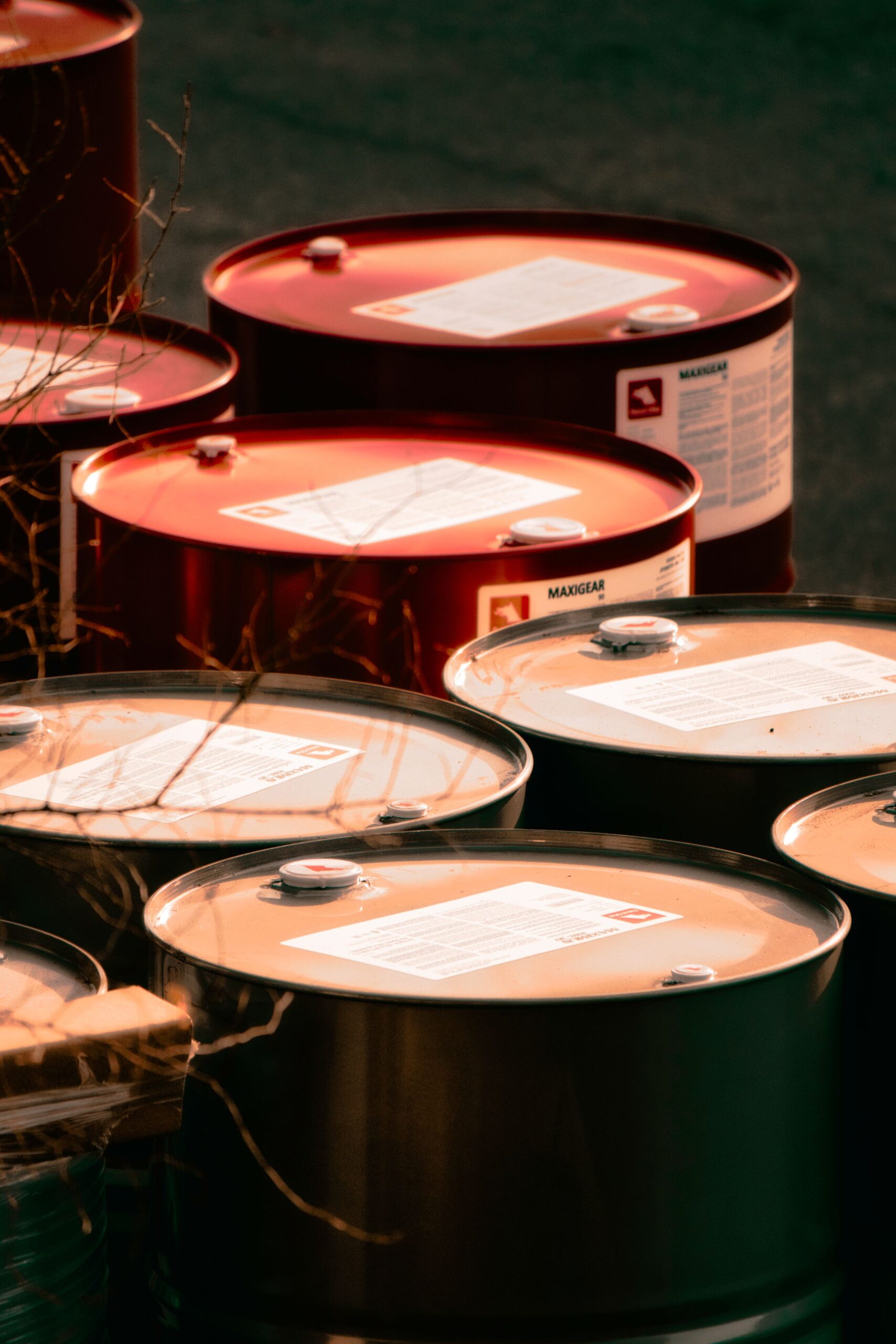
Brent crude prices dropped nearly 5% after geopolitical tensions in the Middle East showed signs of easing, bringing relief to global energy markets. The sharp decline came as investors reduced concerns over possible disruptions to oil supplies from one of the world’s most important energy-producing regions. Consequently, financial markets responded positively, while industries dependent on fuel welcomed the fall in crude oil prices. Analysts believe the latest decline reflects improving investor confidence, although they continue to monitor geopolitical developments closely.
The Middle East plays a critical role in global oil production and exports. Therefore, even minor political or military tensions can quickly influence energy prices worldwide. However, as diplomatic efforts gained momentum and immediate security concerns weakened, traders shifted their focus back to global supply and demand fundamentals.
Brent Crude Prices Plunge 5%: Global crude oil benchmarks tumbled on Monday, August 3, 2026, recording their sharpest single-day decline in months. Brent crude futures fell by 5.2%, dropping to $74.80 per barrel, while the U.S. West Texas Intermediate (WTI) crude slid 5.5% to settle at $70.50 per barrel.
The aggressive sell-off follows a weekend of intensive, high-level diplomatic breakthroughs in the Middle East. The sudden reduction in regional friction has completely erased the geopolitical risk premium that had pushed oil prices near the $85 mark just two weeks ago. Traders are now rapidly shifting their focus away from supply disruptions and back toward softening global economic demand.
Why Brent Crude Prices Fell Sharply
Oil prices often react immediately to geopolitical events because investors fear supply interruptions. Earlier, concerns about escalating tensions had pushed Brent crude higher as markets anticipated possible disruptions to shipping routes and production facilities.
However, recent developments suggested that the immediate risk had declined. As a result, traders began selling oil contracts, leading to a significant fall in Brent crude prices.
Moreover, energy analysts noted that global oil production remains relatively stable. Several major producers continue to maintain healthy output levels, which further reduced fears of an immediate supply shortage.
Consequently, the combination of easing geopolitical concerns and steady production encouraged investors to reassess their earlier expectations.
Middle East Remains Vital to Global Oil Supply
The Middle East accounts for a substantial share of global crude oil production and exports. Countries such as Saudi Arabia, Iraq, the United Arab Emirates, Kuwait, and Iran collectively supply millions of barrels of oil every day.
Furthermore, major shipping routes including the Strait of Hormuz remain essential for transporting crude oil to international markets. Any disruption in this region can significantly affect global energy prices.
Fortunately, recent diplomatic signals have lowered concerns regarding shipping security and regional stability. Therefore, market participants have become more optimistic about uninterrupted oil flows.
Immediate Market Reaction
Financial markets welcomed the decline in oil prices. Stock markets across Asia, Europe, and North America recorded gains as investors viewed lower energy costs as positive for economic growth.
Meanwhile, airline companies, transportation firms, logistics providers, and manufacturing businesses experienced stronger investor confidence because lower fuel expenses can improve profitability.
In addition, inflation-sensitive sectors reacted positively since declining crude prices may help reduce future energy costs for consumers and businesses alike.
Currency markets also remained relatively stable as investors adjusted their expectations regarding inflation and central bank policies.
Diplomatic Breakthroughs Secure Key Shipping Lanes
The primary driver behind the 5% drop was a series of successful diplomatic negotiations over the weekend. Major Middle Eastern producers, backed by international mediators, agreed to a comprehensive security framework. This framework guarantees the unhindered flow of oil tankers through critical maritime choke points, including the Strait of Hormuz and the Bab al-Mandab strait.
For months, insurance premiums for oil supertankers had skyrocketed due to the threat of drone strikes and regional blockades. With formal security guarantees now in place, maritime insurance rates plummeted by nearly 30% overnight, lowering the baseline cost of transporting crude across the globe.
Market Fundamentals Take Center Stage
With the geopolitical panic fading, energy traders are refocusing on raw supply and demand fundamentals, which paint a bearish picture for oil prices through the second half of 2026.
Softening Global Demand
Data from major global economies continue to signal a slowdown in crude consumption:
- Refinery Margins: Major Asian refining hubs report multi-month lows in processing margins, indicating weak industrial fuel demand.
- Electric Vehicle (EV) Adoption: The rapid rise of EV market share globally is structurally eroding commercial gasoline and diesel demand.
- Manufacturing Slowdowns: Global purchasing managers’ indexes (PMIs) show contractionary trends, leading to less freight transport consumption.
Impact on Global Inflation
Energy prices remain one of the most important drivers of inflation worldwide. Higher oil prices typically increase transportation, manufacturing, and production costs, which eventually raise consumer prices.
Therefore, the recent fall in Brent crude offers encouraging news for policymakers attempting to control inflation.
Lower crude prices could gradually reduce gasoline, diesel, aviation fuel, and shipping costs. Consequently, businesses may experience reduced operating expenses while consumers could benefit from lower energy bills.
However, economists caution that the overall impact will depend on whether oil prices remain stable over the coming weeks.
Rising Non-OPEC+ Supply
While OPEC+ has extended its voluntary supply cuts to defend prices, non-OPEC+ nations are pumping crude at record rates. Total oil production in the United States, Brazil, and Guyana has hit an all-time high in 2026. This surge in Western Hemisphere output has effectively created a supply cushion, leaving the market highly vulnerable to sharp price drops the moment geopolitical risks subside.
Relief for Central Banks and Inflation
The 5% plunge in Brent crude is welcome news for global central banks, including the U.S. Federal Reserve and the European Central Bank. Energy prices have been a stubborn driver of sticky headline inflation throughout early 2026.
A sustained drop below $75 per barrel reduces input costs across manufacturing, agriculture, and logistics. This provides central banks with the necessary macroeconomic breathing room to consider further interest rate cuts to stimulate economic growth.
Lower Prices at the Pump
Retail consumers will see a direct benefit from this commodity drop within the next 10 to 14 days. Wholesale gasoline and heating oil futures tumbled in tandem with crude on Monday. Financial analysts estimate that if Brent crude stabilizes in the mid-$70s, average retail gasoline prices in North America and Europe could drop by 15 to 20 cents per gallon, boosting consumer discretionary spending ahead of the autumn season.
Benefits for Consumers
Consumers may benefit significantly if lower crude prices continue. Fuel prices at petrol stations generally follow movements in international oil markets, although adjustments often occur with a slight delay.
Additionally, transportation costs for goods may decline, helping retailers manage expenses more efficiently. As a result, prices for food, household products, and other essential goods could stabilize.
Furthermore, lower energy costs leave consumers with greater disposable income, which can encourage higher spending across various sectors of the economy.
Challenges for Oil-Producing Countries
While lower oil prices benefit consumers and importing nations, they create financial challenges for oil-exporting countries.
Many energy-producing economies rely heavily on oil revenues to fund government budgets, infrastructure projects, and public services.
Therefore, a prolonged decline in crude prices could reduce government income and increase fiscal pressure.
Some producing nations may respond by reviewing production strategies or cooperating through international organizations to maintain market balance.
Oil Companies Face Mixed Outlook
Major international energy companies closely monitor fluctuations in crude prices because revenue depends heavily on market conditions.
Although a temporary decline may not significantly affect large producers, sustained lower prices could reduce profit margins for companies with higher production costs.
On the other hand, industries consuming large amounts of fuel—including airlines, shipping firms, and manufacturing companies—may experience stronger financial performance if energy expenses remain lower.
Therefore, investors continue evaluating which sectors stand to benefit the most from changing oil prices.
How Will OPEC+ Respond?
The sudden price drop places immense pressure on the OPEC+ alliance, led by Saudi Arabia and Russia. The group is scheduled to hold an online Joint Ministerial Monitoring Committee (JMMC) meeting later this month.
- Delaying Production Restorations: OPEC+ had previously planned to gradually roll back some voluntary supply cuts starting next quarter. Analysts now expect the alliance to delay these production increases to prevent oil from crashing below $70.
- Enforcing Strict Quotas: Member nations that have historically overproduced their assigned limits will face intense internal pressure to comply with production caps to defend the group’s price floor.
Global Supply and Demand Remain Key Factors
Despite the latest price decline, analysts emphasize that oil markets remain influenced by several long-term factors.
Global economic growth continues affecting fuel demand. If economic activity strengthens, demand for crude oil may increase again.
Similarly, production decisions by major oil-producing nations will play an essential role in determining future prices.
Additionally, inventory levels, refinery operations, seasonal demand, and transportation activity continue influencing global energy markets.
Consequently, oil prices are likely to remain sensitive to both economic data and geopolitical developments.
Central Banks Welcome Lower Energy Prices
Lower crude oil prices may also support central banks in their efforts to control inflation.
For several years, policymakers have faced persistent inflation driven partly by elevated energy costs. Therefore, easing oil prices could reduce inflationary pressure and improve economic stability.
Moreover, if inflation slows, central banks may gain greater flexibility regarding future interest rate decisions.
Nevertheless, monetary authorities will continue monitoring employment, consumer spending, wage growth, and broader inflation trends before making policy adjustments.
Expert Analysis
Energy market experts believe the recent decline reflects improving confidence rather than weakening global demand.
According to analysts, markets had previously included a significant geopolitical risk premium in oil prices. Now that immediate tensions have eased, much of that premium has disappeared.
However, experts also warn that geopolitical conditions can change rapidly. Therefore, investors should remain cautious because unexpected developments could quickly reverse current price trends.
Furthermore, weather events, production outages, and global economic conditions may continue influencing energy markets throughout the year.
What Investors Should Watch Next
Investors will closely monitor several developments in the coming weeks.
Important factors include:
- Diplomatic developments in the Middle East.
- OPEC and allied producer policy decisions.
- Global crude oil inventory reports.
- Economic growth data from major economies.
- Inflation reports and central bank announcements.
- Global shipping activity and energy demand forecasts.
Each of these indicators could influence future oil prices and overall market sentiment.
Conclusion
The 5% decline in Brent crude prices marks a significant shift in global energy markets as easing Middle East tensions reduce concerns over supply disruptions. Lower oil prices provide welcome relief for consumers, businesses, and governments struggling with inflation and rising energy costs. Moreover, financial markets have responded positively to improving geopolitical conditions and renewed confidence in stable global oil supplies. Nevertheless, the energy market remains highly sensitive to political developments, production decisions, and changing economic conditions. Therefore, investors, policymakers, and businesses will continue monitoring international events closely as they assess whether the current decline in Brent crude prices represents the beginning of a longer-term trend or simply a temporary market adjustment.
US and Japan Launch Massive Joint Currency Market Intervention