US and Japan Execute Joint Intervention to Stabilise Yen Amid Currency Market Volatility
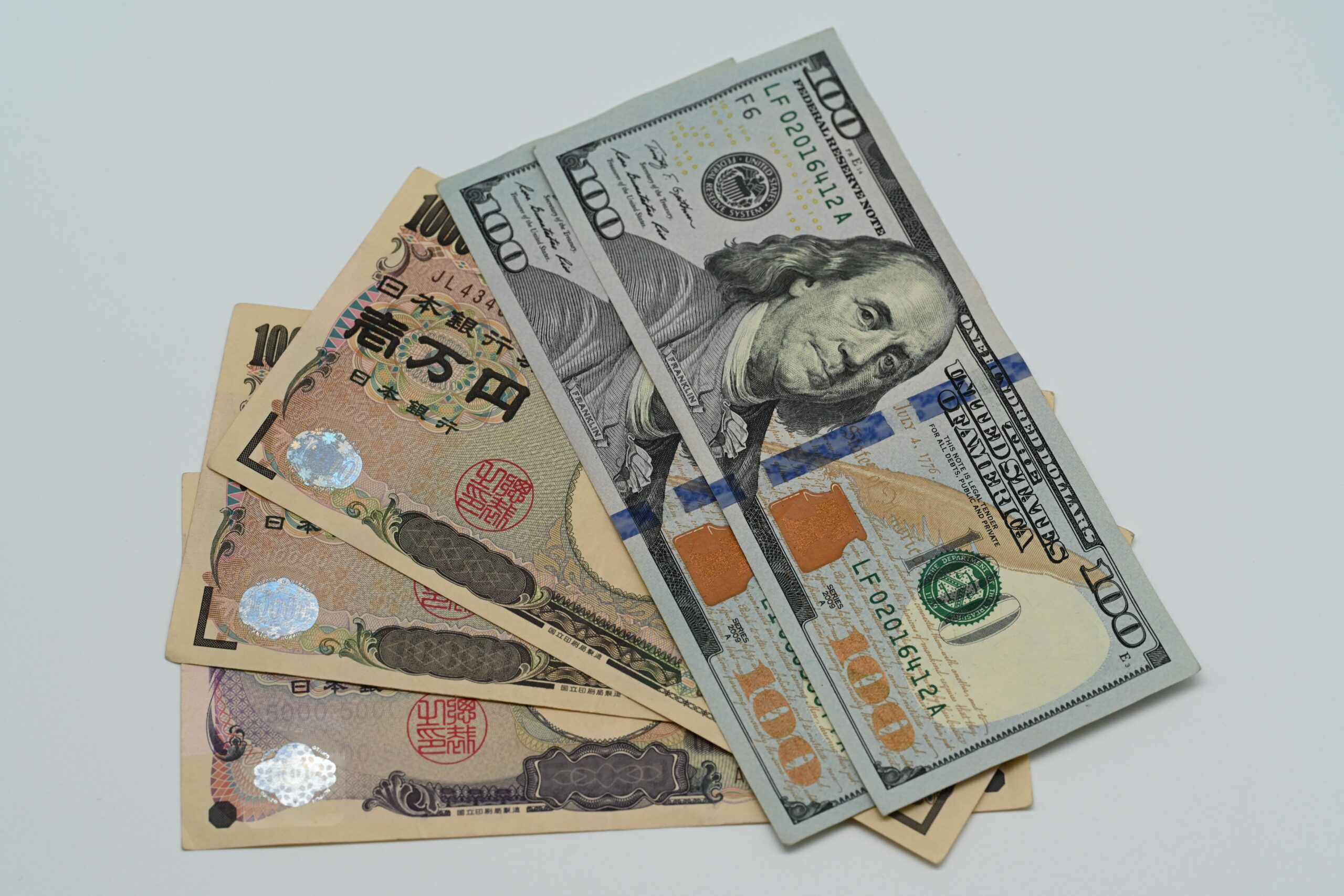
The United States and Japan have taken the rare step of conducting a joint foreign exchange intervention to stabilise the Japanese yen after the currency experienced significant weakness against the US dollar. The coordinated action highlights growing concerns about excessive currency volatility and its potential impact on financial markets, trade, inflation, and global economic stability. The intervention marks one of the few occasions in recent decades where both countries have worked together directly in the foreign exchange market to support the yen. (MarketWatch)
The Japanese yen had fallen to its weakest level in around four decades against the US dollar before the coordinated action. Investors had been selling the yen due to differences in interest rates between Japan and the United States, concerns over Japan’s fiscal outlook, and strong demand for the US dollar. As a result, Japanese authorities sought support from the United States to calm financial markets and discourage speculative currency trading. (Reuters)
Why the Yen Came Under Pressure
The Japanese yen has remained under pressure for an extended period because of the significant gap between Japanese and US interest rates. While the Federal Reserve maintained relatively higher interest rates, the Bank of Japan kept borrowing costs comparatively lower.
Consequently, investors preferred holding US dollar assets that offered higher returns. This encouraged traders to sell the yen and purchase dollars, causing the Japanese currency to weaken steadily.
Moreover, rising oil prices increased Japan’s import costs because the country depends heavily on imported energy. A weaker yen made those imports even more expensive, placing additional pressure on businesses and consumers.
What Is a Joint Currency Intervention?
A joint currency intervention occurs when two or more governments or central banks cooperate to influence exchange rates by buying or selling currencies in the foreign exchange market.
In this case, Japanese authorities purchased yen while selling foreign currencies. Meanwhile, the United States supported the operation through coordinated market action, demonstrating strong cooperation between the two allies. The move was designed to reduce excessive volatility rather than target a permanent exchange rate. (MarketWatch)
Joint interventions are relatively rare because major economies generally allow exchange rates to be determined by market forces. However, governments may intervene when rapid currency movements threaten financial stability or economic growth.
Immediate Market Reaction
Financial markets reacted quickly following news of the coordinated intervention. The Japanese yen strengthened significantly against the US dollar as traders reduced speculative positions.
Additionally, volatility in currency markets declined as investors interpreted the coordinated action as a strong signal that both governments were committed to preventing disorderly market conditions.
Stock markets across Asia also responded positively because a more stable currency environment helps reduce uncertainty for exporters, importers, and multinational companies.
Furthermore, government bond markets experienced increased investor confidence as fears of uncontrolled currency weakness eased.
Why the United States Participated
The participation of the United States attracted considerable attention because Washington rarely joins direct foreign exchange interventions.
According to market analysts, the United States viewed excessive yen weakness as a potential risk to broader global financial stability. Large fluctuations in one of the world’s major reserve currencies can influence international capital flows, bond markets, trade relationships, and investor confidence. (MarketWatch)
Moreover, close economic ties between the United States and Japan make currency stability an important shared objective.
The coordinated action also demonstrated continued cooperation between the two governments on broader economic and financial issues.
Impact on Global Financial Markets
Currency markets are closely connected to stock markets, bond markets, commodity prices, and international trade. Therefore, sudden changes in exchange rates often affect investor sentiment worldwide.
A stronger yen may reduce imported inflation in Japan by lowering the cost of foreign goods and energy supplies.
Meanwhile, global investors welcomed the intervention because excessive currency volatility can create uncertainty for multinational corporations operating across different regions.
Additionally, financial institutions generally prefer stable exchange rates because they reduce risks associated with cross-border investments.
Implications for Japanese Businesses
The stronger yen presents both opportunities and challenges for Japanese companies.
Businesses that import raw materials, energy products, and industrial equipment may benefit because foreign goods become less expensive.
Furthermore, airlines, retailers, and manufacturers that rely heavily on imported products could experience lower operating costs.
However, exporters may face greater challenges because a stronger yen makes Japanese products more expensive in overseas markets.
Major automobile manufacturers, electronics companies, and industrial equipment producers closely monitor exchange rates since currency movements directly affect international competitiveness.
Consumer Benefits
Japanese consumers may experience several advantages if the yen remains stronger over time.
Imported food products, fuel, electronics, and household goods could become more affordable.
Additionally, lower import costs may help moderate inflation, allowing households to maintain stronger purchasing power.
Travel abroad could also become less expensive because Japanese tourists would receive greater value when exchanging yen for foreign currencies.
However, the full benefits depend on whether businesses pass lower import costs on to consumers.
Challenges Facing Policymakers
Although the intervention successfully strengthened the yen in the short term, analysts caution that sustained currency stability requires broader economic adjustments.
Interest rate differences between Japan and the United States remain an important driver of exchange rate movements.
Furthermore, Japan continues facing long-term economic challenges, including an aging population, slower productivity growth, and rising government debt.
Consequently, many economists believe that intervention alone cannot permanently support the yen without complementary monetary and fiscal policies. (Reuters)
Investor Perspective
Investors carefully monitor currency interventions because exchange rate movements influence corporate earnings, investment returns, and portfolio performance.
A more stable yen may encourage greater investment in Japanese financial markets by reducing foreign exchange risk.
Moreover, institutional investors generally appreciate coordinated government actions that promote orderly market conditions during periods of heightened volatility.
However, investors also recognize that long-term exchange rate trends ultimately depend on economic fundamentals rather than temporary market intervention.
International Cooperation
The coordinated intervention demonstrates the importance of international cooperation during periods of financial uncertainty.
The United States and Japan have maintained close economic and strategic partnerships for decades. Their collaboration on currency issues reflects a shared commitment to supporting stable financial markets.
Furthermore, international organizations have repeatedly emphasized that excessive currency volatility can undermine global economic growth if left unaddressed.
The successful coordination may also strengthen confidence in future cooperation should financial market disruptions emerge again.
Direct Impact: How the Yen Reacted
Prior to the announcement, the yen had collapsed to a painful multi-decade low of 163.73 against the U.S. dollar, driven by massive macroeconomic headwinds, energy imports, and a wide interest rate gap. Following the surprise joint intervention, the currency experienced an intense short-squeeze.
- Peak Recovery: The yen surged over 1.4%, hitting an intra-day high of 155.20 per dollar.
- Stabilisation Floor: The exchange rate stabilized around 157.40 to 157.70, indicating a strong psychological floor established by the two economic superpowers.
The Catalyst: Why the United States Stepped In
While Japan has previously conducted solo interventions to defend its currency—spending billions in futile, short-lived defensive cycles—the addition of U.S. financial backing completely changes the market dynamic. Analysts point to two critical reasons why the Trump administration intervened:
1. Protecting the U.S. Treasury Bond Market
To fund previous independent currency interventions, Tokyo had to sell off large amounts of its U.S. Treasury holdings to raise dollar cash. Massive, uncoordinated dumping of U.S. bonds risks spiking yields and driving up borrowing costs for Washington.
To prevent this systemic risk, U.S. Treasury Secretary Scott Bessent utilized the Federal Reserve’s FIMA Repo Facility. This mechanism allows Japan to obtain crucial dollar liquidity directly from the Fed without liquidating its core Treasury assets on the open market, ensuring U.S. fiscal stability.
2. Neutralizing Tariff Disadvantages
A chronically devalued yen creates an extreme competitive advantage for Japanese exporters, heavily undermining the domestic manufacturing protections intended by the Trump administration’s tariff policies. “They had a weakening yen, and they wanted a little bit of help. We’re always there for Japan,” President Donald Trump told reporters, framing the intervention as a gesture of international alliance and trade equilibrium.
Strategic Multi-Nation Coordination
The defensive firewall extended beyond Washington and Tokyo. In an unprecedented wave of regional currency defense, South Korea also stepped into active trading desks to aggressively purchase its own won currency.
Concurrently, Treasury Secretary Bessent explicitly urged the Bank of Japan (BOJ) to accelerate its monetary normalization roadmap. Responding to the pressure, the BOJ offered its clearest signal yet that an early interest rate hike is on the table, aligning monetary policy directly with currency market actions to amplify the deterrent effect against speculative funds.
Long-Term Outlook for Forex Traders
Historical data shows that coordinated currency actions since 1995 carry a significantly higher success rate and a longer-lasting impact than solo operations.
- The Bear Trap: Speculative currency traders must now factor in a high-risk matrix. Moving forward, the market faces two distinct regulatory reactions instead of one.
- Key Targets to Watch: Financial desks note that if the yen breaks past the 155.00 threshold, it could open a path down to 150.00. However, failure to implement structural domestic rate hikes might cause the currency to drift back toward the 164 danger zone.
Risks Remain
Despite the immediate success of the intervention, several risks remain.
Global interest rate policies continue evolving as central banks respond to inflation and economic growth.
Geopolitical tensions, energy prices, and international trade developments could also influence future currency movements.
Additionally, speculative trading may return if investors believe underlying economic conditions continue favoring a stronger US dollar.
Therefore, authorities may need to remain prepared for additional market actions if volatility increases again. (Reuters)
Future Outlook
Looking ahead, financial markets will closely monitor statements from the US Treasury, Japan’s Ministry of Finance, the Federal Reserve, and the Bank of Japan.
Investors will also watch inflation data, employment reports, economic growth figures, and central bank policy decisions that could influence future exchange rates.
If economic conditions improve and monetary policy differences narrow, the yen could stabilize without additional intervention.
However, if significant volatility returns, policymakers have indicated they remain prepared to coordinate further actions to support orderly market conditions. (Reuters)
Conclusion
The joint intervention by the United States and Japan represents a significant effort to restore stability in the foreign exchange market following an extended period of yen weakness. By working together, both countries sent a strong message that excessive currency volatility will not be allowed to threaten broader financial stability.
Overall, the coordinated action has improved investor confidence, strengthened the Japanese yen, and reduced immediate market uncertainty. Nevertheless, long-term currency stability will depend on economic fundamentals, monetary policy decisions, and continued international cooperation. As global markets remain sensitive to interest rates, inflation, and geopolitical developments, the yen’s future performance will continue to be closely watched by governments, businesses, and investors around the world.