SpaceX Earnings Shock Wall Street as Record Revenue and Profit Boost Investor Confidence
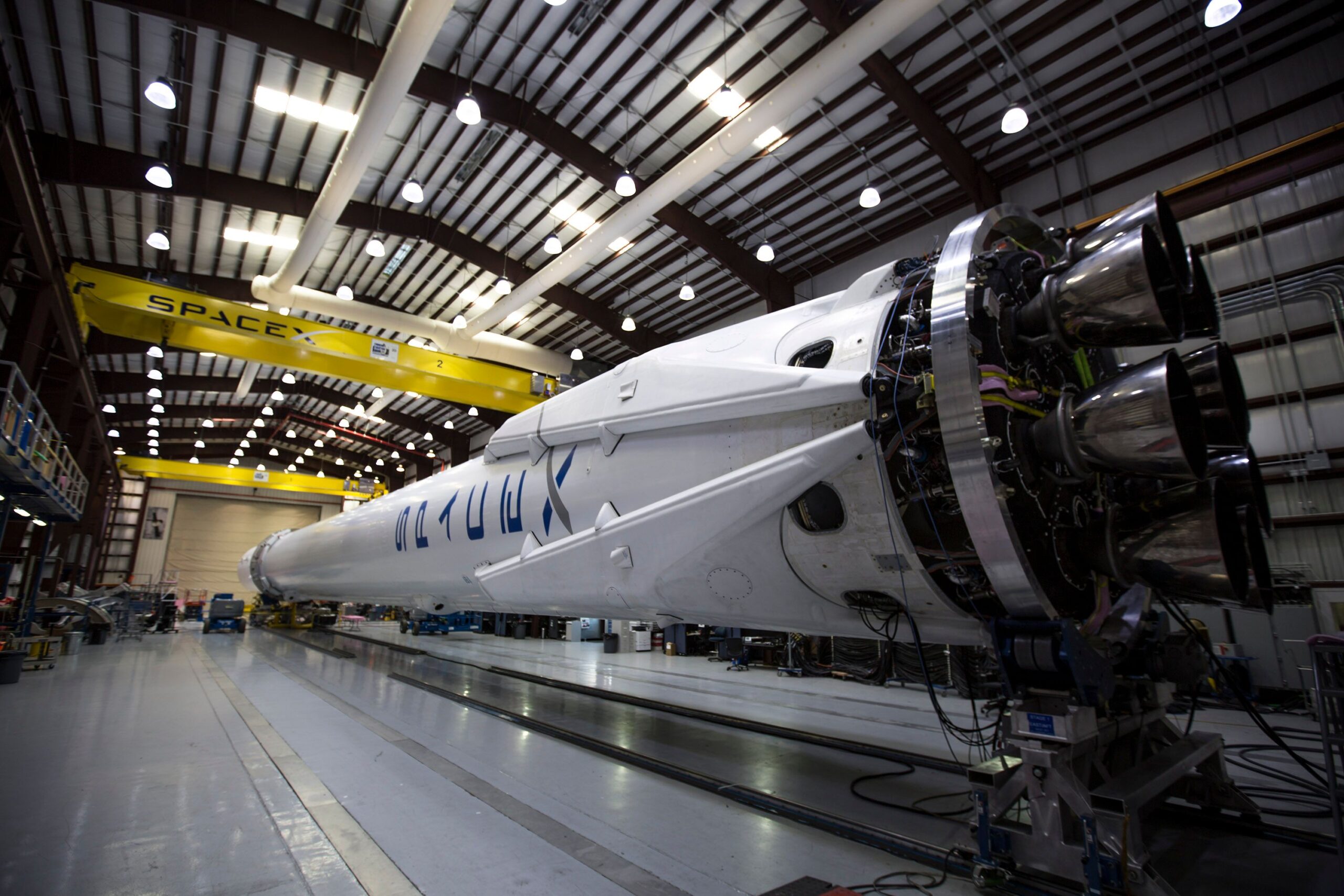
SpaceX earnings shock Wall Street after the private space company reported stronger-than-expected financial performance. The impressive results have captured the attention of investors, analysts, and the global aerospace industry. Although SpaceX is not publicly traded, its financial success has influenced market sentiment and strengthened confidence in the future of the commercial space sector. The company’s growing revenue, expanding Starlink business, and successful launch operations continue to position it as one of the world’s most valuable private companies.
The latest earnings report highlights how SpaceX has transformed from a bold startup into a global leader in space technology. The company’s consistent innovation, efficient operations, and ambitious long-term vision have helped it outperform many expectations. As a result, financial experts believe SpaceX is setting new standards for commercial space businesses.
SpaceX has stunned financial analysts with its latest quarterly financial results. The private aerospace pioneer, led by billionaire Elon Musk, reported revenue figures and profit margins that far exceeded consensus estimates on Wall Street. This earnings surprise has triggered fresh debates about the valuation of private mega-corporations and the future of the commercial space economy.
Strong Revenue Growth Exceeds Expectations
SpaceX reported impressive revenue growth driven by multiple business segments. Launch services remained one of the company’s biggest income sources. The increasing number of satellite deployments, government contracts, and commercial missions significantly contributed to higher earnings. Moreover, the reusable Falcon rockets continued to reduce launch costs while increasing operational efficiency.
Analysts noted that demand for reliable launch services remains strong across the global market. Governments, private companies, and research organizations continue to choose SpaceX because of its consistent launch success. Consequently, the company has secured additional contracts that are expected to generate long-term revenue.
In addition, SpaceX’s ability to complete frequent launches without major delays has strengthened customer confidence. The company’s operational efficiency allows it to handle a larger number of missions than many competitors. Therefore, revenue growth continues to accelerate as launch demand increases.
Starlink Continues to Drive Financial Success
One of the biggest contributors to SpaceX’s financial performance is Starlink. The satellite internet service has expanded rapidly across multiple countries. Millions of customers now rely on Starlink for high-speed internet, especially in rural and remote locations where traditional broadband services remain limited.
Furthermore, the continued growth in subscribers has created a stable and recurring revenue stream. Unlike launch services, which depend on scheduled missions, subscription-based internet services provide consistent monthly income. This diversification has strengthened SpaceX’s overall financial position.
Businesses, governments, airlines, shipping companies, and emergency response organizations have also adopted Starlink connectivity. As a result, enterprise demand continues to increase. Analysts believe this segment could become even more profitable in the coming years as network coverage expands worldwide.
Successful Rocket Launches Build Market Leadership
SpaceX has maintained an exceptional launch record over recent years. The Falcon 9 rocket continues to demonstrate remarkable reliability and cost efficiency. Meanwhile, the Falcon Heavy remains one of the most powerful operational rockets available today.
The company’s reusable rocket technology has dramatically reduced launch expenses. Instead of building new rockets for every mission, SpaceX repeatedly reuses boosters after successful landings. Consequently, operating costs remain lower than many traditional aerospace companies.
Moreover, this technological advantage enables SpaceX to complete more launches each year. Frequent missions improve cash flow while strengthening customer relationships. Therefore, investors continue to view SpaceX as the clear leader in commercial launch services.
Government Contracts Add Long-Term Stability
Government partnerships remain another important source of revenue. SpaceX continues to work closely with major space agencies and defense organizations. These contracts provide stable income while supporting national security and scientific research objectives.
For example, satellite launches, cargo missions, astronaut transportation, and defense-related projects continue to generate billions of dollars in contract value. Furthermore, government agencies appreciate SpaceX’s ability to complete complex missions with high reliability and competitive pricing.
Long-term agreements also reduce financial uncertainty. Instead of relying only on commercial customers, SpaceX benefits from a balanced portfolio of government and private-sector clients. Consequently, the company remains financially resilient even during changing market conditions.
Starship Development Represents a Major Investment
Although current earnings remain strong, SpaceX continues investing heavily in the development of Starship. This next-generation spacecraft is designed to transport cargo and eventually humans to the Moon, Mars, and beyond.
Developing such advanced technology requires substantial financial resources. However, company executives believe these investments will create enormous opportunities in the future. Successful Starship operations could transform global transportation, satellite deployment, and deep-space exploration.
Meanwhile, engineers continue conducting flight tests and making improvements after each mission. Every test provides valuable technical data that helps improve safety and performance. Therefore, many analysts view current development expenses as long-term investments rather than short-term financial risks.
Artificial Intelligence and Automation Improve Efficiency
SpaceX has increasingly integrated artificial intelligence and advanced automation into manufacturing, launch operations, and satellite management. These technologies help reduce production costs while improving operational accuracy.
For instance, automated quality inspections accelerate manufacturing without compromising safety standards. Similarly, AI-powered systems monitor rocket performance during launches and analyze vast amounts of engineering data.
In addition, Starlink satellites use sophisticated software to optimize network performance and improve customer connectivity. As a result, operational efficiency continues to improve across multiple business divisions.
Global Space Industry Benefits from SpaceX Growth
The financial success of SpaceX has influenced the broader aerospace industry. Many private companies have increased investments in satellite technology, launch services, and space exploration. Investors now recognize that commercial space businesses can generate sustainable revenue and long-term profitability.
Furthermore, suppliers working with SpaceX have also benefited from rising production demand. Manufacturers producing rocket components, electronics, propulsion systems, and satellite equipment continue to experience increased business activity.
Consequently, the overall commercial space economy continues expanding. Industry experts believe global investment in space technology will remain strong over the next decade as more companies enter the market.
Investor Confidence Continues to Increase
Although SpaceX remains privately owned, investors closely monitor its financial performance. Strong earnings often influence the valuation of private investment funds holding SpaceX shares. Moreover, market participants continue speculating about a possible future public offering.
Financial analysts suggest that consistent profitability makes SpaceX one of the world’s most valuable private technology companies. The combination of launch services, satellite internet, government contracts, and future exploration projects creates multiple revenue opportunities.
Furthermore, the company’s leadership in reusable rocket technology provides a significant competitive advantage. As a result, investor confidence remains exceptionally high despite ongoing investments in ambitious research projects.
Starlink Drives Unprecedented Revenue Growth
The primary catalyst behind the positive earnings shock is Starlink, the company’s satellite internet constellation. Starlink has officially transitioned from an expensive developmental project into SpaceX’s primary revenue engine.
- Massive subscriber surge: Global subscriber counts have surpassed initial projections.
- Enterprise adoption: Maritime, aviation, and rural government contracts have scaled rapidly.
- Hardware cost reductions: Mass production of user terminals has significantly improved profit margins.
Wall Street analysts note that Starlink’s cash flow is now sufficient to self-fund its massive infrastructure upgrades. The network provides high-speed internet to millions of users globally, capturing a lucrative share of the global telecommunications market. This steady utility-like revenue provides SpaceX with financial stability that traditional aerospace companies struggle to match.
Launch Dominance and Falcon 9 Reusability
While Starlink secures the consumer market, SpaceX continues to dominate the launch services sector. The company’s workhorse, the Falcon 9, along with the Falcon Heavy, maintains a near-monopoly on commercial satellite deployments and crewed missions.
- High launch frequency: SpaceX averages a launch every few days.
- Rapid reusability: Reusing first-stage boosters drastically lowers operational costs.
- Competitor delays: Rivals in Europe and the United States face persistent vehicle delays.
By reusing rocket boosters multiple times, SpaceX has driven its marginal launch costs down to unprecedented levels. This cost advantage allows the company to undercut competitors while maintaining high profit margins. Wall Street institutions are rewriting their financial models because traditional aerospace cost assumptions simply do not apply to SpaceX’s reusable fleet.
The Starship Capital Expenditure Factor
A major point of interest for financial analysts is the funding of Starship, the massive next-generation rocket designed for Lunar and Martian missions. Previously, Wall Street feared that Starship’s development would burn through capital and strain the company’s balance sheet.
The latest financial data dispels these concerns. The massive profits generated by Starlink and Falcon 9 launches are directly absorbing Starship’s high research and development costs. SpaceX does not need to rely heavily on debt markets or frequent dilutive equity rounds to fund its deep-space ambitions. This internal funding model reduces macroeconomic risks, protecting the company from high-interest rates and tightening credit markets.
Implications for a Future SpaceX IPO
This financial milestone revives intense speculation regarding an initial public architectural offering (IPO). While Elon Musk has repeatedly stated that SpaceX itself will remain private until it reaches Mars, he has hinted at potentially spinning off Starlink into a public company.
- Investor demand: Institutional investors are eager for a public Starlink asset.
- Regulatory compliance: Starlink’s predictable revenue fits public market requirements perfectly.
- Capital generation: An IPO would unlock massive liquidity for further space exploration.
If a Starlink IPO occurs, analysts predict it will be one of the largest market debuts in financial history. The latest earnings report proves that the satellite business can stand alone as a highly profitable, dividend-capable corporate entity.
Challenges Still Remain
Despite outstanding financial results, SpaceX continues facing several challenges. Competition within the commercial space industry is increasing as more companies develop launch vehicles and satellite services. Maintaining technological leadership will require continuous innovation.
Regulatory approvals also remain essential for expanding satellite networks and conducting future Starship missions. Environmental reviews, launch permissions, and international communication regulations require careful compliance.
Moreover, large-scale infrastructure investments demand substantial capital. Building additional satellites, expanding launch facilities, and developing new spacecraft involve significant expenses. However, SpaceX’s strong financial performance provides resources to support these long-term objectives.
Future Outlook Appears Strong
Looking ahead, analysts remain optimistic about SpaceX’s growth prospects. The company plans additional satellite launches, continued Starlink expansion, and further Starship testing. These initiatives are expected to strengthen both revenue and market leadership.
International demand for satellite internet continues growing. Meanwhile, governments increasingly require reliable launch providers for scientific, defense, and communication missions. Consequently, SpaceX appears well-positioned to benefit from these expanding opportunities.
Furthermore, future lunar missions and potential Mars exploration projects could create entirely new commercial markets. While these ambitions require patience and investment, they also represent enormous long-term growth potential.
Industry observers believe SpaceX’s combination of innovation, operational efficiency, and diversified revenue streams will continue driving financial success. If current trends continue, the company may further reshape the global aerospace industry while setting new benchmarks for commercial space exploration.
Conclusion
SpaceX earnings shock Wall Street because the company’s strong financial performance exceeded many expectations. Record revenue growth, expanding Starlink subscriptions, successful launch operations, and valuable government contracts have strengthened its financial position. Moreover, continued investment in Starship demonstrates the company’s commitment to long-term innovation and global space leadership.
Although challenges remain, SpaceX has established itself as a dominant force in the commercial space industry. Its ability to combine technological innovation with consistent financial growth continues attracting investors, customers, and governments worldwide. Overall, the latest earnings highlight how SpaceX is shaping the future of space exploration while building a highly successful and sustainable business model.