

Gold Price Soars Past $4,300, Eyeing All-Time Highs
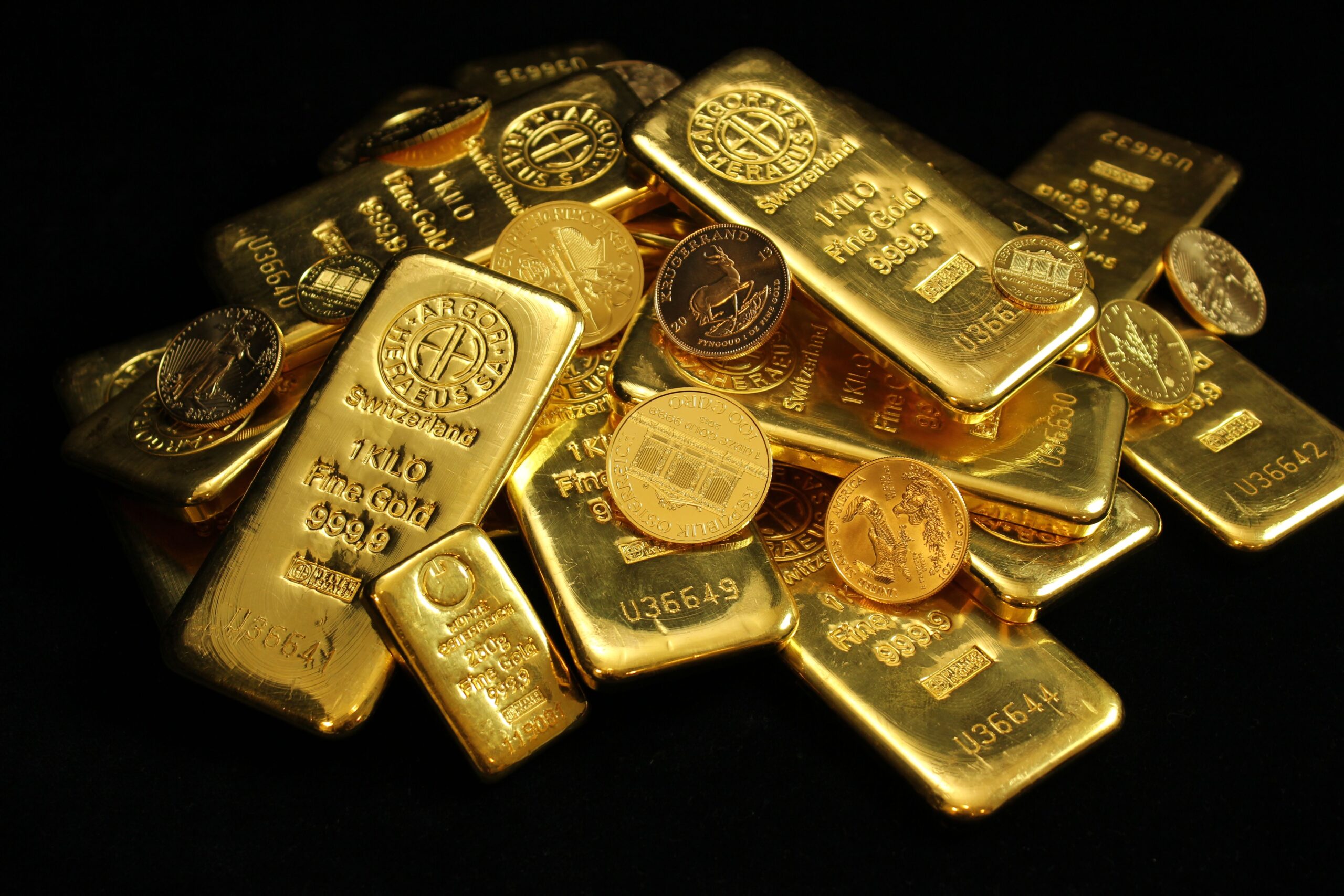
Gold Price Breaks Above $4,300 as Bullish Momentum Returns
The gold price has climbed sharply above the $4,300-per-ounce level, marking a powerful recovery for the precious metal as investors return to one of the world’s most popular safe-haven assets. The latest move has revived expectations that gold could eventually challenge its previous record highs, although the market still has significant ground to cover before reaching the historic peak recorded earlier in 2026.
Gold’s latest advance comes as investors reassess the outlook for the US economy, Federal Reserve policy, inflation and global geopolitical risks. At the same time, traders are watching the latest US employment data for clues about the direction of interest rates. As a result, gold has once again become a major focus across financial markets.
The move above $4,300 is particularly significant because gold had experienced a substantial correction earlier in the year. Data reviewed in April showed that spot gold had reached more than $5,400 per ounce in January before falling sharply and later recovering. Therefore, the latest rally represents an important turnaround from the lows seen during the middle of the year.
Why the Gold Price Is Rising Again
Several factors are supporting the gold price at the moment. One of the biggest is renewed demand for defensive assets. When investors become uncertain about economic growth, interest rates or geopolitical developments, gold often attracts money because it is viewed as a store of value outside traditional financial assets.
The current market environment has several of those characteristics. Investors are dealing with uncertainty surrounding monetary policy, economic growth and international tensions. Consequently, gold has gained renewed appeal as traders look for protection against potential market shocks.
Another important factor is the Federal Reserve. Interest-rate expectations have a major influence on gold because the metal does not pay interest or dividends. When investors expect lower interest rates, the opportunity cost of holding gold can decline. Therefore, expectations of a more supportive monetary-policy environment can help strengthen demand for the metal.
However, the relationship is not always straightforward. Higher Treasury yields and a stronger US dollar can put pressure on gold, while falling yields and a weaker dollar can make bullion more attractive. This means investors are closely monitoring every major US economic release.
Gold’s Recovery Comes After a Major Correction
The latest gold price rally is even more notable because it follows a dramatic correction. Gold had reached a record level around January before losing a substantial portion of those gains.
According to historical market data cited in a Hong Kong exchange filing, spot gold reached approximately $5,414 per ounce on January 28, 2026. It subsequently fell to around $4,659 in early February and later recovered toward $5,321 in early March before weakening again.
The correction continued into the middle of the year, with gold trading near $4,000 in July. Therefore, the move back above $4,300 shows that buyers have regained a meaningful degree of control.
Still, investors should keep the broader picture in mind. Gold remains below its earlier record, so the latest move is better described as a strong recovery rather than a fresh all-time high.
That distinction matters because markets can behave differently when an asset is approaching a previous record compared with when it is already breaking into uncharted territory.
US Jobs Data Adds Another Layer of Uncertainty
The latest gold rally has arrived at a particularly important moment for financial markets because investors are watching US employment data.
The nonfarm payrolls report is one of the most closely followed economic releases because it can influence expectations for Federal Reserve policy. A weaker labor market could increase expectations for lower interest rates, while stronger employment could give policymakers more reason to remain cautious.
That creates a potentially important catalyst for gold.
If employment data point toward a cooling US economy, traders may increase bets on monetary easing. In turn, lower-rate expectations could support gold by reducing the appeal of interest-bearing assets relative to bullion.
On the other hand, unexpectedly strong employment data could push Treasury yields higher and strengthen the dollar. In that scenario, the gold price could face short-term selling pressure.
Therefore, the next major move may depend heavily on how investors interpret the combination of employment, wages and inflation.
Safe-Haven Demand Remains Important
Gold’s role as a safe-haven asset is another major reason behind the recent strength. During periods of geopolitical tension or financial uncertainty, investors often increase their exposure to precious metals.
The Middle East remains an important source of geopolitical uncertainty, while trade relationships and international economic policy continue to influence global markets. These concerns can encourage investors to hold assets that are less directly tied to the performance of individual companies or economies.
As a result, gold can benefit even when stock markets remain relatively strong.
Interestingly, the current rally is occurring alongside continued interest in equities and technology stocks. This suggests that investors are not necessarily abandoning risk assets altogether. Instead, they may be adding gold as a hedge against unexpected developments.
Central Bank Buying Supports the Market
Central bank demand has also played an important role in the long-term gold story. Central banks have increasingly viewed gold as a way to diversify reserves and reduce reliance on individual currencies.
This structural demand can provide support during periods when short-term investors become less active.
Unlike speculative buying, central bank purchases can represent a longer-term commitment to gold. Therefore, even when prices experience temporary corrections, underlying demand can help stabilize the market.
The importance of central bank demand has become more visible during the broader gold rally of recent years. Investors have increasingly focused on the possibility that official-sector purchases could provide a strong foundation for the precious metal.
Consequently, the gold price is being influenced not only by day-to-day trading but also by longer-term changes in global reserve management.
US Dollar and Treasury Yields Could Decide the Next Move
Although gold has strong momentum, the US dollar remains one of the most important factors to watch.
Gold is priced internationally in US dollars. Therefore, when the dollar weakens, gold can become cheaper for buyers using other currencies. This can increase international demand and support prices.
Conversely, a stronger dollar can create pressure because gold becomes more expensive for overseas buyers.
Treasury yields are equally important. Investors constantly compare the potential returns from government bonds with the benefits of owning gold.
When yields rise significantly, some investors may shift money toward bonds because they provide income. However, when yields decline, gold can become relatively more attractive.
This relationship means that the gold price could remain highly sensitive to Federal Reserve expectations over the coming weeks.
Investors Are Watching Technical Levels
The move above $4,300 has also attracted attention from technical traders. After spending months recovering from its earlier decline, gold has now moved through an important psychological level.
Psychological price levels often matter because traders use them to determine whether an asset is gaining or losing momentum. A sustained move above $4,300 could encourage additional buying, particularly if the metal continues to post higher highs and higher lows.
However, rapid rallies can also lead to profit-taking.
Some investors who bought gold during the recent recovery may decide to lock in gains after such a strong move. Therefore, short-term pullbacks should not necessarily be interpreted as the end of the broader recovery.
Instead, traders will likely watch whether buyers step back in after any decline.
Can Gold Return to Its Previous Record?
The biggest question now is whether gold can eventually return to its previous record highs.
The answer will depend on several factors. First, the Federal Reserve’s interest-rate policy will remain critical. Second, the US dollar will influence international demand. Third, geopolitical uncertainty could continue to encourage safe-haven buying.
Central bank demand will also remain important, particularly if official purchases continue at elevated levels.
However, the path back to the record is unlikely to be completely smooth. Gold experienced a major correction earlier in 2026, demonstrating how quickly sentiment can change.
Therefore, investors should not assume that every move higher will continue without interruption.
The metal may experience periods of consolidation, especially if economic data temporarily strengthen the dollar or push Treasury yields higher.
Gold Price Outlook Remains Bullish but Volatile
The broader outlook for the gold price remains constructive, but volatility is likely to remain high.
The move above $4,300 has clearly improved market sentiment and demonstrated that buyers remain willing to step into the market. At the same time, gold is still below its January record, meaning the current rally has not yet completely reversed the earlier correction.
That leaves the market in an interesting position.
If gold can maintain prices above key support levels and continue attracting safe-haven demand, the recovery could extend further. A sustained move higher could gradually bring the previous record back into focus.
However, if the US dollar strengthens sharply or Treasury yields rise, gold could face another period of consolidation.
For now, the balance between monetary policy, economic growth and geopolitical risk will determine the next stage of the rally.
Why Investors Should Watch the Federal Reserve
The Federal Reserve remains central to the gold outlook because monetary policy influences both bond yields and the US dollar.
Investors are currently looking for signs that the US economy is cooling enough to allow policymakers to consider a less restrictive stance. At the same time, inflation remains an important consideration.
If economic growth weakens while inflation continues to moderate, the environment could become increasingly supportive for gold.
On the other hand, if economic activity remains strong and inflation proves persistent, interest rates could stay higher for longer. That could limit the upside for bullion.
Therefore, upcoming economic reports will likely produce significant short-term volatility.
Gold’s Global Appeal Remains Strong
One reason the gold price continues to attract investors is its global appeal. Gold is not tied to the financial health of a single company, government or currency.
Investors in Asia, Europe, the Middle East and the Americas all participate in the global gold market. This broad demand base can help the metal remain resilient even when conditions differ across regions.
Moreover, gold has a long history as a store of value. While modern financial markets offer many alternative assets, the precious metal continues to occupy a unique position in global portfolios.
That role becomes especially important during periods of uncertainty.
What Comes Next for the Gold Price?
The next phase of the gold price rally will likely depend on whether buyers can maintain momentum above the $4,300 area.
A sustained move higher could encourage traders to target additional resistance levels and eventually bring the previous record closer into view. Meanwhile, a sharp reversal could signal that investors are taking profits after the recent surge.
The upcoming US economic data will therefore be crucial.
If the labor market shows signs of weakening, expectations for lower interest rates could increase, potentially supporting gold. Conversely, stronger-than-expected data could lift the dollar and Treasury yields, creating headwinds for bullion.
In addition, geopolitical developments will remain a major factor. Any escalation in global tensions could quickly increase demand for safe-haven assets.
Conclusion: Gold Regains Its Momentum
The gold price has once again captured investors’ attention after surging past $4,300 per ounce. The move represents a significant recovery from the lows seen earlier in 2026 and shows that demand for the precious metal remains strong.
Although gold is still below its previous all-time high, the latest rally has reopened the possibility of another challenge toward record levels.
Several forces are supporting the market, including safe-haven demand, central bank buying, interest-rate expectations and concerns about global economic and geopolitical conditions.
At the same time, investors should remain aware of the risks. A stronger US dollar, rising Treasury yields or unexpectedly strong economic data could trigger periods of profit-taking.
For now, however, the trend has clearly shifted back in favor of gold buyers. The move above $4,300 is an important psychological and technical milestone, and the market will be watching closely to see whether the metal can build on this momentum.
If the current combination of safe-haven demand and supportive monetary-policy expectations continues, the gold price could remain one of the most closely watched assets in global financial markets as investors look toward the next major milestone and, eventually, the previous all-time highs.

