

UN FAO: Global Food Prices Rise in July Due to War and Weather Risks
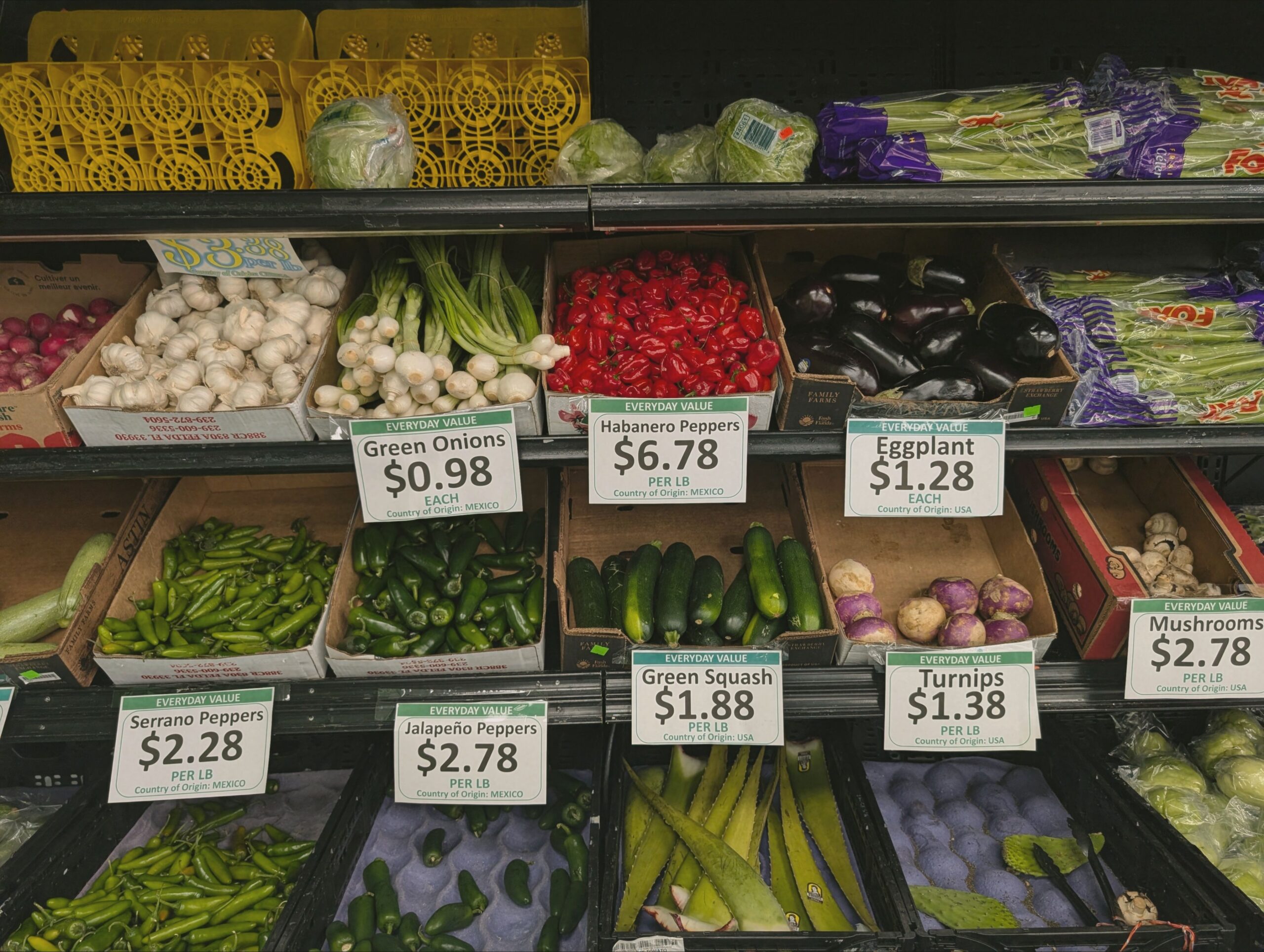
Global Food Prices Hit a More Than Three-Year High
Global food prices climbed sharply in July, reaching their highest level in more than three years as conflicts, extreme weather and growing supply concerns put renewed pressure on agricultural markets. The United Nations Food and Agriculture Organization, or FAO, said the latest increase highlights the growing vulnerability of global food supplies to geopolitical and environmental shocks.
The July increase marks another important development for food markets, particularly because prices had remained relatively contained earlier in 2026. However, that stability has increasingly come under pressure as wars in major regions, higher energy costs, fertilizer disruptions and unfavorable weather conditions begin to affect agricultural production and transportation.
According to recent reporting, the FAO Food Price Index rose to its highest level in more than three years during July. The index tracks international prices for a basket of major food commodities and is widely used as an indicator of global food-market conditions.
Global Food Prices: The latest increase is particularly significant because food inflation can quickly affect household budgets. Moreover, lower-income countries are generally more exposed because families in those economies spend a larger share of their income on food.
Global Food Prices: War and Geopolitical Risks Add Pressure
One of the biggest factors behind the latest rise in global food prices is the growing impact of geopolitical conflict.
Wars and military tensions can disrupt agricultural production, transportation routes, energy supplies and fertilizer markets. When these disruptions occur simultaneously, the effect can spread across the global food system.
The ongoing conflicts in the Middle East and Ukraine are particularly important because they affect regions that are closely connected to global energy and agricultural markets. FAO has warned that the conflict in the Middle East has created a major shock for energy, fertilizer and agrifood markets.
The impact is not limited to the countries directly involved in the conflicts.
Global Food Prices: For example, disruptions to shipping routes can increase the cost of transporting grain, vegetable oils and other commodities. Likewise, higher energy prices can increase the cost of operating farm machinery, processing food and moving products between countries.
Consequently, consumers can eventually feel the impact through higher prices at supermarkets and local markets.
Weather Risks Are Becoming a Bigger Concern
Global Food Prices: Weather is another major reason global food prices are rising.
Farmers depend heavily on predictable rainfall and temperatures. However, extreme heat, droughts, excessive rainfall and other weather disruptions can reduce crop yields and damage agricultural infrastructure.
The current environment has become particularly challenging because several regions are experiencing unusual weather patterns at the same time.
Europe, for instance, has been dealing with record-high temperatures, while drought, heatwaves and wildfires are putting pressure on agricultural production. Low water levels in important waterways such as the Rhine have also created transportation problems, adding further costs to supply chains.
At the same time, the developing El Niño weather pattern is creating additional uncertainty for agricultural markets.
Therefore, even if global crop supplies appear adequate today, traders are increasingly concerned about future harvests.
The FAO Food Price Index Sends a Warning
Global Food Prices: The FAO Food Price Index is an important tool for understanding changes in international food commodity markets.
It measures monthly changes in international prices for a basket of food commodities, including cereals, vegetable oils, meat, dairy products and sugar.
When the index rises sharply, it does not mean that every food product becomes more expensive in every country at exactly the same time. Domestic food prices depend on factors such as currencies, transportation costs, taxes, subsidies, local production and government policies.
Nevertheless, a sustained increase in the international index can create pressure on national food markets.
This is why the July increase is attracting attention from governments, central banks and food producers around the world.
Vegetable Oils and Cereals Remain Important
Global Food Prices: Different food commodities are responding differently to the current global environment.
Vegetable oils have been particularly important in recent months. FAO previously reported that its Food Price Index increased for a third consecutive month, largely because of rising vegetable oil prices. Cereal and rice prices also contributed to the increase, with disruptions linked to the Strait of Hormuz crisis affecting some markets.
Cereals are especially important because wheat, maize and rice form a major part of diets across the world.
When cereal prices increase, the impact can extend beyond bread, flour and rice. Feed costs can also rise, affecting livestock and poultry production.
As a result, an increase in grain prices can eventually influence the prices of meat, eggs and dairy products.
That creates a broader inflationary effect across the food supply chain.
Fertilizer Shortages Create Another Problem
The current food-price environment is also being complicated by fertilizer shortages and higher agricultural input costs.
Modern agriculture depends heavily on fertilizers to maintain crop yields. However, fertilizer production requires significant amounts of energy, and disruptions to energy markets can quickly affect fertilizer availability and prices.
FAO has warned that the Middle East conflict has disrupted fertilizer supplies and increased production costs. Higher crude oil prices and diesel shortages could further increase the cost of farming and transporting food.
This creates a difficult situation for farmers.
If fertilizer becomes too expensive, some farmers may reduce the amount they use. However, lower fertilizer application can potentially reduce crop yields.
Therefore, higher input costs today could contribute to tighter food supplies later.
Higher Oil Prices Can Push Food Costs Higher
Energy markets and food markets are closely connected.
Farmers use fuel for tractors, irrigation equipment and harvesting machinery. Food processors require energy to operate factories, while transportation companies need diesel and other fuels to move agricultural products.
Consequently, rising oil prices can increase costs at almost every stage of the food supply chain.
The current energy market has been affected by geopolitical uncertainty, including disruptions surrounding the Middle East and the Strait of Hormuz.
If energy prices remain elevated, food producers may face higher costs for planting, harvesting, processing and transportation.
Eventually, some of those costs can be passed on to consumers.
India and Asia Face Growing Food Inflation Risks
Asia is particularly important in the global food market because the region contains some of the world’s largest populations and food-importing economies.
India is already watching food inflation closely.
Recent Reuters reporting indicated that Indian consumer inflation was expected to rise in July, with uneven rainfall affecting agricultural output and contributing to higher food prices.
The monsoon remains critical for India’s agricultural sector.
If rainfall is delayed, uneven or excessive, crop production can suffer. Rice, pulses, vegetables and other agricultural commodities can all be affected by changing weather conditions.
Moreover, India imports certain agricultural products and energy resources, meaning international commodity prices can also influence domestic costs.
This makes the global food-price outlook particularly relevant for Indian households.
Low-Income Countries Could Face the Biggest Impact
The rise in global food prices is especially concerning for low-income countries.
Households with limited incomes typically spend a much larger portion of their budgets on food. Therefore, even a moderate increase in food costs can force families to reduce spending on healthcare, education and other essential needs.
FAO research has repeatedly highlighted the vulnerability of lower-income households to food-price inflation. Rising food prices can also threaten access to healthy diets and worsen food insecurity.
For farmers who are net buyers of food, higher prices can create an additional challenge.
A farmer may benefit from selling crops at higher prices, but if the same farmer needs to purchase food, fertilizer, fuel and other inputs at even higher prices, the overall financial benefit can be limited.
As a result, food inflation can affect both consumers and agricultural communities.
The Ukraine Conflict Continues to Matter
The war in Ukraine remains an important factor in global agricultural markets.
Ukraine and Russia have historically been major suppliers of wheat and other agricultural commodities. Any disruption to production, exports, ports or shipping routes can therefore affect international food markets.
FAO has previously identified Ukraine and Russia as important agricultural producers and highlighted the risks associated with disruptions to their markets.
Although global agricultural markets have adapted to some disruptions, continued geopolitical uncertainty can still create volatility.
Traders often react not only to actual supply shortages but also to the possibility of future disruptions.
That means prices can move higher even before physical supplies become critically tight.
El Niño Adds Another Layer of Uncertainty
Weather forecasts are becoming increasingly important for commodity traders.
The developing El Niño pattern could influence rainfall and temperatures across several agricultural regions. Depending on its strength and geographical impact, the weather pattern can affect crop production and water availability.
This creates uncertainty for farmers planning their planting and harvesting schedules.
If weather conditions become unfavorable during key stages of crop development, yields could decline.
Consequently, markets may begin pricing in potential shortages before harvest results are known.
This is one reason weather-related news can have an immediate impact on commodity prices.
Global Supply Chains Remain Vulnerable
The latest food-price increase also demonstrates that global supply chains remain vulnerable to disruptions.
Food does not simply move from farms to consumers. It passes through multiple stages, including processing, storage, transportation, shipping and retail distribution.
A disruption at any stage can increase costs.
For example, a shipping problem can delay grain deliveries. A fuel shortage can increase trucking costs. A fertilizer shortage can reduce future production.
When several of these problems happen at the same time, the impact can become much larger.
Therefore, the current increase in global food prices should be viewed as part of a broader supply-chain challenge rather than as a single commodity-price event.
Central Banks Face a Difficult Balance
Higher food prices also create challenges for central banks.
Food is a major component of household spending, so rising food costs can contribute to higher headline inflation.
Central banks generally prefer to look through temporary food-price movements when setting monetary policy. However, prolonged increases can become more difficult to ignore, especially if they spread into wages and other consumer prices.
Energy costs can create a similar problem.
If oil, transportation and food prices all rise together, inflation may remain elevated for longer than expected.
As a result, policymakers may have to balance the risk of inflation against the risk of slowing economic growth.
Can Global Food Prices Continue Rising?
The outlook for global food prices remains uncertain.
Much will depend on the duration of geopolitical conflicts, weather conditions, energy prices and fertilizer availability.
If conflicts ease and shipping routes normalize, some supply pressures could decline.
Similarly, favorable weather conditions could improve crop expectations and reduce concerns about shortages.
However, if extreme weather becomes more frequent or geopolitical tensions remain high, food markets could remain under pressure.
FAO has warned that rising energy and fertilizer costs, combined with extreme weather and conflict, could increasingly affect food costs toward the end of 2026 and into 2027.
That means the July increase may not be an isolated event.
Governments May Need to Prepare
Governments are likely to face increasing pressure to protect consumers from higher food prices.
Possible responses include targeted food assistance, support for farmers, strategic grain reserves and measures designed to improve supply-chain resilience.
However, governments must be careful.
Export restrictions may temporarily protect domestic supplies, but they can also reduce the amount of food available on international markets and contribute to higher global prices.
Therefore, long-term solutions are likely to require investment in agricultural productivity, irrigation, storage infrastructure, transportation networks and climate-resilient farming.
Farmers Need Greater Protection From Climate Risks
The latest increase in global food prices also highlights the importance of supporting farmers as weather conditions become more unpredictable.
Farmers can face enormous financial losses when droughts, floods or heatwaves damage crops.
Better access to crop insurance, improved irrigation, drought-resistant seeds and modern farming technologies could help reduce those risks.
At the same time, governments and international organizations can support farmers through better weather forecasting and early-warning systems.
Such measures could improve resilience and reduce the likelihood of sudden supply shortages.
Food Security Is Becoming a Global Economic Issue
Global Food Prices: Food security is no longer simply an agricultural issue.
It is increasingly connected to energy markets, international trade, climate change, geopolitics and monetary policy.
The July rise in global food prices demonstrates how quickly developments in one part of the world can affect consumers thousands of miles away.
A war can disrupt shipping. A heatwave can reduce harvests. Higher oil prices can increase transportation costs. Fertilizer shortages can affect next year’s crops.
Together, these factors can create a chain reaction across the global economy.
Therefore, maintaining stable food supplies will require international cooperation and long-term investment.
What Investors and Consumers Should Watch
Markets will continue watching several indicators over the coming months.
First, traders will monitor weather forecasts and crop conditions in major agricultural regions.
Second, energy prices will remain important because oil and natural gas influence farming and transportation costs.
Third, investors will follow fertilizer production and availability.
Finally, geopolitical developments will remain critical.
If these factors improve simultaneously, food-price pressures could ease.
However, if several risks intensify at the same time, the upward pressure on food prices could become stronger.
Conclusion: Global Food Prices Face a Risky Second Half of 2026
Global Food Prices: The rise in global food prices during July is an important warning for governments, businesses and consumers. The FAO data show that international food markets are once again facing significant pressure after a period of relative stability.
War, extreme weather, higher energy costs, fertilizer shortages and supply-chain disruptions are combining to create a difficult environment for agricultural markets.
The biggest concern is that these pressures may not disappear quickly.
If geopolitical conflicts continue and extreme weather damages crops, food supplies could remain vulnerable through the rest of 2026 and potentially into 2027.
At the same time, central banks will have to monitor food and energy inflation carefully, while governments may need to strengthen support for vulnerable households and farmers.
For consumers, the latest FAO warning means food prices could remain an important part of the broader cost-of-living story.
For investors, agricultural commodities, fertilizer companies, energy markets and shipping costs will remain important areas to watch.
Ultimately, the direction of global food prices will depend on whether the world can reduce geopolitical risks, stabilize energy and fertilizer supplies and adapt agricultural systems to increasingly unpredictable weather.
For now, the July surge serves as a reminder that the global food system remains highly sensitive to shocks. With war and weather risks still present, food markets could remain volatile, making the coming months crucial for consumers, farmers, policymakers and investors around the world.
Oil Prices Rise To $83 Amid Uncertainty Over Strait Of Hormuz Deal

