

Indian Stock Market Faces Fresh Pressure as Sensex Plunges 455 Points and Nifty Slides
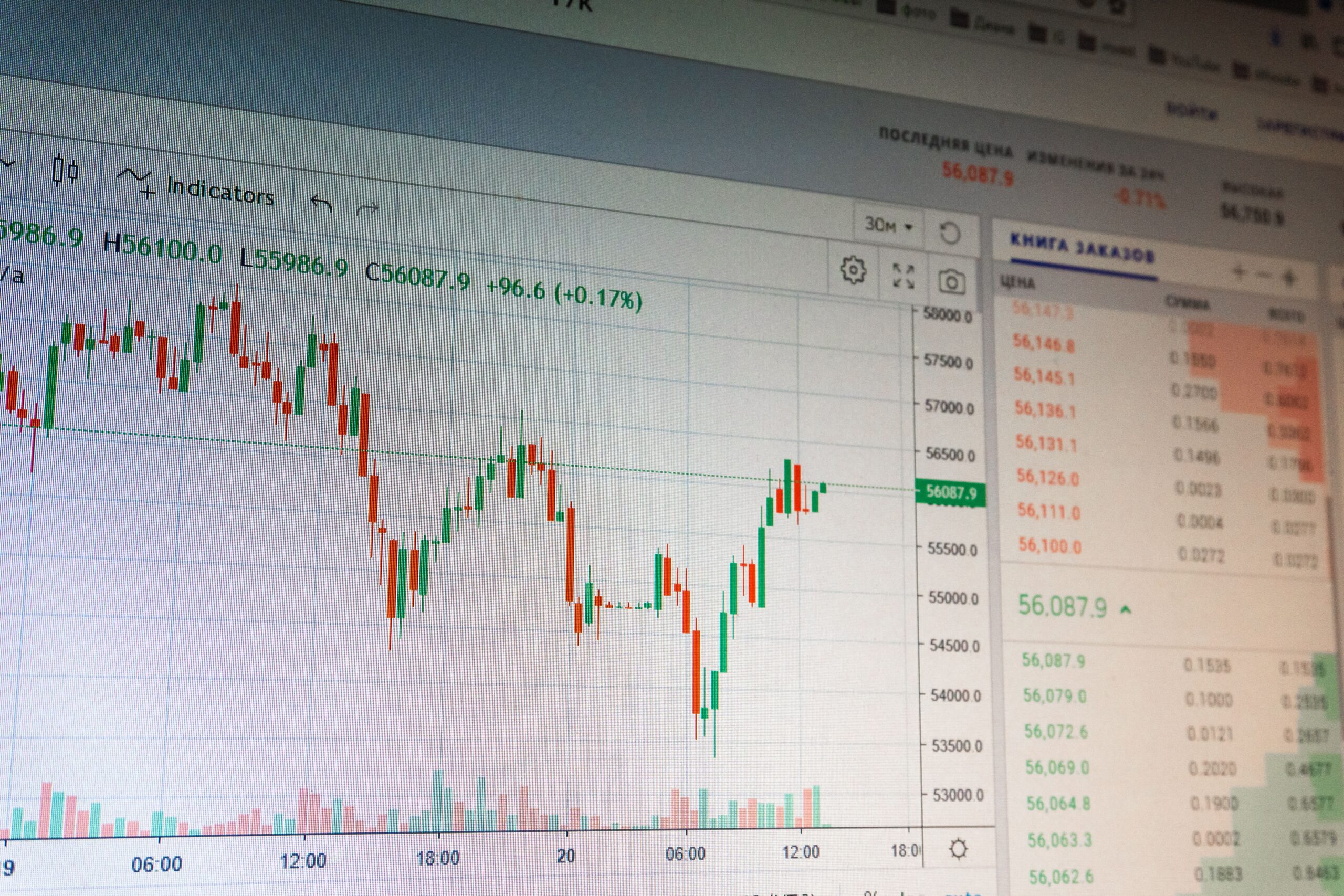
Indian Stock Market Opens Under Heavy Pressure
Indian stock market: The Indian stock market came under significant pressure as benchmark indices Sensex and Nifty declined sharply in early trading. The fall reflected a combination of foreign fund outflows, concerns over additional U.S. tariffs on Indian exports and continuing geopolitical uncertainty.
The 30-share BSE Sensex dropped 455.35 points, or about 0.54%, to 83,120.89 during early trade. At the same time, the 50-share NSE Nifty declined 135.35 points to 25,547.95.
The weakness showed that investors remained cautious despite recent efforts by the market to stabilize. Selling pressure was visible across several major stocks, particularly companies with strong exposure to domestic and global economic conditions.
Moreover, concerns about foreign investor activity continued to influence sentiment. When overseas investors reduce their exposure to Indian equities, benchmark indices can face additional pressure, especially when large-cap stocks experience heavy selling.
Foreign Fund Outflows Weigh on Sentiment
Indian stock market: One of the biggest concerns for the Indian stock market has been persistent foreign fund selling. Foreign institutional investors play an important role in Indian equities because of the large amount of capital they deploy across major sectors.
When these investors become cautious, selling can quickly affect market sentiment. In the latest session, continued foreign fund outflows added to the pressure on benchmark indices.
Investors are closely watching global capital flows because they can influence the direction of Indian equities. Furthermore, changes in U.S. interest-rate expectations, currency movements and global risk appetite can affect foreign investment decisions.
As a result, even companies with strong domestic fundamentals can experience short-term volatility when international investors reduce their positions.
U.S. Tariff Concerns Add to Market Pressure
Indian stock market: Another major factor affecting the Indian stock market was uncertainty surrounding potential U.S. tariffs on Indian exports. Investors have been concerned that additional trade restrictions could increase costs for Indian exporters and affect demand in important overseas markets.
The United States is a major trading partner for India. Therefore, any significant change in tariff policy can influence sectors that depend heavily on international trade.
Export-focused industries could face additional challenges if tariffs make Indian products more expensive in the U.S. market. Consequently, investors have been monitoring trade negotiations and policy announcements closely.
The uncertainty is particularly important for sectors such as technology, manufacturing, pharmaceuticals and other export-oriented industries.
Geopolitical Concerns Remain Important
Indian stock market: Global geopolitical uncertainty is another factor influencing investor confidence. Markets generally become more volatile when investors are uncertain about international relations, trade policies or regional conflicts.
During periods of uncertainty, investors often move toward safer assets or reduce exposure to riskier investments. This can create additional selling pressure in emerging markets such as India.
The Indian stock market has shown resilience during several periods of global uncertainty. However, repeated external shocks can still create short-term volatility.
Therefore, investors are watching international developments alongside domestic economic indicators.
Major Sensex Stocks Face Selling Pressure
Indian stock market: Several major companies listed on the Sensex were among the stocks facing selling pressure during the decline. Bharat Electronics, Larsen & Toubro, Eternal, Power Grid, Adani Ports, Infosys, Reliance Industries and Bajaj Finance were reported among the major laggards.
The weakness across large-cap stocks was important because these companies have a significant influence on benchmark indices. When several heavyweight stocks decline simultaneously, the broader index can fall quickly.
However, not every stock moved lower. Hindustan Unilever, Asian Paints, Axis Bank and State Bank of India were among the companies that showed gains during early trade.
This difference shows that investors were not selling every stock equally. Instead, market participants appeared to be making selective decisions based on individual companies and sectors.
Nifty Also Extends Its Decline
The Nifty 50 index followed the Sensex lower during the session. The index dropped 135.35 points to 25,547.95 in early trading.
The decline highlighted the cautious mood among investors. Nifty is closely followed by domestic and international investors, so significant movements can influence overall market sentiment.
A sustained fall in the index can also encourage traders to become more defensive. Therefore, investors often monitor important technical levels during periods of sharp volatility.
If selling pressure continues, market participants may look for support around key levels. On the other hand, a recovery in global sentiment could help the index stabilize.
Why Investors Are Becoming More Cautious
Several factors are making investors more careful. Valuations, global interest rates, currency movements and corporate earnings all play a role in determining whether investors are willing to take additional risks.
The Indian stock market has attracted significant investment over recent years. However, periods of strong gains can also lead investors to become more sensitive to negative news.
When uncertainty increases, traders may choose to book profits or reduce positions. This can result in sharp movements even when the underlying economy remains relatively strong.
Moreover, international investors compare India with other emerging markets. If another market appears more attractive because of valuation or economic conditions, some foreign capital can move away from Indian equities.
Banking and Financial Stocks Remain Important
Financial companies have a major influence on India’s benchmark indices. Banks and financial institutions account for a significant portion of the market’s overall weight.
Therefore, movements in banking stocks can have a substantial impact on both Sensex and Nifty.
Investors are closely watching loan growth, asset quality, interest rates and credit demand. Any change in expectations surrounding these factors can influence financial stocks.
At the same time, banks with strong balance sheets may continue to attract investors even when broader markets become volatile. This explains why some financial companies can perform differently from the wider market.
Technology Stocks Face Global Challenges
Technology companies are also important to the Indian stock market because many major IT firms generate substantial revenue from overseas clients.
Changes in U.S. economic conditions, corporate technology spending and currency movements can affect their earnings expectations.
Tariff uncertainty can add another layer of risk for investors. Although technology services are different from physical goods exports, broader trade tensions can still influence business confidence and investment decisions.
As a result, investors are watching global technology spending carefully.
Any slowdown in international demand could affect revenue expectations for Indian IT companies. Conversely, continued investment in artificial intelligence and digital transformation could provide support for the sector.
Rupee Movement Could Add Another Layer of Risk
Currency movements are also important for Indian equities. The Indian rupee can react to changes in oil prices, foreign capital flows, U.S. interest rates and global risk sentiment.
A weaker rupee can benefit some exporters because overseas revenue may translate into more rupees. However, it can also increase the cost of imported goods and raw materials.
Therefore, currency movements can create both advantages and disadvantages for different companies.
For the Indian stock market, investors generally monitor the rupee alongside equity flows. A combination of heavy foreign selling and currency weakness can increase market volatility.
Oil Prices Remain a Key Factor
India imports a significant portion of its crude oil requirements. Consequently, changes in global oil prices can have an important impact on the domestic economy.
Higher crude prices can increase the country’s import bill and put pressure on inflation. They can also affect corporate margins and consumer spending.
On the other hand, lower oil prices can provide relief to businesses and consumers.
Therefore, investors often watch crude oil markets closely during periods of global uncertainty. Any major increase in oil prices could create another challenge for the Indian stock market.
Domestic Investors Provide Some Support
Although foreign investors have been reducing exposure during periods of uncertainty, domestic institutional investors can provide some support.
Indian mutual funds, insurance companies and other domestic institutions have become increasingly important participants in the equity market.
Their investment flows can help reduce the impact of foreign selling. Furthermore, strong participation from domestic investors can provide stability during short-term corrections.
However, domestic buying may not always be enough to prevent benchmark indices from falling when global sentiment turns sharply negative.
Therefore, investors continue to monitor both foreign and domestic capital flows.
Market Volatility Could Continue
The latest decline does not necessarily mean that the Indian stock market is entering a prolonged downturn. Markets regularly experience corrections when investors reassess risks and valuations.
However, continued uncertainty could keep volatility elevated.
The direction of the market will depend on several factors, including foreign fund flows, corporate earnings, global trade developments and geopolitical events.
Investors will also watch upcoming economic data for clues about inflation and growth. Strong domestic economic numbers could help improve confidence.
At the same time, negative international developments could keep pressure on equities.
What Investors Should Watch Next
Market participants will likely focus on foreign investment flows in the coming sessions. A return of foreign buying could provide an important boost to benchmark indices.
Corporate earnings will also remain important. Companies that deliver strong revenue and profit growth may continue attracting investors even when the broader market is under pressure.
In addition, investors will monitor developments related to U.S. trade policy.
Any reduction in tariff concerns could improve sentiment quickly. Conversely, additional restrictions could increase uncertainty for export-focused businesses.
Global equity markets will also remain an important indicator for Indian investors.
Indian Stock Market Outlook Remains Cautious
The latest fall in the Indian stock market highlights the impact that global developments can have on domestic equities.
The 455-point decline in Sensex and the drop in Nifty show that investors remain sensitive to foreign fund flows, tariff concerns and geopolitical uncertainty.
Nevertheless, the Indian economy continues to have several long-term growth drivers. Domestic consumption, infrastructure investment, digital transformation and corporate expansion can support economic activity over time.
The challenge for investors is managing short-term volatility while focusing on longer-term fundamentals.
Strong economic growth can support equity valuations, but markets may still experience sharp corrections along the way.
What the Sensex and Nifty Decline Means
The latest market weakness is a reminder that investors cannot look at domestic factors alone. Global trade policies, international capital flows and geopolitical developments can quickly change market sentiment.
For the Indian stock market, foreign investor activity remains one of the most important short-term factors to watch.
If overseas investors continue selling, benchmark indices could remain under pressure. However, strong domestic buying and positive corporate earnings could provide a counterbalance.
Similarly, any improvement in global trade relations could help restore confidence.
Investors will therefore be watching the next few sessions closely for signs of stabilization.
Indian Equities Face a Critical Test
The latest Sensex and Nifty decline has created another important test for Indian equities. The market must now absorb several external uncertainties while continuing to respond to domestic economic developments.
A 455-point fall can appear significant, but one session alone does not determine the long-term direction of the market.
Instead, investors should watch whether selling pressure continues or whether buyers return at lower levels.
The performance of large-cap companies will remain particularly important because heavyweight stocks have a major influence on benchmark indices.
Furthermore, foreign fund flows, currency movements and global markets could determine how quickly sentiment improves.
For now, the Indian stock market remains cautious. Investors are balancing India’s long-term economic opportunities against short-term risks from trade tensions, geopolitical uncertainty and global capital movements.
The coming sessions will provide a clearer indication of whether the recent decline is simply a temporary correction or the beginning of a more extended period of market pressure.

