

Oil Prices Surge Over 1% as Markets Await Final Shipping Lanes Deal
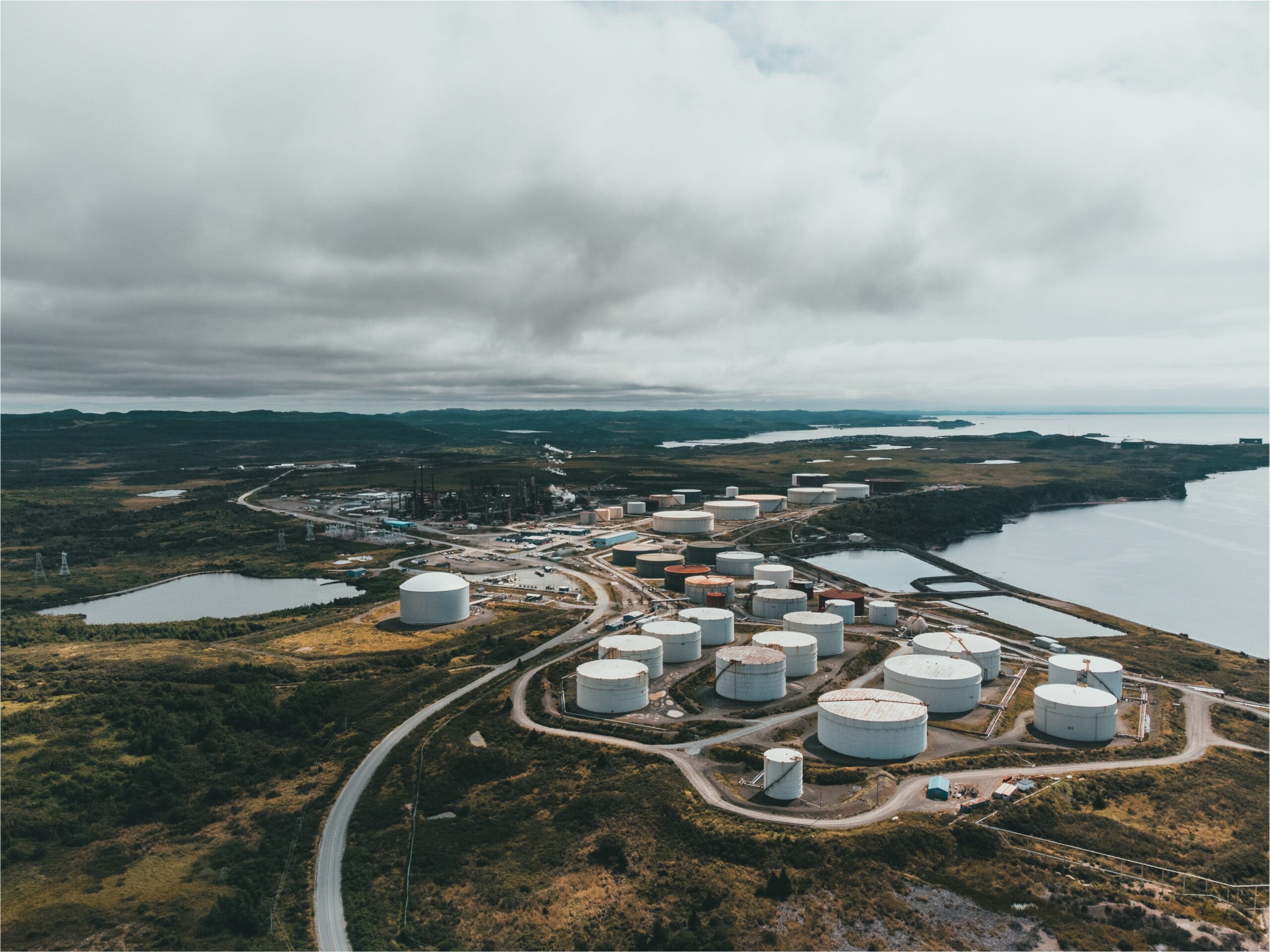
Oil Prices Rise as Markets Wait for Shipping Lanes Agreement
Oil Prices climbed more than 1% as investors closely watched negotiations over shipping lanes through the Strait of Hormuz, keeping the global energy market on edge. The latest move reflects growing uncertainty over when commercial shipping can return to more predictable conditions through one of the world’s most strategically important waterways.
The Strait of Hormuz has become a major focus for energy traders because disruptions in the region can affect the movement of crude oil and other energy products. Consequently, even signs of progress in negotiations can create sharp movements in financial and commodity markets.
Investors are now waiting for a final agreement that could provide greater clarity for shipping operators. However, the situation remains complicated, and markets are not yet treating the negotiations as a guaranteed solution.
The latest increase in Oil Prices shows that traders are still assigning a risk premium to crude. Although diplomatic discussions have raised hopes for improved shipping conditions, uncertainty surrounding the final deal continues to support prices.
Why the Strait of Hormuz Is So Important
The Strait of Hormuz connects the Persian Gulf with the Gulf of Oman and the Arabian Sea. It is a critical route for global energy shipments, which makes any disruption there an immediate concern for oil-importing countries and energy companies.
When shipping becomes difficult or uncertain, traders worry about potential delays in crude supplies. As a result, energy markets can react quickly, particularly when there are concerns that disruptions could last for an extended period.
Higher Oil Prices can have a broad impact on the global economy. For example, more expensive crude can increase fuel costs for airlines, transportation companies and manufacturers. In addition, businesses may eventually pass some of those higher costs on to consumers.
That creates another concern for central banks because sustained energy inflation can make it harder to bring overall inflation under control.
Therefore, investors are watching the shipping negotiations not only because of their impact on crude supplies but also because of their potential effect on global inflation and interest-rate expectations.
Shipping Lanes Deal Becomes the Key Market Focus
The latest market attention is centered on discussions concerning new shipping lanes and the conditions required for commercial vessels to move safely through the region.
Reports indicate that Iran and Oman have been involved in discussions aimed at creating arrangements for shipping. Nevertheless, the possibility of a final agreement has not removed all uncertainty because reopening the waterway may depend on broader political and security conditions.
For energy traders, the distinction is important. A preliminary understanding is not the same as a fully operational shipping arrangement.
Until shipping companies have confidence that vessels can move safely and consistently, traders may continue to price geopolitical risk into crude contracts.
This explains why Oil Prices have remained volatile even when diplomatic signals appear positive. Markets can move higher on fears of disruption and then retreat when negotiations appear to be progressing.
At the same time, traders are attempting to determine whether the latest developments represent a temporary improvement or the beginning of a lasting solution.
Global Energy Supply Remains Under Watch
The possibility of disruptions through the Strait of Hormuz has attracted attention because of the waterway’s importance to international energy markets. A prolonged disruption could affect supply chains well beyond the Middle East.
Asian economies are particularly sensitive to crude prices because several major countries rely heavily on imported energy. Higher crude costs can therefore increase fuel expenses, transportation costs and manufacturing expenses across the region.
European markets are also watching developments closely. Energy costs can influence industrial production and consumer spending, particularly when prices remain elevated for a prolonged period.
Meanwhile, the United States remains exposed to the broader inflationary effects of higher energy prices even though it produces significant amounts of crude domestically.
As a result, Oil Prices are being monitored by investors across equity, bond and currency markets.
The relationship between energy prices and financial markets can become especially important when central banks are already trying to balance inflation concerns with economic growth.
Inflation Concerns Could Return
One of the biggest risks associated with higher crude prices is renewed inflation pressure.
When crude becomes more expensive, gasoline and diesel prices can rise. In turn, transportation and logistics costs may increase for businesses. Those higher expenses can eventually influence the prices of goods and services.
If the increase lasts only a short time, central banks may look through the temporary shock. However, a prolonged rise in energy costs could create a more complicated policy environment.
Higher Oil Prices could therefore influence expectations for interest rates, especially if inflation data begins showing stronger price pressures.
Investors are watching upcoming economic reports for clues about the direction of inflation. U.S. consumer and producer price data will be particularly important because they could affect expectations for Federal Reserve policy.
If inflation remains under control despite higher energy costs, markets may be able to absorb the increase more easily. Conversely, stronger-than-expected inflation could trigger concerns that interest rates may remain elevated for longer.
Stock Markets Face a New Energy Test
The rise in crude prices is also creating a mixed environment for global equity markets.
Energy companies can benefit from higher crude prices because stronger commodity prices can increase revenue and improve profitability. Therefore, energy stocks may perform better when the oil market moves higher.
However, other sectors can face pressure.
Airlines, shipping companies, transportation businesses and manufacturers may experience higher operating costs when fuel becomes more expensive. Consumer companies can also face challenges if households have to spend more on gasoline and energy.
Consequently, rising Oil Prices can create a rotation within equity markets rather than simply pushing all stocks lower.
Investors will therefore examine company earnings and guidance for evidence of how businesses are managing higher energy expenses.
Companies with strong pricing power may be able to pass higher costs on to customers. On the other hand, businesses operating with narrow margins could face greater pressure.
Currency Markets Are Also Watching Crude
The oil market can influence currency markets as well. Countries that export large quantities of energy can benefit from higher crude prices because stronger export revenues can support their currencies.
Meanwhile, countries that rely heavily on imported oil may face higher import bills.
This can affect trade balances and potentially influence inflation expectations.
For this reason, Oil Prices are closely followed by currency traders as well as commodity investors.
A sustained increase in crude prices could strengthen some energy-exporting currencies while creating pressure for economies that depend heavily on imported fuel.
However, currency movements also depend on interest rates, economic growth and investor risk appetite. Therefore, oil is only one part of a much larger market equation.
Traders Remain Focused on the Final Agreement
The biggest question for markets is whether negotiations will produce a final shipping lanes deal that can be implemented effectively.
A confirmed agreement could reduce uncertainty and potentially remove some of the geopolitical premium from crude. In that scenario, Oil Prices could come under pressure if traders become more confident that shipping disruptions will ease.
On the other hand, if negotiations fail or implementation is delayed, traders could quickly return to concerns about supply disruptions.
That possibility is keeping market participants cautious.
Investors have learned from previous geopolitical events that early diplomatic announcements do not always translate into immediate changes in physical supply conditions.
Therefore, the market is likely to look for practical evidence that commercial shipping is returning to normal rather than relying only on political statements.
Why Traders Are Watching Every Development
Commodity markets often respond quickly to new information because traders continuously adjust expectations about future supply and demand.
A single announcement about shipping security can therefore cause significant price movements.
In the current environment, Oil Prices are being influenced by several competing factors at the same time. Geopolitical risk is pushing prices higher, while expectations of improved shipping conditions could limit further gains.
Economic growth is another important consideration. If global economic activity remains strong, demand for crude could stay relatively healthy.
However, if higher energy costs begin hurting consumers and businesses, economic growth could slow. That would eventually reduce fuel demand and place pressure on crude prices.
This creates a difficult balancing act for investors.
What Could Happen Next?
The next major market move will likely depend on the outcome of the shipping lanes negotiations.
If a final agreement is announced and commercial shipping begins returning to normal, traders could become more comfortable reducing geopolitical risk positions. In that situation, Oil Prices could lose some of their recent gains.
Nevertheless, the reaction may not be immediate. Traders will want to see whether the agreement works in practice and whether shipping companies are willing to resume normal operations.
If the negotiations break down, the opposite could happen.
A renewed disruption risk could push crude prices higher as traders price in the possibility of tighter supply.
Additionally, investors will be watching inflation data, central-bank decisions and global economic indicators.
These factors could determine whether the current oil rally becomes a short-term move or develops into a more sustained trend.
Energy Companies Could Remain in Focus
Higher crude prices can provide a significant advantage to oil and gas producers. If production costs remain relatively stable, higher selling prices can improve margins.
As a result, energy companies could attract additional investor interest while the crude market remains strong.
However, investors will also consider whether the price increase is sustainable.
If the shipping situation improves rapidly, Oil Prices could decline and reduce some of the recent benefits enjoyed by producers.
Therefore, energy investors will be paying close attention to both commodity prices and geopolitical developments.
Meanwhile, companies outside the energy sector will be evaluating how long higher fuel costs might affect their financial performance.
A Delicate Balance for the Global Economy
The current situation highlights how closely geopolitics, energy markets and the global economy are connected.
A shipping disruption in one strategically important region can influence fuel prices, inflation expectations, stock markets and monetary policy around the world.
That is why Oil Prices have become one of the most closely watched indicators for investors during the current period of uncertainty.
The market’s reaction will ultimately depend on whether diplomatic progress can translate into stable shipping conditions.
If that happens, pressure on energy markets could gradually ease. On the contrary, if uncertainty continues, crude could remain supported by the geopolitical risk premium.
Conclusion
Oil Prices have moved more than 1% higher as investors wait for greater clarity on a potential final shipping lanes agreement involving the Strait of Hormuz. The increase reflects continued concerns about energy supply security and the possibility that shipping disruptions could persist.
Although negotiations have created some optimism, markets remain cautious because a preliminary agreement does not automatically guarantee a complete return to normal shipping operations.
For investors, the next stage of the process will be crucial. A successful deal could reduce geopolitical risk and potentially bring some relief to crude markets. However, a delay or breakdown in negotiations could produce another wave of buying.
At the same time, traders will continue watching inflation data and central-bank policy. Higher energy costs could complicate the inflation outlook if they remain elevated for a prolonged period.
Ultimately, Oil Prices are likely to remain volatile until the market receives stronger evidence that shipping conditions through the Strait of Hormuz are becoming stable.
For now, investors are taking a cautious approach. The rise in crude prices shows that the market is still concerned about supply risks, while the focus on negotiations suggests traders are also hoping for a diplomatic solution.
The coming days could therefore be important for the global energy market. A confirmed shipping agreement may calm traders, while continued uncertainty could keep Oil Prices elevated and increase pressure on economies that depend heavily on imported energy.
S&P 500 Futures Surge As Strait Of Hormuz Talks Boost Global Equities

