

Apple all-glass iPhone Cancellation Sparks Alarming Wall Street Fears
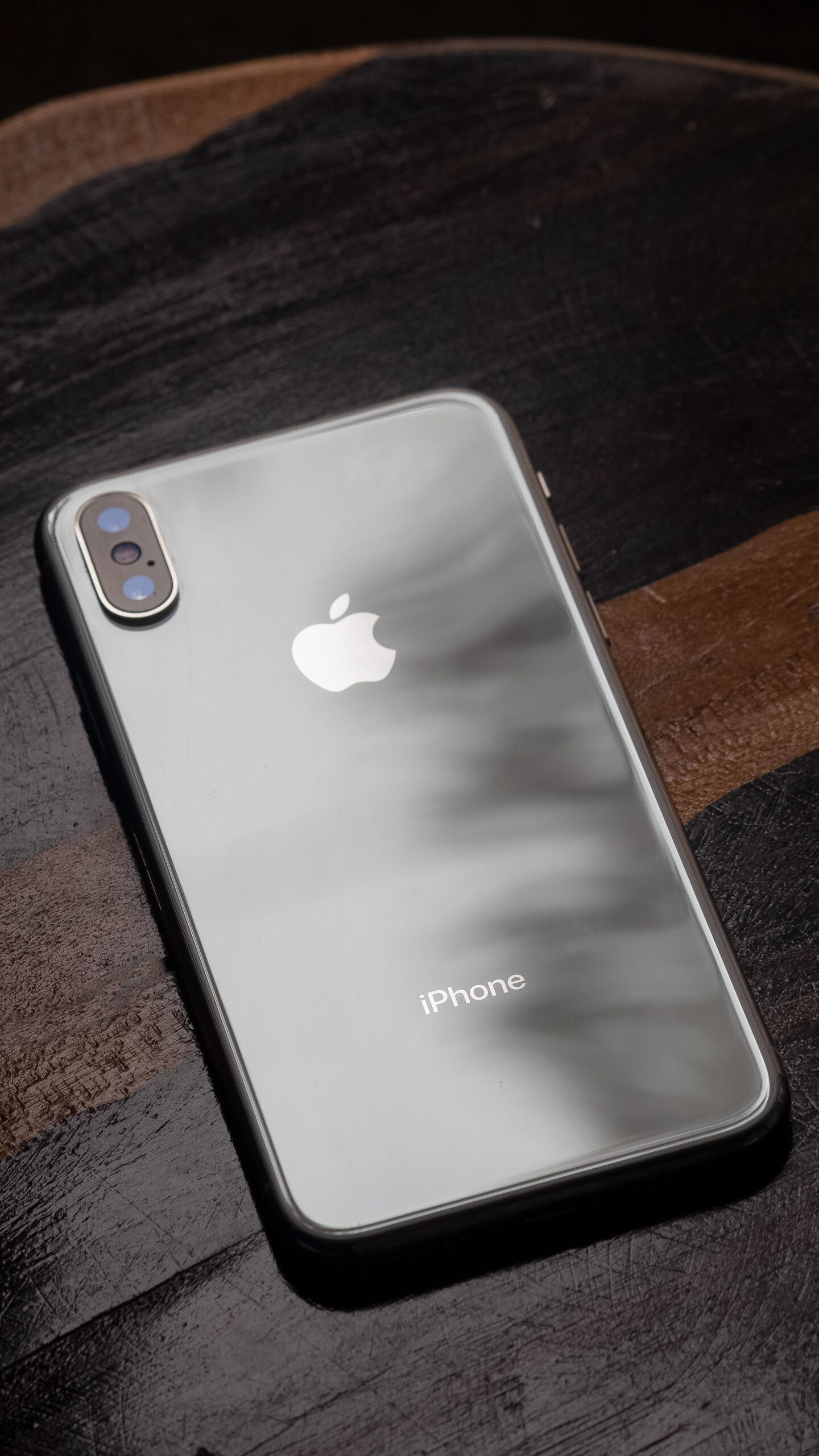
Apple All-Glass iPhone Cancellation Shakes Investor Confidence
Apple all-glass iPhone cancellation has suddenly become a major concern for investors, after a new analyst report said Apple may have abandoned its ambitious 20th-anniversary smartphone project. The report has raised fresh questions about the company’s premium iPhone strategy, manufacturing plans and ability to push average selling prices higher at a time when component costs are rising.
The news comes from Jefferies analyst Edison Lee, who downgraded Apple to Underperform and cut his price target to $263.66 from $285.56. Apple shares fell about 1.5% on Monday following the downgrade. The report said supply-chain checks pointed to poor production yields as the reason for the cancellation of the planned device, which had been expected to arrive in September 2027 as part of the iPhone’s 20th-anniversary celebration.
The Apple all-glass iPhone was expected to represent one of the company’s boldest design changes since the iPhone X. Earlier reports suggested Apple was exploring a wraparound glass design with a highly curved display and an almost bezel-free appearance. The project was seen as more than a cosmetic redesign because Apple reportedly wanted the new architecture to establish a design direction for future premium iPhone models.
For investors, however, the reported cancellation is important for another reason. Apple has increasingly relied on premium devices and higher selling prices to support revenue growth. A special anniversary model priced at roughly $2,060 could have created another opportunity to expand the company’s average selling price. Without that product, analysts are now questioning how Apple will generate the same level of premium pricing power.
Manufacturing Problems May Be Behind the Decision
The Apple all-glass iPhone story also highlights the difficult engineering challenge behind Apple’s most ambitious products. Building a smartphone around a large, curved piece of glass is not simply a matter of changing the exterior. The display, frame, internal components, antennas, cameras, thermal system and protective structure all have to work together while maintaining durability and manufacturing consistency.
Poor production yield can become a serious problem when a company is preparing a high-volume consumer product. If too many components fail during manufacturing, production costs rise and supply becomes harder to manage. Apple has historically placed enormous importance on manufacturing scale, so a design that looks impressive in a prototype but performs poorly on production lines may not make commercial sense.
The Apple all-glass iPhone was reportedly being developed as a 20th-anniversary statement, similar in spirit to the role played by the iPhone X for the tenth anniversary. The iPhone X introduced a major visual and interaction shift in 2017, replacing the Home button with a larger edge-to-edge display and gesture-based navigation. Expectations for the 2027 anniversary model were therefore high from the beginning.
Earlier rumors suggested that the Apple all-glass iPhone could feature a display that curves around all four edges of the handset. Reports also pointed to micro-curved OLED technology, which would allow Apple to create a near-borderless appearance without relying on the dramatic waterfall-style curves seen on some older Android phones. These details helped build anticipation for a product that could have become a showcase for Apple’s design and display technology.
Apple Could Still Change the Design
Yet the reported cancellation does not necessarily mean Apple has abandoned radical iPhone design altogether. The company could modify the project, delay it, or use parts of the technology in another model. Apple has often experimented with new hardware concepts internally before deciding whether they are practical enough for mass production.
The Apple all-glass iPhone could therefore return in a different form at a later date. However, the immediate investment question is whether Apple can replace the financial opportunity that analysts expected from the device. Jefferies estimates that the planned product could have helped Apple lift average selling prices, especially as the company faces higher costs for memory and other components.
The Apple all-glass iPhone also mattered because anniversary products can shape consumer expectations for years. A major redesign could have encouraged existing iPhone owners to upgrade earlier than planned, while also giving Apple a stronger marketing story around the 20th anniversary.
Rising memory costs are another concern for Apple. Analysts have warned that the cost of dynamic RAM could increase sharply through 2027. If component expenses climb while Apple lacks a major new premium product to support pricing, the company could face additional pressure on margins. That makes the reported cancellation more significant than a simple design change.
Foldable iPhone Becomes More Important
The Apple all-glass iPhone was also expected to sit alongside a foldable iPhone in Apple’s future premium lineup. The foldable model is widely expected to arrive around the company’s next major iPhone launch cycle, although its high expected price could limit sales to a relatively small group of customers. For Apple, the challenge will be turning new form factors into meaningful revenue rather than simply creating expensive showcase products.
A foldable iPhone could still become an important part of Apple’s strategy, particularly if the company can use its ecosystem and brand strength to persuade existing customers to pay a significant premium. However, analysts have suggested that a high price could make the device a niche product. That leaves Apple needing other ways to increase the value of its mainstream and Pro iPhone lineup.
The Apple all-glass iPhone cancellation also comes at a sensitive moment for Apple’s artificial intelligence strategy. Investors have been watching the company closely for evidence that AI features can create a new upgrade cycle. Apple has made progress with its AI platform, but analysts have questioned whether its rollout has been fast enough compared with rivals.
That combination of challenges is what makes the latest Wall Street reaction particularly important. The market is not necessarily worried about one canceled product alone. Instead, investors are assessing whether Apple has enough new technology, pricing power and product innovation to maintain its premium position over the next several years.
Why Investors Wanted the Anniversary iPhone
The Apple all-glass iPhone could have helped solve part of that problem by giving customers a visibly different reason to upgrade. Smartphones have matured considerably, and many yearly iPhone changes are incremental. A dramatic anniversary design might have created excitement similar to the response generated by earlier landmark models.
At the same time, Apple must balance innovation against reliability. Consumers expect premium iPhones to survive drops, heat, moisture and everyday wear. A wraparound glass structure could make repairs, durability and manufacturing more complicated. If the design increases breakage rates or creates production bottlenecks, its visual appeal may not justify the additional cost.
The Apple all-glass iPhone debate also demonstrates how closely Apple’s hardware decisions are connected to its financial performance. A new design can influence component orders, supplier investments, manufacturing capacity and product pricing. Therefore, when a major hardware project changes direction, investors immediately begin recalculating its potential effect on revenue and margins.
Jefferies’ downgrade has added weight to those concerns. The firm reduced its price target while arguing that the loss of the planned anniversary device could weaken Apple’s ability to increase average selling prices. Still, the broader analyst community remains far from uniformly bearish. Other analysts continue to maintain positive views on Apple, suggesting that the company’s services business, installed user base and long-term ecosystem remain valuable strengths.
The Apple all-glass iPhone may ultimately become a story about timing rather than a permanent rejection of the concept. Apple could decide that the technology needs more time before it can meet the company’s quality standards. A delay would allow engineers and suppliers to improve manufacturing yields, strengthen the structure and reduce the risks associated with producing a highly unconventional smartphone.
For Apple suppliers, the Apple all-glass iPhone project may have represented a significant future production opportunity. Any cancellation or redesign could therefore influence investment decisions across parts of the supply chain, particularly companies involved in advanced displays, glass components and precision manufacturing.
Any decision involving the Apple all-glass iPhone could also affect spending on specialized display and glass manufacturing equipment. Suppliers typically prepare well ahead of major launches, meaning a change in Apple’s plans can have consequences beyond the company itself.
What the Cancellation Means for Consumers
For consumers, the Apple all-glass iPhone idea remains interesting even if Apple ultimately introduces a more practical alternative. The concept represented a vision of a smartphone with fewer visible boundaries between its display, frame and protective structure.
Consumers may remember the Apple all-glass iPhone idea even if Apple ultimately introduces a more practical alternative. The company could eventually deliver many of the same visual benefits through improved OLED technology, thinner bezels and carefully engineered curved edges without using a completely wraparound glass structure.
The Apple all-glass iPhone could still influence future prototypes and research even if the commercial product disappears. Apple’s engineering teams may retain technologies developed during the project and apply them to later generations.
Analysts will likely continue tracking the Apple all-glass iPhone project through supplier checks and future leaks. Because Apple rarely confirms unreleased products before launch, outside reports can remain uncertain until the company officially announces its hardware plans.
Meanwhile, the Apple all-glass iPhone remains an important test of how far Apple can push hardware design. The company has built much of its reputation around combining attractive industrial design with technologies that eventually become mainstream.
The Apple all-glass iPhone was never officially confirmed by Apple, making the latest reports important but still subject to change. Apple has not publicly announced that it has canceled such a product, so investors should distinguish between analyst reports, supply-chain information and confirmed company statements.
Wall Street’s Bigger Concern
For now, the Apple all-glass iPhone appears to be a costly ambition facing a difficult manufacturing reality. If Apple has indeed abandoned the project, it will need to show investors that another product or technology can create a comparable premium opportunity.
Ultimately, Apple’s biggest challenge is not simply making a beautiful smartphone. It is creating a product that can be manufactured at scale, sold at a premium and supported by a compelling reason for customers to upgrade. The reported setback shows how difficult that balance can be, even for one of the world’s most valuable technology companies.
Wall Street’s reaction should therefore be viewed as a warning rather than a verdict. Apple still has enormous resources, a powerful brand and a massive global customer base. If the company can turn its next innovations into practical, profitable products, investor confidence can recover. But if major projects repeatedly face manufacturing or execution problems, concerns about the company’s future growth could become harder to dismiss.
The biggest question now is what Apple will put in place of the ambitious anniversary concept. The company has several potential growth engines, including premium iPhones, foldable hardware, artificial intelligence, services and future wearable technologies. Moreover, the strength of its ecosystem gives Apple considerable room to adapt.
For investors, the coming product cycle will therefore matter more than a single design rumor. If Apple can demonstrate strong demand, defend margins and deliver meaningful innovation, the current concern could fade. Conversely, continued delays or weaker-than-expected product differentiation could increase pressure on the stock.
The reported setback surrounding the Apple all-glass iPhone is ultimately a reminder that even Apple cannot ignore the realities of manufacturing. Bold designs can generate excitement, but they must also be reliable, scalable and profitable. Whether Apple eventually revives the idea or moves in another direction, the company will have to prove that its next generation of hardware can deliver both technological ambition and financial results.
VinSpace SpaceX Launch Deal: Major 2027 Mission Puts Vietnam On The Global Space Map
