

Gold Prices Hold Near 10-Week High as Investors Watch Inflation and Interest Rates
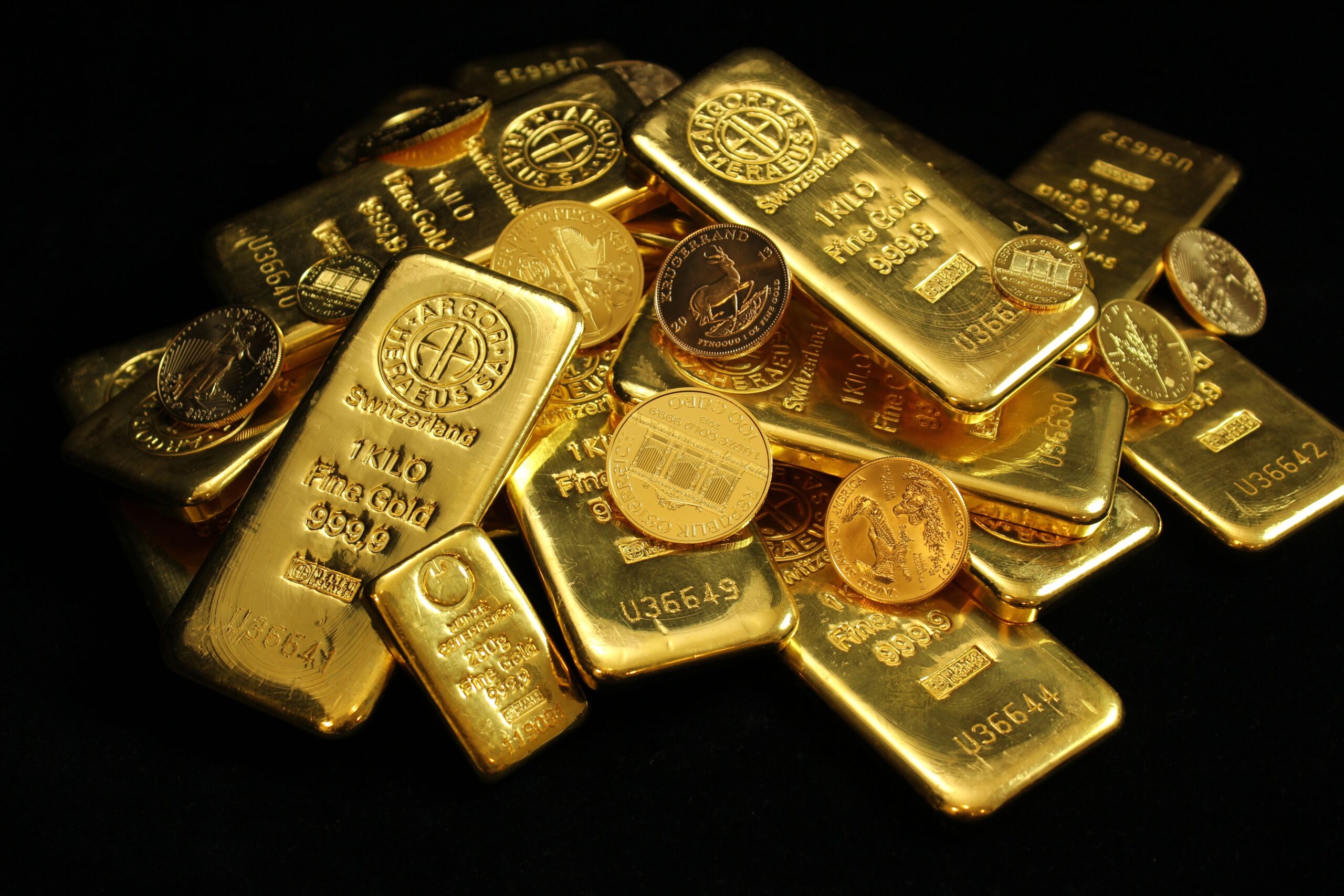
Gold Prices Remain Firm Near a 10-Week High
Gold Prices remained close to a 10-week high as investors continued to assess the outlook for interest rates, inflation and the U.S. dollar. The precious metal has attracted renewed attention as traders look for protection against economic uncertainty and changing expectations around monetary policy.
The latest move comes after a strong period for bullion, with investors increasingly focused on whether the Federal Reserve could become more supportive of lower interest rates. Because gold does not pay interest, expectations for borrowing costs often have a major influence on its appeal. When interest rates are expected to decline, the opportunity cost of holding gold can fall, making the metal more attractive compared with interest-bearing assets.
At the same time, the dollar remains an important factor. A weaker U.S. currency can make gold cheaper for buyers using other currencies, potentially supporting demand. Therefore, movements in the dollar and Treasury yields remain closely watched by precious-metal traders.
The current strength of Gold Prices also reflects broader uncertainty across financial markets. Investors continue to monitor inflation data, economic growth, central-bank policy and geopolitical developments. Consequently, gold has maintained its role as a defensive asset even as investors continue to seek opportunities in equities and other riskier markets.
Why Gold Is Holding at Elevated Levels
One of the main reasons Gold Prices are holding near their recent high is uncertainty about the future direction of monetary policy. Investors are trying to determine how quickly major central banks could reduce interest rates if inflation continues to moderate.
Gold generally performs well when real interest rates decline because the metal becomes relatively more attractive compared with bonds and cash. However, the relationship is not always straightforward. Strong economic data can push yields higher, while weaker economic data can increase expectations for rate cuts.
For now, investors are balancing both possibilities. Economic activity remains resilient in several major economies, yet inflation continues to influence central-bank decisions. As a result, the precious-metal market has remained sensitive to every major economic report.
The fact that Gold Prices have stayed close to a multi-week high suggests that investors are still willing to maintain exposure to bullion despite uncertainty over the timing of future policy changes.
Inflation Remains a Key Market Driver
Inflation is one of the most important factors influencing Gold Prices. Investors traditionally view gold as a store of value during periods when the purchasing power of currencies is under pressure.
Although inflation has eased from the extreme levels seen during the global price shock of previous years, policymakers continue to monitor services costs, wages and other components of inflation carefully.
If inflation remains persistent, central banks may have less room to cut rates aggressively. That could support bond yields and potentially limit gold’s upside. On the other hand, if inflation continues moving toward central-bank targets, expectations for lower interest rates could strengthen.
This delicate balance has kept the gold market active. Investors are therefore paying close attention to inflation reports because even a small surprise can change expectations for monetary policy.
The Federal Reserve and Gold
The Federal Reserve remains particularly important for Gold Prices because U.S. monetary policy affects global borrowing costs, Treasury yields and the dollar.
When markets expect the Federal Reserve to cut interest rates, gold can benefit because lower yields reduce the relative attractiveness of interest-bearing investments. Conversely, expectations for higher rates can place pressure on bullion.
Investors are therefore watching comments from Federal Reserve officials for clues about the future path of monetary policy. The central bank has to balance inflation risks against economic growth, making the timing of any policy adjustment uncertain.
For gold traders, this means that every major U.S. employment report, inflation reading and economic growth indicator can potentially move the market.
The Dollar Adds Another Layer of Uncertainty
The U.S. dollar is another major influence on Gold Prices. Gold is priced internationally in dollars, so changes in the currency can affect its affordability for international buyers.
When the dollar weakens, gold can become more affordable for investors holding other currencies. That can increase demand and support prices. Conversely, a stronger dollar can make bullion relatively more expensive outside the United States.
Recently, currency-market movements have therefore been closely connected to the precious-metals story. Investors are watching whether the dollar can maintain its strength or whether changing expectations for U.S. interest rates could put pressure on the currency.
If the dollar weakens further, gold could receive another boost. However, a renewed dollar rally could create resistance for the metal.
Safe-Haven Demand Supports Bullion
Another factor supporting Gold Prices is continued demand for safe-haven assets. Gold has traditionally been viewed as a hedge against financial and geopolitical uncertainty.
Investors often increase exposure to gold when they become concerned about market instability. Such demand can emerge during periods of geopolitical tensions, financial stress or uncertainty surrounding global economic growth.
Although risk appetite can remain strong in equity markets, investors may still maintain gold positions as a form of portfolio insurance. This helps explain why bullion can remain elevated even when stock markets are performing relatively well.
Moreover, institutional investors and central banks have continued to pay attention to gold as part of broader reserve and diversification strategies.
Central Banks Remain Important Buyers
Central-bank demand has become an increasingly important part of the long-term gold story. Several central banks have increased their gold reserves in recent years as they seek to diversify away from traditional foreign-exchange assets.
This trend can provide structural support for Gold Prices, particularly when investment demand from other parts of the market becomes less consistent.
Central banks typically have long-term objectives rather than short-term trading goals. Therefore, their purchases can create a relatively stable source of demand.
However, central-bank buying can fluctuate from one period to another. Consequently, traders still need to monitor official reserve data alongside investor flows, futures positioning and physical demand.
Investors Watch ETF Flows
Gold-backed exchange-traded funds are another important indicator for Gold Prices. ETF flows provide insight into whether institutional and retail investors are increasing or reducing exposure to bullion.
When investors add money to gold ETFs, fund managers may need to purchase additional physical gold to support the shares outstanding. Strong inflows can therefore reinforce upward price momentum.
Conversely, sustained outflows can create additional selling pressure.
For that reason, analysts monitor ETF holdings alongside futures markets and physical demand. A combination of strong ETF inflows, central-bank buying and safe-haven demand can create a powerful environment for bullion.
Physical Gold Demand Remains Relevant
While financial markets receive much of the attention, physical demand continues to influence Gold Prices. Major markets such as China and India are particularly important because gold has strong cultural and investment significance in both countries.
Jewelry demand, investment bars and coins can all affect the physical market. However, high prices can also discourage some buyers, particularly in price-sensitive markets.
This creates an interesting dynamic. Rising gold prices can attract investors who expect further gains, but they can simultaneously reduce demand from consumers who purchase gold for jewelry.
The balance between investment demand and physical consumption is therefore an important factor for the market’s next move.
Gold’s Strong Performance Creates New Questions
The strength of Gold Prices has also raised questions about whether the market can continue moving higher without a significant correction.
Gold has experienced a substantial long-term rally, supported by central-bank buying, geopolitical uncertainty, investor demand and expectations surrounding monetary policy.
However, markets rarely move in a straight line. After strong gains, investors may choose to lock in profits, especially if economic data becomes more supportive of higher interest rates.
A pullback would not necessarily signal the end of the broader bullish trend. Instead, it could represent a normal period of consolidation after a strong advance.
Technical Levels Are Becoming More Important
As Gold Prices remain near a 10-week high, traders are increasingly focused on technical support and resistance levels.
A sustained move above recent highs could encourage momentum traders to increase positions. On the other hand, failure to break higher could lead to profit-taking.
Technical analysts often examine moving averages, previous highs and lows, trading volumes and momentum indicators to determine whether a trend is strengthening or weakening.
However, technical analysis is only one part of the picture. Fundamental developments, particularly changes in interest-rate expectations and inflation, can quickly override technical signals.
What Could Push Gold Higher?
Several factors could support Gold Prices in the coming weeks and months.
First, expectations for lower interest rates could increase demand for bullion. Second, a weaker dollar could make gold more attractive internationally. Third, continued geopolitical uncertainty could encourage investors to seek safe-haven assets.
In addition, continued central-bank purchases could provide a structural source of demand.
If several of these factors occur simultaneously, gold could attempt to challenge higher price levels. Strong investment inflows could further strengthen the move.
Nevertheless, investors should remember that a rising gold market can also experience sharp corrections.
What Could Pressure the Market?
On the other hand, Gold Prices could face pressure if U.S. economic data remains unexpectedly strong and causes investors to reduce expectations for interest-rate cuts.
A stronger dollar could also weigh on bullion. Higher Treasury yields may create another headwind because investors would have greater incentives to hold interest-bearing assets.
Additionally, a reduction in geopolitical risk could decrease safe-haven demand.
Profit-taking is another potential source of selling pressure. After a strong rally, investors who bought at lower levels may decide to secure gains, creating temporary downward momentum.
Therefore, while the medium-term outlook remains closely watched, short-term volatility should not be underestimated.
Outlook for Investors
The outlook for Gold Prices will depend heavily on the interaction between monetary policy, inflation, currency movements and global risk sentiment.
If investors increasingly believe that interest rates are heading lower, gold could remain attractive. However, if inflation proves difficult to control and central banks maintain restrictive policies for longer, the market could face greater resistance.
The dollar will also remain crucial. A weaker currency could provide additional support, while a stronger dollar could make it more difficult for bullion to maintain its momentum.
At the same time, central-bank demand and geopolitical risks provide longer-term support that may prevent significant declines from becoming sustained trends.
Gold’s Role in a Diversified Portfolio
The current strength of Gold Prices has once again highlighted the role of gold in diversified investment portfolios.
Gold does not generate interest or dividends, but investors often use it as a hedge against inflation, currency weakness and financial uncertainty.
A diversified portfolio may include equities, bonds, cash and alternative assets. Gold can potentially reduce portfolio dependence on any single asset class, particularly during periods of market stress.
However, investors should also recognize that gold can be volatile. Its price can fall significantly when market conditions change, and there is no guarantee that it will outperform other investments.
Therefore, gold is generally most useful when viewed as one component of a broader investment strategy rather than as a guaranteed source of returns.
Why the 10-Week High Matters
The fact that Gold Prices are holding close to a 10-week high is significant because it shows that bullish sentiment remains relatively strong.
A market that remains near its recent peak despite changing economic expectations can indicate that buyers are still willing to step in when prices decline.
However, maintaining a high level is different from breaking decisively into new territory. Traders will likely look for a clear catalyst before committing to another major move.
That catalyst could come from inflation data, Federal Reserve communication, movements in the dollar or a new geopolitical development.
Until then, gold may continue trading within a relatively narrow range while investors wait for clearer signals.
Conclusion
Gold Prices are holding near a 10-week high as investors continue to evaluate inflation, interest rates, the U.S. dollar and demand for safe-haven assets. The precious metal remains supported by several long-term factors, including central-bank buying and continued interest in portfolio diversification.
At the same time, the market faces potential headwinds. Stronger-than-expected economic data, higher bond yields or a stronger dollar could limit further gains. Investors will therefore remain focused on economic releases and central-bank communication.
The current environment demonstrates why gold continues to attract attention during periods of uncertainty. Its combination of limited supply, global demand and long-standing status as a store of value makes it an important asset in international financial markets.
For now, Gold Prices remain close to their recent highs, suggesting that investors are still confident enough to maintain exposure to bullion. However, the next major move will likely depend on whether expectations for monetary easing strengthen or fade.
If inflation continues to moderate and interest-rate expectations become more supportive, gold could receive another boost. Conversely, a stronger dollar and higher yields could trigger profit-taking.
Ultimately, the direction of Gold Prices will depend on a constantly changing combination of economic data, monetary policy and global risk sentiment. For investors, the most important task will be watching these factors closely rather than relying on a single market signal.
CoreWeave Debt Deal: CoreWeave Seeks $1.5 Billion In New Financing | CRAZYRITES

