

Oil Prices Under Pressure Due to Geopolitical Tensions
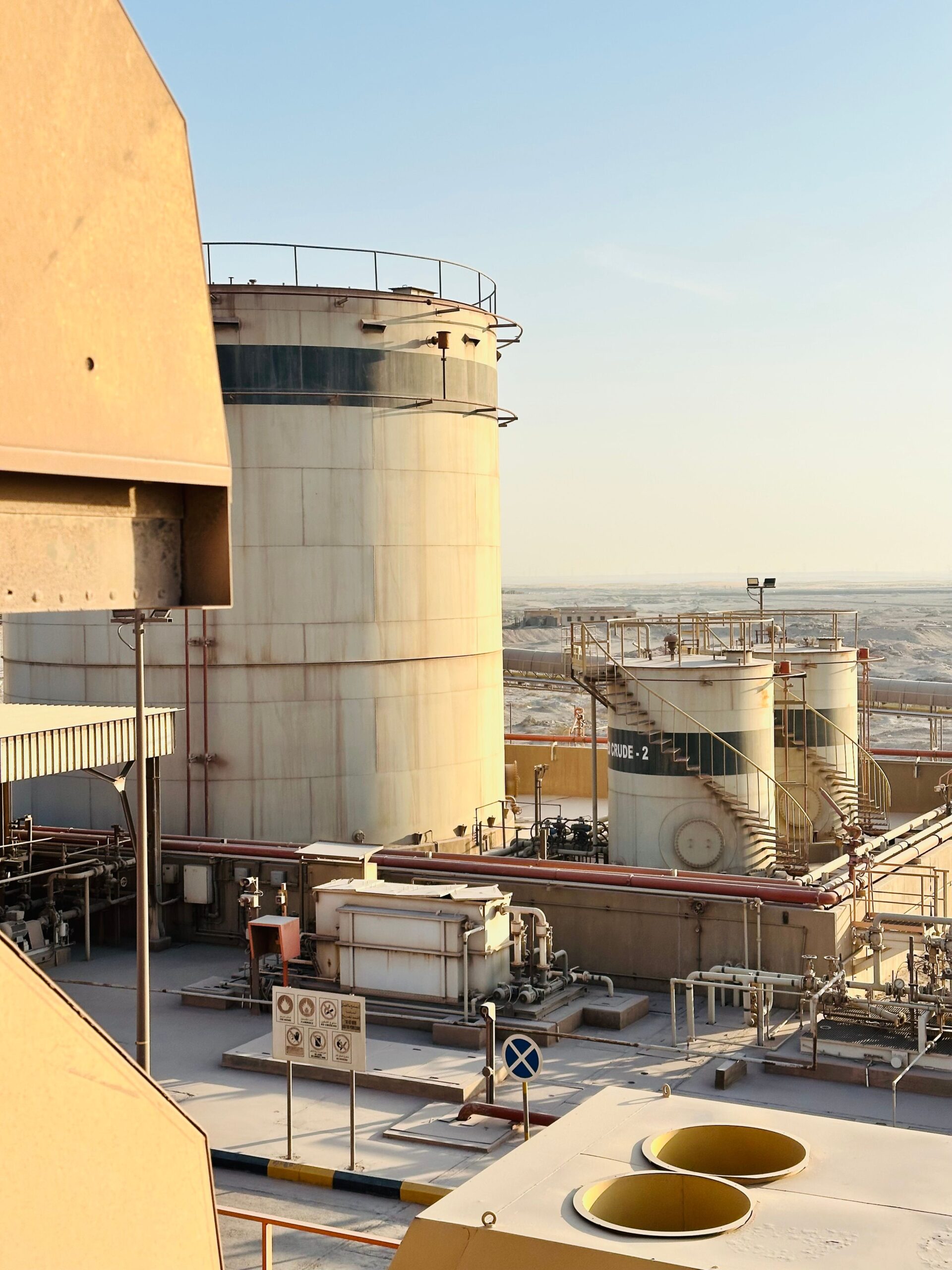
Oil Prices Face Fresh Pressure
Oil Prices are facing renewed pressure as geopolitical tensions continue to create uncertainty across global energy markets. While conflicts and political disputes can sometimes push crude higher because of fears about supply disruptions, the latest market environment has been more complicated. Traders are weighing geopolitical risks against concerns about global demand, economic growth and the possibility of sufficient oil supplies.
The energy market remains highly sensitive to developments in major producing regions. Any threat to shipping routes, production facilities or export infrastructure can quickly change market expectations. However, investors are also aware that higher prices can encourage additional production and reduce consumption, limiting the impact of short-term supply concerns.
As a result, the latest movement in crude prices reflects a delicate balance between risk and fundamentals. Traders are monitoring geopolitical developments closely, but they are also paying attention to inventories, refinery activity, economic data and central-bank policies.
For consumers and businesses, changes in crude prices can have wider consequences. Oil influences transportation costs, manufacturing expenses, airline operations and household energy bills. Therefore, even relatively modest movements in the energy market can eventually affect inflation and economic activity.
Geopolitical Tensions Complicate the Oil Market
The relationship between geopolitical tensions and Oil Prices is rarely straightforward. Historically, markets have often reacted strongly when conflicts threaten major oil-producing countries or important transportation routes.
The reason is simple. Crude oil is traded globally, and a disruption in one region can affect supplies far beyond that area. If traders believe that exports could be interrupted, they may immediately price in a risk premium.
However, not every geopolitical event results in a sustained rally. Markets often distinguish between a potential threat and an actual disruption. If production continues normally and shipments remain available, the initial risk premium can gradually disappear.
That is why traders are watching current geopolitical developments carefully. They want to determine whether tensions could lead to a genuine supply shortage or whether the impact will remain largely limited to market sentiment.
Supply Concerns Remain Important
One of the biggest factors influencing Oil Prices is the global supply outlook. Production decisions by major oil-producing countries can have a significant impact on market balances.
The Organization of the Petroleum Exporting Countries and its partners continue to play an important role in managing supply expectations. Production adjustments can influence whether the market faces a surplus or deficit.
If producers reduce output while demand remains strong, prices could receive support. Conversely, increased production can place downward pressure on crude if consumption does not grow at the same pace.
Therefore, investors are watching production levels, export data and official announcements for signs of how the supply picture could change.
Demand Concerns Limit the Upside
At the same time, demand concerns are putting pressure on Oil Prices. Global economic growth remains one of the most important drivers of energy consumption.
When economies expand rapidly, businesses typically use more fuel, airlines increase flights and consumers travel more. Industrial activity also tends to increase, supporting oil demand.
However, if economic growth slows, fuel consumption can weaken. This is particularly important for major economies such as the United States, China and India.
China remains especially significant because it is one of the world’s largest oil consumers. Any signs of weaker industrial activity, reduced transportation demand or slower economic growth can influence expectations for global crude consumption.
Consequently, geopolitical tensions alone may not be enough to push prices significantly higher if traders believe global demand will remain soft.
The U.S. Dollar Also Matters
Currency movements are another important factor affecting Oil Prices. Crude oil is generally priced in U.S. dollars, which means changes in the value of the currency can influence international demand.
When the dollar strengthens, oil can become more expensive for buyers using other currencies. This can potentially reduce demand or at least make purchasing crude more costly.
On the other hand, a weaker dollar can make commodities priced in dollars more affordable for international buyers.
Investors are therefore watching U.S. monetary policy closely. Expectations surrounding interest rates can influence the dollar, bond yields and commodity markets at the same time.
If markets expect lower U.S. interest rates, the dollar could weaken, potentially providing some support to crude. However, stronger economic data could produce the opposite effect.
Inflation Remains Closely Connected to Oil
The relationship between Oil Prices and inflation is particularly important for central banks. Energy costs are a major component of the broader cost structure of modern economies.
When crude prices rise sharply, transportation and production costs can increase. Businesses may pass some of those costs to consumers, potentially adding to inflation.
Conversely, falling oil prices can provide relief by lowering fuel costs and reducing expenses for companies that rely heavily on transportation.
For central banks, this creates an additional challenge. A sudden increase in energy prices could complicate efforts to bring inflation under control, while lower crude prices could make it easier for policymakers to support economic growth.
As a result, financial markets often react to oil movements not only as an energy story but also as an inflation story.
Shipping Routes Are Under Watch
Geopolitical tensions can have an especially large impact when they involve major oil shipping routes. A disruption to maritime trade can create supply problems even if oil production itself remains unchanged.
The Middle East is particularly important because several critical energy transportation routes pass through the region. Any serious disruption could force ships to take longer routes, increase insurance costs and delay deliveries.
That possibility can cause traders to add a risk premium to crude contracts.
Nevertheless, markets generally need evidence of an actual disruption before sustaining a major price increase. If shipments continue normally, concerns can fade relatively quickly.
This distinction between perceived risk and real supply disruption remains central to the current oil market.
Inventories Provide Another Signal
Oil inventories are another key indicator for understanding Oil Prices. Stockpile data can provide insight into whether supply is exceeding demand or whether the market is becoming tighter.
When inventories rise significantly, traders may interpret the increase as evidence of weaker demand or excess supply. That can put downward pressure on crude.
Conversely, falling inventories can indicate stronger consumption or tighter supply conditions, potentially supporting prices.
U.S. inventory data receives particular attention because the country is one of the world’s largest oil consumers and producers. Weekly changes can sometimes produce short-term volatility in crude futures.
However, inventory figures need to be viewed alongside refinery activity and seasonal demand. A temporary increase in stocks does not necessarily mean the market is structurally oversupplied.
Refinery Demand Is Also Important
Refinery activity has a direct impact on Oil Prices because crude must be processed into products such as gasoline, diesel and jet fuel.
When refineries operate at high utilization rates, they consume more crude. This can increase demand for oil and support prices.
During maintenance periods, however, refinery demand can temporarily decline. That can lead to higher crude inventories even if underlying fuel demand remains healthy.
Seasonal patterns also matter. Summer driving demand can increase gasoline consumption in the United States while winter weather can influence heating fuel requirements.
Traders therefore monitor refinery utilization and petroleum product inventories to determine the strength of underlying energy demand.
OPEC+ Remains a Major Market Force
The policies of OPEC+ continue to influence Oil Prices because the group represents a substantial share of global production.
Production decisions can significantly change market expectations. If OPEC+ members maintain discipline and limit output, the market may become tighter.
On the other hand, higher production can increase available supplies and put pressure on prices.
The group must also consider the interests of individual producers. While lower production can support prices, countries may want to maximize export revenues.
This creates an ongoing balancing act between protecting market stability and maintaining market share.
U.S. Production Changes the Supply Picture
The United States has become one of the world’s most important oil producers, adding another layer to the global supply equation.
Strong U.S. production can help offset supply disruptions elsewhere. That can limit the impact of geopolitical risks on Oil Prices.
However, U.S. producers also respond to market conditions. If crude prices fall significantly, some companies may reduce drilling activity or delay investment.
Over the longer term, production decisions depend on expected profitability, technological improvements and access to capital.
Therefore, U.S. output remains an important variable for traders trying to forecast the global oil balance.
Renewable Energy Creates a Long-Term Challenge
The energy transition is another factor shaping the future of Oil Prices. Governments and companies around the world are investing heavily in renewable energy, electric vehicles, battery storage and other alternatives.
As electric vehicles become more common, gasoline demand could gradually decline in some markets. Similarly, greater use of renewable electricity could reduce reliance on oil in certain sectors.
However, the transition will take time. Oil remains essential for transportation, petrochemicals, aviation and numerous industrial applications.
Therefore, crude demand is unlikely to disappear quickly. Instead, the market may gradually evolve as different energy technologies gain market share.
What Could Push Oil Prices Higher?
Several developments could support Oil Prices in the near term. A major disruption to production or transportation would likely be the most significant bullish catalyst.
A weaker dollar could also provide support, particularly if global investors increase commodity exposure.
Furthermore, stronger-than-expected economic growth could boost fuel consumption and improve demand expectations.
If inventories decline at the same time that production remains constrained, the market could become tighter.
However, the strength and duration of any rally would depend on whether these factors produce a sustained change in physical supply and demand.
What Could Keep Prices Under Pressure?
On the other hand, Oil Prices could remain under pressure if global economic growth slows.
Higher production from major exporters could also create additional supply, especially if demand fails to keep pace.
A stronger dollar could further weigh on commodities, while rising inventories could reinforce concerns about oversupply.
Another potential factor is weaker-than-expected Chinese demand. Because China is such an important energy consumer, signs of slower activity can quickly affect market sentiment.
Therefore, traders are likely to remain cautious until there is greater clarity about both supply and demand.
Outlook for the Energy Market
The outlook for Oil Prices remains highly dependent on the interaction between geopolitical risks and fundamental market conditions.
If tensions escalate into actual supply disruptions, crude could move higher quickly. However, if geopolitical risks remain contained while production stays strong and demand growth slows, prices could remain under pressure.
This uncertainty is likely to produce periods of volatility. Traders may react sharply to headlines, while longer-term investors focus on inventories, production and consumption trends.
For businesses, this environment makes energy-cost planning more difficult. Airlines, shipping companies, manufacturers and transportation businesses may need to prepare for sudden changes in fuel expenses.
Consumers may also notice the effects through gasoline and other energy prices.
Why the Current Market Matters
The current movement in Oil Prices demonstrates how closely financial markets are connected to geopolitical developments. A conflict or political dispute thousands of miles away can influence fuel costs, inflation expectations and investment decisions around the world.
At the same time, the market shows why geopolitical headlines should not be considered in isolation.
Supply, demand, inventories, currencies and economic growth all determine whether a price move can continue.
For now, traders appear to be balancing the possibility of supply disruptions against concerns about global consumption. That has created an uncertain environment in which prices can move quickly in either direction.
Conclusion
Oil Prices remain under pressure as geopolitical tensions compete with concerns about global demand, supply levels and economic growth. Although geopolitical risks can create a risk premium in crude markets, investors are looking for evidence that those risks will translate into actual disruptions.
The broader fundamentals remain equally important. Production decisions by major exporters, U.S. output, global inventories and demand from large economies will continue to shape the market.
Meanwhile, central-bank policy and movements in the U.S. dollar could influence commodity demand by changing financial conditions.
For consumers and businesses, the direction of crude prices matters because energy costs affect transportation, manufacturing and inflation. Consequently, even moderate changes in the oil market can have a broader economic impact.
Looking ahead, Oil Prices are likely to remain sensitive to geopolitical headlines. A significant disruption to production or shipping could quickly push prices higher, while strong supply and weaker demand could keep them under pressure.
Ultimately, the market will be driven by the balance between risk and fundamentals. Investors will need to monitor geopolitical developments, inventory reports, production decisions and economic indicators rather than relying on a single factor.
As the global energy system continues to evolve, oil will remain a crucial part of the world’s economy for years to come. The current uncertainty simply highlights how important it is to understand the many forces that influence Oil Prices and the wider energy market.
Gold Prices Hold Near 10-Week High As Investors Watch Inflation And Interest Rates

