

Crude Oil Prices Suffer Sharp Decline as Weak Demand Forecasts Raise Fresh Market Concerns
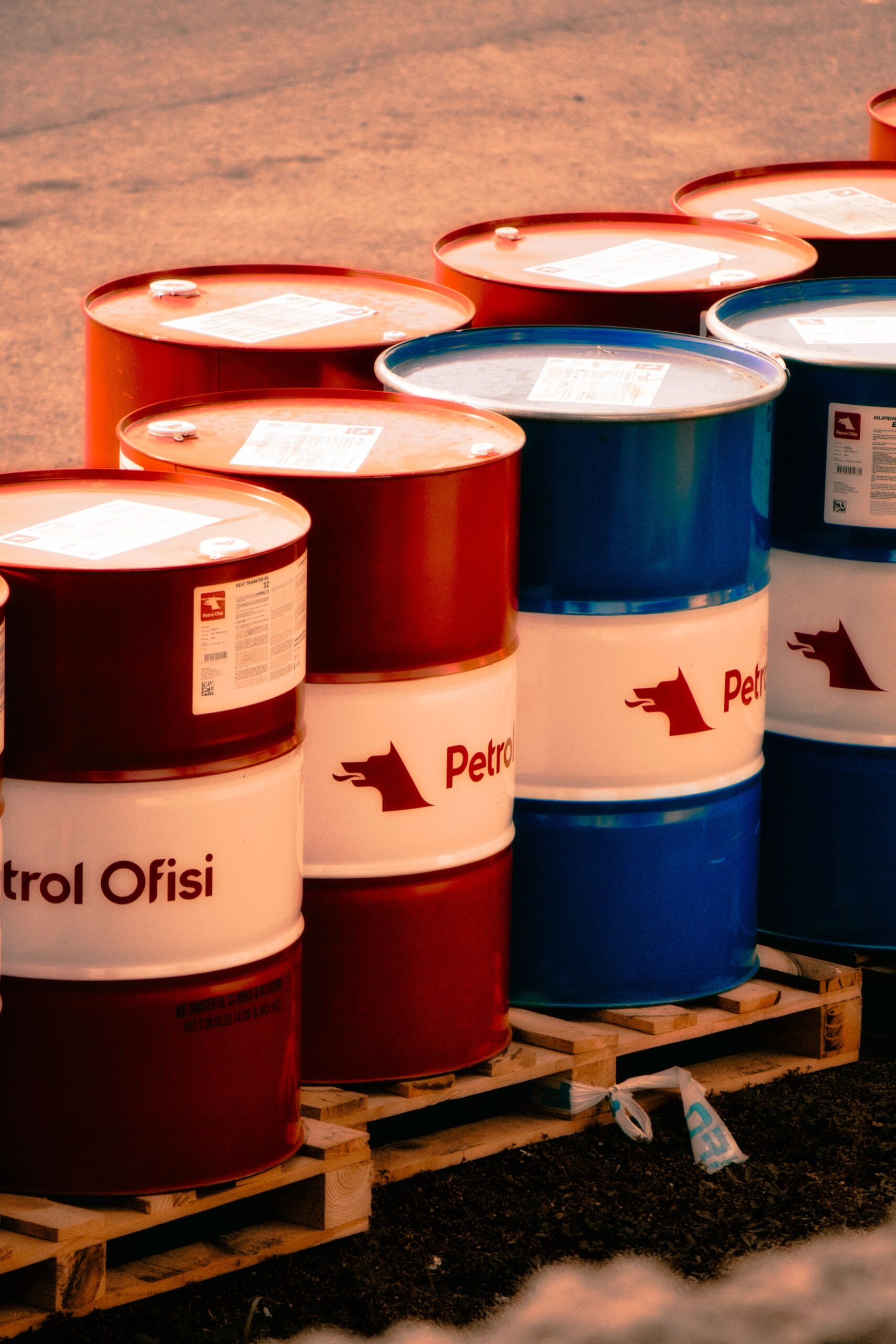
Oil markets came under fresh pressure on Thursday as traders reacted to weaker global demand forecasts, a sharp increase in U.S. crude inventories, and continuing uncertainty around the conflict involving the United States and Iran. Crude Oil Prices moved lower despite the fact that geopolitical risks remain elevated, highlighting the complicated balance between supply concerns and weakening consumption expectations. Brent crude fell sharply during the session, while U.S. West Texas Intermediate also declined. Reuters reported that Brent dropped around 2.5% to about $86.78 a barrel, while WTI fell roughly 2.8% to $80.93.
The latest decline shows how quickly sentiment can change in the energy market. Only a day earlier, concerns over shipping disruptions and stalled U.S.-Iran discussions had provided support to crude futures. However, the latest data shifted attention back toward demand and inventories. As a result, Crude Oil Prices struggled to maintain recent gains as investors assessed whether weaker consumption could outweigh the supply risks created by geopolitical tensions.
Demand Forecasts Become a Major Concern
One of the biggest reasons behind the latest market weakness is the downgrade in global oil demand expectations. OPEC has reduced its forecast for 2026 oil demand growth to around 580,000 barrels per day.
At the same time, the International Energy Agency has projected that global oil demand could contract by 1.6 million barrels per day this year. The different estimates reflect the uncertainty surrounding the global economy, energy prices, supply disruptions, and changing consumption patterns.
For investors, these revisions are important because oil prices ultimately depend on the balance between supply and consumption. If demand remains weaker for longer, producers may face greater pressure to adjust output.
Therefore, Crude Oil Prices could remain vulnerable even when geopolitical risks create temporary rallies.
The demand outlook has already changed considerably during the year. Earlier IEA reports highlighted significant disruptions to fuel consumption caused by higher prices and instability in international energy markets. In June, the agency estimated that global oil demand would decline by 1.1 million barrels per day in 2026, while also warning that high prices and supply disruptions were affecting consumers and industrial activity.
Now, the latest forecast suggests that the demand environment could be even weaker. This matters because the global economy is still dealing with elevated energy costs, disrupted trade routes, and uncertainty over future economic growth. Consequently, Crude Oil Prices are increasingly being influenced by concerns about consumption rather than supply alone.
U.S. Crude Inventories Add More Pressure
Another major factor weighing on the market was a surprisingly large increase in U.S. crude inventories. According to data cited by Reuters, U.S. crude stocks increased by 17.4 million barrels, representing the biggest weekly build since early June and far exceeding market expectations. The unexpected inventory increase provided another bearish signal for traders.
Normally, a large increase in inventories suggests that available supply is exceeding immediate demand. When stocks rise sharply, traders can become concerned that refiners and consumers are not absorbing enough crude. That concern can quickly translate into selling pressure in futures markets.
As a result, Crude Oil Prices came under additional pressure even though the physical oil market remains exposed to significant geopolitical risks. The inventory data effectively reminded investors that short-term supply disruptions do not automatically guarantee higher prices.
The United States is particularly important because its production, consumption, exports, imports, and inventories have a major influence on global oil sentiment. Therefore, weekly inventory figures are closely watched by traders and energy companies. A series of larger-than-expected builds could strengthen expectations that the market is becoming better supplied.
Geopolitical Risks Continue to Limit the Downside
Despite the bearish demand and inventory signals, the oil market is far from stable. Tensions involving the United States and Iran continue to create uncertainty around the Strait of Hormuz, one of the world’s most important energy shipping routes.
Recent reports indicate that vessel movements through the Strait remain disrupted, while conflicting statements from the United States and Iran have added to uncertainty. The region is also dealing with attacks and security concerns affecting shipping activity. These developments mean that traders cannot ignore the possibility of another supply shock.
This is why the recent decline in Crude Oil Prices should not automatically be interpreted as the beginning of a prolonged collapse. The market remains extremely sensitive to headlines from the Middle East. A significant escalation could quickly reverse the current downward movement.
The Strait of Hormuz is especially important because large volumes of oil and other energy products normally pass through the waterway. Any sustained disruption could reduce available exports and increase transportation costs. In such a situation, Crude Oil Prices could rise rapidly even if demand forecasts remain weak.
The conflict has already created significant disruptions to global energy flows. Reuters reported that billions of barrels of oil equivalent to several weeks of global consumption have been lost from normal supply patterns since the conflict began. Although emergency reserves provide some protection, the availability of usable stocks remains an important concern.
Why the Market Is Caught Between Two Forces
The current oil market can be described as a battle between two powerful forces. On one side, weaker demand forecasts, rising inventories, and concerns about economic growth are pushing prices lower. On the other side, geopolitical tensions, shipping disruptions, and potential supply losses are preventing a straightforward decline.
This unusual combination makes Crude Oil Prices highly sensitive to new information. A single inventory report can push prices lower, while a sudden geopolitical development can send them higher within minutes.
Moreover, traders are closely monitoring diplomatic developments. Any credible progress toward a lasting agreement between the United States and Iran could reduce the geopolitical premium currently embedded in oil prices. Conversely, a breakdown in diplomacy or another major attack on energy infrastructure could increase fears of prolonged supply shortages.
Therefore, Crude Oil Prices may continue to experience large daily swings as investors respond to changing expectations. The market is not simply pricing today’s supply and demand. It is also pricing the probability of future disruptions.
Impact on Consumers and the Global Economy
Changes in oil prices have consequences far beyond energy companies and commodity traders. Crude oil is an important input for transportation, manufacturing, aviation, petrochemicals, and many other industries. When oil prices rise sharply, businesses can face higher operating costs, which can eventually affect consumer prices.
On the other hand, lower Crude Oil Prices can provide relief to consumers and businesses. Cheaper fuel can reduce transportation expenses and help ease inflationary pressure. Airlines, logistics companies, manufacturers, and households can all benefit when energy costs decline.
However, the current situation makes the outlook more complicated. Even if benchmark oil prices fall, regional shortages and transportation disruptions can keep refined fuel prices elevated. The IEA has previously highlighted the difference between crude supply conditions and tighter refined-product markets during the current period of disruption.
That means lower Crude Oil Prices do not necessarily translate immediately into cheaper gasoline, diesel, or jet fuel everywhere. Refining capacity, transportation costs, local taxes, currency movements, and regional supply conditions also influence what consumers pay.
What Could Happen Next?
The next direction for Crude Oil Prices will depend largely on three factors: global demand, U.S. inventories, and geopolitical developments.
First, traders will continue watching economic indicators for evidence of slowing or improving consumption. Stronger economic activity could support oil demand, while weaker growth could increase pressure on prices.
Second, U.S. inventory reports will remain important. If the recent large stock build proves temporary and inventories begin falling again, some of the bearish pressure could disappear. However, repeated builds would strengthen the argument that supply is currently exceeding demand.
Third, geopolitical developments could dominate everything else. A meaningful improvement in U.S.-Iran relations could reduce concerns about supply disruptions and encourage further selling. In contrast, renewed attacks or a prolonged disruption around the Strait of Hormuz could trigger a rapid recovery in Crude Oil Prices.
The IEA’s recent market assessments have emphasized how dependent the outlook is on the restoration of normal trade flows. Its July report said global supply could recover significantly if tanker movements through the Strait improve, while the market could move toward surplus later in the year if disrupted production and transportation gradually normalize.
OPEC and IEA Forecasts Will Stay in Focus
The latest revisions from OPEC and the IEA have given traders another reason to reassess their expectations. OPEC’s lower demand-growth projection suggests that the organization sees a weaker consumption environment than previously expected. Meanwhile, the IEA’s more bearish projection reflects the severe impact of the ongoing energy disruptions and high prices on global consumption.
For Crude Oil Prices, the difference between these forecasts is also significant because investors often compare estimates from major energy agencies when assessing the future market balance. If more agencies continue reducing demand expectations, pressure on prices could increase.
Nevertheless, demand forecasts are not fixed. Economic conditions can change, fuel prices can decline, industrial activity can recover, and geopolitical developments can alter trade flows. Consequently, traders will continue updating their expectations as new data becomes available.
Oil Market Outlook Remains Highly Uncertain
The current decline in Crude Oil Prices reflects a market that is trying to balance conflicting signals. Weakening demand expectations and rising U.S. inventories are clearly bearish.
At the same time, geopolitical risks remain serious enough to prevent traders from becoming overly confident about a sustained price decline.
For consumers, lower oil prices could eventually provide some relief if the decline continues and transportation and refining markets normalize. For producers, however, prolonged weakness could reduce revenues and encourage changes in investment and production strategies.
Meanwhile, investors are likely to remain cautious. Crude Oil Prices could continue moving sharply in either direction as the market reacts to inventory data, demand revisions, diplomatic developments, and shipping conditions.
In the near term, the most important question is whether weaker demand will continue to dominate the market or whether geopolitical disruptions will once again become the primary driver. If demand forecasts are revised lower again and inventories remain high, prices could face additional pressure. However, a major disruption in the Middle East could quickly change that outlook.
For now, Crude Oil Prices remain caught between a softer demand outlook and persistent geopolitical uncertainty. The latest decline shows that traders are becoming more concerned about consumption and inventories, but the risks surrounding global energy supply have not disappeared. As a result, the oil market is likely to remain volatile, with every major economic report and geopolitical headline capable of changing the direction.
Ultimately, Crude Oil Prices will depend on how these competing forces develop over the coming weeks. If global demand weakens while supply gradually improves, the market could move toward a more comfortable balance. However, if geopolitical tensions intensify and shipping disruptions worsen, prices could recover quickly. Until there is greater clarity on both fronts, Crude Oil Prices are likely to remain one of the most closely watched indicators in global financial markets.
Vibe-Coding Startup Lovable $13 Billion Valuation: AI Coding Boom Enters A New Phase

