

China Tariff Evasion Report: Powerful White House Warning Puts India and 40 Countries Under Scrutiny
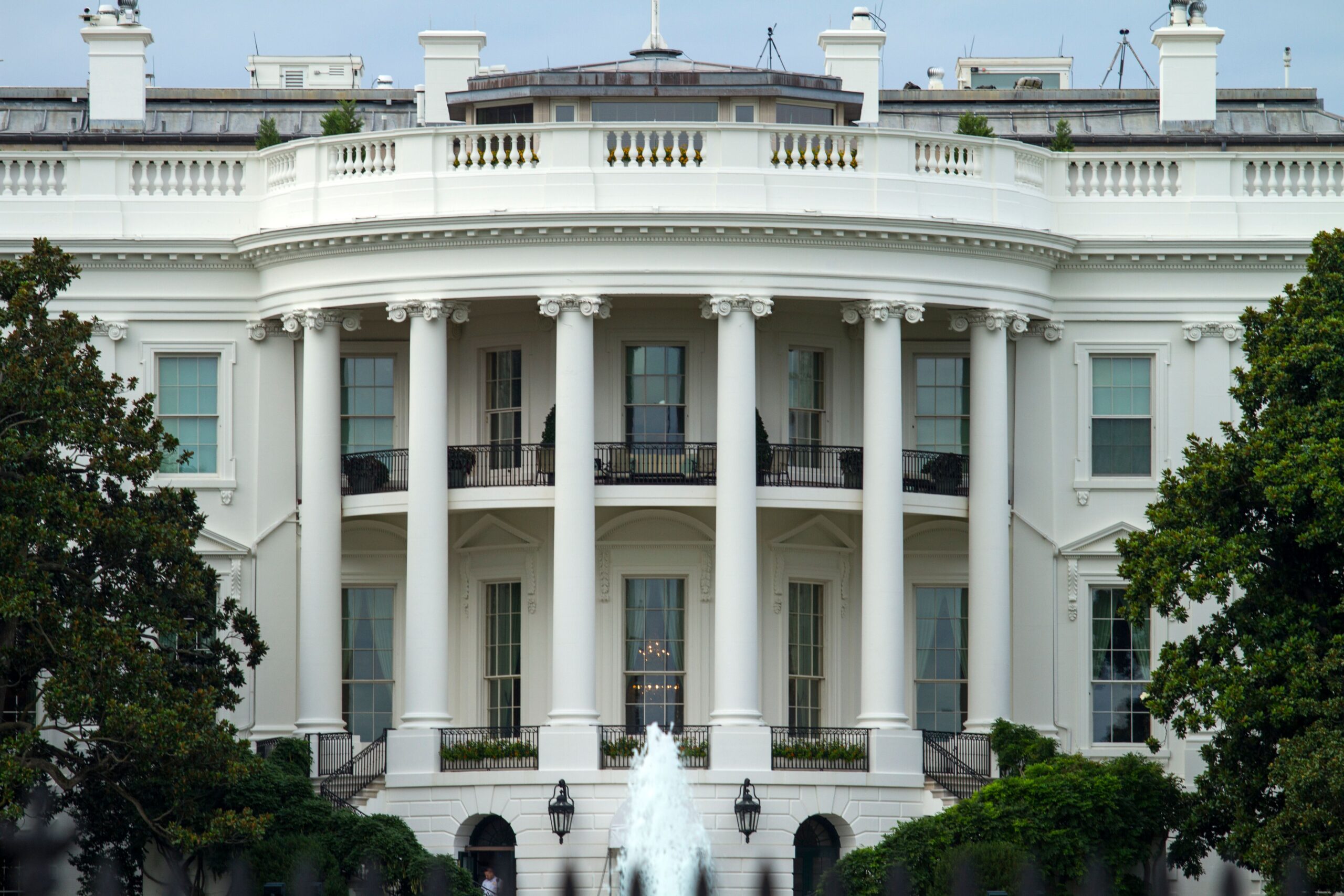
The China tariff evasion report released by the Trump administration has opened a new front in the already complicated U.S.-China trade conflict, accusing more than 40 countries of helping Chinese goods reach American consumers while avoiding higher U.S. import duties. India, Canada, Mexico, Japan, South Korea and the European Union are among the economies named in the report, which describes a global network of third-country transshipment routes.
The White House says Chinese exporters are using countries with lower U.S. tariff rates as intermediate destinations before goods are shipped to the American market. According to the administration, the practice can make Chinese products appear to originate somewhere else, allowing them to avoid duties that would otherwise apply directly to Chinese imports.
The China tariff evasion report was released on August 13 and is titled The Great Transshipment Scam: Rise, Scope, and Costs. It was prepared by the White House Office of Trade and Manufacturing Policy under trade adviser Peter Navarro. The administration says the problem is large enough to cost the U.S. Treasury tens of billions of dollars in annual tariff revenue.
The allegations are significant, but they do not mean that every country or company named in the document has been found guilty of illegal activity. Much of the report focuses on elevated transshipment risk and trade patterns rather than identifying every individual shipment as fraudulent.
What the White House Is Alleging
At the center of the China tariff evasion report is the practice known as transshipment. In legitimate international trade, goods can move through several countries before reaching their final destination. Global supply chains often involve components made in one country, assembled in another and sold from a third.
The problem arises when companies deliberately reroute goods through another country to conceal their Chinese origin and avoid U.S. tariffs. U.S. officials argue that some Chinese exporters are taking advantage of differences in tariff rates between countries.
The report describes what it calls a “shadow transshipment network” involving more than 40 economies. The countries named include major U.S. trading partners as well as smaller economies that can provide cheaper manufacturing, ports, labor or less stringent customs enforcement.
Peter Navarro has presented the crackdown as an effort to protect American manufacturers and prevent foreign exporters from undermining U.S. trade policy. The administration argues that tariffs cannot work effectively if imported goods can simply be routed through another country before entering the United States.
India Appears on the List
The China tariff evasion report has particular importance for India because New Delhi is one of the countries identified by Washington as part of the alleged transshipment network.
India has become increasingly important in global manufacturing as companies diversify supply chains beyond China. American and multinational companies have expanded manufacturing and sourcing relationships with Indian businesses in sectors ranging from electronics to pharmaceuticals and industrial products.
Being named in the report does not automatically mean Indian exporters are illegally avoiding U.S. duties. Indian trade experts have questioned whether Washington has provided sufficient shipment-level evidence showing that Indian companies deliberately misrepresented the origin of Chinese goods.
The Economic Times reported that India’s Global Trade Research Initiative, or GTRI, questioned the evidence behind the U.S. allegations and argued that the presence of Chinese components in a product does not automatically mean the finished product is Chinese-made.
That distinction is important because modern manufacturing is highly international. A product can contain Chinese parts while undergoing substantial processing or manufacturing in another country.
Transshipment Is Not Always Illegal
The China tariff evasion report has generated debate partly because transshipment itself is not illegal.
International supply chains frequently involve multiple countries. A company may legitimately import raw materials from China, manufacture a product in India or Vietnam, and then export the finished item to the United States.
The legal question is whether enough manufacturing or transformation occurred in the third country to establish a new country of origin under applicable customs rules.
If a company simply changes packaging, performs minimal processing or falsely declares the origin of a product, U.S. customs authorities can treat the transaction as tariff evasion.
The White House wants to make those distinctions easier to identify. Its concern is that some businesses may be deliberately exploiting gaps between international production networks and U.S. customs enforcement.
Billions of Dollars Could Be Involved
The China tariff evasion report estimates that a substantial volume of Chinese merchandise may be entering the U.S. through third countries.
The White House cited estimates ranging as high as $303 billion in goods potentially moving through transshipment channels annually. It used a central estimate of about $75 billion to calculate an estimated $19 billion to $26 billion in lost U.S. tariff revenue each year.
Those figures are large, but they should be treated as estimates rather than confirmed measurements of illegal trade.
The report itself acknowledges uncertainty around the scale of the activity. Analysts and trade experts have also questioned how much of the merchandise identified as transshipped actually represents illegal tariff avoidance.
Still, even a fraction of the estimated amount could represent a meaningful challenge for U.S. trade enforcement.
For the Trump administration, the issue is not only about lost revenue. Officials argue that tariff evasion can also undermine American factories that compete with lower-cost imports.
Why China Would Use Third Countries
The China tariff evasion report argues that China’s manufacturing strength creates strong incentives for exporters to find alternative routes into the U.S. market.
When American tariffs make direct Chinese exports more expensive, companies may look for ways to shift final assembly or processing to countries with lower tariff rates.
Southeast Asian economies have become particularly important in this process. Vietnam, Malaysia, Thailand and Indonesia are among the countries frequently discussed in connection with supply-chain diversification and transshipment risks.
Some of this shift represents genuine manufacturing relocation. Companies have moved factories and invested in new production capacity outside China because they want to diversify their supply chains.
The difficult part for customs authorities is determining where legitimate “China Plus One” manufacturing ends and artificial tariff avoidance begins.
India Faces a Different Challenge
For India, the China tariff evasion report comes at a sensitive moment in U.S.-India trade relations.
India has been trying to strengthen its position as an alternative manufacturing center to China. New Delhi has attracted investment in electronics, mobile phones, renewable energy equipment and other industries.
If the United States begins applying stricter scrutiny to Indian exports because of concerns about Chinese inputs, legitimate Indian manufacturers could face additional documentation requirements and customs inspections.
That could increase costs for Indian exporters even when their products comply fully with origin rules.
The issue could therefore create an uncomfortable situation for India. The country wants to attract more foreign manufacturing, but it also needs to demonstrate that companies operating within its borders are meeting international trade requirements.
Washington Plans to Use Artificial Intelligence
One of the most interesting parts of the China tariff evasion report is the administration’s plan to use artificial intelligence to strengthen customs enforcement.
The White House says U.S. Customs and Border Protection is developing an AI-powered system called “Detective Border.” The system is intended to examine shipment information, routing histories, product classifications, company relationships and other indicators to identify suspicious trade patterns.
The technology could help customs officials compare information across large numbers of shipments.
For example, an algorithm could identify a sudden increase in exports of a particular product from a country that previously had little production capacity in that sector. It could then compare those shipments with imports of similar products from China.
The system could also examine ownership structures and manufacturing data to identify companies that may be acting as intermediaries.
If successful, the technology could significantly change how the United States investigates tariff fraud.
The Trade Impact Could Be Significant
The China tariff evasion report could influence trade policy well beyond the countries directly named.
The Trump administration is already negotiating trade agreements with several major economies. Washington could seek stronger rules requiring trading partners to demonstrate that products exported to the United States genuinely qualify for preferential treatment.
Future agreements may include stricter rules of origin, more customs cooperation and stronger penalties for companies involved in fraudulent transshipment.
The Financial Times reported that the administration is considering tighter origin rules in trade negotiations as part of its broader effort to prevent Chinese goods from entering through third countries.
Such changes could increase compliance costs for multinational companies, particularly those operating complex supply chains across Asia and North America.
China Rejects the Accusations
The China tariff evasion report has also triggered a response from Beijing.
China has rejected the broader U.S. approach to tariffs and trade restrictions. Chinese officials have repeatedly argued that trade wars do not produce winners and have opposed unilateral American tariff measures.
Beijing’s position is that Washington should address trade disagreements through dialogue rather than imposing increasingly aggressive restrictions.
The dispute comes at an important moment for U.S.-China relations. Despite ongoing disagreements, the two governments are also trying to manage broader economic tensions and prepare for high-level diplomatic engagement.
The latest accusations could make those discussions more difficult.
The European Union Pushes Back
The China tariff evasion report also names the European Union, but European officials have emphasized that they do not support illegal customs practices.
The EU has said it remains committed to combating customs fraud and ensuring that goods entering its markets and being exported from its member states comply with applicable rules.
European policymakers are likely to be concerned that Washington could treat legitimate supply-chain activity as evidence of deliberate Chinese tariff avoidance.
That could create friction between the United States and some of its closest trading partners.
At the same time, European manufacturers also face competitive pressure from Chinese companies, giving Brussels an incentive to address genuine cases of trade fraud.
Businesses Could Face Higher Compliance Costs
The China tariff evasion report could have practical consequences for companies even when they have done nothing wrong.
Businesses may need to provide more documentation showing where products are manufactured and where components originate. Customs authorities could request more detailed information about suppliers, factories and ownership structures.
Companies that operate across several countries could face particularly complicated requirements.
For example, an electronics manufacturer might source components from China, assemble them in India, perform testing in Malaysia and ship the final product from Singapore. Under stricter enforcement, the company may need extensive records proving that the final product meets U.S. rules of origin.
That could increase administrative costs and potentially slow down shipments.
Could Tariffs Be Raised Again?
The China tariff evasion report also raises the possibility of additional tariffs or penalties.
The administration has argued that countries and companies benefiting from transshipment should face consequences. The precise form of those penalties could vary.
Washington could impose additional duties on specific products, investigate individual exporters, tighten country-of-origin rules or apply penalties to companies that provide false customs information.
That uncertainty may encourage companies to review their supply chains before making further investments.
Businesses could also move more production to countries where they can clearly demonstrate substantial manufacturing activity.
The Bigger China Trade Strategy
The China tariff evasion report should also be understood as part of the Trump administration’s broader strategy toward China.
The administration has used tariffs, export controls and other trade measures to reduce China’s ability to benefit from unrestricted access to the U.S. market.
The goal is not simply to collect tariff revenue. Washington has repeatedly argued that tariffs can encourage American production and reduce dependence on Chinese manufacturing.
However, the report highlights a basic challenge: global supply chains are flexible.
When tariffs make one route more expensive, companies often search for another route. That is why the administration is now focusing more heavily on origin rules and transshipment.
What It Means for Global Supply Chains
The China tariff evasion report could accelerate the restructuring of global manufacturing.
Companies may increasingly seek “China Plus One” or “China Plus Two” strategies in which production is spread across several countries.
That trend was already underway before the latest report. The new enforcement approach could accelerate it, but it could also make supply chains more expensive.
Businesses may have to balance lower labor costs against stricter customs requirements and greater regulatory uncertainty.
For countries such as India, Vietnam and Mexico, the opportunity remains substantial. Companies are still looking for alternatives to concentrated production in China.
However, those countries may now face greater pressure to demonstrate that their manufacturing growth represents genuine production rather than simple rerouting.
India Could See Both Risks and Opportunities
The China tariff evasion report presents India with both a challenge and an opportunity.
The immediate challenge is reputational. Indian exporters could face greater scrutiny from U.S. customs authorities.
The opportunity is that India can strengthen its position as a legitimate alternative manufacturing hub by improving traceability, customs transparency and supply-chain documentation.
If Indian companies can demonstrate substantial domestic manufacturing, the country could benefit from businesses seeking reliable alternatives to China.
India may therefore have an incentive to cooperate closely with U.S. authorities while defending legitimate exporters against broad allegations.
What Happens Next?
The China tariff evasion report is likely to lead to greater customs enforcement rather than an immediate transformation of global trade.
The United States is expected to increase scrutiny of shipments from countries identified as high-risk. Companies operating in sectors with significant Chinese production may face more questions about product origin.
The planned use of AI could also make enforcement more data-driven.
At the same time, governments named in the report are likely to seek clarification from Washington about the evidence supporting the accusations.
The key question will be whether the United States can distinguish genuine tariff evasion from normal international manufacturing.
Conclusion
The China tariff evasion report marks a significant escalation in Washington’s effort to prevent Chinese goods from bypassing U.S. tariffs through third countries.
The White House says more than 40 countries are connected to a shadow transshipment network and estimates that billions of dollars in tariff revenue could be lost each year. India, Canada, Mexico, Japan, South Korea and the European Union are among those named.
However, being named does not establish that every country or exporter is participating in illegal activity. Transshipment can be completely legitimate when goods undergo sufficient manufacturing or transformation in another country and are accurately declared to customs authorities.
The biggest change may come from Washington’s decision to use technology and stricter origin rules to investigate suspicious shipments. If the “Detective Border” system works as planned, customs officials could have a much more powerful tool for identifying unusual trade patterns.
For India, the development is especially important. The country is trying to become a larger part of global manufacturing while deepening its economic relationship with the United States. Stronger transparency and documentation could help Indian exporters prove that their products are genuinely made in India.
For China, the crackdown represents another obstacle to maintaining access to the U.S. market through indirect trade routes.
Ultimately, the China tariff evasion report shows how dramatically tariffs are reshaping global commerce. The next stage of the trade conflict may not be fought only through headline tariff rates. It could increasingly be fought through customs data, supply-chain audits, rules of origin and artificial intelligence.
That means companies around the world will have to pay much closer attention to where products are actually made, how components move between countries and whether their documentation can withstand increasingly sophisticated U.S. customs checks.
World Liberty Bank Approval: Major OCC Green Light Puts Trump-Linked Crypto Venture On Notice
Sources: White House Office of Trade and Manufacturing Policy, The Great Transshipment Scam: Rise, Scope, and Costs; Reuters reporting on the U.S. allegations; Associated Press reporting on the estimated $19 billion-$26 billion annual revenue impact; Financial Times reporting on the countries named and proposed enforcement measures; Al Jazeera reporting on the White House allegations; and Indian reporting from The Economic Times and Times of India on the implications for India.

