

Crude Oil Prices Hit 3-Week High Amid Heightened Middle East Tensions
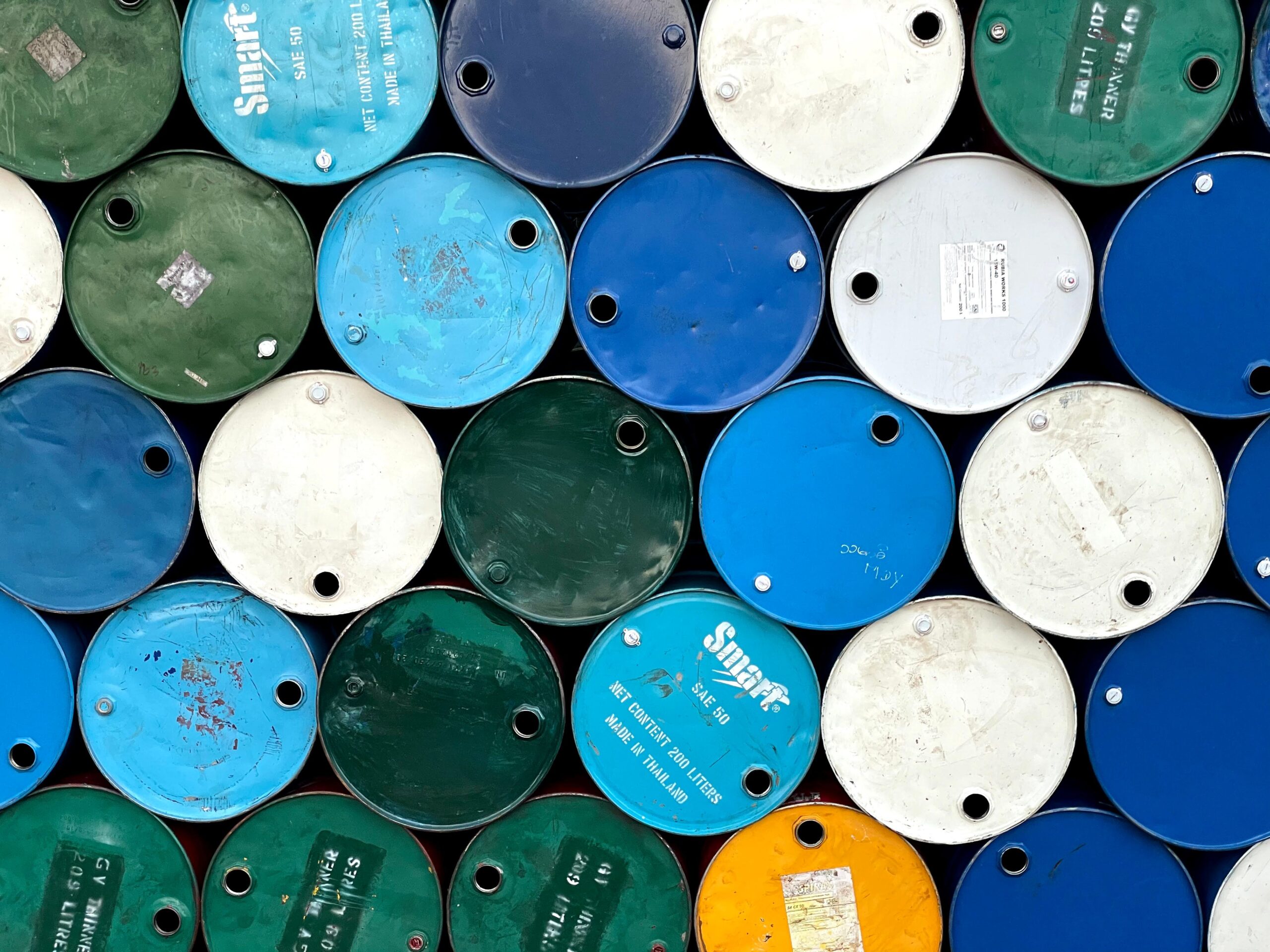
Crude Oil Prices Rise as Middle East Risks Intensify
Crude Oil Prices moved higher on Wednesday as traders continued to assess the risk of prolonged disruptions to energy supplies in the Middle East. Brent crude remained close to $91 a barrel after settling at its highest level in more than three weeks, while U.S. West Texas Intermediate also held near recent highs. The latest rise reflects a growing risk premium in the oil market as uncertainty around the Strait of Hormuz and the future of U.S.-Iran relations continues to weigh on sentiment.
The market has become increasingly sensitive to developments around the strategic waterway. The Strait of Hormuz is one of the world’s most important energy routes, and concerns about shipping through the passage have encouraged traders to price in the possibility of tighter supplies. Reuters reported that Brent settled at $91.02 a barrel on Tuesday, while WTI closed at $84.94, with both benchmarks reaching their highest settlement levels since July 24.
Crude Oil Prices Rise as Diplomatic Hopes Fade
One of the biggest factors behind the latest move is the weakening expectation of a quick diplomatic breakthrough between Washington and Tehran. Investors had previously hoped that negotiations could lead to a more stable regional situation and allow shipping activity to return to normal. However, those expectations have faded in recent days.
According to Reuters, Iran has indicated that it could take a more offensive position, while the United States has ruled out extending a ceasefire. U.S. President Donald Trump has also said that Washington is not currently holding talks with Tehran. These developments have increased uncertainty and encouraged traders to protect themselves against the possibility of further supply disruptions.
As a result, Crude Oil Prices have gained support even though the market remains aware that higher prices can eventually weaken demand. Traders are now watching diplomatic and military developments closely because a sudden escalation could send prices sharply higher, while meaningful progress toward a settlement could quickly remove part of the risk premium.
Crude Oil Prices and the Strait of Hormuz Risk
The Strait of Hormuz remains at the center of current energy-market concerns. The waterway connects the Persian Gulf with the Gulf of Oman and is critical for shipments from several major oil-producing countries. Reuters reported on Wednesday that uncertainty over vessel movements through the strait was keeping oil prices near three-week highs.
Although the U.S. president has said the strait is open, Iran has disputed that position. More importantly, many commercial shipowners are reportedly still avoiding the route because of security concerns. This distinction matters because a waterway can technically remain open while shipping companies decide that the risks and costs of using it are too high.
That is why Crude Oil Prices are responding not only to actual production losses but also to transportation risks. If fewer tankers move through the region, buyers may have to compete for alternative cargoes, freight costs can rise and delivery schedules can become less predictable. All of these factors can add to the price of physical crude.
Crude Oil Prices Face Supply Disruption Concerns
The latest rally also comes after several weeks of changing expectations about Middle East supply. Earlier in the summer, oil prices had fallen sharply when investors saw greater chances of diplomacy and improved supply availability. However, the situation has become more complicated as attacks on vessels and uncertainty around regional routes have returned to the market.
Reuters reported earlier this week that oil prices gained more than $2 as the stalemate in the Iran conflict increased concerns about supplies. Another Reuters report said attacks on tankers and the lack of progress toward peace had helped oil prices record weekly gains.
Consequently, Crude Oil Prices are now being influenced by a combination of geopolitical risk, shipping conditions and expectations for future production. The market is not simply asking how much oil is being produced today. It is also asking whether that oil can be transported safely and whether buyers can rely on supplies arriving on time.
Crude Oil Prices and Global Inflation
Higher energy costs are important beyond the oil market itself. Crude is a major input for transportation, manufacturing, petrochemicals, aviation and several other industries. When energy becomes more expensive, companies can face higher operating costs, and some of those costs can eventually reach consumers.
This is one reason the latest increase in Crude Oil Prices has attracted attention from financial markets. Rising oil costs can complicate central-bank decisions because they can add to inflation even when economic growth is slowing. Reuters noted that higher oil prices were among the factors increasing concerns about inflation and contributing to pressure in global bond markets.
At the same time, the effect will depend on how long the price increase lasts. A short-lived spike caused by geopolitical headlines may have a smaller economic impact than a sustained period of high prices. Therefore, investors are watching whether the current risk premium remains in place over the coming weeks.
Crude Oil Prices and the Impact on India
India is particularly sensitive to changes in international crude prices because it imports a large share of the oil it consumes. Higher global benchmarks can increase the country’s import bill and place pressure on refiners, especially when freight and insurance costs also rise.
Recent reporting in India has highlighted the pressure faced by refiners as Middle East disruptions push up physical crude costs. The Times of India reported that Indian refiners were paying higher premiums while discounts on some Russian crude supplies had diminished. This creates an additional challenge for refiners because they must manage higher procurement costs while maintaining competitive fuel prices.
For Indian consumers, the impact may not always appear immediately at petrol pumps. Domestic fuel prices are affected by several factors, including taxes, refining margins, currency movements and government policy. Nevertheless, a prolonged rise in Crude Oil Prices can increase pressure across the energy supply chain.
Crude Oil Prices and the Global Economy
The broader global economy is also watching the situation closely. Airlines, shipping companies, logistics operators and manufacturers are among the businesses that can feel the impact of higher energy costs. If oil remains elevated for a long period, companies may have to raise prices, reduce margins or delay investment.
On the other hand, higher oil prices can benefit producing nations and energy companies by increasing revenues. The overall economic impact therefore varies considerably between countries. Oil-importing economies generally face greater pressure, while major exporters can receive a boost to their external balances.
The latest movement in Crude Oil Prices also demonstrates how quickly financial markets can change when geopolitical risks increase. Earlier hopes of a diplomatic solution had encouraged traders to reduce risk premiums. As those hopes weakened, the market rapidly moved in the opposite direction.
Crude Oil Prices and the Demand Outlook
Supply concerns are only one side of the market. Demand expectations remain equally important. If the global economy slows significantly, fuel consumption could weaken and limit how far oil prices can rise. This is particularly relevant because high energy costs themselves can reduce spending power and increase inflationary pressure.
The U.S. Energy Information Administration has forecast an average Brent spot price of around $85 a barrel for the third quarter of 2026 under its current assumptions. It also said reduced shipments through the Strait of Hormuz could lower global inventories and keep crude prices elevated. This suggests that supply-route disruptions remain an important part of the agency’s market outlook.
Therefore, Crude Oil Prices could remain volatile even if production levels do not change dramatically. Traders will continue balancing geopolitical risks against inventory data, economic indicators and expectations for fuel demand.
Crude Oil Prices Could Stay Volatile
The next major moves in the market are likely to depend heavily on developments in the Middle East. Any credible agreement that improves shipping security could cause a rapid decline in the risk premium. Conversely, further attacks, a prolonged closure or disruption of the Strait of Hormuz, or a wider regional escalation could create another sharp rally.
Analysts are also watching Russian exports and other sources of supply. Reuters has reported that Russian crude exports from western ports have declined, adding another layer of uncertainty to global availability. At the same time, some producers are looking for ways to diversify export routes and reduce their dependence on vulnerable shipping channels.
In this environment, Crude Oil Prices may continue to react strongly to headlines. That does not necessarily mean prices will rise every day. Instead, the market is likely to remain highly sensitive, with sudden moves possible whenever traders receive new information about supply security.
Crude Oil Prices and the Outlook for Traders
For traders, the current environment presents both opportunities and risks. Momentum can remain strong when geopolitical concerns dominate, but prices can also fall quickly when diplomatic developments improve. This makes risk management particularly important.
Short-term traders will likely focus on Brent and WTI price levels, shipping activity, inventory figures and official statements from Washington and Tehran. Longer-term investors may pay greater attention to global demand, production capacity and the possibility of structural changes in energy trade.
The key question is whether the current geopolitical premium becomes a lasting feature of the market. If tensions remain unresolved, Crude Oil Prices could stay above recent averages for an extended period. If a durable diplomatic solution emerges, however, some of the premium could disappear quickly.
Crude Oil Prices and What Comes Next
The recent rise is a reminder that energy markets can change rapidly when geopolitical risks collide with tight transportation routes. The market is currently pricing uncertainty rather than simply reacting to a single production outage. That makes the next few weeks especially important.
Investors will closely monitor the Strait of Hormuz, U.S.-Iran relations, tanker movements, regional attacks and global inventory data. Meanwhile, governments and energy companies will have to prepare for multiple scenarios, ranging from a gradual normalization of shipping to a prolonged disruption.
For consumers and businesses, the main concern is whether higher energy costs become persistent. If they do, the effects could spread from transportation to food, manufacturing and household expenses. If tensions ease, the opposite could happen as shipping conditions improve and risk premiums decline.
Crude Oil Prices: Conclusion
Crude Oil Prices have reached a three-week high as heightened Middle East tensions, uncertainty surrounding the Strait of Hormuz and fading hopes for a quick U.S.-Iran diplomatic breakthrough raise concerns about global energy supplies. Brent crude has remained around the $91-a-barrel level, while WTI has also strengthened. The immediate outlook remains uncertain because both geopolitical developments and economic factors are pulling the market in different directions.
For now, Crude Oil Prices are likely to remain sensitive to headlines from the Middle East. A sustained disruption to shipping could push prices higher, while a credible peace agreement could bring relief to the market. Until there is greater clarity, traders, governments, businesses and consumers will continue watching energy markets closely.
Crypto Regulatory Framework: Trump Administration Proposes New Rules For Digital Assets
Sources
- Reuters — Oil closes at three-week high as hopes of US-Iran peace deal fade
- Reuters — Oil hovers near three-week high on uncertainty over Hormuz
- Reuters — Oil settles up over $2 as Iran war stalemate stokes supply concerns
- U.S. Energy Information Administration — Short-Term Energy Outlook
- The Times of India — Indian refiners face higher crude costs amid Middle East tensions

