

US Treasury Boost: Major Step by the US Government to Stabilize the Bond Market
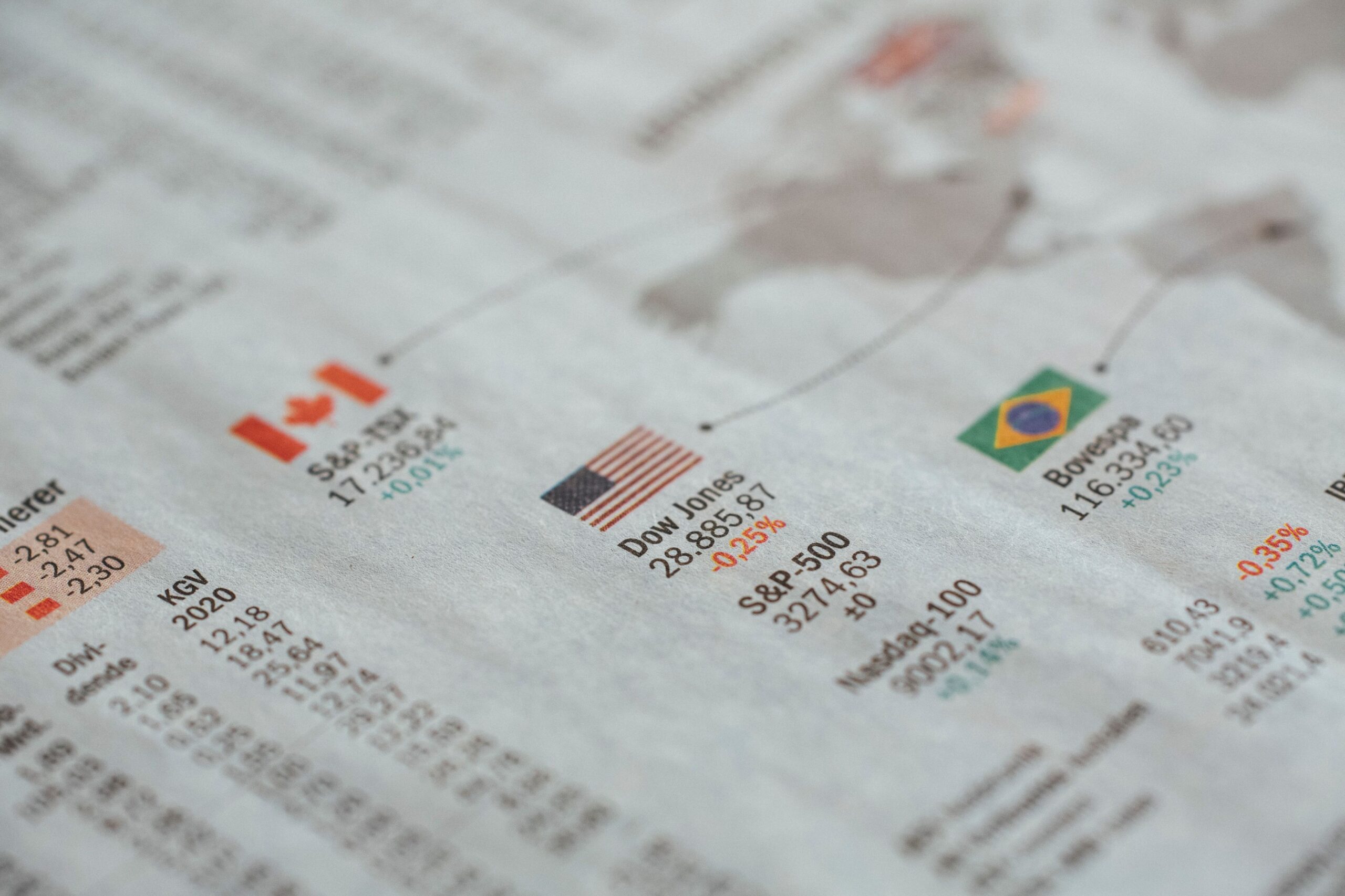
The U.S. Treasury has taken a notable step, and the US Treasury Boost is now one of the most closely watched financial developments in global markets. The move comes after a sharp rise in long-term government bond yields raised concerns among investors around the world. The decision to increase purchases of longer-dated government debt is designed to improve liquidity and reduce pressure in a market that has recently become increasingly sensitive to inflation, government borrowing and global economic uncertainty.
The announcement arrives at an important time for financial markets. The US Treasury Boost has become a major focus because U.S. Treasury yields had climbed to levels that investors had not seen for many years. The 30-year Treasury yield moved above 5%, while the 10-year yield also approached levels that can have a direct impact on mortgages, business borrowing and investment decisions. The US Treasury Boost is therefore being watched not only by bond traders but also by stock investors, companies and households.
What Exactly Has the Treasury Announced?
According to reports, the Treasury plans to at least double the size of its buyback operations for longer-term securities. Individual buybacks in the 10-to-20-year and 20-to-30-year sectors will rise to at least $4 billion from $2 billion. The larger operations are scheduled to run from September 9 through November 4, 2026.
The US Treasury Boost is part of an existing buyback program rather than a completely new policy. Treasury buybacks are intended to improve liquidity in older securities that can become harder to trade efficiently. By purchasing selected longer-term bonds and issuing shorter-term debt, the government can adjust the mix of securities available to investors.
Why Did the Treasury Act Now?
The recent rise in bond yields has been driven by several factors. Investors have become more concerned about the size of U.S. government borrowing, persistent inflation risks and the amount of debt that needs to be financed. At the same time, global geopolitical tensions and higher energy prices have added another layer of uncertainty.
The US Treasury Boost also comes as investors reassess the outlook for interest rates. The Federal Reserve remains focused on inflation, and uncertainty over future monetary policy can quickly affect Treasury prices. When investors demand higher returns to hold long-term government debt, bond prices fall and yields rise.
Another factor is the growing demand for capital from large companies, particularly businesses investing heavily in artificial intelligence infrastructure. A large amount of corporate borrowing can compete with government debt for investor money. That competition can make it more difficult for the Treasury to sell long-term bonds without offering higher yields.
How Did Global Markets React?
The initial response to the US Treasury Boost was positive. Long-term Treasury yields declined after the announcement, while stocks and other risk assets received support. Reuters reported that global bond yields also moved lower after the Treasury announced the larger buyback operations.
The reaction shows how closely connected global financial markets have become. U.S. government bonds are widely treated as a benchmark for borrowing costs around the world. When Treasury yields rise sharply, investors often reassess European, Asian and emerging-market bonds as well.
The US Treasury Boost therefore had an effect beyond Washington. Lower Treasury yields helped ease pressure across several international bond markets, while the U.S. dollar weakened. Gold also gained as investors continued to look for assets that could provide protection against currency and fiscal concerns.
What Does the Move Mean for the U.S. Economy?
Higher long-term bond yields can make borrowing more expensive throughout the economy. Mortgage rates can rise, companies may face higher financing costs and governments may have to spend more on interest payments.
That is why the US Treasury Boost matters for ordinary economic activity. A calmer bond market can reduce some of the pressure on borrowing costs, although it does not automatically mean that mortgage or business loan rates will fall sharply.
For investors, the announcement also sends an important message. The Treasury is willing to use its existing tools more aggressively when market liquidity becomes strained. That may help improve confidence and prevent disorderly moves in bond prices.
However, the US Treasury Boost should not be confused with quantitative easing. The Federal Reserve uses monetary policy and can create bank reserves when it purchases securities. Treasury buybacks are different. They are primarily a debt-management and liquidity tool, and the scale of the purchases remains small compared with the overall Treasury market.
Why the 30-Year Treasury Yield Matters
The 30-year Treasury bond is particularly important because it reflects long-term expectations about inflation, economic growth, government borrowing and investor demand. When its yield rises significantly, the effect can spread into mortgage markets and other long-term borrowing costs.
Recently, the 30-year yield reached levels not seen since 2007. That rise attracted considerable attention because it came alongside broader weakness in global government bonds.
The US Treasury Boost is aimed partly at this long end of the market. By buying longer-dated securities, the Treasury hopes to improve trading conditions and reduce some of the pressure created by limited demand and heavy issuance.
Still, the US Treasury Boost cannot solve every problem facing the bond market. The United States has a very large fiscal deficit, and investors will continue to examine how quickly government debt is growing. If borrowing remains high, the Treasury will still need to issue substantial amounts of debt.
What Are the Risks?
Some analysts believe the US Treasury Boost may provide only temporary relief. The buybacks are relatively small compared with the total size of the Treasury market, which is measured in tens of trillions of dollars.
There is also a risk that investors could interpret aggressive intervention as a sign that policymakers are increasingly worried about rising yields. If that happens, confidence could weaken rather than improve.
Another challenge is inflation. If inflation remains above the Federal Reserve’s target, long-term investors may continue to demand higher yields even if the Treasury increases its buybacks. The US Treasury Boost can improve liquidity, but it cannot directly control inflation or determine the Federal Reserve’s interest-rate policy.
The global picture is also important. Energy prices, geopolitical developments and government borrowing in other major economies can influence Treasury demand. International investors hold a significant amount of U.S. government debt, so changes in global risk sentiment can quickly affect the Treasury market.
What Investors Should Watch Next
Markets will now pay close attention to Treasury auctions, inflation data, employment figures and comments from Federal Reserve officials. The US Treasury Boost remains an important part of the discussion, while the performance of the 10-year and 30-year Treasury yields will remain especially important.
The US Treasury Boost may also influence the government’s future debt-management strategy. If the larger buybacks help improve liquidity without causing major market disruption, policymakers could view the program as a useful tool during periods of stress.
At the same time, investors are likely to keep asking whether the underlying fiscal pressures are improving. A temporary decline in yields is not the same as a permanent solution to rising government debt.
The US Treasury Boost is best understood as a market-stabilization measure rather than a complete economic rescue package. It provides additional support at a moment when investors have become increasingly nervous about long-term borrowing costs.
Why This Matters for Global Markets
The importance of the US Treasury Boost extends well beyond U.S. borders because Treasury securities sit at the center of the global financial system. Banks, pension funds, asset managers and central banks around the world use U.S. government bonds as a major reference point for pricing risk.
When Treasury yields move sharply, the impact can be felt in currencies, equities, commodities and emerging markets. A more stable Treasury market can therefore reduce some of the volatility that has recently spread across global assets.
However, investors should not assume that one policy announcement will end the current period of uncertainty. The US Treasury Boost may calm markets in the short term, but the bigger questions surrounding inflation, government borrowing, energy prices and global growth remain.
The Road Ahead
The road ahead will determine whether the US Treasury Boost delivers more than short-term relief. The Treasury has provided investors with a clear signal that it is prepared to respond when long-term borrowing costs become disruptive.
For now, the US Treasury Boost has offered some relief to markets after a difficult period for government bonds. Yet the underlying financial pressures have not disappeared. Investors will continue to monitor Treasury issuance, Federal Reserve policy and global economic conditions.
In the end, the US Treasury Boost is an important step, but it is not a magic solution. Its success will depend on whether it can improve market functioning while broader fiscal and inflation concerns are addressed. For global investors, the key message is simple: the U.S. government is paying closer attention to the bond market, and future policy decisions could have consequences far beyond the United States.
The broader market reaction shows why the US Treasury Boost matters to investors.
Anthropic Revenue Surges As Cerebras Launches Powerful Next-Generation AI Chips
Source: Reuters, August 19–20, 2026, reporting on the U.S. Treasury’s decision to increase longer-term bond buybacks and the resulting reaction across global markets. Reuters – Global Markets: Global yields fall after US Treasury boosts debt buybacks

