

Trump Economic D-Day: Strong Iran Warning Sparks Oil and Global Shipping Volatility
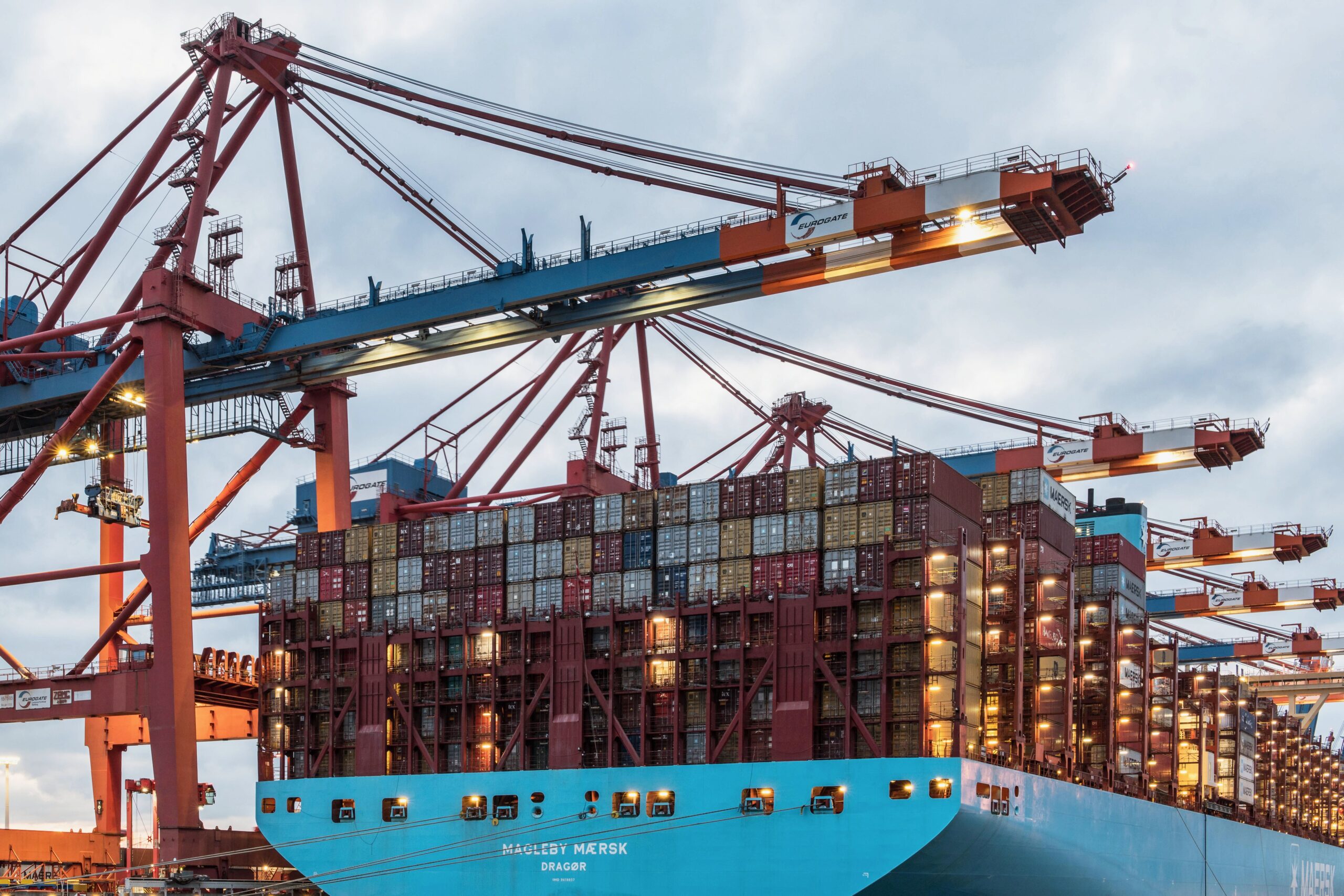
Trump Economic D-Day Raises Global Economic Concerns
Trump Economic D-Day has become the latest major development in the growing confrontation between the United States and Iran. U.S. President Donald Trump has warned that countries providing Iran with financial, commercial or logistical support could face severe economic consequences. The warning comes as tensions remain high around the Strait of Hormuz, one of the world’s most important routes for oil and gas transportation.
Trump’s latest statement signals a significant expansion of Washington’s economic pressure campaign. Rather than limiting the focus to Iran itself, the warning appears designed to discourage other countries, banks, businesses and financial networks from maintaining economic links with Tehran. Reuters reported that Trump threatened economic consequences for any country that supports Iran while calling for greater international efforts to isolate Tehran.
The announcement has attracted immediate attention from energy traders, shipping companies and investors because the region is already experiencing severe disruption. Trump Economic D-Day therefore carries implications that extend well beyond the political relationship between Washington and Tehran.
What Does Trump Economic D-Day Mean?
The phrase Trump Economic D-Day refers to Trump’s warning that the United States is preparing what he describes as an unprecedented economic campaign against Iran and those helping the country maintain its financial lifelines.
Trump has threatened measures against activities including oil smuggling, financial transfers, exchange houses and front companies that could help Iran generate revenue or access international markets. He has also urged U.S. allies to participate in efforts to economically isolate Tehran.
However, the administration has not provided every detail of the planned measures. This uncertainty is one reason financial markets are watching the situation closely.
Treasury Secretary Scott Bessent had already warned that Washington was preparing measures against Iran that could represent an unusually severe level of economic pressure. Reuters reported that the administration was considering options designed to significantly increase the financial cost for Tehran.
Why the Strait of Hormuz Matters
The Strait of Hormuz is at the center of the economic concerns surrounding Trump Economic D-Day.
The narrow waterway connects the Persian Gulf with the Gulf of Oman and the wider Arabian Sea. It is a critical route for oil and gas shipments from major Middle Eastern producers to international markets.
When shipping through the strait is disrupted, the consequences can quickly spread across the global economy. Tankers may be forced to wait, take alternative routes or operate under higher security and insurance costs.
Reuters reported that traffic through the Strait of Hormuz had slowed dramatically after additional attacks on ships, increasing concerns about energy supplies and shipping conditions.
For this reason, Trump Economic D-Day is not simply a diplomatic headline. Any significant change in the movement of oil through Hormuz could influence fuel prices, transportation costs and inflation in countries far from the Middle East.
Oil Markets React to Rising Tensions
Oil prices have become one of the clearest indicators of how markets are responding to the Iran crisis.
The possibility of further restrictions on Iranian oil exports, combined with uncertainty around shipping through Hormuz, has increased the risk premium in crude markets. Traders are closely monitoring both military developments and diplomatic statements because either could rapidly change expectations about future supplies.
Recent Reuters reporting showed that oil prices moved higher as hopes for a U.S.-Iran agreement weakened and concerns about supply disruptions increased.
The impact of Trump Economic D-Day could become even more significant if new sanctions reduce Iranian exports or discourage international companies from handling Iranian oil.
At the same time, oil markets do not move in only one direction. A diplomatic breakthrough, improved shipping conditions or a credible agreement could reduce supply fears and push prices lower.
Shipping Industry Faces Growing Uncertainty
The shipping industry is another major area affected by Trump Economic D-Day.
Commercial shipping companies generally depend on predictable routes, stable insurance conditions and reliable port access. When a major maritime corridor becomes dangerous or uncertain, operators may delay voyages or choose longer routes.
That can increase transportation expenses and create delays throughout international supply chains.
Reuters reported that shipping through the Strait of Hormuz had fallen sharply as vessel operators faced increasing uncertainty about safety and access.
For shipping companies, Trump Economic D-Day could mean additional compliance requirements if Washington introduces broader sanctions against companies suspected of helping Iran.
Banks, insurers, shipping firms and commodity traders could all face greater pressure to verify the origin and destination of transactions.
Global Trade Could Feel the Pressure
The consequences of Trump Economic D-Day could extend beyond oil and shipping.
Iran remains connected to international markets through energy exports, trade relationships, financial networks and commercial intermediaries. If the United States attempts to block these connections more aggressively, companies in other countries could be forced to reconsider their business relationships with Tehran.
Countries that import Iranian oil could face difficult choices. They may have to balance their energy requirements against the possibility of secondary sanctions or other economic penalties from Washington.
China is particularly important in this discussion because it has remained an important buyer of Iranian oil. Any significant change in that trade relationship could have consequences for global energy markets.
Reuters has reported that China has urged political and diplomatic solutions while Washington considers stronger economic pressure.
Impact on Inflation and Consumers
The effects of Trump Economic D-Day could eventually reach ordinary consumers if higher energy and transportation costs continue for an extended period.
Oil is a major input for transportation, manufacturing and logistics. When crude prices increase, businesses can face higher operating costs. Those expenses may eventually be reflected in prices for goods and services.
Fuel prices are particularly sensitive because transportation depends heavily on petroleum products.
However, the ultimate effect on consumers will depend on how long the disruption lasts. A short-term increase in oil prices may have a limited impact, while a prolonged disruption could create broader inflationary pressure.
Financial Markets Remain Highly Sensitive
Investors are also watching Trump Economic D-Day because geopolitical uncertainty can quickly influence financial markets.
Energy companies may benefit from higher oil prices, while airlines, transportation companies and other fuel-intensive businesses can face increased costs. Meanwhile, investors may move toward assets they consider safer when geopolitical risks increase.
Stock markets in the Gulf region have already shown sensitivity to developments surrounding the conflict. Reuters reported that regional markets faced pressure as concerns about shipping disruptions and energy supplies increased.
Currency markets could also experience volatility if investors become increasingly concerned about inflation, trade disruptions or changing central-bank expectations.
Iran Faces Additional Economic Pressure
For Iran, Trump Economic D-Day represents another layer of economic pressure on an economy that has already experienced years of sanctions.
Iran has faced restrictions on its access to international financial markets and difficulties in selling oil freely. The current conflict has added further challenges, including disruptions to infrastructure and international trade.
The Trump administration appears to believe that additional economic pressure could encourage Tehran to accept a negotiated settlement.
However, Iran has rejected the latest threats and has continued to resist pressure from Washington.
Could Stronger Sanctions Lead to More Negotiations?
One of the biggest questions surrounding Trump Economic D-Day is whether economic pressure will eventually produce diplomatic progress.
Supporters of the strategy argue that severe economic pressure can reduce a government’s ability to continue a prolonged confrontation and encourage negotiations.
Critics, however, worry that excessive pressure could produce the opposite result by increasing tensions and reducing the space available for diplomacy.
The situation is particularly complicated because the United States and Iran have already experienced failed or stalled negotiations.
Reuters reported that Washington has continued to increase economic pressure while diplomatic efforts have struggled to produce a lasting agreement.
Gulf Countries Face a Difficult Situation
The consequences of Trump Economic D-Day are especially important for Gulf countries because many of their economies depend heavily on energy exports and international shipping.
Saudi Arabia, the United Arab Emirates, Qatar, Kuwait and Bahrain all have strategic interests in maintaining stability across the Gulf.
A prolonged disruption could affect oil exports, shipping, tourism, investment and regional business activity.
At the same time, Gulf governments must carefully manage their relationships with both Washington and Tehran.
What Happens if Oil Supply Remains Disrupted?
The longer the disruption continues, the greater the potential economic impact of Trump Economic D-Day.
If large volumes of oil cannot move normally through Hormuz, international buyers may compete for alternative supplies. That could increase crude prices and encourage producers outside the region to increase output where possible.
Countries may also attempt to use alternative pipelines and shipping routes.
However, alternative routes cannot completely replace the strategic importance of the Strait of Hormuz.
That is why even temporary uncertainty around the waterway can have an outsized impact on global markets.
Shipping Insurance Could Become More Expensive
Another important consequence of Trump Economic D-Day could be higher insurance costs for commercial vessels.
When ships operate in conflict zones, insurers may charge additional premiums to cover increased risks.
Those costs eventually become part of the overall cost of transporting goods.
If shipping companies avoid Hormuz altogether, longer routes could require more fuel, additional crew time and higher operating expenses.
Therefore, the economic impact could spread even to countries that have no direct involvement in the Iran conflict.
Businesses Are Watching for Specific Details
For companies, Trump Economic D-Day remains difficult to assess because the precise details of future measures are still developing.
Businesses will likely monitor announcements from the White House and U.S. Treasury Department for information about targeted sanctions, secondary sanctions and restrictions on financial transactions.
Companies that trade in oil, shipping, banking and commodities could face the greatest immediate exposure.
Meanwhile, multinational companies may review their compliance systems to ensure they do not unintentionally violate new restrictions.
Diplomacy Could Still Change the Market Outlook
Despite the strong rhetoric surrounding Trump Economic D-Day, diplomacy remains an important factor.
Any meaningful agreement between Washington and Tehran could quickly change market expectations.
A reopening or stabilization of the Strait of Hormuz would likely reduce concerns about energy supplies and shipping costs. It could also improve investor confidence.
China and Oman have continued to emphasize diplomatic approaches to the crisis, showing that international efforts to find a political solution have not completely disappeared.
What Investors Should Watch Next
Markets will be watching several developments related to Trump Economic D-Day in the coming days.
First, investors will look for details about the new economic measures promised by the Trump administration.
Second, traders will monitor oil tanker movements through the Strait of Hormuz.
Third, markets will watch for any change in U.S.-Iran diplomatic contacts.
Finally, investors will pay close attention to statements from major oil-producing countries and governments involved in regional diplomacy.
Each of these developments could influence crude prices, shipping costs and broader financial sentiment.
Global Economy Faces a Delicate Moment
The broader significance of Trump Economic D-Day is that the world economy is already highly interconnected.
A disruption in one major energy corridor can affect manufacturers, airlines, shipping companies, retailers and consumers across continents.
Higher fuel prices can raise transportation costs, while shipping disruptions can delay deliveries and increase the price of imported goods.
For emerging economies that depend heavily on imported energy, the pressure could be especially challenging.
The Road Ahead for Iran and the United States
The future of Trump Economic D-Day will ultimately depend on what Washington does next and how Tehran responds.
If the United States introduces broad sanctions, international businesses may reduce their exposure to Iran.
If Iran responds with additional restrictions on shipping or energy infrastructure, oil and freight markets could become even more volatile.
On the other hand, if both sides return to serious negotiations, the economic situation could stabilize relatively quickly.
This uncertainty means businesses and investors are likely to remain cautious.
Conclusion
Trump Economic D-Day has added another layer of uncertainty to an already difficult situation involving Iran, the United States, global energy markets and international shipping.
The immediate market concerns center on oil supplies and the Strait of Hormuz, but the potential consequences are much broader. Higher energy costs, increased shipping expenses and additional financial restrictions could affect businesses and consumers around the world.
At the same time, it is important to recognize that geopolitical situations can change quickly. Strong statements do not necessarily determine the final outcome, and diplomatic channels can sometimes produce progress even after periods of intense disagreement.
Ultimately, a stable solution that protects international trade, keeps vital shipping routes open and reduces risks for civilians and businesses would be the most positive outcome for the global economy. Continued diplomacy and clear communication could help prevent further economic disruption while giving all sides an opportunity to address their concerns peacefully.
Sources
- Reuters: Trump warns of economic consequences for countries supporting Iran. Reuters — Trump warns of economic consequences for any country that supports Iran
- Reuters: Trump seeks stronger economic pressure on Iran and considers additional measures. Reuters — Trump wants more economic pressure on Iran
- Reuters: Shipping traffic through the Strait of Hormuz slows amid rising tensions. Reuters — Hormuz traffic slows further after US threatens more economic pressure on Iran
- Reuters: Oil markets react to fading hopes for a U.S.-Iran agreement and supply concerns. Reuters — Oil closes at three-week high as hopes of US-Iran peace deal fade
- Reuters: Analysis of increasing instability around the Gulf and Strait of Hormuz. Reuters — A conflict on autopilot?

