

Europe Gas Storage Crisis: Powerful Winter Warning as Prices Could Top €100 Amid Iran Conflict
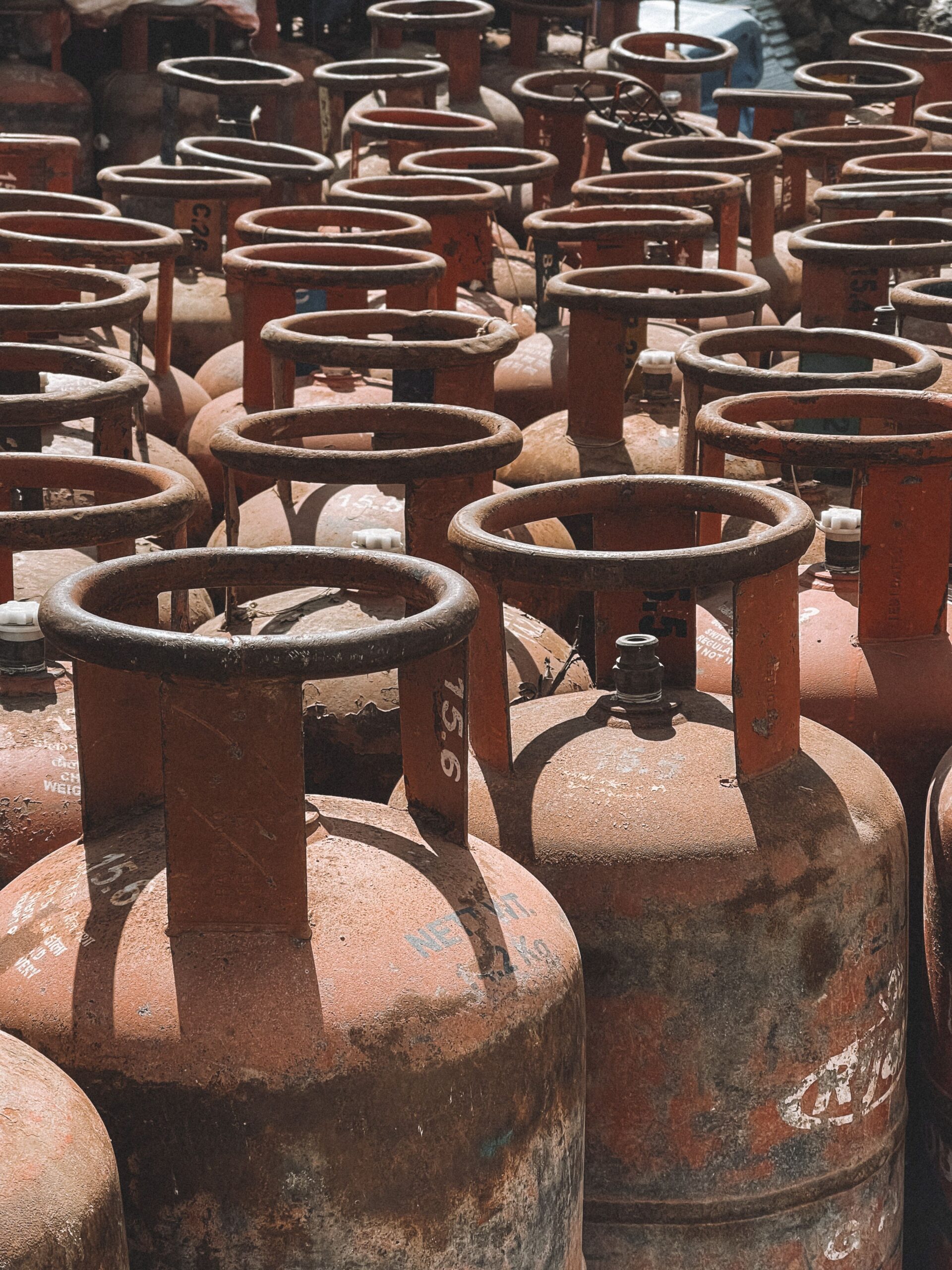
Europe Gas Storage Crisis Raises Fresh Winter Concerns
The Europe gas storage crisis is becoming one of the biggest energy concerns as the continent moves closer to winter. Gas storage levels remain lower than normal for this time of year, while the conflict involving Iran has disrupted important energy routes and reduced the flow of liquefied natural gas, or LNG, into global markets.
The situation is putting pressure on European gas buyers. At the same time, Europe is competing with Asian countries for limited LNG cargoes. As a result, traders are watching storage levels and gas prices very closely.
Recent Reuters reporting said European gas storage was at a historic low for this time of year, increasing the risk of sharp price moves if winter weather turns cold. Reuters also reported that Qatar’s LNG exports had fallen dramatically because of the conflict and disruptions around the Strait of Hormuz.
The Europe gas storage crisis does not mean that Europe is certain to face a gas shortage this winter. However, it does mean that the market has less room for unexpected problems. A cold winter, another supply disruption or stronger competition from Asia could make the situation more difficult.
Goldman Sachs has warned that European gas prices may need to rise above €100 per megawatt-hour in December if Middle East supply disruptions continue and Europe needs to rebuild its gas stocks.
Why Europe Gas Storage Crisis Is Getting Worse
The Europe gas storage crisis has several causes. One of the biggest is the disruption to LNG supplies from the Middle East.
Qatar is an important LNG supplier for the global market. Before the conflict, Qatar supplied around one-fifth of the world’s daily LNG. Reuters reported that Qatari LNG exports had fallen by 96% during the first six months of the conflict, with only 18 cargoes exported compared with 509 during the same period a year earlier.
This is a major change for global gas markets.
Europe has become more dependent on LNG after reducing its reliance on Russian pipeline gas. Therefore, when LNG supplies become harder to secure, European buyers have to compete more aggressively with other regions.
Asia is an important competitor because countries in the region also need LNG for power generation and industrial activity. When Asian buyers offer higher prices, cargoes can move away from Europe.
That makes the Europe gas storage crisis harder to manage because European companies may need to pay more to attract available gas.
Gas Storage Levels Remain Below Normal
The Europe gas storage crisis can be seen clearly in current inventory numbers.
Reuters reported in August that European gas storage was just under 58% full, the lowest mid-year level since records began in 2011. Storage was also around 12 percentage points below the previous year’s level.
More recent reporting has shown storage levels around 63% across the European Union, still below the average level seen in recent years. Germany, Europe’s largest gas storage market, has been particularly exposed, with its storage level reported at around 51%.
These numbers matter because Europe normally uses the summer months to build up gas reserves before the winter heating season.
If storage is lower than normal when winter arrives, the market has less protection against sudden increases in demand.
However, it is important to remember that storage percentage alone does not tell the entire story. Europe also has LNG import terminals, pipeline connections and other sources of gas supply.
The European Commission said in July that there was no immediate winter supply security concern and that storage targets remained achievable, although the market continued to face uncertainty.
Strait of Hormuz Is a Major Factor
The Europe gas storage crisis is closely connected to the Strait of Hormuz.
The waterway is one of the most important energy routes in the world. A large share of global LNG and oil shipments normally moves through the area.
The conflict has disrupted these flows, creating problems for countries that depend on energy imports.
The European Union has increased its use of LNG in recent years, especially after reducing Russian gas imports. That has made the region more connected to global LNG prices.
When the Strait of Hormuz faces disruption, Europe cannot simply replace every missing cargo immediately.
This is why the Europe gas storage crisis has become a global market issue rather than a problem limited to European countries.
A longer disruption could keep competition high between Europe and Asia.
Could European Gas Prices Top €100?
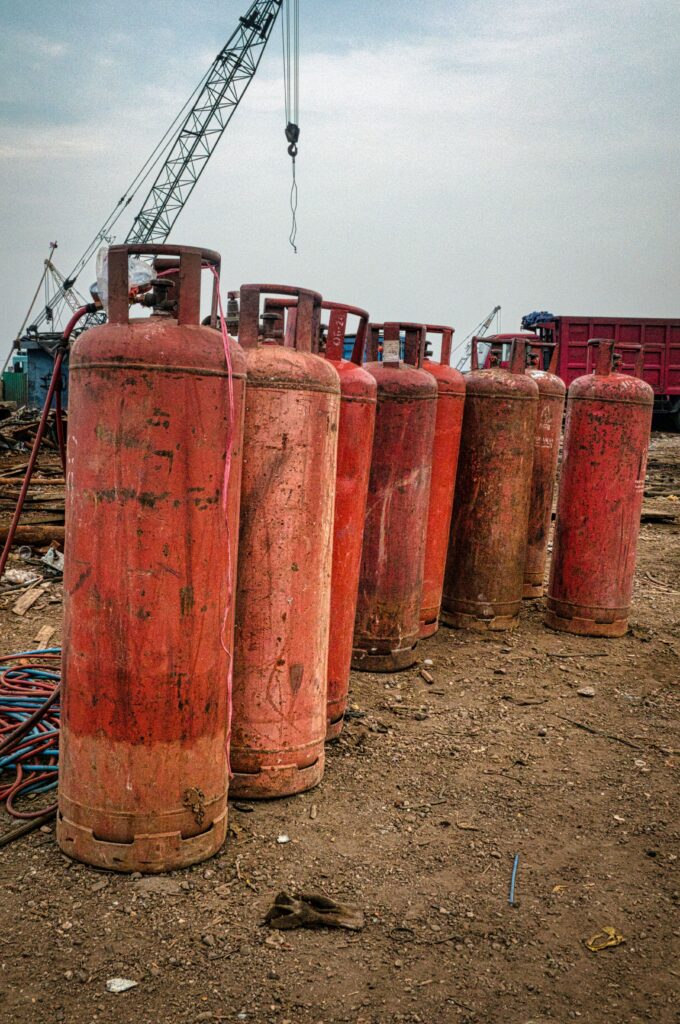
The biggest question linked to the Europe gas storage crisis is whether prices could rise above €100 per megawatt-hour.
Goldman Sachs has said that prices may need to rise above €100/MWh in December under a scenario where Middle East energy supplies recover only gradually. The bank said current prices may not be high enough to attract enough LNG away from Asia and into European storage.
This is a warning, not a prediction that prices will definitely reach €100.
Gas prices depend on several factors, including weather, LNG availability, storage injections, industrial demand and competition from Asia.
If Europe experiences a mild winter, demand could remain lower and prices could stay below that level.
On the other hand, a cold winter could quickly increase heating demand.
That is why the Europe gas storage crisis is being watched so closely by traders and energy companies.
What Happens If Winter Is Colder Than Expected?
A cold winter could make the Europe gas storage crisis more serious.
Households use more gas for heating when temperatures fall. Gas-fired power plants may also be used more when electricity demand rises.
If storage levels are low at the same time, European buyers could need to purchase more gas from the international market.
This could push prices higher.
The situation could become more difficult if Asian countries also need additional LNG because of colder weather or higher electricity demand.
In that situation, Europe and Asia would compete for the same limited supply.
However, Europe’s energy system is not the same as it was during the 2022 energy crisis. The region has added LNG import capacity, improved supply links and reduced gas demand in several areas.
These changes could help limit the impact of a supply shock.
Europe Has Some Important Energy Buffers
Although the Europe gas storage crisis sounds serious, there are several factors that could reduce the pressure.
First, Europe has significant LNG import capacity. The European Commission has said that this capacity provides additional flexibility for meeting winter demand.
Second, European gas consumption has changed since the energy crisis of 2022. Higher renewable power generation, efficiency measures and lower industrial gas use have reduced demand in some parts of the economy.
ACER said the EU could potentially reach around 80% storage before winter if LNG imports continue at recent rates, although doing so could come at a higher cost.
This means that the Europe gas storage crisis is not necessarily a story of Europe running out of gas.
Instead, it is mainly a story about how expensive and difficult it may be to rebuild reserves before winter.
Competition With Asia Is Increasing
Another major issue behind the Europe gas storage crisis is competition with Asia.
LNG is traded internationally, so cargoes can move toward the market where buyers are willing to pay the highest price.
If Asian buyers increase their purchases, Europe may have to offer higher prices to attract cargoes.
This creates a difficult situation. Europe needs more gas for storage, but paying more for LNG can increase energy costs for businesses and households.
Euronews reported that Europe may need to attract a much higher number of LNG cargoes in the coming months to reach higher storage levels before winter.
The market therefore faces a race against time.
Germany Could Remain Under Pressure
Germany is an important part of the Europe gas storage crisis because it has one of the largest storage systems in Europe and is a major industrial economy.
Recent reports showed German storage levels around 51%, significantly below the average for this point in the year.
Germany has also been working to diversify its energy supply after reducing its dependence on Russian pipeline gas.
Its growing LNG infrastructure gives the country more options, but global LNG prices still matter.
If European prices rise sharply, German industries could face higher energy costs.
That does not mean companies will automatically reduce production. However, higher energy prices can make operating costs more difficult for energy-intensive businesses.
What Higher Gas Prices Could Mean for Consumers
The Europe gas storage crisis could also affect households.
Natural gas is directly used for heating in many European countries. It is also important for electricity generation.
When wholesale gas prices rise, electricity markets can also come under pressure.
The impact on consumers depends on local energy systems, government support and the way electricity prices are set.
Therefore, a wholesale gas price above €100/MWh would not automatically mean that every household’s energy bill would rise by the same amount.
Still, sustained high gas prices could increase costs across the energy system.
Businesses may also face higher operating expenses, especially companies that use large amounts of gas.
A Mild Winter Could Change the Picture
Weather could play a very important role in the Europe gas storage crisis.
If the winter is warmer than normal, heating demand could be lower. That would reduce the amount of gas taken from storage.
Some analysts have pointed to the possibility of a warmer winter linked to a strong El Niño pattern. A warmer season could give Europe more time to manage lower storage levels.
However, weather forecasts can change.
It would therefore be risky to depend completely on a warm winter to solve the storage problem.
A balanced approach is more useful. Europe needs to prepare for different weather conditions rather than assume that one particular scenario will happen.
Europe Is Still Working to Strengthen Energy Security
The Europe gas storage crisis has also highlighted the importance of energy security.
The European Union has been working to diversify its energy sources and improve infrastructure.
ACER has said that Europe remains vulnerable to energy shocks but also noted that the current crisis is not at the same level as the 2022-2023 energy crisis.
The EU has also increased its reliance on U.S. LNG and other suppliers.
These changes provide more flexibility.
Still, global energy markets remain connected. A major disruption in one region can affect prices thousands of miles away.
That is why Europe will continue to watch developments in the Middle East closely.
What Investors Should Watch Next
For anyone following the Europe gas storage crisis, several indicators will be important during the next few months.
The first is the weekly pace of storage injections. Europe needs to add gas to storage before winter demand increases.
The second is LNG availability. Any improvement in Middle East shipments could reduce pressure on European buyers.
The third is Asian demand. If Asia requires more LNG, European prices could face additional pressure.
The fourth is weather.
Finally, traders will watch Dutch TTF gas prices, which are a key benchmark for European gas markets.
If prices rise sharply toward or above €100/MWh, it would signal that the market is becoming increasingly concerned about winter supply.
Conclusion
The Europe gas storage crisis is a serious energy market concern, but it is important not to treat the most difficult scenario as a certainty.
Europe enters the final part of the storage season with lower reserves than normal. At the same time, disruptions around the Strait of Hormuz have reduced the availability of LNG and increased competition with Asian buyers.
Goldman Sachs has warned that European gas prices could need to move above €100/MWh in December if supply disruptions continue for a long period.
However, Europe still has several tools available, including LNG import capacity, alternative suppliers, lower gas demand and improved energy infrastructure.
A colder winter could increase pressure, while a mild winter could reduce demand and make the situation easier to manage.
For households and businesses, the most important point is that the situation remains uncertain. Higher prices are possible, but they are not guaranteed.
The coming months will depend on weather, global LNG supply, the situation in the Middle East and Europe’s ability to rebuild storage.
For now, careful planning and steady monitoring remain important. The energy market is facing a difficult period, but Europe has also learned important lessons from previous supply shocks and continues to work on keeping energy supplies reliable.
Sources: Reuters, European Commission, ACER, Euronews, Anadolu Agency, Goldman Sachs research as reported by Bloomberg/other published outlets. All market information in this article is based on publicly available reporting and official energy-market updates available in August 2026.

