

NTPC Solar Thermal Project: Major Clean Energy Win
Author: Crazyrites Editorial Team
Date: October 19, 2026
Introduction
India is taking another step towards cleaner electricity as NTPC Limited partners with US-based 247Solar to introduce advanced solar thermal technology in Rajasthan. The companies have signed a 25-year power purchase agreement (PPA) for a hybrid project at Bhadla Solar Park. The project aims to provide more reliable clean electricity and help reduce dependence on coal-based power.
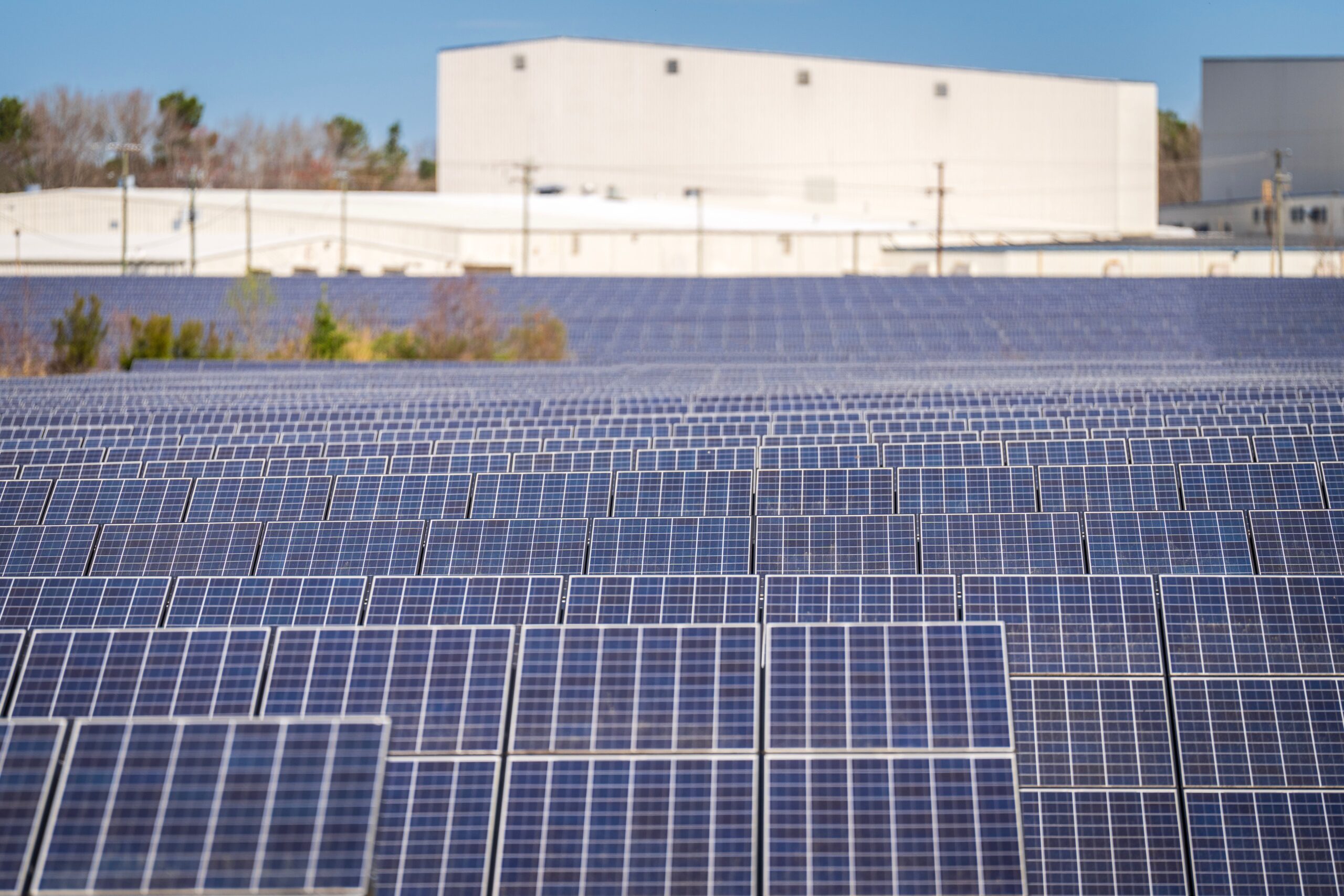
The NTPC Solar Thermal Project is important because it combines solar thermal technology with conventional solar panels. Unlike standard solar panels, which convert sunlight directly into electricity, solar thermal systems capture the sun’s heat and store it for later use. As a result, this technology may help address one of the biggest challenges facing renewable energy: producing electricity when sunlight becomes weak or disappears.
According to 247Solar’s announcement published in October 2026, the project will have an approximate capacity of 1 megawatt (MW). It will include a 400-kilowatt modular solar thermal unit and several hundred kilowatts of photovoltaic solar capacity.
Although this is a relatively small project compared with India’s large power plants, it could provide useful information about the performance and cost of advanced solar thermal technology in Indian conditions.
What Is the NTPC Solar Thermal Project?
The NTPC Solar Thermal Project will be installed at Bhadla Solar Park in Rajasthan, a region known for strong sunshine and large solar energy installations. NTPC and 247Solar selected the location because of its solar potential and access to electricity grid connections.
The project marks the first commercial deployment of 247Solar’s technology. NTPC will use the facility to assess whether stored solar heat can help provide dependable electricity beyond normal daylight hours.
Under the agreement, NTPC will purchase electricity generated by the project according to the terms of the 25-year PPA. A power purchase agreement is a long-term contract between a power producer and a buyer. It sets out the commercial terms under which electricity will be supplied.
The NTPC Solar Thermal Project is also supported by the Rajasthan Renewable Energy Corporation Limited (RRECL), which has approved preliminary studies, site surveys and structural tests, according to the project announcement.
However, the agreement does not mean the project is already generating electricity. The reported announcement confirms the PPA and planned deployment, while a commissioning date and project cost have not been publicly specified in the sources cited below.
How Does Solar Thermal Technology Work?
To understand the NTPC Solar Thermal Project, it is useful to know how solar thermal technology differs from ordinary solar panels.
Photovoltaic (PV) panels convert sunlight directly into electricity. Their output usually falls when sunlight becomes weaker and stops at night unless electricity is available from storage or another source.
Solar thermal technology follows a different process. Mirrors concentrate sunlight onto a receiver, where the energy is captured as heat. The system can then store this heat and use it later to produce electricity.
In 247Solar’s system, mirrors focus sunlight onto a tower. The captured heat is stored in ceramic pellets, which can retain thermal energy for up to 20 hours under the company’s stated system design. Hot air is then used to operate a turbine that generates electricity.
This method could help the NTPC Solar Thermal Project deliver power after sunset and during periods when direct sunlight is limited. Nevertheless, actual performance will depend on sunshine levels, storage conditions, system efficiency and electricity demand.
The technology is designed to provide more flexibility than a solar system that depends only on immediate sunlight. Its performance at Bhadla will help show how effectively this approach works in a real operating environment.
Key Details at a Glance
| Feature | Details |
|---|---|
| Project | NTPC Solar Thermal Project |
| Indian company | NTPC Limited |
| US technology partner | 247Solar |
| Location | Bhadla Solar Park, Rajasthan |
| Approximate total capacity | 1 MW |
| Solar thermal unit | 400 kW |
| Other component | Several hundred kilowatts of solar PV |
| Agreement | 25-year power purchase agreement |
| Heat storage | Ceramic pellets |
| Stated heat storage period | Up to 20 hours |
| Main objective | More reliable clean electricity |
| Project status | PPA signed; deployment planned |
The details show that the NTPC Solar Thermal Project is a demonstration of a different way to use solar energy, rather than a replacement for India’s existing power system.
Why Is NTPC Looking Beyond Traditional Solar Panels?
India’s electricity demand is growing as cities expand, industries develop and more people use digital services, electric equipment and air conditioning. Therefore, the country needs electricity that is not only cleaner but also available when consumers require it.
Traditional solar power has become an important part of India’s energy mix. However, solar panels produce less electricity during cloudy periods and none at night without other generation or storage support. Wind power can also vary with weather conditions.
The NTPC Solar Thermal Project is intended to test whether stored heat can help fill some of these gaps. If the system performs well, it could offer another option for supplying electricity during hours when solar PV output is low.
Coal-fired power stations currently play a major role in India’s electricity supply. Moving away from coal cannot happen overnight because the country must maintain a reliable supply for homes, hospitals, factories and businesses.
For this reason, the project is better understood as a trial of an additional clean energy option. Its success could help NTPC assess whether similar systems are worth considering at other locations.
Can This Technology Reduce Coal Dependence?
Reducing coal use is one of the main aims of the NTPC Solar Thermal Project. However, the scale of the project matters when assessing its likely impact.
At approximately 1 MW, the facility is small compared with the large coal plants that supply electricity to the national grid. It will not, by itself, create a major reduction in India’s total coal consumption.
Instead, the project will help test a technology that could potentially be expanded if it proves reliable and affordable. Stored solar heat may allow a plant to generate electricity during some hours when ordinary solar panels cannot produce enough power.
The company’s system is designed to operate without combustion under normal conditions. However, 247Solar says its turbines can also use liquid or gaseous fuels, including natural gas, green hydrogen or diesel, if stored heat becomes insufficient during the night or extended cloudy weather.
This means the NTPC Solar Thermal Project should not be described as a system that can never use fuel. Its environmental benefits will depend on how it operates, how frequently backup fuels are required and the overall energy mix.
Over time, real operating data will help determine whether this technology can make a meaningful contribution to reducing coal dependence.
What Are the Possible Environmental Benefits?
Solar thermal technology could offer several environmental advantages when it replaces electricity generated from more carbon-intensive sources.
First, stored solar heat can support electricity generation after sunset. This may help reduce the need for other generation sources during some periods, depending on the project’s output and grid conditions.
Second, the NTPC Solar Thermal Project could provide valuable information about combining thermal storage with conventional solar panels. Combining these technologies may offer more flexibility than relying on one source alone.
Third, a successful demonstration could help companies assess whether similar systems can be used in industrial areas or locations where electricity supply is difficult or expensive.
However, the full environmental impact must be measured carefully. The production of equipment, construction work, land use and backup fuel consumption can all affect the final results. Therefore, the technology’s benefits should be judged using actual performance data rather than expectations alone.
Challenges That NTPC and 247Solar Must Address
Although the NTPC Solar Thermal Project has potential, several factors will determine its long-term value.
Cost: Advanced solar thermal systems require mirrors, heat storage equipment, turbines and other supporting systems. The project must demonstrate that its electricity can be produced at a competitive cost.
Reliability: The system must operate consistently through different weather conditions. Long periods of cloud cover may reduce the amount of heat available for storage.
Maintenance: Mirrors, turbines and thermal storage equipment require regular checks. Maintenance costs and equipment life will affect the project’s overall economics.
Backup fuel: If stored heat becomes insufficient, the system may need additional fuel. How often this happens will influence both operating costs and emissions.
Expansion: A small demonstration may perform differently from a much larger installation. Any future expansion would need to consider land, equipment, grid access, financing and local conditions.
These challenges do not mean the project will fail. Rather, they explain why a commercial demonstration is important before a technology is deployed on a wider scale.
What Could This Mean for India’s Renewable Energy Future?
The NTPC Solar Thermal Project may help India explore ways to make renewable electricity more dependable. The country already has substantial solar and wind development, but increasing their contribution requires solutions for periods when output changes.
Thermal storage is one possible answer. Batteries, pumped storage, flexible power generation and stronger electricity networks are other options. Each approach has different costs, benefits and technical limits.
If the Bhadla project produces encouraging results, NTPC could use its experience to assess further applications. Such decisions would depend on measured performance, customer needs, electricity prices and the availability of suitable locations.
The partnership also shows how international technology companies can work with Indian energy producers. The combination of local operating experience and overseas technology may help bring new energy solutions into the market.
Nevertheless, the broader impact will depend on the project’s results, not simply the announcement of an agreement.
Conclusion
The NTPC Solar Thermal Project is a promising step in India’s effort to develop more reliable clean electricity. Through its 25-year agreement with US-based 247Solar, NTPC plans to test a hybrid system that combines solar thermal technology, heat storage and conventional solar panels at Bhadla Solar Park in Rajasthan.
The project is relatively small, so it will not immediately transform India’s power sector or eliminate the need for coal. However, it could provide useful evidence about whether stored solar heat can supply electricity beyond daylight hours and support a more flexible energy system.
Ultimately, the value of the NTPC Solar Thermal Project will depend on its cost, reliability, environmental performance and ability to operate under real-world conditions. If the results are positive, the project may help guide future decisions about clean energy investment in India. Its progress will be worth watching as the country works towards a reliable and more diverse electricity supply.
Sources:
- 247Solar — Official company announcement, October 14, 2026: India’s Largest Utility to Deploy 247Solar’s Advanced Solar Thermal Technology
- pv magazine India — October 19, 2026: NTPC to Deploy 247Solar’s Solar Thermal Technology for Round-the-Clock Clean Power
- 247Solar press release via PR Newswire — October 15, 2026: NTPC Signs Agreement for First Commercial Solar Thermal Project

