

Oil Prices Rise on Geopolitical Tensions as Iran-US Conflict Raises Global Supply Concerns
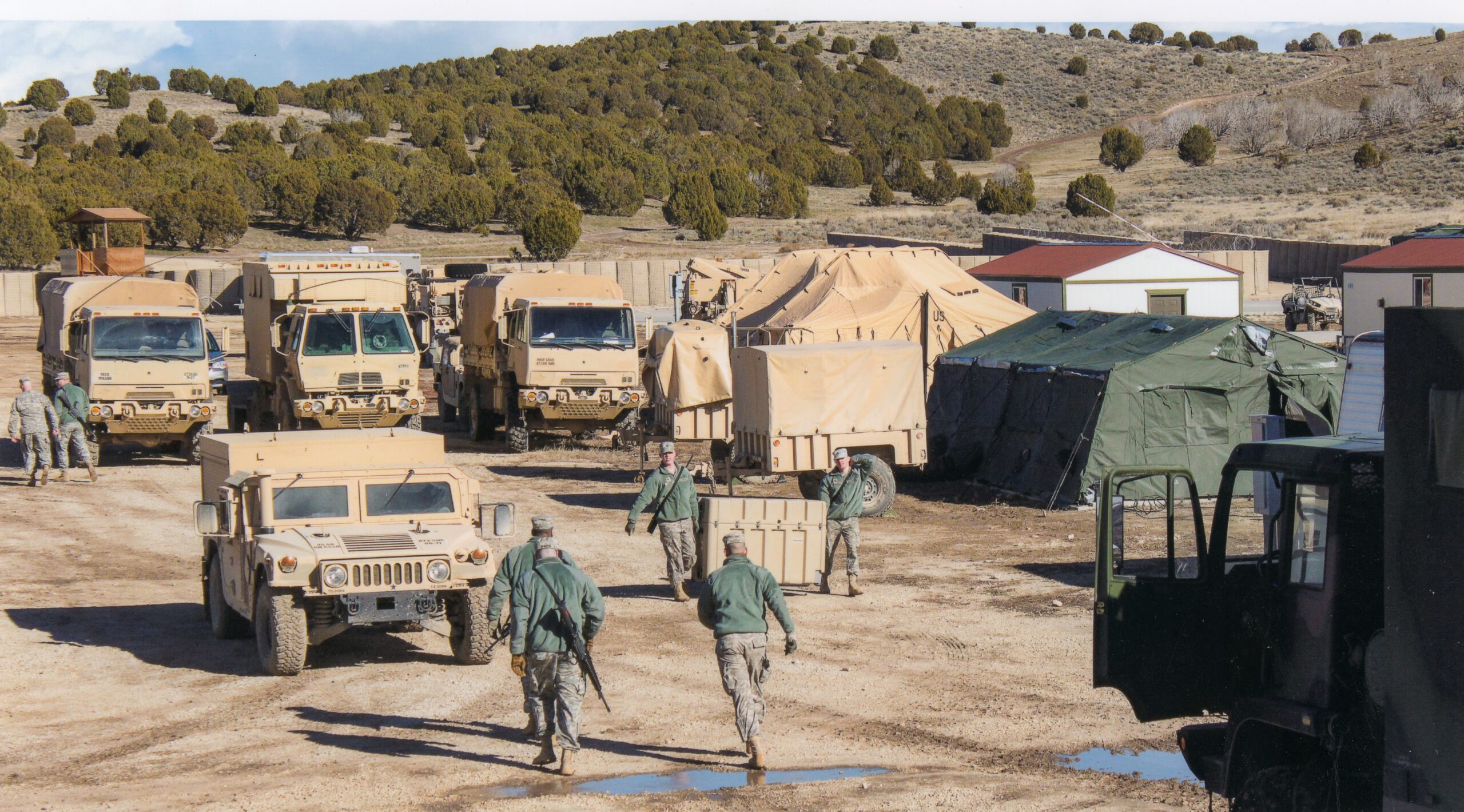
Global crude oil prices moved higher after renewed geopolitical tensions between Iran and the United States intensified concerns over potential disruptions to energy supplies. Escalating military strikes and growing uncertainty in the Middle East have increased fears that oil production and shipping routes could be affected, pushing investors toward energy commodities. As a result, both Brent crude and West Texas Intermediate (WTI) crude registered gains as traders closely monitored developments in one of the world’s most strategically important oil-producing regions.
The latest rise in oil prices highlights how geopolitical events continue to influence global energy markets. Although global oil supply remains stable for now, investors are increasingly worried that prolonged tensions or further military escalation could interrupt exports from the Middle East. Consequently, energy markets have become more volatile, while governments and businesses are preparing for the possibility of higher fuel costs in the coming months.
Why Oil Prices Are Rising
The recent increase in crude oil prices is primarily linked to growing geopolitical uncertainty between Iran and the United States.
Military strikes and rising diplomatic tensions have increased fears that the conflict could expand beyond isolated incidents. Whenever geopolitical risks rise in major oil-producing regions, traders typically anticipate possible disruptions to global energy supplies.
As a result, investors begin purchasing oil futures in expectation of tighter supplies, pushing prices higher even before any actual production losses occur.
Moreover, financial markets often react quickly to geopolitical developments because energy remains one of the world’s most essential commodities.
Importance of the Middle East in Global Oil Supply
The Middle East remains one of the most significant oil-producing regions in the world.
Countries including Saudi Arabia, Iran, Iraq, Kuwait, and the United Arab Emirates account for a substantial share of global crude oil production and exports.
Additionally, the region contains some of the world’s largest proven oil reserves.
Therefore, even limited geopolitical instability can influence global oil prices because investors fear potential supply disruptions.
The strategic importance of the Middle East makes every major political or military development closely watched by energy markets worldwide.
Strait of Hormuz Remains a Key Concern
One of the biggest concerns during periods of Iran-US tension is the Strait of Hormuz.
This narrow waterway serves as one of the world’s most important energy shipping routes.
A significant portion of global crude oil and liquefied natural gas passes through the strait every day.
If shipping traffic were disrupted due to military conflict or security concerns, global energy supplies could tighten rapidly.
Although shipping operations continue normally at present, markets remain highly sensitive to any developments involving this critical trade route.
Market Reaction to Geopolitical Risks
Financial markets typically respond immediately to geopolitical uncertainty.
Oil futures often rise as traders seek protection against possible supply shortages.
Energy company shares may also benefit because higher oil prices generally improve revenue expectations.
Meanwhile, airline companies, transportation businesses, and manufacturing firms often face pressure because higher fuel costs increase operating expenses.
Investors also tend to move toward traditional safe-haven assets during periods of geopolitical uncertainty.
Consequently, market volatility often increases whenever tensions escalate.
Iran’s Role in the Global Energy Market
Iran remains one of the world’s major oil-producing nations despite international sanctions affecting portions of its energy exports.
The country possesses enormous crude oil reserves and significant production capacity.
Any disruption involving Iranian exports could influence global oil supply balances.
Furthermore, tensions involving Iran often affect neighboring oil-producing countries because regional security concerns may spread beyond national borders.
Therefore, developments involving Iran receive considerable attention from energy analysts and policymakers.
United States Energy Strategy
The United States has become one of the world’s largest oil producers over the past decade due to the rapid expansion of shale oil production.
Domestic production has reduced America’s dependence on imported energy.
However, global oil prices continue affecting the US economy because crude oil is traded internationally.
Consequently, even strong domestic production cannot completely shield American consumers from rising global fuel prices.
US policymakers continue monitoring international developments closely to maintain energy market stability.
Impact on Fuel Prices
Higher crude oil prices often lead to increased fuel costs for consumers.
Gasoline and diesel prices usually rise when crude becomes more expensive because oil serves as the primary raw material for refined petroleum products.
Transportation companies may also experience higher operating expenses.
Airlines often face increased jet fuel costs.
Shipping companies encounter higher logistics expenses.
Eventually, businesses may pass these additional costs to consumers through higher product prices.
Therefore, sustained increases in crude oil prices can influence inflation across multiple sectors.
Inflation Concerns Return
Rising energy prices remain one of the biggest challenges for central banks.
Although inflation has moderated compared to previous years, higher oil prices could slow further progress.
Energy costs affect transportation, manufacturing, agriculture, and retail distribution.
Consequently, expensive oil may increase the prices of food, consumer goods, and industrial products.
Central banks including the Federal Reserve and the Bank of England continue monitoring energy markets because sustained oil price increases could delay future interest rate cuts.
Impact on Global Economic Growth
Higher energy prices can also influence overall economic growth.
Consumers often reduce discretionary spending when fuel costs rise.
Businesses experience lower profit margins because operating expenses increase.
Manufacturing industries become less competitive if production costs rise significantly.
Emerging economies that rely heavily on imported oil may face additional financial pressure.
Nevertheless, oil-exporting nations may benefit from stronger government revenues during periods of elevated crude prices.
The overall impact depends on how long higher prices persist.
OPEC+ May Play an Important Role
The Organization of the Petroleum Exporting Countries and its allies, commonly known as OPEC+, continue influencing global oil markets.
The group regularly adjusts production levels to maintain market stability.
If geopolitical tensions significantly reduce global supply, OPEC+ could potentially respond by modifying production policies.
However, production decisions depend on multiple factors, including global demand, inventory levels, and long-term market conditions.
Investors closely monitor every OPEC+ meeting because production announcements frequently influence oil prices.
Energy Companies Could Benefit
Major oil producers often benefit from rising crude prices.
Higher market prices generally improve revenue, profitability, and cash flow for exploration and production companies.
Energy firms may also increase investment in drilling, infrastructure, and production capacity when oil prices remain elevated.
However, long-term investment decisions depend on whether higher prices are expected to continue.
Short-term geopolitical spikes sometimes reverse quickly once tensions ease.
Therefore, companies remain cautious despite improved pricing conditions.
Transportation and Aviation Face Challenges
Industries heavily dependent on fuel are among the most affected by rising oil prices.
Airlines experience higher aviation fuel expenses.
Shipping companies encounter increased transportation costs.
Logistics providers may raise freight charges.
Public transportation systems also face growing operating costs.
Consequently, higher fuel prices can influence ticket prices, shipping rates, and supply chain expenses across numerous industries.
Businesses continue seeking greater fuel efficiency to reduce exposure to energy price volatility.
Renewable Energy Gains Additional Attention
Periods of higher oil prices often strengthen interest in renewable energy investments.
Governments and businesses increasingly recognize the importance of reducing dependence on fossil fuels.
Solar energy, wind power, battery storage, and electric vehicles become more attractive when traditional energy costs rise.
Additionally, energy diversification improves long-term economic resilience.
Although oil will remain essential for many years, higher prices often accelerate investment in cleaner energy technologies.
Global Investors Monitor Every Development
Institutional investors continue following geopolitical developments closely.
Every diplomatic statement, military operation, or ceasefire announcement has the potential to influence commodity markets.
Financial institutions regularly update forecasts based on changing geopolitical risks.
Meanwhile, hedge funds and commodity traders actively adjust positions in response to new information.
This continuous reassessment contributes to increased market volatility during periods of international tension.
Risks That Could Push Oil Prices Higher
Several factors could support additional increases in crude oil prices.
Further military escalation between Iran and the United States could disrupt regional stability.
Shipping interruptions through major maritime routes would significantly affect global supply.
Unexpected production outages in key oil-producing countries may tighten markets.
Stronger global demand could also support higher prices if economic activity improves.
Additionally, lower commercial oil inventories would reduce the market’s ability to absorb supply disruptions.
Factors That Could Limit Oil Price Gains
Despite current tensions, several factors could prevent prolonged price increases.
Diplomatic negotiations may reduce geopolitical risks.
Major oil producers could increase output to offset potential supply shortages.
Global economic growth may slow, reducing energy demand.
Higher prices could also encourage additional production from non-OPEC countries.
Furthermore, governments may release strategic petroleum reserves if supply disruptions become severe.
These factors could stabilize markets over time.
What Investors Should Watch Next
Energy markets will closely monitor several important developments.
Diplomatic negotiations between Iran and the United States remain a key focus.
Shipping activity through the Strait of Hormuz will receive significant attention.
OPEC+ production decisions could influence future supply expectations.
Weekly inventory reports from major consuming countries will indicate market balance.
Additionally, global economic data will help determine future oil demand.
Each of these factors will shape crude oil prices over the coming weeks.
Outlook for Global Oil Markets
Looking ahead, oil markets are expected to remain highly sensitive to geopolitical developments.
If tensions ease through diplomatic efforts, crude prices may stabilize.
However, further military escalation could increase volatility and push prices higher.
Meanwhile, global demand remains relatively steady, providing underlying support for energy markets.
Central banks, governments, businesses, and investors will continue monitoring developments because oil prices influence inflation, economic growth, transportation costs, and financial markets worldwide.
What Triggered the Rebound in Oil Prices?
The immediate catalyst for the energy market rally was a localized, highly intense military exchange between Washington and Tehran OGJ.
- U.S. Retaliatory Campaigns: Late on Wednesday, the U.S. military launched a comprehensive, heavy wave of air operations targeting Iranian operational facilities and military infrastructure CNBC, Facebook. The attack came in direct response to Iranian missile volleys previously fired at American forces stationed in the region Pluang, OGJ.
- IRGC Counter-Threats: Following the strikes, Iran’s Islamic Revolutionary Guard Corps (IRGC) Publically warned that it would launch immediate counter-escalations, effectively killing near-term hopes for a diplomatic truce CNBC.
- Declining U.S. Crude Stockpiles: Compounding the geopolitical anxiety, domestic market fundamentals turned bullish after the latest American Petroleum Institute (API) report noted a sharp 3.3-million-barrel drop in commercial U.S. crude inventories, indicating tight global supplies YouTube, OGJ.
Conclusion
The latest rise in crude oil prices underscores how geopolitical tensions between Iran and the United States continue to shape global energy markets. Growing concerns over potential supply disruptions have increased investor demand for oil, pushing prices higher despite stable production levels. Although no major interruption to global oil exports has occurred, markets remain cautious as military developments unfold. Higher crude prices could increase inflationary pressures, raise transportation costs, and influence future central bank decisions on interest rates. As diplomatic and geopolitical developments continue, global businesses, policymakers, and investors will closely monitor the energy market because its direction will have significant implications for the world economy in the months ahead.
Central Banks Hold Rates Steady: Bank of England Keeps Interest