

Taiwan’s ASE Boosts Spending by $2 Billion to Expand AI Chip Capacity Amid Global Semiconductor Shortage
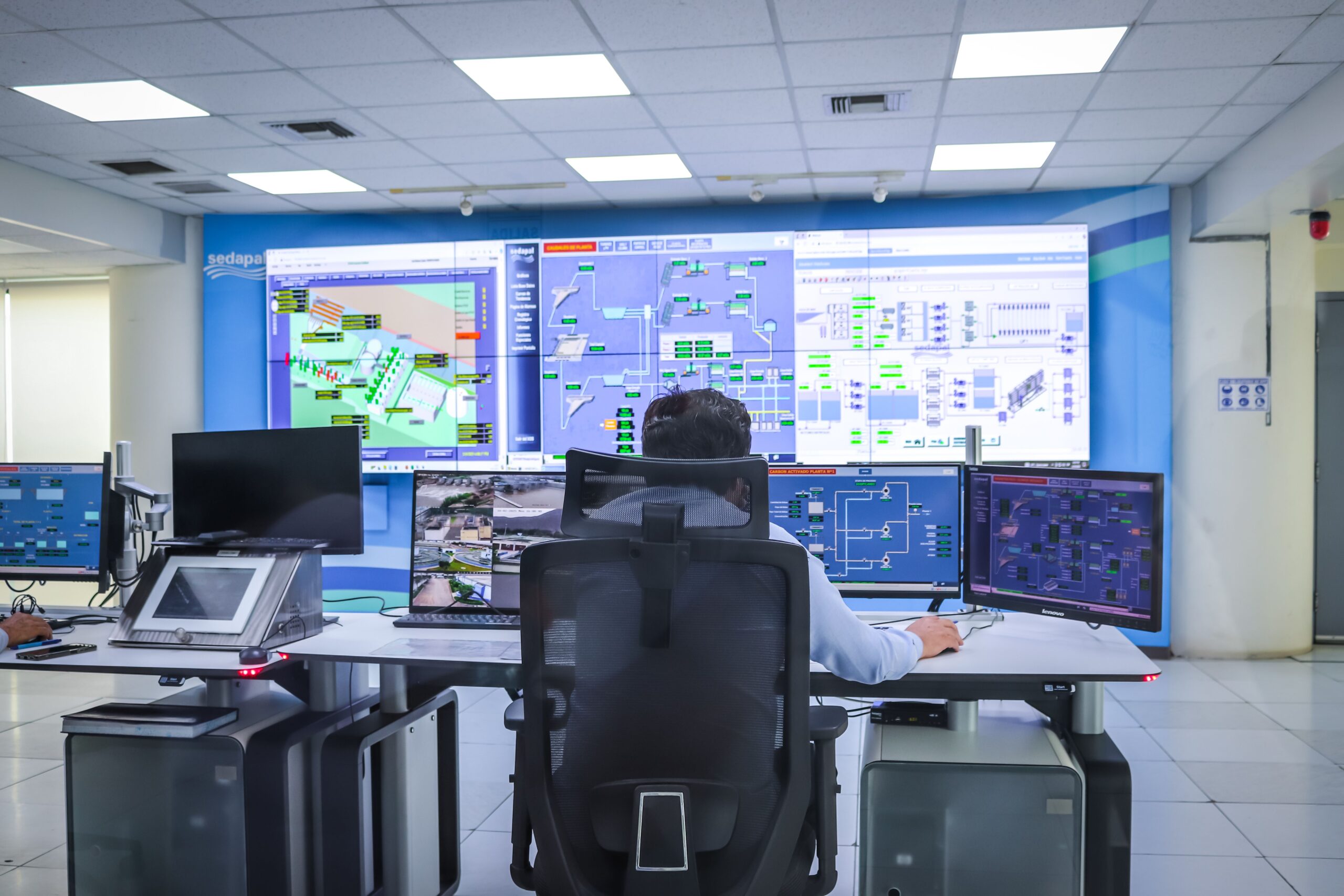
Taiwan-based ASE Technology, the world’s largest semiconductor packaging and testing company, has announced a major increase in capital expenditure by $2 billion, bringing its total planned investment to $10.5 billion. The decision comes as demand for artificial intelligence (AI) chips continues to surge worldwide, creating severe supply shortages across the semiconductor industry. By expanding production capacity and investing in advanced packaging technologies, ASE aims to strengthen its position as a critical supplier in the rapidly growing AI ecosystem.
The latest investment reflects the unprecedented demand for high-performance chips used in generative AI, cloud computing, autonomous systems, and advanced data centers. As technology giants continue investing billions of dollars in AI infrastructure, semiconductor manufacturers are racing to expand production capabilities. Consequently, ASE’s latest spending plan is expected to play an important role in easing supply constraints while supporting the next phase of global AI development.
ASE Technology Increases Capital Expenditure
ASE Technology’s decision to raise capital expenditure to $10.5 billion marks one of the company’s largest investment programs in recent years.
The additional $2 billion will primarily fund the expansion of advanced semiconductor packaging facilities, production equipment, manufacturing automation, and research into next-generation chip integration technologies.
Management believes the increased investment is necessary because customer demand for AI-related semiconductor packaging continues exceeding available production capacity.
As a result, ASE plans to accelerate factory expansion while improving manufacturing efficiency across its global operations.
Why AI Chip Demand Is Surging
Artificial intelligence has rapidly become one of the strongest drivers of semiconductor demand.
Large language models, generative AI platforms, autonomous vehicles, robotics, cloud computing, and advanced analytics all require powerful processors capable of handling massive computational workloads.
Technology companies including Microsoft, Amazon, Alphabet, Meta, OpenAI partners, and numerous enterprise software providers continue investing heavily in AI infrastructure.
Consequently, demand for graphics processing units (GPUs), AI accelerators, high-bandwidth memory, and advanced semiconductor packaging has reached record levels.
This explosive growth has created supply shortages across multiple segments of the semiconductor industry.
The Critical Role of Semiconductor Packaging
While chip manufacturing often receives the most attention, semiconductor packaging plays an equally important role in modern electronics.
Packaging protects delicate semiconductor components while connecting chips to electronic systems.
Advanced packaging also improves performance, power efficiency, thermal management, and communication speeds between multiple processors.
Furthermore, AI processors increasingly require sophisticated packaging technologies that combine multiple chips into a single high-performance system.
Therefore, companies specializing in advanced packaging have become essential partners for leading semiconductor manufacturers.
ASE occupies a dominant position within this highly specialized market.
Why Packaging Has Become a Bottleneck
The rapid expansion of AI has shifted one of the industry’s biggest challenges from chip manufacturing to advanced packaging.
Many semiconductor companies possess the capability to manufacture chips, but far fewer can package increasingly complex AI processors.
As AI chips become larger and more powerful, packaging processes require greater precision, advanced equipment, and specialized engineering expertise.
Consequently, packaging capacity has become one of the industry’s most significant production bottlenecks.
ASE’s latest investment directly addresses this growing challenge.
Supporting the Global AI Boom
Technology companies worldwide continue building enormous AI infrastructure.
Cloud providers are expanding hyperscale data centers.
Software developers are launching increasingly sophisticated AI applications.
Enterprise customers are integrating artificial intelligence into daily business operations.
Meanwhile, governments are investing heavily in national AI strategies.
All these developments require enormous quantities of advanced semiconductor components.
Therefore, expanding packaging capacity has become just as important as increasing wafer production.
ASE’s investment supports the broader AI supply chain by ensuring finished processors can reach customers more efficiently.
Strong Demand from Cloud Providers
Cloud computing companies remain among ASE’s largest growth opportunities.
Major cloud providers continue purchasing massive volumes of AI processors to support generative AI services, enterprise applications, machine learning platforms, and advanced analytics.
As organizations increasingly adopt AI-powered software, cloud infrastructure requirements continue expanding.
This sustained demand encourages semiconductor suppliers to increase long-term investment.
ASE expects enterprise AI adoption to remain one of its strongest growth drivers throughout the coming years.
Advanced Packaging Technologies Gain Importance
Modern AI chips rely heavily on advanced packaging solutions.
Technologies such as chiplet integration, 2.5D packaging, 3D stacking, and high-bandwidth memory integration significantly improve computing performance.
These innovations allow multiple semiconductor components to function together more efficiently.
Additionally, advanced packaging reduces power consumption while increasing processing speed.
As AI models continue growing larger, these technologies will become even more essential.
ASE continues investing aggressively in research and development to remain competitive within this rapidly evolving field.
Taiwan Strengthens Its Semiconductor Leadership
Taiwan remains the world’s most important semiconductor manufacturing hub.
The island hosts numerous leading companies involved in chip fabrication, packaging, testing, and electronic manufacturing.
Its highly developed semiconductor ecosystem provides significant advantages in technology development, skilled labor, and supply chain integration.
ASE’s latest investment further reinforces Taiwan’s leadership within the global semiconductor industry.
Moreover, continued investment strengthens the country’s strategic importance in worldwide technology supply chains.
AI Infrastructure Investment Continues Accelerating
The semiconductor industry’s rapid expansion reflects broader investment trends across artificial intelligence.
Technology giants continue announcing multibillion-dollar spending programs for AI data centers, networking equipment, cloud infrastructure, and advanced processors.
Governments are also supporting domestic semiconductor production through industrial policies and financial incentives.
Consequently, demand for semiconductor manufacturing equipment and packaging services is expected to remain strong over the coming decade.
ASE’s expansion aligns closely with these long-term industry trends.
Benefits for Customers
Increasing production capacity provides several advantages for semiconductor customers.
Larger manufacturing capacity helps reduce delivery delays.
Improved production efficiency supports faster product launches.
Greater packaging availability enables chip manufacturers to respond more effectively to changing market demand.
Additionally, advanced packaging technologies improve product performance while reducing manufacturing complexity.
These improvements ultimately benefit technology companies developing AI-powered products and services.
Supply Chain Stability
The global semiconductor industry has experienced multiple supply disruptions in recent years.
Pandemic-related shutdowns, logistics challenges, geopolitical tensions, and surging demand exposed weaknesses across technology supply chains.
Companies throughout the semiconductor ecosystem have responded by increasing investment and expanding manufacturing capacity.
ASE’s latest capital expenditure represents another important step toward improving long-term supply chain resilience.
Stronger production capacity reduces the risk of future shortages.
Economic Impact
Large semiconductor investments generate significant economic benefits.
Factory expansion creates construction activity and manufacturing employment.
Research investments support technological innovation.
Equipment purchases stimulate supplier industries.
Additionally, stronger semiconductor production enhances export opportunities for Taiwan’s economy.
The continued expansion of the semiconductor sector also supports broader economic growth through increased productivity and technological advancement.
Challenges Remain
Despite strong demand, the semiconductor industry continues facing important challenges.
Building advanced manufacturing facilities requires enormous capital investment.
Skilled engineering talent remains in high demand.
Energy consumption continues increasing as production expands.
Geopolitical tensions also create uncertainty regarding global technology supply chains.
Furthermore, maintaining technological leadership requires continuous innovation and research spending.
Nevertheless, industry demand remains sufficiently strong to justify ongoing investment.
Competition Intensifies
ASE operates in an increasingly competitive environment.
Semiconductor companies worldwide continue expanding manufacturing, packaging, and testing capabilities.
Governments in the United States, Europe, Japan, South Korea, and China are encouraging domestic semiconductor investment.
This global competition accelerates innovation while strengthening overall industry capacity.
However, ASE’s extensive experience, technological expertise, and established customer relationships provide significant competitive advantages.
Opportunities in AI and High-Performance Computing
Beyond generative AI, numerous industries continue increasing semiconductor demand.
High-performance computing supports scientific research and engineering.
Autonomous vehicles require powerful AI processors.
Healthcare increasingly uses AI for medical imaging and diagnostics.
Industrial automation depends on intelligent computing systems.
Telecommunications companies continue expanding next-generation network infrastructure.
Each of these sectors contributes to long-term semiconductor growth.
What Investors Should Watch
Investors will closely monitor ASE’s progress in expanding production capacity.
Future financial results will indicate whether increased investment successfully translates into higher revenue and profitability.
Customer demand for advanced packaging services will remain an important indicator.
Additionally, global AI infrastructure spending will continue influencing semiconductor market growth.
Supply chain developments, technology innovation, and capital expenditure trends will also shape future industry performance.
Future Outlook
Looking ahead, the outlook for the semiconductor industry remains highly positive.
Artificial intelligence is expected to drive sustained demand for advanced processors over the next decade.
Cloud computing, machine learning, robotics, edge computing, and intelligent automation will require increasingly sophisticated semiconductor technologies.
ASE’s expanded investment positions the company to benefit from these long-term trends.
Although short-term market fluctuations remain possible, structural demand for advanced semiconductor packaging continues strengthening.
Breaking Down the $2 Billion Spending Surge
The additional $2 billion expansion budget will be split evenly to maximize production velocity, pushing the firm past the $10 billion mark for the first time: [1, 2]
- $1 Billion for Facilities: ASE is funding over 20 concurrent factory projects. This includes building 13 greenfield sites alongside 8 brownfield sites to quickly repurpose existing facilities. [1, 2, 3]
- $1 Billion for Next-Gen Equipment: The company is doubling down on machinery to build out its Leading-Edge Advanced Packaging (LEAP) platform. [1, 2]
- Long-Term Timeline Extension: Chief Operating Officer Tien Wu noted that capacity planning is now being mapped out through 2029 and beyond to satisfy structural, long-term physical AI demands. [1, 2]
Clearing the Advanced Packaging Chokepoint
Advanced AI graphics processors require highly specialized assembly techniques like Chip-on-Wafer-on-Substrate (CoWoS) before installation into server racks. Because foundries face a major hardware bottleneck, tech companies rely on ASE Technology to finalize high-performance computing components. [1, 2, 3, 4]
ASE’s subsidiary, Siliconware Precision Industries (SPIL), is a primary advanced packaging supplier for Nvidia Corporation’s Blackwell chip architectures. Chief Financial Officer Joseph Tung stated that revenue from the company’s LEAP platform is tracking way ahead of its initial $3.5 billion target, and the group aims to double its LEAP revenue by 2027.
Conclusion
Taiwan’s ASE Technology has taken another significant step toward supporting the global AI revolution by increasing its capital expenditure by $2 billion, bringing total planned investment to $10.5 billion. The expansion reflects the extraordinary demand for advanced semiconductor packaging as AI chip shortages continue affecting technology companies worldwide. By investing in new facilities, cutting-edge packaging technologies, and expanded production capacity, ASE aims to strengthen the semiconductor supply chain while helping meet the growing needs of cloud providers, AI developers, and enterprise customers. As artificial intelligence continues transforming industries across the globe, investments like ASE’s will play a vital role in ensuring that the semiconductor industry can keep pace with rapidly expanding demand, making advanced chip packaging one of the most important foundations of the next generation of technological innovation.
Oil Prices Rise on Geopolitical Tensions as Iran-US Conflict