

US Stock Markets Surge to Historic Levels Following Jobs Data
US Stock Markets Rise After Surprising Jobs Report
US stock markets finished strongly on Friday as investors reacted to an unexpectedly weak jobs report that reduced expectations for another Federal Reserve interest-rate increase. The latest employment data showed that the US economy lost jobs in July, creating a sharp shift in expectations around monetary policy and giving investors another reason to remain optimistic about equities.
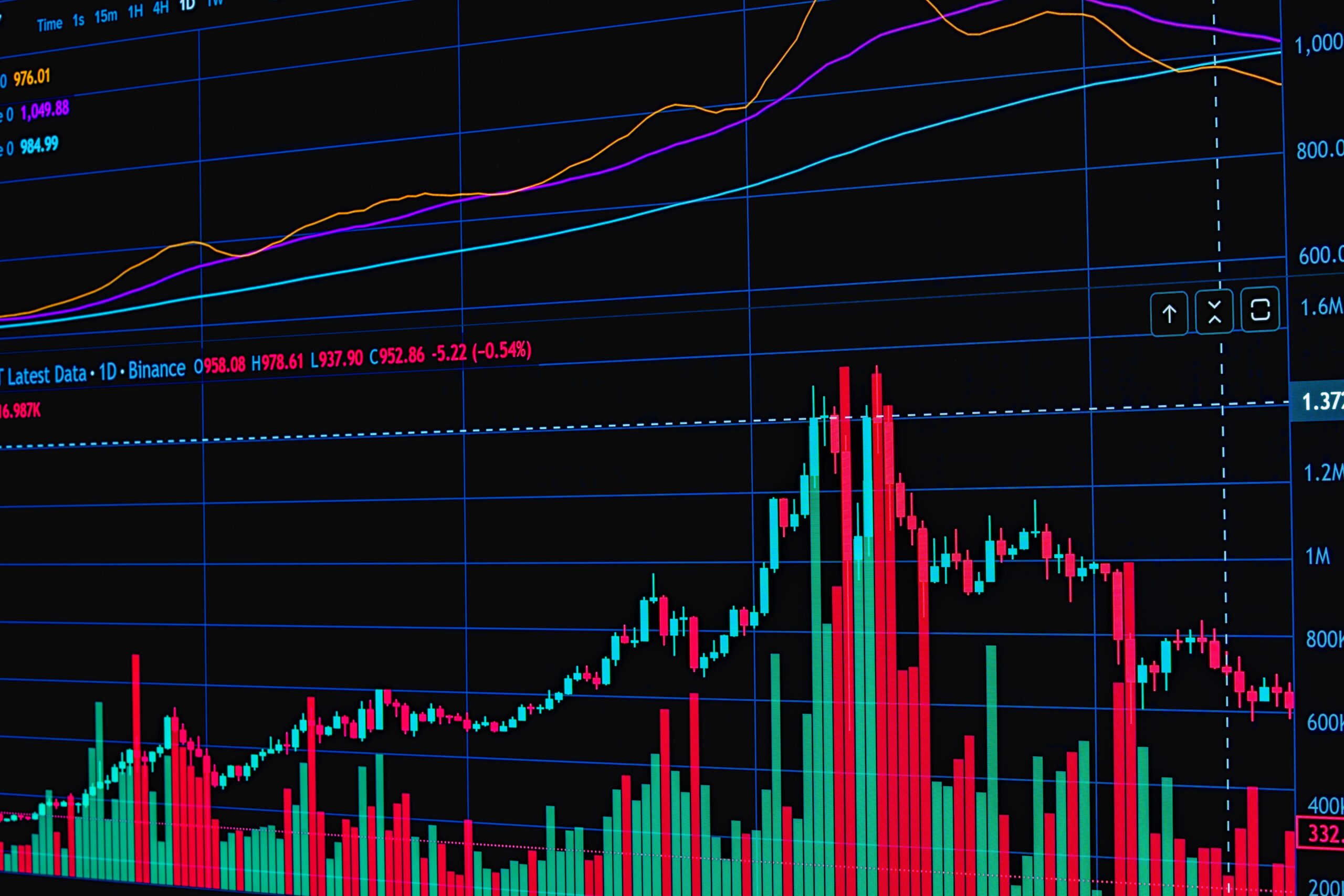
The S&P 500 closed at a record high, while the Nasdaq Composite and Dow Jones Industrial Average also posted solid gains. The S&P 500 advanced 0.62% to 7,757.64, the Nasdaq climbed 1.30% to 26,690.62, and the Dow gained 0.28% to 54,036.93. Furthermore, all three major indexes recorded their strongest weekly percentage gains since April. (Reuters)
The market reaction may appear surprising because weaker employment data is normally viewed as a negative signal for the economy. However, investors interpreted the report differently this time. Instead of focusing primarily on the possibility of slower economic growth, markets concentrated on what the weak jobs numbers could mean for interest rates.
As a result, US stock markets received a significant boost as expectations for a September Fed rate hike declined.
Jobs Data Changes the Market Narrative
US stock markets: The biggest catalyst behind the latest rally was the July employment report. According to the US Bureau of Labor Statistics, nonfarm payroll employment declined by 23,000 in July. That result was far below the 80,000 increase economists surveyed by Reuters had expected. (Reuters)
The report was also weaker because employment figures for the previous two months were revised substantially lower. Therefore, investors were not simply reacting to one disappointing month. Instead, the data suggested that the US labor market could be losing momentum faster than previously believed.
Interestingly, the unemployment rate declined to 4.1% from 4.2% in June. However, the decrease was partly linked to workers leaving the labor force rather than a clear improvement in hiring conditions. (Reuters)
That distinction is important because investors are increasingly watching whether the labor market is cooling gradually or moving toward a more significant slowdown.
For now, the data appears to have delivered what markets often describe as a “bad news is good news” scenario. The economy showed signs of weakness, but that weakness could reduce pressure on the Federal Reserve to raise interest rates.
Why Investors Welcomed Weak Employment Numbers
US stock markets: The immediate question is why US stock markets would rise after a disappointing employment report.
The answer is largely connected to interest rates.
Higher interest rates can make borrowing more expensive for businesses and consumers. They can also reduce the attractiveness of stocks compared with bonds and place pressure on company valuations, particularly for technology and growth companies.
Therefore, when investors believe the Federal Reserve is less likely to raise rates, equity markets can respond positively.
The latest jobs report had exactly that effect. Reuters reported that market expectations for a Federal Reserve rate hike at the next meeting dropped to around 44%, compared with 55% in the previous session and 67% a week earlier. (Reuters)
Consequently, investors began to see less risk of another increase in borrowing costs.
That shift helped create a favorable environment for stocks, especially companies whose valuations are sensitive to interest-rate expectations.
S&P 500 Reaches a Record Closing Level
US stock markets: Among the major benchmarks, the S&P 500 delivered the most notable milestone by closing at a record level.
The index gained 47.68 points, or 0.62%, to finish at 7,757.64. Over the full week, the S&P 500 advanced 3.58%. (Reuters)
A record close is significant because it shows that investors remain willing to buy stocks even while economic uncertainty continues.
At the same time, the rally was not driven only by expectations around interest rates. Corporate earnings also played a major role.
According to Reuters, 85.1% of the 436 S&P 500 companies that had reported results by Friday morning had exceeded analyst expectations. That figure was well above the long-term average of 68% since 1994. (Reuters)
Therefore, investors had two major reasons to remain positive: stronger-than-expected corporate earnings and reduced expectations for further monetary tightening.
Nasdaq Leads the Market Rally
US stock markets: The Nasdaq Composite was the strongest performer among the three major US indexes on Friday.
The technology-heavy index climbed 1.30%, adding 342.26 points to reach 26,690.62. For the week, the Nasdaq gained 5.19%. (Reuters)
Technology stocks are often particularly sensitive to interest-rate expectations because many growth companies derive a significant portion of their valuations from future earnings.
When investors expect rates to remain stable or potentially decline, those future earnings can become more attractive.
Therefore, the softer jobs data provided an additional boost to technology shares.
The Nasdaq’s performance also reflects continued investor enthusiasm around artificial intelligence, cloud computing, semiconductors and software.
However, investors are becoming more selective. Companies still need to demonstrate strong revenue growth and earnings performance to justify elevated valuations.
Dow Jones Also Moves Higher
US stock markets: The Dow Jones Industrial Average also participated in the rally, although its gain was more modest than the Nasdaq’s.
The Dow rose 151.83 points, or 0.28%, to 54,036.93. Over the week, the index gained 2.96%. (Reuters)
The Dow contains many established companies from sectors such as industrials, financial services, healthcare and consumer businesses. Therefore, its performance provides a different perspective on market sentiment compared with the technology-heavy Nasdaq.
The fact that all three major indexes advanced during the week suggests that the rally was relatively broad rather than being driven entirely by a handful of technology stocks.
Moreover, advancing stocks outnumbered declining stocks by roughly 2.49 to 1 on the New York Stock Exchange and 2.07 to 1 on the Nasdaq. (Reuters)
That breadth is another encouraging signal for investors.
Strong Corporate Earnings Add to Investor Confidence
US stock markets: Although the jobs report attracted most of the attention, corporate earnings were another major reason US stock markets remained strong.
The latest earnings season has produced a large number of results that exceeded Wall Street expectations. As mentioned earlier, more than 85% of reporting S&P 500 companies had beaten analyst forecasts by Friday morning. (Reuters)
That performance has helped reduce concerns about whether high stock valuations can be supported by actual business results.
Several individual companies also posted significant moves.
Atlassian shares jumped 35.3% after the software company delivered stronger results and provided an upbeat revenue outlook. Microchip Technology gained 13.9%, while Airbnb advanced 17.4% after reporting better-than-expected second-quarter revenue. (Reuters)
Meanwhile, not every company benefited from the positive mood. Trade Desk shares dropped 21.9% after its third-quarter revenue forecast came in below expectations. (Reuters)
This shows that investors are still rewarding companies based on individual financial performance rather than simply buying the entire market.
Federal Reserve Policy Remains a Key Market Driver
US stock markets: The Federal Reserve continues to be one of the most important factors influencing US stock markets.
At its July 29 meeting, the Federal Open Market Committee kept the federal funds target range at 3.5% to 3.75%. The central bank said economic activity was expanding at a solid pace, while also noting that inflation remained elevated relative to its 2% target. (Federal Reserve)
The Fed therefore faces a complicated situation.
On one hand, inflation remains a concern and could prevent policymakers from quickly moving toward lower interest rates. On the other hand, weaker employment data could reduce the need for additional rate increases.
Furthermore, three Fed officials voted at the July meeting in favor of raising rates by a quarter percentage point. (Federal Reserve)
That means the debate inside the central bank is far from settled.
Consequently, investors will continue to closely monitor employment, inflation and economic-growth data before making assumptions about the next policy move.
Lower Rate Expectations Support Technology Stocks
US stock markets: The latest shift in rate expectations has particular importance for technology and growth stocks.
When interest rates are high, future corporate earnings are generally discounted at a higher rate. That can make growth companies appear less attractive from a valuation perspective.
However, when expectations for rate increases decline, investors may become more comfortable paying higher prices for companies with strong long-term growth potential.
This helps explain why the Nasdaq outperformed the Dow during the latest rally.
In addition, the continued strength of artificial intelligence-related investment has provided another source of enthusiasm. Companies involved in chips, software, cloud infrastructure and AI services remain major areas of investor interest.
Still, this does not mean technology stocks will continue rising without interruption.
If inflation unexpectedly accelerates or the Federal Reserve signals that rates could move higher, high-growth stocks could face renewed pressure.
Oil Prices and Inflation Expectations Also Matter
US stock markets: Another factor influencing the latest market environment has been movement in oil prices.
Reuters reported that signs of progress toward a potential peace deal related to the Iran conflict helped cool oil prices. Lower oil prices can reduce some inflation pressure because energy costs affect transportation, production and household expenses. (Reuters)
Therefore, a combination of softer employment data and reduced energy-price pressure could create a more favorable environment for markets.
However, inflation remains a major risk.
The Federal Reserve’s July Monetary Policy Report said inflation had risen during the year and remained elevated relative to the central bank’s 2% objective. The report also pointed to supply shocks affecting certain sectors, including energy. (Federal Reserve)
As a result, investors cannot completely ignore inflation simply because the labor market has weakened.
Is the Stock Market Rally Sustainable?
US stock markets: The recent performance of US stock markets is encouraging, but questions about sustainability remain.
Markets have already reached historically high levels, particularly after the S&P 500’s latest record close. At elevated valuations, investors may become less tolerant of disappointing earnings or economic data.
Therefore, future gains could depend heavily on whether companies continue delivering strong financial results.
The Federal Reserve will also remain crucial.
If inflation declines and employment continues to weaken gradually, markets could receive another boost from expectations of a less restrictive monetary policy.
On the other hand, if inflation rises again, the Fed could maintain or increase rates for longer than investors currently expect.
That scenario could create volatility across equities.
What Investors Should Watch Next
The next major test for US stock markets will come from additional inflation and employment data.
The Bureau of Labor Statistics has scheduled the July Consumer Price Index report for August 12, followed by the Producer Price Index report on August 13. (Bureau of Labor Statistics)
These reports could have a significant influence on interest-rate expectations.
If inflation shows signs of cooling, investors may become even more confident that the Federal Reserve will not need to raise rates again soon.
Conversely, a hotter-than-expected inflation reading could quickly change the market narrative.
Investors will also continue monitoring earnings reports, consumer spending and corporate guidance.
After all, a healthy stock market rally ultimately requires companies to generate sustainable earnings growth.
Global Investors Are Watching Wall Street Closely
The strength of US stock markets also matters beyond the United States.
Wall Street remains one of the most influential financial markets in the world. When US equities rise sharply, investor sentiment can improve across other major markets.
Lower expectations for US interest-rate increases can also influence global bond yields, currencies and capital flows.
Therefore, the latest rally could have broader implications for international investors.
However, global markets also face their own challenges, including geopolitical uncertainty, energy prices and economic growth concerns.
As a result, investors are likely to remain cautious even as Wall Street reaches new highs.
Conclusion: US Stock Markets Reach New Highs After Jobs Shock
The latest rally shows how quickly financial markets can change when economic data alters expectations about interest rates.
US stock markets surged after July’s unexpectedly weak employment report reduced expectations for another Federal Reserve rate hike. The S&P 500 reached a record closing level, while the Nasdaq and Dow also posted strong gains. The three major indexes recorded their biggest weekly percentage gains since April. (Reuters)
The reaction was driven by more than the jobs report alone. Strong corporate earnings, easing concerns about oil prices and reduced expectations for further monetary tightening all contributed to the positive market mood.
Nevertheless, investors should not assume that record highs mean the market is free from risks.
Inflation remains elevated, valuations are being closely watched and the Federal Reserve has not ruled out maintaining a restrictive policy stance. Therefore, upcoming inflation reports and future employment data will be especially important.
For now, the combination of resilient corporate earnings and softer labor-market data has created a favorable backdrop for equities. If inflation continues to moderate without a sharp deterioration in economic growth, US stock markets could remain supported in the months ahead.
At the same time, investors will need to stay alert because the same economic data that pushed stocks to historic levels can quickly change the market’s expectations. For now, Wall Street’s message is clear: weaker jobs data has reduced rate-hike fears, while strong earnings have kept the bullish momentum alive.

