

Spot Gold Crosses $4,330 Mark Amid Soft Dollar and Lower Yields
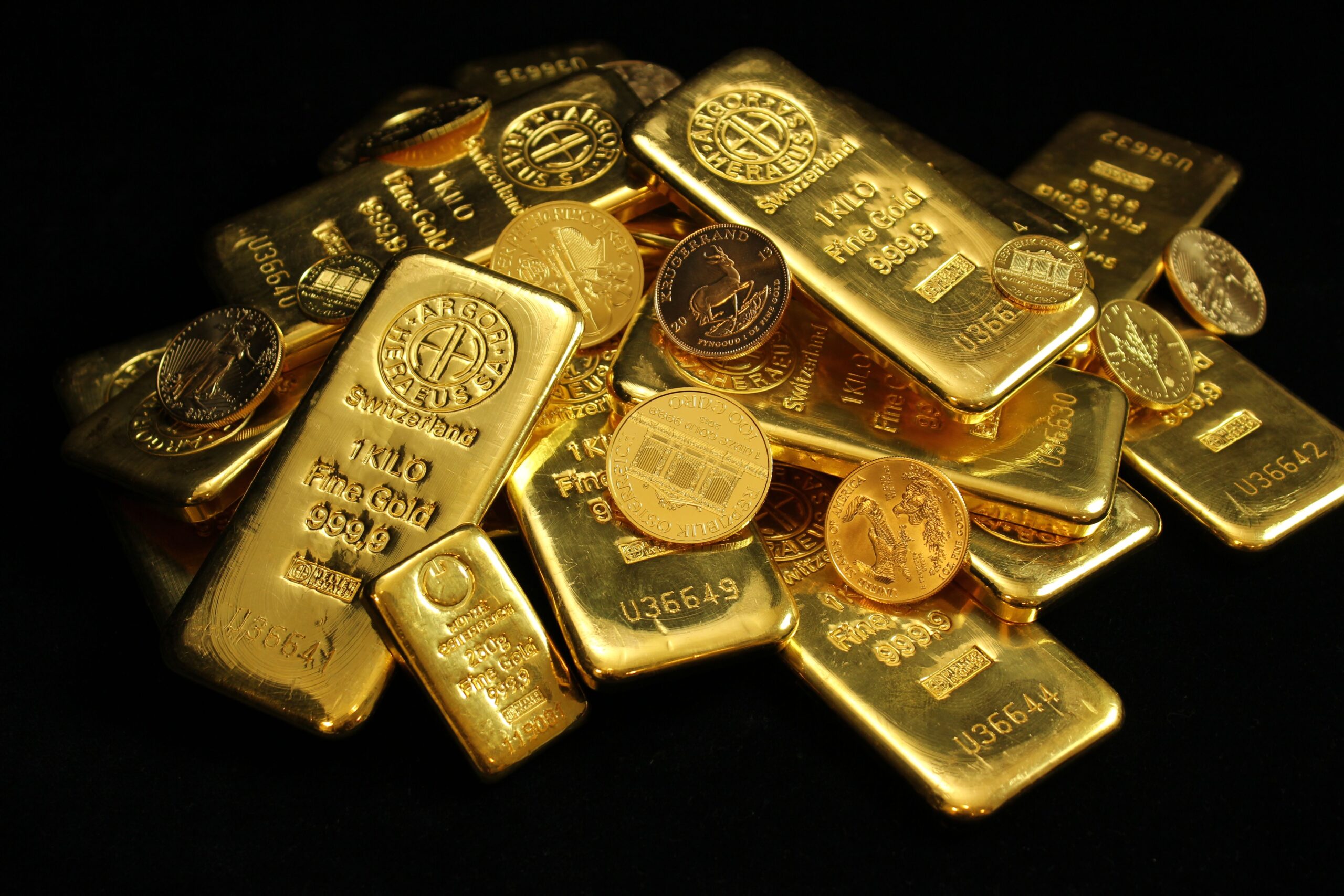
Spot Gold Moves Above $4,330 as Market Conditions Turn Favorable
The spot gold price pushed above the $4,330 level as a softer US dollar and declining Treasury yields encouraged investors to return to the precious metal. Gold has gained significant momentum in recent sessions as traders reassess the outlook for US interest rates following weaker-than-expected employment data.
The latest move has attracted attention across financial markets because gold is particularly sensitive to changes in the dollar and interest-rate expectations. When the US dollar weakens, gold generally becomes more affordable for buyers holding other currencies. At the same time, lower bond yields can make a non-yielding asset such as gold more attractive compared with interest-bearing investments.
As a result, the combination of a softer dollar, lower yields and changing expectations around Federal Reserve policy has created a supportive environment for the spot gold price.
Recent market data showed gold trading around $4,350 per troy ounce on August 7, while Comex gold for August delivery ended the week at $4,340.70. The futures contract gained 7.2% during the week, marking its strongest weekly increase since January.
Why Spot Gold Is Rising
The latest gold rally is being driven by several factors rather than one single development. First, the US dollar has weakened as investors have reduced expectations for aggressive Federal Reserve policy.
Second, Treasury yields have moved lower following signs that the US labor market is losing momentum. Third, investors continue to view gold as a useful asset during periods of economic and geopolitical uncertainty.
Therefore, the recent rise in the spot gold price reflects a combination of currency movements, interest-rate expectations and safe-haven demand.
Gold does not pay interest or dividends. Consequently, the opportunity cost of holding gold tends to rise when bond yields and interest rates increase. On the other hand, when yields decline, gold can become more appealing because the disadvantage of holding a non-yielding asset becomes smaller.
This relationship has become particularly important in the current market environment.
Weaker US Jobs Data Supports Gold
One of the biggest catalysts behind the recent gold move has been the latest US employment report.
US nonfarm payroll employment unexpectedly declined by 23,000 in July. The result was considerably weaker than economists had expected, while employment figures for previous months were also revised lower.
The disappointing employment data changed expectations surrounding Federal Reserve policy. Investors began reducing bets on another interest-rate increase, which in turn placed pressure on the US dollar and Treasury yields.
That combination was positive for gold.
Furthermore, a weaker labor market can increase expectations that the Federal Reserve may eventually have to adopt a less restrictive monetary-policy stance. If interest rates are expected to remain stable or decline, gold can benefit because lower yields reduce the relative attractiveness of cash and bonds.
Therefore, the latest jobs report has become an important part of the bullish story surrounding the spot gold price.
Soft US Dollar Gives Gold Another Boost
The US dollar plays a major role in determining gold prices because the metal is primarily traded in dollars.
When the dollar becomes weaker, gold generally becomes cheaper for international buyers. This can increase demand and provide additional support to prices.
The latest decline in the dollar came as investors reassessed the outlook for US monetary policy following the weak payroll figures. As expectations for further rate increases faded, demand for the dollar also softened.
Consequently, the spot gold price gained additional momentum.
This relationship can be particularly powerful when it occurs alongside falling bond yields. Both factors can reinforce the same market trend and encourage investors to increase exposure to gold.
However, the dollar remains highly sensitive to future economic data. Therefore, another strong inflation report or stronger-than-expected employment figures could potentially reverse some of the recent weakness.
Lower Treasury Yields Improve Gold’s Appeal
Treasury yields are another major factor behind the latest gold rally.
Gold does not provide a regular interest payment. Therefore, investors often compare its potential return with the income available from government bonds and other interest-bearing assets.
When Treasury yields rise significantly, investors may prefer bonds because they can earn income while taking relatively limited credit risk. However, when yields fall, the opportunity cost of owning gold declines.
That is exactly why lower yields have helped support the spot gold price.
Recent weakness in the labor market has reduced expectations for further Federal Reserve tightening. As a result, Treasury yields have moved lower, creating a more favorable environment for precious metals.
Moreover, if investors begin expecting eventual rate cuts, gold could receive another boost because falling rates often weaken the dollar and reduce real yields.
Federal Reserve Expectations Remain Crucial
The Federal Reserve remains one of the most important influences on the gold market.
At its July meeting, the Federal Open Market Committee kept the federal funds target range at 3.5% to 3.75%. The central bank continued to emphasize that inflation remains elevated relative to its 2% objective.
However, the latest employment data has complicated the outlook.
On one side, inflation remains a concern. On the other side, the labor market appears to be losing momentum.
As a result, the Fed faces a difficult balancing act. If inflation remains high, policymakers may hesitate to lower rates. Nevertheless, if employment weakness continues, pressure for a less restrictive policy could increase.
For gold investors, this uncertainty is important because expectations about future interest rates can influence both the dollar and Treasury yields.
Therefore, the next inflation and employment reports could have a major impact on the spot gold price.
Gold’s Weekly Rally Shows Strong Momentum
The recent move above $4,330 is particularly notable because gold has delivered a powerful weekly performance.
Comex gold gained 7.2% during the week ending August 7, closing at $4,340.70 per ounce. According to the latest market report, it was the metal’s strongest weekly gain since January.
Such a large weekly increase indicates that investor interest has returned strongly after months of volatile trading.
The rally has also pushed gold significantly higher from its recent lows. However, the metal remains below its January record high, which was above $5,300 per ounce according to recent market data.
Therefore, although the latest rally is impressive, gold has not yet returned to its previous peak.
That leaves investors watching closely to see whether the current momentum can continue.
Safe-Haven Demand Remains Important
Gold has traditionally been viewed as a safe-haven asset during periods of uncertainty.
Investors often turn toward precious metals when concerns about currencies, inflation, geopolitical tensions or financial markets increase.
Although the latest rally has been strongly connected to interest-rate expectations, safe-haven demand continues to provide another layer of support.
Geopolitical developments in particular can quickly change investor behavior. If tensions increase in major regions, demand for gold can rise as investors seek assets that are less directly connected to individual currencies or economies.
At the same time, gold can benefit from concerns about government debt and long-term fiscal conditions.
Therefore, the spot gold price is influenced by both short-term market factors and longer-term investor demand.
Gold and Inflation Expectations
Inflation is another important factor for gold investors.
Gold is often used as a store of value during periods when investors are concerned that the purchasing power of currencies could decline.
However, the relationship between gold and inflation is not always straightforward. Interest rates and real yields can sometimes have a stronger short-term influence on prices than inflation itself.
For example, if inflation rises but the Federal Reserve responds by aggressively increasing interest rates, higher yields and a stronger dollar can put pressure on gold.
On the other hand, if inflation remains elevated while real yields decline, gold can become more attractive.
Therefore, investors are watching both inflation and monetary policy when assessing the future direction of the spot gold price.
Strong Gold Demand Could Support Prices
Another factor supporting the longer-term gold outlook is continued investment demand.
Gold has attracted interest from central banks, institutional investors and retail buyers over recent years. Central-bank demand has become particularly important because official institutions have increased their focus on diversifying reserves.
Meanwhile, gold-backed exchange-traded funds can influence investment demand by making it easier for investors to gain exposure to the metal.
When ETF inflows increase alongside physical demand, gold can receive additional support.
However, investment demand can change quickly depending on market conditions. Therefore, investors should not assume that current demand levels will remain unchanged.
What the $4,330 Level Means for Gold
The $4,330 area has become an important psychological level for the spot gold price following the latest rally.
A sustained move above this area could encourage traders to focus on higher resistance levels. In contrast, a failure to hold the breakout could result in profit-taking and a short-term correction.
Technical levels are particularly important after a strong rally because investors who bought at lower prices may decide to lock in profits.
Therefore, gold could experience periods of volatility even if the broader trend remains positive.
The metal’s next direction will likely depend on whether buyers continue supporting prices above recently established breakout areas.
Can Gold Continue Rising?
The possibility of further gains remains, but several conditions will need to remain supportive.
First, the US dollar would ideally need to remain soft. Second, Treasury yields would need to avoid a sharp rebound. Third, expectations for Federal Reserve rate increases would need to remain subdued.
In addition, geopolitical uncertainty and investment demand could provide further support.
If these conditions continue, the spot gold price could maintain its recent momentum.
However, there are also risks. A stronger-than-expected US employment report, a rise in inflation or a hawkish Federal Reserve could push yields and the dollar higher.
Such a scenario could create pressure on gold.
Therefore, investors should expect volatility rather than assuming that prices will move higher in a straight line.
What Investors Should Watch Next
The next major market catalyst will be US inflation data.
Investors will closely examine upcoming consumer-price figures for clues about whether inflation is cooling or remaining stubbornly high.
If inflation comes in below expectations, markets could increase bets on eventual Federal Reserve easing. Consequently, the dollar and Treasury yields could move lower, potentially supporting gold.
However, a hotter-than-expected inflation report could have the opposite effect.
In that case, investors may increase expectations for higher rates, pushing yields and the dollar higher and potentially limiting gains in the spot gold price.
Therefore, the next few economic releases could be extremely important for precious-metal markets.
Gold Could Remain Sensitive to Dollar Movements
The relationship between gold and the dollar is likely to remain one of the key themes in the coming sessions.
If the dollar continues weakening, international demand for gold could remain strong. Moreover, a softer currency can make commodities priced in dollars more attractive to overseas buyers.
On the other hand, a sudden recovery in the dollar could trigger profit-taking in gold.
This means that currency-market movements should remain on every gold trader’s watchlist.
Furthermore, changes in US bond yields could reinforce or weaken the dollar’s influence.
Conclusion: Spot Gold Gains Momentum Above $4,330
The spot gold price has crossed the $4,330 mark as a weaker US dollar, lower Treasury yields and changing Federal Reserve expectations create a favorable environment for the precious metal.
The latest US payroll report was a major catalyst. Employment unexpectedly declined in July, while previous figures were revised lower. As a result, investors reduced expectations for further Federal Reserve tightening, putting downward pressure on the dollar and yields.
Gold’s weekly performance has been particularly impressive, with Comex gold gaining 7.2% and closing at $4,340.70 for the week.
Nevertheless, the rally is not without risks. Inflation remains an important concern for the Federal Reserve, while stronger economic data could quickly push yields and the dollar higher.
For now, however, the combination of softer employment data, lower yields and a weaker dollar is keeping buyers interested in gold.
If these conditions remain in place, the spot gold price could continue attracting strong investor attention. At the same time, traders will be watching upcoming inflation figures, Federal Reserve signals and currency movements closely to determine whether the latest breakout can develop into a longer-lasting gold rally.
US Stock Markets Surge To Historic Levels Following Jobs Data

