Saudi Aramco Profits Rise as Company Cuts Crude Oil Prices for Asia
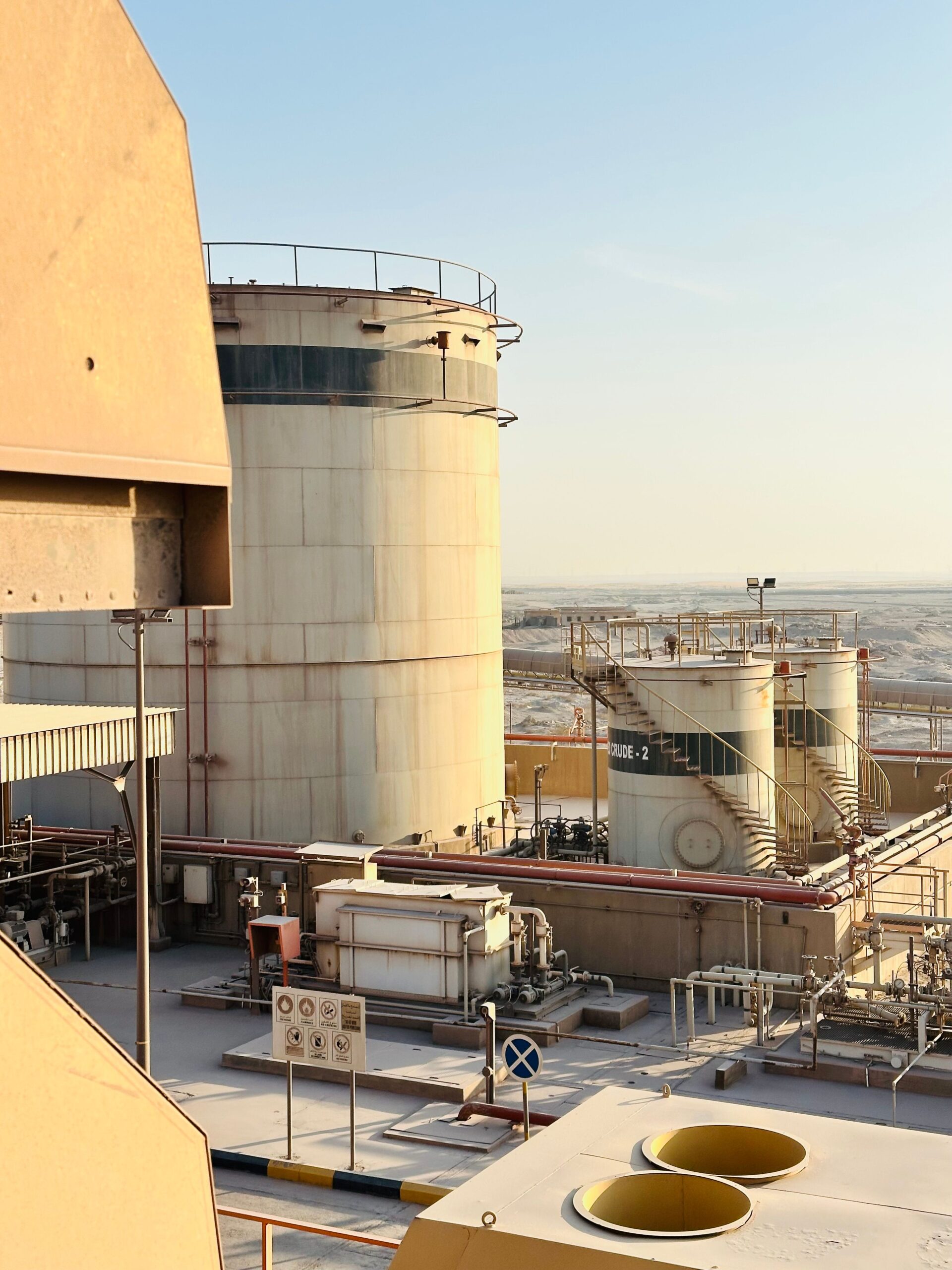
Saudi Aramco Profits Rise: Saudi Aramco, the world’s largest oil producer, has reported stronger profits while simultaneously reducing official selling prices for crude oil supplied to Asian customers. The announcement has attracted significant attention from global energy markets because it highlights the company’s strategy to maintain market share while responding to changing demand conditions across Asia. Moreover, the decision reflects the complex balance between profitability, customer demand, global supply, and regional competition in the oil industry.
The latest financial results demonstrate that Saudi Aramco continues to generate substantial earnings despite ongoing volatility in international energy markets. At the same time, lowering crude prices for Asian buyers signals the company’s commitment to remaining competitive in one of the world’s fastest-growing energy markets. As a result, investors, refiners, and policymakers are closely monitoring the implications for oil prices and future demand.
Saudi Aramco Reports Strong Financial Performance
Saudi Aramco delivered another quarter of solid financial results, supported by healthy crude oil production, stable global demand, and efficient operational management. Revenue remained strong despite fluctuations in international benchmark oil prices.
Furthermore, disciplined cost control and large-scale production capabilities helped the company maintain strong profit margins. As one of the lowest-cost oil producers in the world, Saudi Aramco continues to benefit from its ability to produce crude efficiently even during periods of market uncertainty.
The company’s financial strength also enables continued investment in production capacity, refining operations, petrochemicals, and emerging energy technologies.
Why Saudi Aramco Cut Oil Prices for Asia
Although profits increased, Saudi Aramco decided to lower official selling prices for crude exports to Asian customers.
The move is primarily intended to remain competitive as regional demand patterns evolve. Additionally, refiners across Asia continue seeking cost-effective crude supplies while managing fluctuating refining margins.
By offering lower prices, Saudi Aramco aims to strengthen relationships with major buyers in countries such as China, India, Japan, South Korea, and other important Asian markets.
Consequently, the pricing adjustment may help secure long-term supply contracts while maintaining export volumes.
Asia Remains the Largest Energy Market
Asia represents the largest destination for Saudi Arabia’s crude oil exports.
Rapid industrialization, population growth, urban development, and expanding transportation networks continue driving long-term energy demand across the region.
Moreover, countries including China and India remain among the world’s largest crude oil importers.
As economic activity continues expanding throughout Asia, maintaining competitive pricing becomes increasingly important for major exporters.
Therefore, Saudi Aramco regularly adjusts official selling prices to reflect regional market conditions and competitive pressures.
Global Oil Market Competition Intensifies
Saudi Aramco faces growing competition from several major oil-producing countries.
Exporters from the Middle East, the United States, Russia, and other producing regions all compete for market share in Asia.
Furthermore, refiners often compare prices, crude quality, shipping costs, and delivery reliability before making purchasing decisions.
Consequently, pricing strategies have become an essential competitive tool within the global energy industry.
Saudi Aramco’s latest decision demonstrates its willingness to adapt quickly to changing market conditions.
Impact on Asian Refiners
The reduction in official selling prices is expected to benefit refiners throughout Asia.
Lower crude acquisition costs may improve refinery profit margins, particularly if demand for gasoline, diesel, aviation fuel, and petrochemical products remains stable.
Additionally, refiners may increase purchase volumes if lower prices improve profitability.
This could encourage higher refinery utilization rates across major importing countries.
Furthermore, lower input costs may eventually support more stable fuel prices for consumers, although retail pricing also depends on taxes, transportation costs, and domestic regulations.
Strong Oil Demand Supports Earnings
Despite economic uncertainty in some regions, global oil demand has remained relatively resilient.
Transportation, aviation, manufacturing, shipping, and industrial activity continue requiring substantial amounts of petroleum products.
Moreover, developing economies continue experiencing rising energy consumption as infrastructure projects and industrial production expand.
These demand trends have helped support Saudi Aramco’s revenue and profitability even as oil prices experience periodic fluctuations.
The company continues benefiting from its large production capacity and reliable export infrastructure.
Operational Efficiency Strengthens Profitability
Saudi Aramco’s operational efficiency remains one of its greatest competitive advantages.
The company has invested heavily in advanced drilling technologies, digital monitoring systems, predictive maintenance, and production optimization.
Consequently, production costs remain among the lowest in the global energy industry.
Lower operating costs allow Saudi Aramco to remain profitable even during periods when international oil prices soften.
Furthermore, strong financial performance provides flexibility for future investments in both conventional and alternative energy projects.
Investor Response
Investors generally responded positively to Saudi Aramco’s latest earnings announcement.
Strong profitability reinforces confidence in the company’s financial stability and long-term dividend-paying capacity.
Meanwhile, the pricing adjustment for Asian customers is viewed as a strategic decision aimed at protecting market share rather than indicating weakening demand.
Many analysts believe maintaining strong customer relationships in Asia will remain essential for long-term revenue growth.
Therefore, investors continue closely monitoring regional demand trends and future pricing decisions.
OPEC+ Production Policies Continue to Matter
Saudi Arabia remains one of the leading members of the OPEC+ alliance.
Production decisions made by OPEC+ continue influencing global crude oil supply and international price movements.
Furthermore, coordinated production adjustments have played a significant role in balancing supply and demand during recent years.
Market participants closely watch OPEC+ meetings because production targets directly affect oil prices and producer revenues.
Saudi Aramco’s pricing strategy must also align with broader market conditions shaped by OPEC+ production policies.
Energy Security Remains a Global Priority
Reliable oil supplies continue playing a critical role in global economic stability.
Many countries prioritize long-term supply agreements with trusted producers to reduce the risk of energy shortages.
Saudi Aramco’s reputation for dependable production and consistent exports strengthens its position as one of the world’s most important energy suppliers.
Additionally, the company’s extensive infrastructure allows it to respond efficiently to changing customer demand.
This reliability remains a key competitive advantage in international energy markets.
Challenges Facing the Oil Industry
Although Saudi Aramco reported higher profits, the global oil industry continues facing several important challenges.
Geopolitical tensions, inflation, changing monetary policy, environmental regulations, and renewable energy expansion all influence future market conditions.
Moreover, oil demand growth could fluctuate depending on global economic performance.
Energy companies must also balance shareholder expectations with increasing investment requirements for cleaner technologies.
Nevertheless, petroleum products remain essential for transportation, industrial manufacturing, aviation, and petrochemical production.
Renewable Energy Transition
Saudi Aramco continues investing in lower-carbon technologies alongside its traditional oil operations.
The company has announced initiatives involving carbon capture, hydrogen production, emissions reduction, and energy efficiency improvements.
Furthermore, many global energy companies are gradually diversifying their business portfolios while maintaining profitable oil production.
Although renewable energy capacity continues expanding worldwide, oil is expected to remain an important component of the global energy mix for decades.
Consequently, Saudi Aramco continues adapting its long-term strategy to evolving market conditions.
Direct Financial Breakdown: Aramco’s Q2 Earnings Beat
Saudi Aramco completely outperformed consensus Wall Street metrics, proving the structural resilience of its low-cost extraction model. The company’s latest financial disclosures reveal heavy gains across its core balance sheet indicators:
- Net Income: Scaled to $32.5 billion, marking an 11% increase year-over-year from the $29.1 billion recorded during the same fiscal quarter last year.
- Free Cash Flow: Surged to $25.8 billion, ensuring robust liquidity to fully support its massive infrastructure investments.
- Quarterly Dividend Payout: Maintained at an industry-leading $31.05 billion, consisting of a base dividend of $20.3 billion and a performance-linked distribution of $10.75 billion.
The profit acceleration was primarily driven by higher international crude oil benchmarks, robust refining margins, and a strategic reduction in production costs. Despite OPEC+ output cuts capping total export volumes, Aramco’s operational efficiency successfully maximized revenue per barrel.
The Catalyst: Defending Market Share Against Competitive Pressures
Energy economists point to three critical market factors that forced Riyadh to implement these aggressive pricing discounts:
1. Fending Off Discounted Russian and Iranian Oil
Asian refiners, particularly in China and India, have steadily increased their intake of deeply discounted crude from Russia and Iran. These alternative supplies have traded significantly below international benchmarks. By lowering its OSP, Saudi Arabia is actively narrowing the price gap to incentivize Asian state-owned refiners to stick with stable, long-term Saudi supply contracts.
2. Weakening Refining Margins in Asia
Independent and state-backed refining margins across Asia have faced downward pressure due to a regional economic slowdown and lower diesel demand. When refiners see their processing profits shrink, they cut back on expensive crude imports. Aramco’s price cut functions as an operational relief valve, absorbing some of the financial strain for Asian refiners to keep utilization rates high.
3. Exploding U.S. Crude Exports
The Trump administration’s aggressive domestic energy policies have pushed U.S. crude oil production to historic highs. American exporters are aggressively flooding the global market with cheap, light-sweet West Texas Intermediate (WTI) crude, directly challenging OPEC’s dominance in European and Asian markets.
Global Energy Market Outlook and Investor Takeaways
Saudi Aramco’s aggressive pricing maneuver has created immediate ripple effects across international energy desks:
- OPEC+ Compliance Under Pressure: By discounting its crude, Saudi Arabia is signaling that it will prioritize market share defense if necessary, putting pressure on other OPEC+ members to strictly adhere to their assigned production quotas.
- Downward Pressure on Brent: Following the Aramco announcement, Brent crude futures drifted lower toward the $76.50 to $78.20 per barrel range, as traders interpreted the price cuts as a definitive signal of cooling global demand.
- Refining Stocks Rally: Shares of major Asian refining conglomerates in Japan, South Korea, and India ticked higher, as lower input costs are expected to immediately repair their processing margins.
Outlook for Asian Oil Demand
Most industry analysts expect Asia to remain the primary driver of global oil demand growth.
Economic expansion, rising vehicle ownership, increasing industrial activity, and expanding aviation sectors continue supporting petroleum consumption.
Additionally, infrastructure development across emerging Asian economies is expected to require significant energy resources.
Saudi Aramco’s decision to lower prices demonstrates its commitment to strengthening relationships with customers in these high-growth markets.
Maintaining competitive pricing may help preserve long-term export volumes despite increasing global competition.
What This Means for Global Markets
Saudi Aramco’s combination of rising profits and lower crude prices illustrates the complexity of today’s global energy market.
Higher earnings indicate healthy operational performance, while reduced prices reflect strategic competition rather than financial weakness.
Furthermore, the decision may influence pricing strategies adopted by other major oil exporters.
Investors, refiners, and policymakers will continue evaluating whether lower prices stimulate additional demand across Asia.
The outcome could influence global crude oil flows and international benchmark prices during the coming months.
Conclusion
Saudi Aramco’s latest financial results highlight the company’s continued strength as the world’s leading oil producer. Rising profits demonstrate efficient operations, disciplined cost management, and resilient global energy demand. At the same time, the decision to reduce crude oil prices for Asian customers reflects a strategic effort to maintain competitiveness in the world’s largest energy-consuming region.
Overall, the combination of strong profitability and flexible pricing positions Saudi Aramco to navigate an increasingly competitive global energy landscape. While challenges such as geopolitical uncertainty, renewable energy expansion, and market volatility remain, the company’s strong financial foundation and focus on long-term customer relationships provide a solid platform for continued growth. As Asian energy demand continues evolving, Saudi Aramco’s pricing strategy will remain an important factor shaping global oil markets and international energy trade.