

Crude Oil Crosses $90 per Barrel, Rattling Global Equity Markets
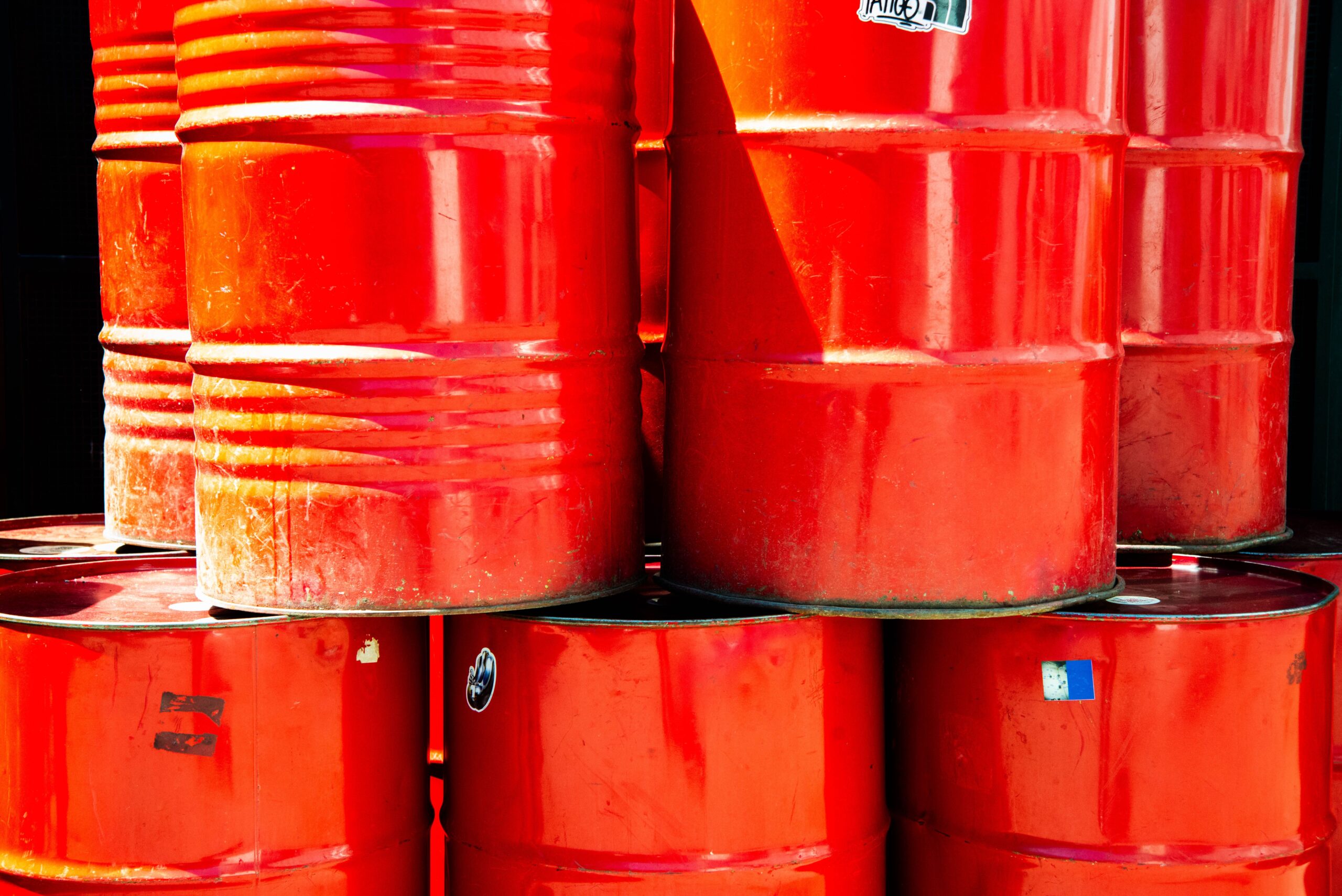
Crude Oil Crosses $90 as Global Markets Turn Cautious
Global markets are facing renewed pressure as Crude Oil prices moved above $90 a barrel, reviving concerns about inflation, interest rates, transportation costs, and corporate profitability. Brent crude climbed above the psychologically important level as investors assessed growing risks around the Middle East and the Strait of Hormuz. The move has added another layer of uncertainty to an already fragile financial environment, where bond yields have also been rising.
The latest surge comes after Brent crude settled at $90.87 a barrel on Monday, while U.S. West Texas Intermediate ended at $84.50. Reuters reported that the advance was linked to heightened geopolitical tensions and concerns that shipping through the Strait of Hormuz could remain disrupted. On Tuesday, Brent moved above $91 during early European trading, keeping investors focused on the possibility of a prolonged supply shock.
Why the $90 Level Matters
The $90 mark is more than a round number for financial markets, and Crude Oil has become a key signal for investors assessing the next phase of the cycle. When Crude Oil remains above this level for an extended period, investors begin to reassess inflation forecasts, consumer spending, corporate margins, and central-bank policy. Energy is embedded in almost every part of the economy, from manufacturing and shipping to aviation, agriculture, and household transportation.
A sustained rise in Crude Oil can therefore create pressure well beyond the energy sector, while Crude Oil volatility can make business planning more difficult. Companies that rely heavily on fuel may face higher operating expenses, while households can see increased costs for transport and other goods. If businesses pass those expenses to customers, inflation can become more persistent.
That possibility is particularly important for investors because central banks have been trying to balance inflation risks with economic growth. Higher energy prices can make that task more complicated. Instead of receiving a clear signal that inflation is cooling, policymakers may have to consider whether a new energy shock could push price pressures higher.
Geopolitical Tensions Drive the Move
The immediate catalyst behind the latest Crude Oil rally has been uncertainty surrounding U.S.-Iran relations and the security of important shipping routes. Reuters reported that only a small number of vessels passed through the Strait of Hormuz during a recent period, compared with normal traffic levels. The waterway is strategically important because a significant share of global oil shipments normally moves through it.
Investors are closely watching whether diplomatic efforts can restore more predictable shipping conditions. Any improvement could reduce the risk premium built into energy prices. However, a further deterioration could have the opposite effect and encourage traders to price in tighter supplies.
The market is also watching developments around the Red Sea, where Crude Oil supply routes remain an important part of the risk assessment. Even when physical supplies remain available, disruptions to transportation can raise freight, insurance, and delivery costs. That can increase the final cost of energy for buyers around the world.
Equity Markets Feel the Pressure
Global stocks have reacted cautiously to the jump in Crude Oil. The reaction shows that Crude Oil is no longer being viewed only as a commodity story but also as a wider macroeconomic risk. European shares edged lower on Tuesday as higher energy prices and rising bond yields weighed on sentiment, according to Reuters.
The combination is uncomfortable for equity investors because higher yields can reduce the relative appeal of stocks while expensive energy can squeeze company profits.
Technology and growth stocks can be especially sensitive to higher yields. Their valuations often depend on expectations of earnings further in the future, so rising borrowing costs can affect how investors value those expected profits. At the same time, companies outside the energy industry may have to deal with higher fuel and logistics expenses.
The impact is not uniform, however. Energy producers can benefit from stronger Crude Oil prices, particularly when higher prices translate into improved cash flow and earnings. That explains why energy shares can sometimes outperform broader equity indexes during oil rallies.
Bond Yields Add to Investor Anxiety
The latest energy shock is occurring alongside a significant move in global bond markets. Reuters reported that long-term government borrowing costs in the United States, Japan, and parts of Europe have reached multi-decade highs. Higher Crude Oil is contributing to renewed inflation concerns, while fiscal pressures and heavy government borrowing are also influencing bond markets.
The U.S. 30-year Treasury yield has risen to levels not seen since 2007, according to Reuters. Higher yields matter for businesses and consumers because they can increase the cost of financing. For investors, they can also change the attractiveness of bonds compared with equities.
Investors are therefore weighing inflation, interest rates, government debt, economic growth, and geopolitical risk at the same time. That combination can lead to larger swings in asset prices.
Impact on Consumers and Businesses
Higher Crude Oil prices can eventually reach consumers through several channels. Petrol and diesel prices are the most visible examples, but higher energy costs can also influence airlines, trucking companies, manufacturers, retailers, and food producers.
For businesses, the challenge is deciding how much of the additional cost can be passed to customers. Passing everything through may protect margins but could reduce demand. Absorbing the cost may protect sales but weaken profitability. Companies therefore have to make careful decisions about pricing, efficiency, inventory, and capital spending.
India Faces Its Own Oil Challenge
For India, Crude Oil movements are particularly important, because Crude Oil remains a major component of the country’s imported energy bill. A prolonged increase in international oil prices can affect the trade balance, the currency, inflation, and the finances of fuel-consuming industries.
Indian equities were also under pressure as Brent moved above $91 on Tuesday. Market participants watched sectors such as aviation, transportation, and other fuel-sensitive businesses closely, while some energy-related companies received support from stronger oil prices.
A weaker rupee can make imported energy more expensive in local currency terms, creating an additional challenge. However, the final impact on Indian consumers and businesses depends on several factors, including international prices, currency movements, domestic fuel pricing, government policy, and the duration of the shock.
What Investors Are Watching Next
The next direction for Crude Oil will depend heavily on developments in the Middle East, while traders will use Crude Oil futures and physical-market signals to judge whether the move can continue. Investors are looking for signs that shipping through the Strait of Hormuz can normalize and that diplomatic efforts can reduce the risk of further escalation.
Supply data will also remain important. The U.S. Energy Information Administration expects Brent prices to average around $85 a barrel in the third quarter of 2026 and projects an average near $78 in the fourth quarter, assuming traffic through the Strait of Hormuz gradually increases and shut-in production restarts. That outlook shows how strongly future prices depend on the resolution of current supply risks.
Traders will also watch inflation data, central-bank decisions, inventory reports, and economic activity indicators. If higher Crude Oil prices begin to weaken demand while inflation remains elevated, markets could face a difficult combination of slower growth and persistent price pressure.
Could Oil Stay Above $90?
Whether Crude Oil can remain above $90 for an extended period is uncertain. Crude Oil markets can reverse quickly when geopolitical risks change. Commodity markets can move quickly when geopolitical risks change, and prices can fall just as rapidly if supply concerns ease.
The current situation is different from a simple demand-driven rally. Much of the market’s concern is linked to transportation and geopolitical risk. If those risks decline, the premium embedded in prices could unwind. On the other hand, a prolonged disruption could encourage buyers to pay more for secure supplies and push benchmarks higher.
For now, investors appear to be treating the $90 level as an important warning point rather than a permanent new normal. Businesses are likely to remain focused on Crude Oil cost control, while investors may favor companies with strong balance sheets and pricing power if volatility continues.
Conclusion
The rise in Crude Oil above $90 a barrel has reminded global markets how closely energy, inflation, interest rates, and geopolitics are connected. Crude Oil remains one of the clearest market indicators of that relationship. The move is creating challenges for many businesses and consumers, but it is also encouraging markets to reassess risks and prepare for different possible outcomes.
The most important factor from here will be how long the supply uncertainty lasts and whether Crude Oil prices remain elevated. A gradual return to normal shipping conditions could ease prices and reduce pressure on inflation, while prolonged disruption could keep energy markets volatile.
For investors, the situation calls for attention rather than panic. Markets have faced major energy shocks before, and conditions can change quickly when supply concerns improve. Keeping a balanced view of economic data, company fundamentals, and geopolitical developments may be more useful than reacting to every daily price move. The path ahead remains uncertain, but a careful and informed approach can help market participants navigate the changing environment.
US Bond Yields Surge To 19-Year Record Highs As Inflation And Debt Concerns Grow
Sources: Reuters – Oil settles up over $2 as Iran war stalemate stokes supply concerns · Reuters – European shares slip as oil prices and bond yields surge · Reuters – Global bond markets face renewed inflation pressure · U.S. Energy Information Administration – Global Oil Markets Outlook

