Crude Oil Surges 21% Amid Middle East Hostilities and Strait of Hormuz Disruptions: Global Markets Brace for Energy Shock
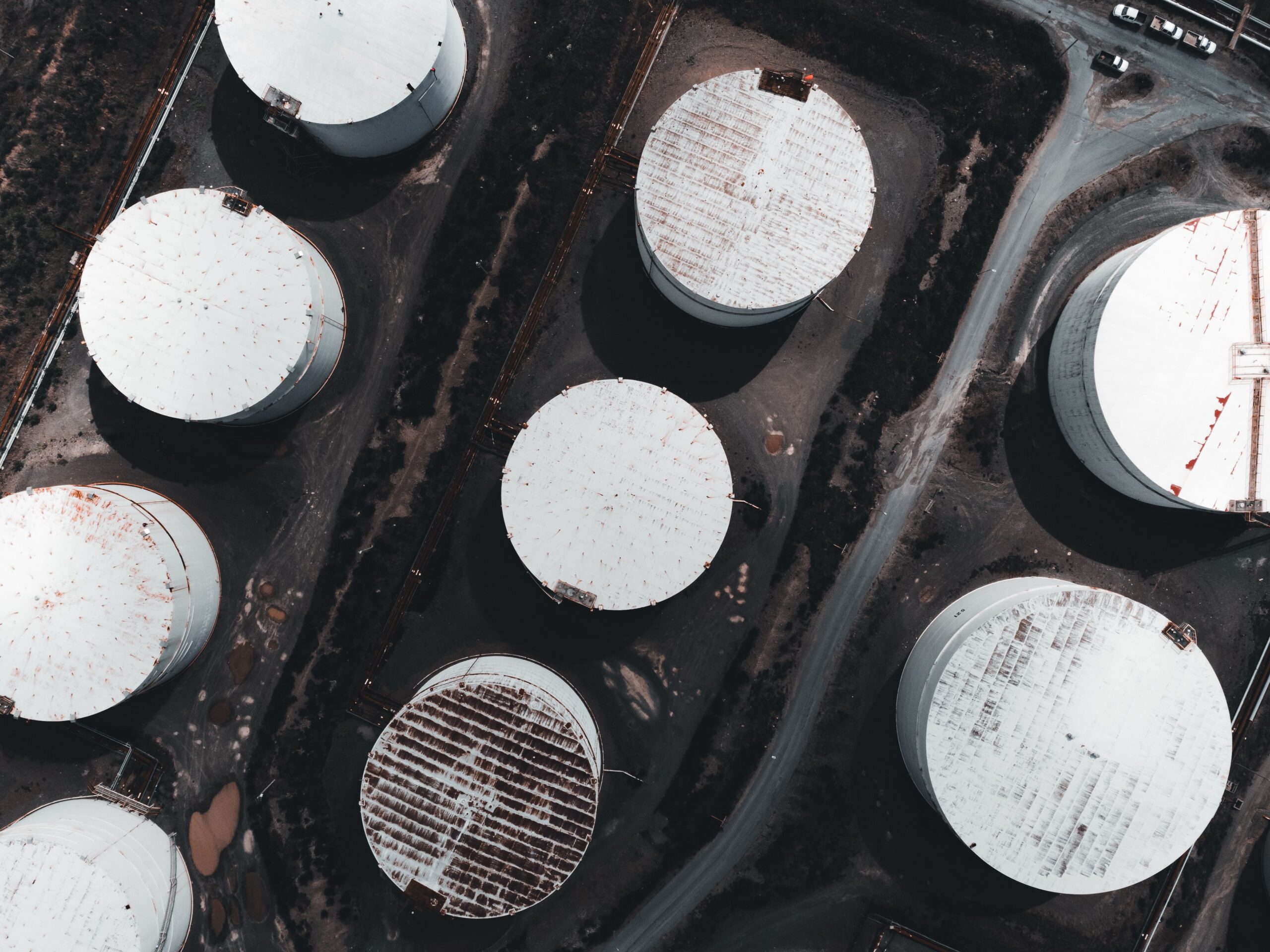
Global oil markets experienced one of their sharpest rallies in recent years after crude oil prices surged by 21% amid escalating hostilities in the Middle East and growing disruptions around the Strait of Hormuz. Investors reacted quickly to fears that one of the world’s most critical energy shipping routes could face prolonged interruptions. Consequently, energy prices climbed rapidly, stock markets turned volatile, and economists warned that the latest developments could increase inflationary pressures across major economies.
The sudden jump in crude oil prices immediately became the focus of financial markets because the Strait of Hormuz serves as one of the most important oil transit routes in the world. Every day, millions of barrels of crude oil and petroleum products pass through this narrow waterway. Therefore, any disruption to shipping activity has the potential to affect global energy supplies within a short period.
The latest escalation has once again reminded governments, businesses, and investors that geopolitical tensions remain one of the biggest risks to global economic stability. Although oil-producing nations continue monitoring the situation closely, uncertainty surrounding future supply has pushed prices significantly higher.
Why Crude Oil Prices Jumped 21%
Oil prices surged primarily because traders anticipated possible supply shortages following reports of increased military activity and shipping disruptions in the Middle East. Financial markets generally react quickly whenever energy transportation routes face security threats. As a result, investors rushed to purchase oil futures, driving prices sharply upward.
The Strait of Hormuz connects the Persian Gulf with international shipping lanes and plays a vital role in supplying crude oil to Asia, Europe, and North America. Consequently, even temporary disruptions can trigger significant market reactions.
In addition, shipping companies reportedly began reassessing transportation routes and insurance costs. These concerns further increased fears that energy exports could slow in the coming weeks.
Importance of the Strait of Hormuz
The Strait of Hormuz remains one of the world’s most strategically important maritime corridors. A significant portion of global crude oil exports travels through this narrow passage every day. Therefore, uninterrupted navigation is essential for maintaining stable global energy supplies.
Several major oil-producing countries rely heavily on this route to export crude oil to international customers. Consequently, any geopolitical conflict affecting the region immediately attracts global attention.
Furthermore, natural gas shipments also depend on the same corridor. As a result, disruptions can influence multiple energy markets simultaneously.
Middle East Tensions Fuel Market Anxiety
The latest rise in oil prices follows increasing military tensions across parts of the Middle East. Investors remain concerned that continued hostilities could damage energy infrastructure or delay shipping operations.
Although governments have emphasized efforts to maintain maritime security, uncertainty remains high. Therefore, traders have continued pricing in additional geopolitical risk premiums.
Financial markets generally dislike uncertainty. Consequently, investors often move toward safer assets whenever geopolitical risks increase. This shift has also supported higher demand for gold and other traditional safe-haven investments.
Energy Supply Concerns Grow
One of the biggest worries among market participants involves potential disruptions to global oil supplies.
Several factors contribute to these concerns, including:
- Delayed crude shipments.
- Higher transportation costs.
- Increased shipping insurance premiums.
- Longer delivery times.
- Possible production interruptions.
- Security risks for commercial vessels.
Together, these issues create uncertainty regarding future energy availability. Therefore, oil prices often respond quickly to changing geopolitical conditions.
Impact on Global Financial Markets
The sharp increase in crude oil prices immediately affected stock markets worldwide. Energy companies generally benefited from rising oil prices, while transportation, airline, and manufacturing sectors faced increased selling pressure.
Higher fuel costs directly increase operating expenses for many industries. Consequently, investors adjusted their expectations for future corporate profits.
Major stock indices experienced increased volatility as traders evaluated how sustained energy price increases could influence economic growth.
Meanwhile, currency markets also reacted as oil-exporting nations benefited from stronger energy revenues.
Inflation Could Rise Again
One of the biggest concerns surrounding higher oil prices involves inflation.
Energy costs influence nearly every sector of the economy. Transportation becomes more expensive, manufacturing costs increase, and logistics expenses rise. Eventually, businesses may pass these higher costs on to consumers.
Consequently, inflation could accelerate after months of gradual improvement in several major economies.
Central banks will likely monitor energy markets carefully because prolonged oil price increases may complicate future interest rate decisions.
Central Banks Face New Challenges
Many central banks have spent recent years fighting inflation through higher interest rates.
However, rising oil prices could create additional challenges.
If inflation begins increasing again because of higher fuel costs, policymakers may decide to delay planned interest rate cuts. Therefore, borrowing costs could remain elevated for longer than previously expected.
Investors will closely monitor statements from major central banks regarding inflation expectations and monetary policy adjustments.
Airlines and Transportation Companies Under Pressure
Airlines represent one of the industries most affected by higher crude oil prices.
Jet fuel accounts for a significant portion of airline operating expenses. Consequently, sustained increases in crude oil prices can reduce profit margins.
Similarly, shipping companies, trucking businesses, and logistics providers face higher transportation costs.
Many companies may attempt to offset these expenses by increasing service prices, although competitive pressures could limit pricing flexibility.
Manufacturing Costs May Increase
Manufacturing industries also rely heavily on affordable energy.
Factories consume electricity, transportation fuels, and petroleum-based raw materials throughout production processes. Therefore, higher oil prices increase production expenses across numerous sectors.
Industries that may experience higher costs include:
- Automobile manufacturing.
- Chemicals.
- Plastics.
- Consumer goods.
- Construction materials.
- Industrial equipment.
These higher input costs could eventually affect retail prices.
Oil-Producing Countries May Benefit
Although higher oil prices create challenges for importing countries, oil-exporting nations often benefit from increased revenues.
Governments that rely heavily on energy exports may experience stronger fiscal performance if elevated prices continue.
Higher export revenues can improve government budgets, foreign exchange reserves, and infrastructure investment capacity.
However, prolonged geopolitical instability remains undesirable for all market participants because uncertainty can eventually reduce global economic growth.
OPEC and Global Production Outlook
Energy analysts continue monitoring production decisions among major oil-producing nations.
If supply disruptions continue, producers may evaluate whether additional output becomes necessary to stabilize global markets.
However, increasing production often requires time. Therefore, immediate price volatility may continue until geopolitical conditions improve.
Market participants will closely follow official announcements regarding production levels and export capacity.
Investor Sentiment Turns Cautious
The sudden increase in energy prices has encouraged investors to adopt a more cautious approach.
Many portfolio managers have increased exposure to energy companies while reducing investments in industries sensitive to fuel costs.
Additionally, demand for defensive sectors has improved as investors seek stability during periods of geopolitical uncertainty.
Risk management has become increasingly important because market conditions can change rapidly as new developments emerge.
Impact on Emerging Economies
Emerging economies that import significant quantities of crude oil may face additional economic pressure.
Higher import costs can widen trade deficits and increase inflation.
Furthermore, governments may need to allocate additional resources toward fuel subsidies or consumer support programs.
Countries with weaker currencies may experience even greater challenges because oil purchases become more expensive in local currency terms.
Renewable Energy Discussion Returns
The latest oil price surge has renewed discussions about renewable energy investments.
Governments and businesses continue expanding solar, wind, hydrogen, and battery technologies to reduce dependence on imported fossil fuels.
Although renewable energy cannot immediately replace global oil demand, continued investment may strengthen long-term energy security.
Therefore, many analysts believe current market volatility could accelerate clean energy adoption worldwide.
Retaliatory Military Strikes Threaten Infrastructure
Geopolitical tensions boiled over as regional combatants engaged in major tit-for-tat strikes. The market reacted violently to expanding kinetic operations across major energy hubs:
- U.S. and Saudi Air Strikes: Strategic operations hit regional militia infrastructure, stoking deep fears of an extended proxy war damaging critical production facilities.
- Ballistic Missile Attacks: Frequent retaliatory missile barrages aimed at key military installations across the Gulf have left oil fields and loading docks highly vulnerable.
- Failed Diplomacy: An Oman-mediated proposal aimed at restoring open commercial shipping was rejected, leaving the peace process deeply fragmented.
What Investors Should Watch Next
Several developments will determine future oil price direction.
Key factors include:
- Military developments in the Middle East.
- Security conditions around the Strait of Hormuz.
- Global oil inventories.
- OPEC production decisions.
- Shipping activity.
- Inflation reports.
- Central bank policy meetings.
- Global economic growth forecasts.
Each of these factors could significantly influence market expectations during the coming weeks.
The Strait of Hormuz Chokepoint Triggers Energy Shock
The main catalyst for the historic 21% price spike is the severe disruption in the Strait of Hormuz, a narrow waterway handling roughly 20% of global oil shipments.
- Tanker Interceptions: Regional maritime tensions spiked after Iranian military forces successfully intercepted multiple commercial vessels trying to navigate the volatile channel.
- Massive Traffic Reductions: Due to structural security enforcement threats, average weekly crude flows navigating through the strait crumbled by roughly 61% to just 2.57 million barrels a day.
- Alternative Routes Blocked: Compounding the crisis, Houthi rebel forces expanded strikes toward the Red Sea and targeted backup routes, eliminating quick export bypass strategies for major Gulf producers.
Long-Term Outlook for Energy Markets
While short-term price movements often reflect geopolitical developments, long-term energy demand continues depending on global economic activity.
If hostilities ease and shipping routes return to normal operations, crude oil prices could stabilize gradually.
However, continued disruptions may keep energy markets volatile for an extended period.
Investors will therefore monitor both geopolitical developments and economic indicators before making major investment decisions.
Eroding Inventory Buffers Send Benchmarks Skyward
As international supply corridors tightened, physical oil inventories started rapidly depleting on a global scale.
- Depleted Strategic Reserves: Global OECD countries drew down heavily on strategic petroleum stockpiles, exhausting the emergency buffer needed to stabilize international margins.
- Price Benchmark Rebound: Front-month Brent crude futures rallied to approximately $87–$90 per barrel, while U.S. West Texas Intermediate (WTI) pushed past $83 per barrel, erasing previous seasonal losses.
While partial navy escorts have offered temporary relief, structural stability will not return until the shipping channels are completely secured. Investors should brace for heightened price volatility as the geopolitical landscape remains fluid.
Amazon Soars, Apple Sinks: Tech Earnings Scramble Wall Street