FAA Orders Urgent Checks on Hundreds of Commercial Jets
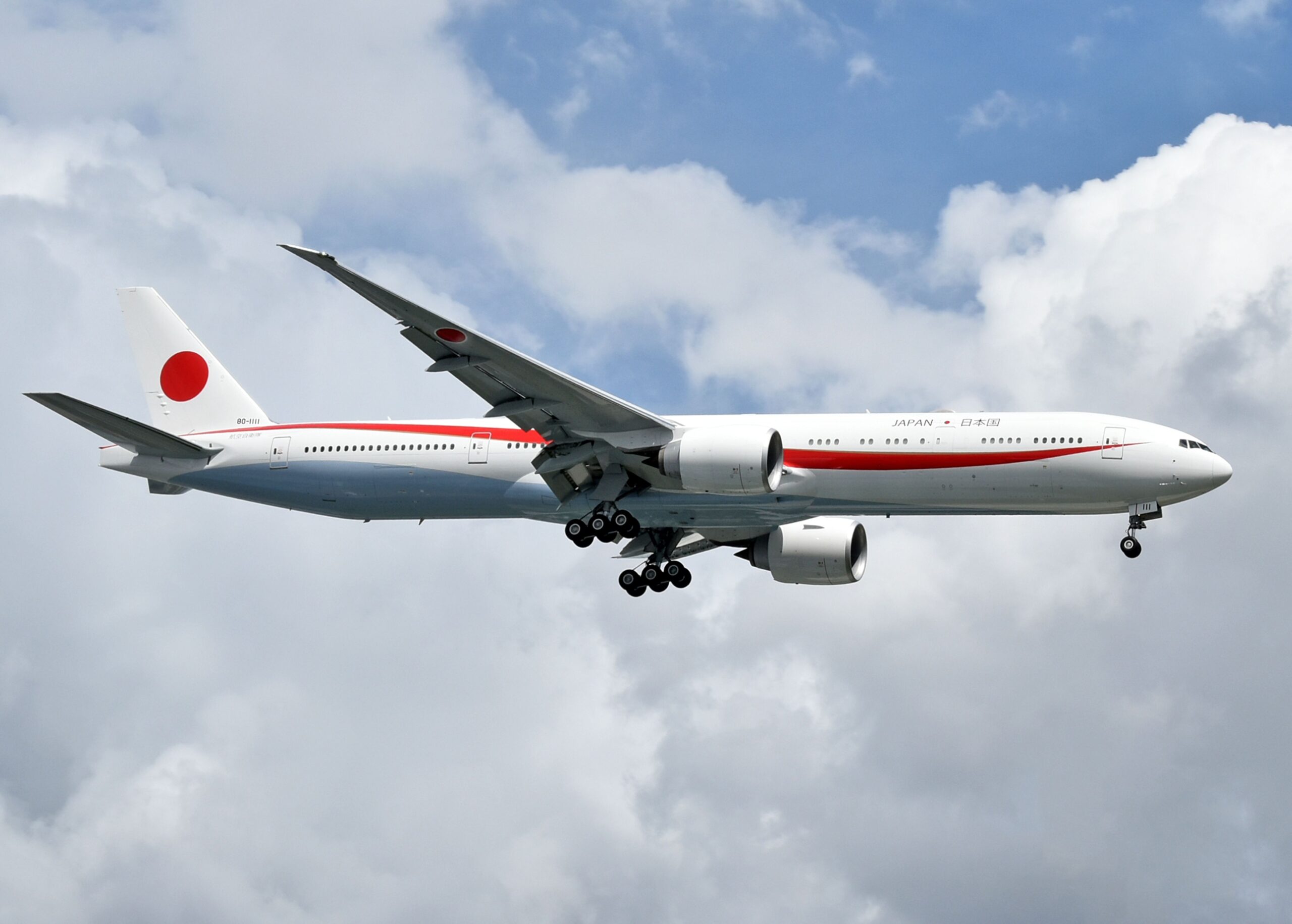
FAA Orders Urgent Checks on Hundreds of Commercial Jets
The Federal Aviation Administration has ordered inspections of hundreds of Boeing 737 MAX aircraft after concerns emerged about possible cracks in a structural component near the forward galley door. The latest directive affects 471 U.S.-registered jets, including the 737 MAX 8, MAX 9 and 737-8200 models, adding another safety-related inspection requirement for airlines operating the popular aircraft family.
The FAA Orders Urgent Checks on Hundreds of Commercial Jets development has attracted attention across the aviation industry because the Boeing 737 MAX remains one of the world’s most widely used narrow-body aircraft. However, the inspection order should not automatically be interpreted as evidence of an immediate danger to passengers.
Instead, the FAA is requiring operators to examine aircraft for possible fatigue cracks in a structural reinforcement known as a bear strap. The component is located near the forward service or galley door area. The agency’s action is designed to identify and address potential problems before they can affect the aircraft’s structural integrity.
The move nevertheless puts renewed attention on aircraft quality, maintenance and Boeing’s continuing efforts to strengthen confidence in the 737 MAX family.
Why the FAA Ordered the Inspections
The latest FAA action follows concerns about cracks discovered in similar structural components on older Boeing 737 Next Generation aircraft. Because the newer MAX models share important design characteristics in the relevant area, regulators determined that inspections were appropriate even though cracks have not been reported on the newer MAX aircraft covered by the latest directive.
This distinction is important.
The FAA Orders Urgent Checks on Hundreds of Commercial Jets because regulators want airlines to identify any potential damage before it becomes a larger safety issue. Aviation authorities routinely issue airworthiness directives when they believe inspections, repairs or modifications are necessary to maintain aircraft safety.
Therefore, the latest order represents a preventive measure rather than a blanket declaration that the affected aircraft are unsafe to fly.
471 Boeing 737 MAX Aircraft Are Covered
The FAA directive applies to an estimated 471 Boeing 737 MAX aircraft registered in the United States. The affected models include the MAX 8, MAX 9 and 737-8200.
For airlines, this means maintenance teams will need to incorporate the required inspections into their operational schedules.
Because commercial aircraft operate frequently, airlines must carefully coordinate maintenance work with flight schedules. Nevertheless, safety inspections take priority when regulators identify a possible structural concern.
The FAA’s order provides inspection intervals based on aircraft usage rather than requiring every plane to be removed from service immediately. This approach gives airlines time to complete the necessary checks while continuing to operate aircraft that remain within their approved safety requirements.
What Is the Potential Problem?
The concern involves possible fatigue cracking in a structural reinforcement near the forward galley door.
Aircraft structures experience repeated stress during every flight. Pressurization cycles, takeoffs, landings and other operating conditions can place repeated loads on parts of the airframe.
Over a long period, repeated stress can sometimes lead to fatigue damage.
That is why aircraft manufacturers and regulators monitor structural components closely.
The latest FAA directive is designed to determine whether similar cracking could occur on the affected MAX models. If inspectors find damage, airlines will be required to follow approved procedures for repairs or further evaluation.
Consequently, the inspection process is an important part of maintaining the long-term reliability of the aircraft.
No Immediate Grounding Has Been Ordered
One of the most important points for travelers is that the FAA has not ordered a blanket grounding of the affected Boeing 737 MAX aircraft.
Instead, the inspection requirements are intended to detect potential cracks before they become serious enough to compromise structural integrity. Recent aviation industry discussion also noted that the inspection deadlines provide opportunities to identify damage before it develops into an immediate threat.
This means passengers should not automatically assume that every Boeing 737 MAX covered by the order has a structural problem.
In fact, the purpose of an airworthiness directive is often preventive. Regulators can require inspections when they identify a potential risk even when most or all aircraft in the fleet may ultimately pass the checks.
Boeing’s Long-Running Safety Scrutiny
The latest inspection order comes at a sensitive time for Boeing.
The company has spent several years under intense regulatory and public scrutiny following the two fatal 737 MAX crashes in 2018 and 2019. Those accidents involved flight-control software problems and resulted in the worldwide grounding of the MAX fleet.
More recently, the January 2024 Alaska Airlines 737 MAX 9 door-plug incident created another major safety controversy.
The National Transportation Safety Board found that several bolts intended to secure the door plug were missing when the aircraft was delivered to the airline. The incident led to renewed questions about Boeing’s manufacturing and quality-control systems.
Therefore, every new FAA inspection involving the MAX family tends to receive considerable attention.
FAA Oversight Has Been Strengthened
The FAA has increased its oversight of Boeing following years of safety concerns.
However, there has also been evidence of progress.
In July 2026, the FAA announced that Boeing would be allowed to resume issuing airworthiness certificates for newly manufactured 737 MAX and 787 aircraft after months of safety and production reviews. The agency said the decision followed evidence of consistent production quality.
The latest inspection order does not necessarily contradict that decision.
Instead, it demonstrates how aviation safety works in practice. Even after a manufacturer receives regulatory approval to resume certain responsibilities, regulators can continue monitoring aircraft designs and require additional inspections when new information becomes available.
Why Preventive Inspections Matter
The FAA Orders Urgent Checks on Hundreds of Commercial Jets story also highlights the importance of preventive aviation maintenance.
FAA Orders Urgent Checks: Commercial aircraft are designed to remain in service for many years. As a result, airlines and regulators cannot rely only on the condition of an airplane when it is delivered.
They must continuously monitor aircraft throughout their operating lives.
Inspections can identify cracks, corrosion, component wear and other problems before they become serious.
Furthermore, lessons learned from one aircraft model can lead regulators to inspect similar designs.
This approach helps aviation authorities prevent isolated technical problems from becoming larger fleet-wide issues.
Airlines Will Have to Manage Maintenance Schedules
FAA Orders Urgent Checks: For airlines operating the affected aircraft, the directive creates another maintenance responsibility.
Airlines must balance inspection requirements with demanding flight schedules. Boeing 737 MAX aircraft are frequently used on domestic and international routes because of their fuel efficiency and passenger capacity.
Consequently, taking aircraft out of service for inspections can create logistical challenges.
However, airlines have extensive maintenance systems designed to handle regulatory inspections.
They can often combine required checks with scheduled maintenance events, reducing disruption to passengers.
Therefore, the latest directive does not necessarily mean widespread cancellations or major changes to airline schedules.
What Passengers Should Know
FAA Orders Urgent Checks: For travelers, the most important message is that the inspection order does not mean all affected Boeing 737 MAX aircraft are unsafe.
The FAA has not announced a blanket grounding.
Instead, regulators are requiring airlines to check specific structural areas for potential damage.
Passengers who are concerned about flying on a 737 MAX should also remember that commercial aircraft are subject to multiple layers of inspection and maintenance.
Airlines conduct routine checks before and after flights, while more extensive inspections occur at scheduled intervals.
In addition, regulators can issue mandatory airworthiness directives when new safety concerns emerge.
Therefore, the inspection system is designed to identify potential problems before they threaten passengers.
The Difference Between a Safety Check and a Grounding
FAA Orders Urgent Checks: The distinction between an inspection order and a grounding is particularly important.
A grounding means regulators have determined that aircraft should not operate until a specific safety problem is addressed.
An inspection directive, on the other hand, can require airlines to examine aircraft and repair any problems that are discovered.
The latest FAA action falls into the second category.
That means airlines can continue operating eligible aircraft while meeting the required inspection schedules, provided they remain compliant with the applicable safety requirements.
This is a common feature of aviation regulation and allows authorities to respond to potential risks without unnecessarily disrupting the entire fleet.
Could the Issue Affect Boeing’s Reputation?
FAA Orders Urgent Checks: Although the FAA inspection is precautionary, it could still create reputational challenges for Boeing.
The company has been working to rebuild trust with airlines, regulators and passengers following several high-profile safety and manufacturing controversies.
The MAX program is especially important to Boeing because the 737 family represents one of its most commercially significant aircraft lines.
Any new technical concern therefore receives substantial media and investor attention.
However, the long-term impact will likely depend on what inspectors actually find.
If airlines complete inspections and discover few or no significant problems, the issue may have limited consequences.
On the other hand, widespread findings could lead to additional inspections, repairs or regulatory action.
Why the Bear Strap Matters
FAA Orders Urgent Checks: The structural component involved in the inspection may not be familiar to most passengers, but it plays an important role in maintaining the strength of the aircraft structure.
Structural reinforcements help distribute loads across the airframe.
When aircraft experience repeated pressurization and operational stresses, these areas must withstand significant forces.
A crack does not automatically mean an aircraft is about to fail. However, structural cracks can grow over time if they are not detected and addressed.
That is precisely why regulators use inspections to identify fatigue damage early.
The FAA’s approach is therefore based on prevention.
Global Regulators May Follow the FAA
FAA Orders Urgent Checks: Although the latest directive applies to U.S.-registered aircraft under the FAA’s jurisdiction, its impact could extend beyond the United States.
There are nearly 2,300 Boeing 737 MAX aircraft operating globally, with hundreds flying in the United States. Foreign aviation authorities frequently evaluate FAA directives and may issue their own requirements when the same technical issue affects aircraft registered in their countries.
As a result, airlines outside the United States could eventually conduct similar inspections.
This is particularly relevant because the Boeing 737 MAX is operated by airlines across North America, Europe, Asia, the Middle East and other regions.
The Aviation Industry Is Watching Closely
FAA Orders Urgent Checks: Airlines, aircraft manufacturers and regulators are likely to monitor the inspection results closely.
If inspections identify cracks, Boeing could need to provide repair instructions or additional technical guidance.
If no significant damage is found, the inspection campaign could nevertheless provide regulators with valuable data about the long-term performance of the aircraft design.
Either way, the results will help determine whether additional action is necessary.
The aviation industry generally prefers this type of early intervention because identifying a structural issue during routine maintenance is far safer than discovering it during flight operations.
Boeing’s Production Recovery Continues
FAA Orders Urgent Checks: The inspection order arrives as Boeing works to improve production and increase aircraft deliveries.
The company has been attempting to raise 737 production while maintaining tighter quality controls.
Recent reports indicate that Boeing is targeting production of 47 aircraft per month and is preparing a new assembly line in Everett, Washington.
Higher production rates could help Boeing address its large order backlog.
However, regulators and airlines will continue to expect quality improvements alongside production growth.
The latest FAA action reinforces the idea that increasing output cannot come at the expense of safety oversight.
What Happens If Cracks Are Found?
FAA Orders Urgent Checks: If an airline discovers a crack during an inspection, the aircraft would need to be evaluated according to Boeing’s approved maintenance instructions and FAA requirements.
Depending on the size and location of the damage, the aircraft could require repairs before returning to normal service.
In some cases, additional inspections may also be required.
This is why the FAA’s directive does not automatically mean that hundreds of aircraft will be grounded.
The outcome will depend on the inspection findings.
Most importantly, airlines will have procedures for dealing with structural damage when it is identified.
Could More Inspections Follow?
FAA Orders Urgent Checks: It is possible that the current inspection campaign could lead to additional regulatory action if significant problems are discovered.
Aviation regulators routinely use inspection results to determine whether a technical issue is isolated or connected to a wider design or manufacturing concern.
If evidence suggests that more aircraft are affected, the FAA could expand its requirements.
Alternatively, if inspections show that the risk is limited, the agency may simply monitor the situation through existing maintenance programs.
Therefore, the next several months could provide important information about the scale of the issue.
What the FAA Action Says About Aviation Safety
FAA Orders Urgent Checks: The FAA Orders Urgent Checks on Hundreds of Commercial Jets story ultimately illustrates how modern aviation safety systems are designed to work.
Regulators monitor aircraft in service, manufacturers provide technical information, airlines conduct inspections and maintenance teams report findings.
When a potential weakness is identified, authorities can require operators to investigate it before it becomes a serious accident risk.
This layered system has helped commercial aviation maintain an extremely strong safety record over many decades.
While headlines about hundreds of aircraft being inspected can sound alarming, inspections are often evidence that the safety system is functioning as intended.
Conclusion
FAA Orders Urgent Checks: The FAA Orders Urgent Checks on Hundreds of Commercial Jets after the U.S. aviation regulator required inspections of 471 Boeing 737 MAX aircraft for possible cracks in a structural reinforcement near the forward galley door.
The directive covers the 737 MAX 8, MAX 9 and 737-8200 models. However, it is important to emphasize that the FAA has not ordered a blanket grounding of these aircraft. The action is precautionary and is intended to identify potential structural problems before they can become serious.
The development nevertheless comes at a sensitive time for Boeing, which continues to rebuild confidence after years of safety and manufacturing scrutiny.
For airlines, the inspections will create additional maintenance work, although carriers have established systems for completing regulatory checks while minimizing disruption to passengers.
Meanwhile, regulators will closely monitor inspection results to determine whether further action is required.
Ultimately, the latest FAA directive demonstrates why regular aircraft inspections remain essential. Commercial jets operate under demanding conditions for years, and even relatively small structural concerns must be identified and addressed early.
For passengers, the key takeaway is simple: the inspection order is a preventive safety measure, not a declaration that hundreds of Boeing 737 MAX aircraft are immediately unsafe. As airlines complete the required checks, the findings will determine whether the issue remains a precautionary maintenance matter or develops into a broader technical concern for the global 737 MAX fleet.
Court Orders $567 Million Abatement Fund For Youth Mental Health