IMF Report: Global Economy Avoids Recession as India Leads Global Growth
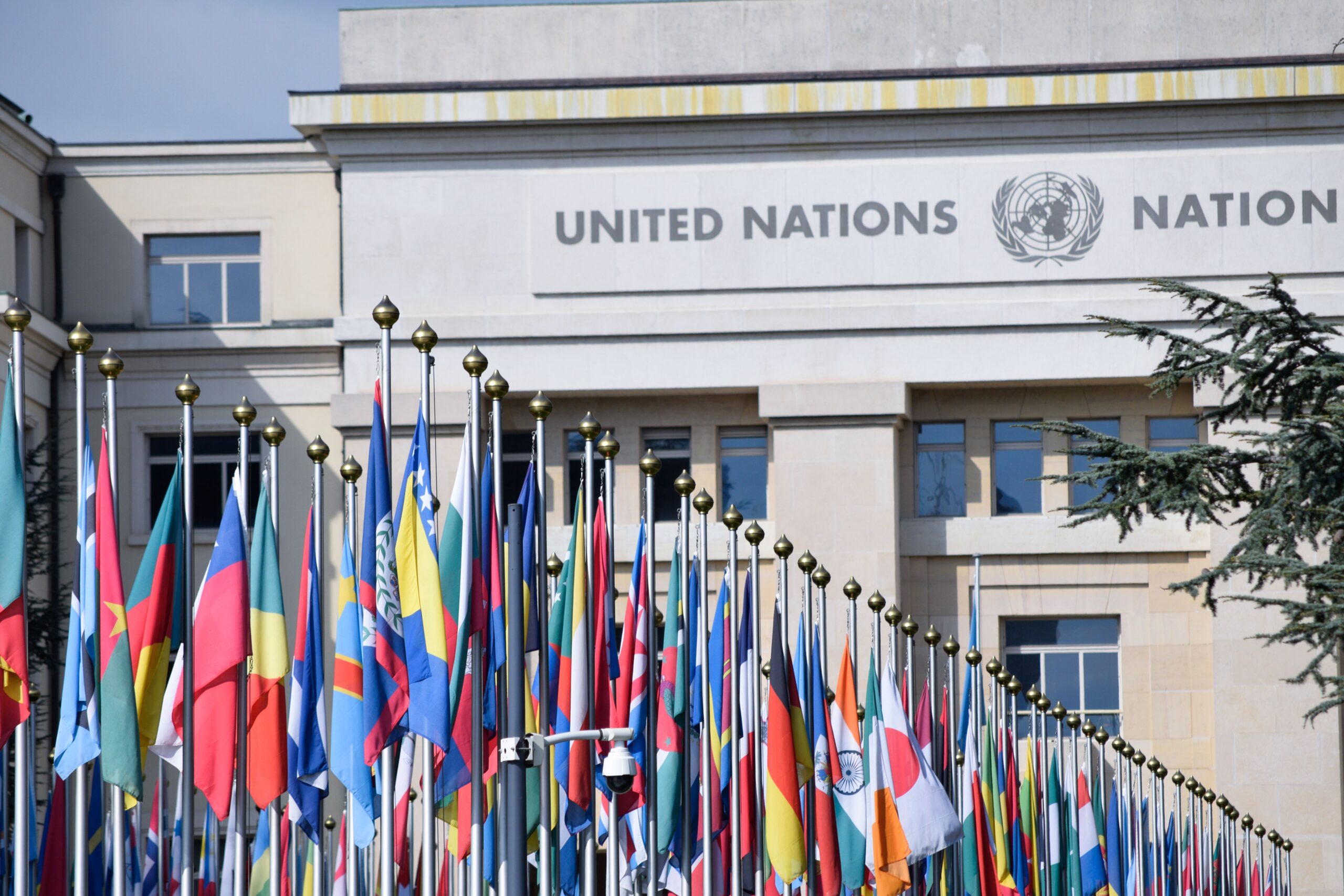
The latest International Monetary Fund (IMF) report has delivered encouraging news for the global economy, stating that the world has successfully avoided a recession despite facing multiple economic challenges over the past few years. According to the report, stronger-than-expected economic performance in several major economies, declining inflation, resilient labor markets, and stable financial systems have contributed to sustained global growth. Moreover, India has emerged as the fastest-growing major economy, reinforcing its position as one of the world’s most important engines of economic expansion.
The IMF’s latest assessment has boosted investor confidence and strengthened expectations for continued global recovery. Furthermore, the report highlights that while risks remain, economic conditions have improved considerably compared to earlier forecasts that predicted a possible worldwide recession. As a result, businesses, governments, and financial markets are viewing the global outlook with cautious optimism.
Global Economy Shows Remarkable Resilience
The global economy has faced numerous challenges in recent years, including high inflation, rising interest rates, geopolitical tensions, supply chain disruptions, and energy price volatility.
Despite these obstacles, economic activity has remained stronger than many analysts initially expected. Consumer spending, business investment, and international trade have continued supporting overall growth across many regions.
Furthermore, governments and central banks implemented policies aimed at stabilizing financial markets and controlling inflation without causing a severe economic downturn.
Consequently, the global economy has demonstrated remarkable resilience during a period of significant uncertainty.
IMF Says Global Recession Has Been Avoided
The IMF noted that coordinated policy measures, stronger labor markets, and improving inflation trends helped prevent a global recession.
Many advanced and emerging economies continued expanding even as central banks maintained relatively high interest rates to control inflation.
Additionally, consumer confidence gradually improved as inflation moderated and employment remained relatively stable.
The report also emphasized that economic growth has become more balanced across different regions compared to earlier stages of the post-pandemic recovery.
Therefore, fears of a synchronized global recession have eased considerably.
India Emerges as the Fastest-Growing Major Economy
Among the report’s most significant findings is India’s continued position as the fastest-growing major economy.
Strong domestic demand, rising infrastructure investment, expanding manufacturing activity, digital transformation, and robust services sector growth have supported India’s impressive economic performance.
Moreover, government initiatives encouraging investment, innovation, and industrial development have strengthened business confidence.
Private consumption has also remained resilient, contributing significantly to economic expansion.
Consequently, India continues attracting strong domestic and international investment across multiple industries.
Infrastructure Investment Supports Growth
Infrastructure development remains one of India’s strongest economic growth drivers.
Large-scale investments in highways, railways, airports, ports, renewable energy, digital connectivity, and urban development have stimulated economic activity throughout the country.
Additionally, infrastructure projects generate employment opportunities while improving long-term productivity.
Better transportation networks reduce logistics costs, encourage manufacturing, and support exports.
Furthermore, modern infrastructure attracts foreign investors seeking efficient production and distribution capabilities.
Manufacturing Sector Continues Expanding
India’s manufacturing sector has experienced steady growth due to supportive government policies and increasing domestic demand.
Programs encouraging local manufacturing have strengthened industrial production across electronics, automobiles, pharmaceuticals, chemicals, machinery, and consumer goods.
Moreover, multinational companies continue expanding manufacturing operations within India as they diversify global supply chains.
This trend enhances employment, exports, and technology transfer.
Consequently, manufacturing remains an important pillar of India’s long-term economic strategy.
Digital Economy Drives Innovation
India’s rapidly expanding digital economy continues transforming business operations and consumer behavior.
Digital payments, e-commerce, financial technology, cloud computing, artificial intelligence, and online services have become major contributors to economic growth.
Furthermore, increasing internet penetration and smartphone adoption have expanded access to digital financial services across urban and rural areas.
Technology startups continue attracting substantial investment while creating new employment opportunities.
As a result, India’s digital transformation strengthens productivity and international competitiveness.
Inflation Shows Signs of Moderation
The IMF report also highlighted encouraging progress in controlling inflation across many economies.
Although inflation remains above target levels in some countries, price pressures have gradually eased due to improving supply chains and balanced demand conditions.
Additionally, lower inflation supports household purchasing power and encourages consumer spending.
Businesses also benefit from greater pricing stability, allowing improved investment planning.
Consequently, moderating inflation has become an important factor supporting continued global economic expansion.
Labor Markets Remain Strong
Employment has remained relatively resilient despite tighter monetary policies in several major economies.
Businesses continue hiring workers in industries including technology, healthcare, manufacturing, construction, and professional services.
Furthermore, strong labor markets support consumer spending because employed households generally maintain higher purchasing power.
Stable employment also reduces the likelihood of a severe economic contraction.
Therefore, healthy labor market conditions remain a key foundation of global economic resilience.
Global Trade Continues Recovering
International trade has gradually improved following earlier disruptions caused by supply chain challenges and geopolitical tensions.
Businesses have diversified supplier networks while investing in more resilient logistics systems.
Moreover, improving shipping capacity and lower transportation costs have supported international commerce.
Emerging markets have also contributed significantly to global trade growth through increased manufacturing and exports.
Consequently, expanding trade continues supporting worldwide economic activity.
Financial Markets Respond Positively
Financial markets reacted positively to the IMF’s assessment.
Investors welcomed confirmation that global recession risks have declined while economic growth remains relatively stable.
Stock markets strengthened as optimism regarding corporate earnings and economic expansion improved.
Additionally, government bond markets reflected expectations that inflation may continue moderating.
Investor confidence also benefited from stronger economic forecasts for several emerging economies, particularly India.
Foreign Investment Continues Increasing
India has become one of the most attractive destinations for foreign direct investment.
International companies continue investing across manufacturing, technology, renewable energy, financial services, healthcare, and infrastructure sectors.
Moreover, India’s large consumer market, skilled workforce, and supportive business environment continue attracting multinational corporations.
Foreign investment contributes not only capital but also technology transfer, employment generation, and productivity improvements.
Therefore, sustained investment inflows strengthen India’s long-term growth prospects.
Challenges Still Remain
Despite the encouraging outlook, the IMF cautioned that several risks continue affecting the global economy.
Geopolitical tensions remain capable of disrupting energy markets, international trade, and investment flows.
Additionally, high public debt levels in some countries could limit future fiscal flexibility.
Climate change, extreme weather events, and global supply chain uncertainties also present ongoing economic challenges.
Furthermore, financial markets remain sensitive to changes in interest rates and inflation expectations.
Therefore, policymakers must continue implementing balanced economic strategies.
Opportunities for Sustainable Growth
The IMF emphasized the importance of structural reforms that promote long-term productivity and sustainable development.
Investments in education, digital infrastructure, renewable energy, healthcare, innovation, and workforce development can strengthen future economic growth.
Additionally, international cooperation remains essential for addressing shared challenges including climate change, financial stability, and global trade.
Emerging economies are expected to play an increasingly important role in driving worldwide economic expansion.
India’s continued growth demonstrates how domestic reforms and investment can create strong economic momentum.
The Big Picture: Global Economy Defies Grim Forecasts
The IMF’s comprehensive economic report brings immense relief to international financial markets. Just a year ago, consensus Wall Street models predicted a high probability of a synchronized global recession due to aggressive central bank rate hikes. Instead, the global economy achieved a highly coveted “soft landing.”
Key global metrics from the IMF report reveal:
- Global GDP Growth: Upgraded to a stable 3.4%, a notable increase from previous conservative projections.
- Inflation Trajectory: Global headline inflation is projected to drop from last year’s 6.8% down to 4.2%, moving closer to central bank targets.
- Advanced Economies: The United States is holding steady with an updated 2.3% growth rate, while the Eurozone shows a modest recovery at 1.2%.
IMF Chief Economist Pierre-Olivier Gourinchas noted that the global battle against inflation has largely been won without derailing physical economic activity, marking a historic triumph of monetary policy coordination.
Explosive Digital Public Infrastructure (DPI)
India’s revolutionary digital ecosystem—anchored by the Unified Payments Interface (UPI) and comprehensive digital identity frameworks—has formalised the massive domestic economy at an unprecedented scale. This seamless digital infrastructure has vastly improved financial inclusion, lowered transaction costs for small businesses, and triggered an explosion in rural consumer demand.
Robust Capital Expenditures (CapEx)
The Indian government’s relentless focus on physical infrastructure has yielded immense economic dividends. Massive public investments in high-speed rail corridors, world-class expressways, modern shipping ports, and renewable energy grids have created millions of jobs and crowded in significant private corporate investments.
The Global Manufacturing Pivot
As multinational corporations aggressively execute “China+1” supply chain diversification strategies, India has emerged as a premier global manufacturing alternative. Favourable policy frameworks, such as the Production Linked Incentive (PLI) schemes, have successfully attracted multi-billion-dollar electronics, semiconductor, and automotive manufacturing facilities from global giants like Apple, Foxconn, and major European automakers.
The Global Divergence: China Slows Down as Emerging Markets Rise
A striking takeaway from the IMF report is the growing structural divergence between the world’s two largest emerging economies. While India is accelerating, China’s growth projection has been downgraded to 4.3%.
The IMF pointed out that Beijing continues to grapple with a severe, structural real estate crisis, weak domestic consumer confidence, and rapidly aging demographics. This shift cements a historic realignment in global trade dynamics: India is officially replacing China as the primary consumption and production frontier for the global corporate landscape.
Concurrently, other emerging markets are showing mixed resilience. Brazil and Mexico have seen upward revisions due to strong commodity exports and nearshoring trends, while sub-Saharan Africa faces localized headwinds despite an overall growth acceleration to 3.8%.
Looming Risks: The IMF’s Warning Signs
Despite the overwhelmingly positive “no recession” headline, the IMF urged global policymakers against premature celebrations, outlining several persistent risks that could disrupt this economic stability:
- Geopolitical Fragmentation: Escalating regional conflicts and shipping bottlenecks in critical maritime corridors continue to pose localized supply shock risks for energy and food.
- The Tariff Threat: A rising wave of global protectionism and retaliatory trade tariffs could potentially shave up to 0.5% off global GDP over the next twenty-four months if trade wars reignite.
- Fiscal Debt Burdens: Sovereign debt levels across both advanced and developing nations remain exceptionally high, leaving little fiscal cushion for governments to handle future economic shocks.
What This Means for Businesses
Businesses around the world may benefit from improving economic conditions.
Stronger consumer demand supports higher sales across multiple industries.
Lower inflation reduces uncertainty and improves investment planning.
Additionally, expanding global trade creates new export opportunities for manufacturers and service providers.
Companies investing in digital technologies and operational efficiency are likely to remain well-positioned for future growth.
Meanwhile, businesses operating in India may benefit from continued infrastructure expansion and rising domestic consumption.
Outlook for the Global Economy
Looking ahead, the IMF expects global growth to remain positive, although the pace may vary across different regions.
India is projected to continue outperforming many major economies due to strong domestic fundamentals, investment activity, and structural reforms.
Advanced economies are also expected to experience gradual improvement as inflation continues easing.
Furthermore, technological innovation, digital transformation, and artificial intelligence could become important drivers of future productivity growth.
However, policymakers must remain vigilant regarding inflation, financial stability, and geopolitical developments.
Conclusion
The latest IMF report provides encouraging evidence that the global economy has successfully avoided a recession despite facing significant economic challenges. Strong labor markets, moderating inflation, resilient consumer spending, and effective policy responses have supported continued worldwide growth.
Most importantly, India has once again demonstrated its position as the fastest-growing major economy through strong domestic demand, infrastructure investment, manufacturing expansion, and digital innovation. Overall, the report reinforces confidence in the global economic outlook while highlighting India’s growing importance in driving future growth. Although challenges remain, continued reforms, international cooperation, and sustainable investment are expected to support economic stability and long-term prosperity across the world.