

India Economy Expanded by 7.8%: Powerful Growth Beats Estimates in First Quarter

Date: August 31, 2026
Author: Crazyrites Editorial Team
India Economy Expanded by 7.8% in Q1
India economy expanded by 7.8% year-on-year in the April-June quarter of the 2026-27 financial year, according to government data released on Monday. The result was stronger than the 7.1% growth expected by economists in a Reuters poll.
The latest number gives the Indian economy a strong start to the new financial year. It also shows that economic activity remained firm despite global uncertainty, higher energy costs and challenges in the international market.
The 7.8% growth rate was also higher than the Reserve Bank of India’s earlier forecast of 7% for the quarter. However, the latest figure was lower than the revised 8.6% growth recorded in the January-March quarter.
As a result, the new data has attracted attention from investors, economists and businesses because it provides a fresh picture of India’s economic strength.
Key GDP Numbers at a Glance
| Indicator | Latest Figure |
|---|---|
| Q1 FY2026-27 real GDP growth | 7.8% |
| Market estimate | 7.1% |
| Previous quarter growth | 8.6% |
| Manufacturing growth | 9.2% |
| GVA growth | 8.2% |
| Private investment growth | About 12% |
| RBI earlier Q1 forecast | 7% |
| Quarter covered | April-June 2026 |
These numbers show that growth was supported by several parts of the economy rather than by only one area. Manufacturing and investment were especially important during the quarter.
Why Did Growth Beat Expectations?
India economy expanded faster than expected because several important areas of economic activity remained strong.
Manufacturing was one of the major contributors. The manufacturing sector grew 9.2% during the quarter, showing strong activity in factories and industrial businesses.
Investment also played an important role. Reuters reported that private investment increased by around 12%, helping support overall economic activity. In addition, financial and business services recorded strong growth during the period.
Domestic demand also helped the economy. When households and businesses continue spending, companies have more reason to produce goods and invest in new capacity.
Therefore, the latest GDP number suggests that India’s economic activity remained relatively strong even while the global environment was uncertain.
Manufacturing Gives the Economy a Strong Push
India economy expanded at a healthy pace partly because manufacturing activity improved during the April-June period.
Manufacturing is important because it creates demand across several parts of the economy. A factory may need raw materials, transportation, electricity, financial services and workers. Therefore, stronger factory activity can support other businesses as well.
The 9.2% manufacturing growth reported for the quarter was above the overall GDP growth rate. This makes the sector one of the important reasons behind the better-than-expected result.
At the same time, strong manufacturing growth does not mean every company or industry performed equally well. Economic growth is measured across the wider economy, and individual businesses can experience very different conditions.
Still, the manufacturing number provides a positive signal about industrial activity.
Investment Activity Also Improved
India economy expanded as investment activity picked up during the quarter.
Private investment is important for long-term economic growth because businesses often invest in factories, equipment, technology and other assets when they expect future demand to remain healthy.
According to Reuters, private investment rose around 12% during the April-June quarter. This increase helped offset weakness in some other areas and supported overall GDP growth.
Moreover, stronger investment can create additional jobs and business opportunities over time. However, the full benefit of investment may take several quarters to appear.
For now, the latest data suggests that companies continued to invest despite uncertainty in global markets.
Services Continue to Matter
India economy expanded with support from important parts of the services sector as well.
Financial and related services showed strong growth during the quarter. Reuters reported that financial services grew around 12.1%, adding to the overall strength of the economy.
Services have a major role in India’s economy. Banking, finance, technology, communications, trade and professional services all contribute to economic activity.
However, the performance was not equally strong across every consumer-facing service. Some areas faced pressure from changing demand and wider economic conditions.
Even so, the overall services sector continued to provide important support to GDP growth.
How Does This Compare With the Previous Quarter?
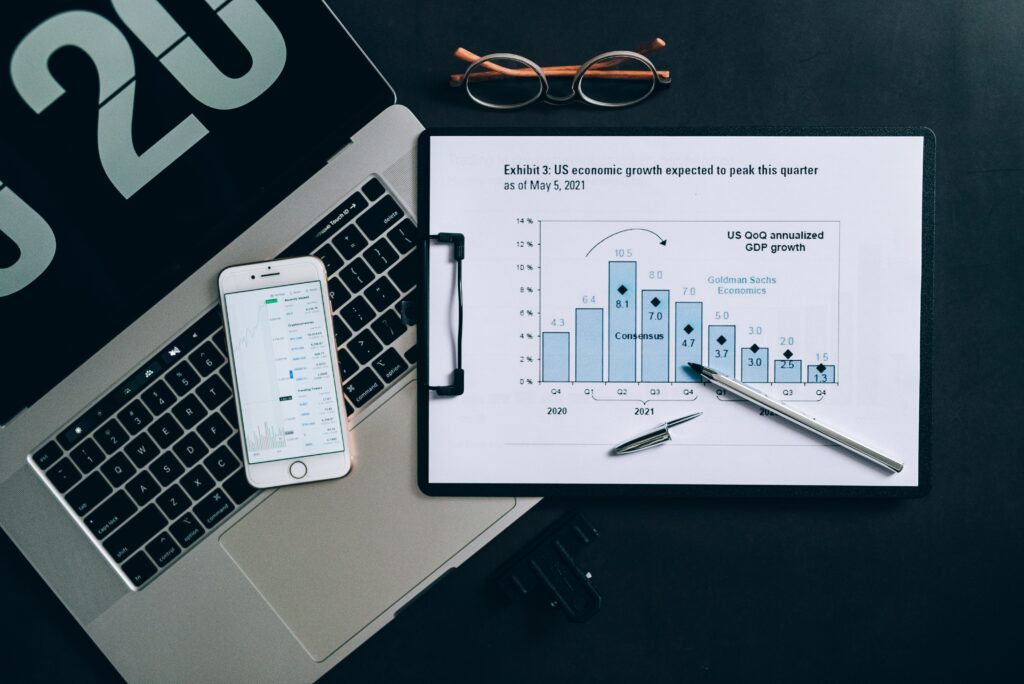
India economy expanded by 7.8% in the first quarter, but this was slower than the revised 8.6% growth recorded in the January-March quarter.
At first glance, the decline from 8.6% to 7.8% may appear significant. However, economists generally compare growth rates with several factors, including the previous period, the same period a year earlier and expectations.
The more important point is that the latest result was much stronger than the 7.1% market forecast.
The economy therefore started FY2026-27 on a stronger note than many analysts had expected.
This could provide some confidence to businesses and investors, although future quarters will depend on domestic demand, global conditions, inflation and energy prices.
Global Challenges Remain
India economy expanded despite several challenges outside the country.
The global economy has faced uncertainty from geopolitical tensions, changing energy prices and tighter financial conditions. These factors can affect countries that depend on international trade and imported energy.
Higher crude oil prices can be especially important for India because the country imports a large share of its oil requirements. If global oil prices remain high, transportation and production costs can increase.
The latest GDP result therefore does not remove all economic risks.
Instead, it shows that domestic economic activity remained strong during the quarter despite those pressures.
What Does the GDP Number Mean for Ordinary People?
India economy expanded by 7.8%, but GDP growth does not automatically mean that every household will immediately feel richer.
GDP measures the total value of goods and services produced in the economy. It is an important measure of economic activity, but it does not show how income is distributed among households.
For ordinary people, factors such as employment, wages, inflation and household expenses can matter more directly.
If economic growth remains strong, businesses may have greater confidence to expand and hire workers. Over time, this can create more opportunities.
However, the effect on households can vary depending on their industry, location and income.
Therefore, the latest GDP figure should be viewed as a broad economic indicator rather than a direct measure of individual financial conditions.
What Could the Numbers Mean for Businesses?
India economy expanded faster than expected, which could provide a positive signal for businesses.
Companies generally prefer an environment where demand is stable and investment is increasing. Stronger economic activity can encourage businesses to consider expansion plans.
Manufacturing companies may benefit from stronger industrial demand. Banks and financial companies can also benefit when businesses and consumers borrow and spend more.
At the same time, companies still need to manage risks such as energy prices, global demand and currency movements.
So, while the GDP report is encouraging, businesses are unlikely to ignore the wider economic environment.
What Does It Mean for Investors?
India economy expanded by more than economists had expected, which may attract attention from investors.
A stronger-than-expected GDP number can improve confidence because it suggests that economic activity is holding up better than previously predicted.
However, investors generally look at more than one economic report before making decisions. Inflation, interest rates, company earnings, oil prices and global market conditions can also influence investment decisions.
The latest GDP data is therefore a positive economic signal, but it should not be treated as a guarantee that financial markets will always move higher.
Markets can react differently depending on new information and expectations.
RBI and Interest Rate Expectations
India economy expanded at a pace above the RBI’s earlier 7% forecast for the quarter.
This could become relevant for future monetary policy discussions. The RBI has to balance economic growth with inflation and financial stability.
If growth remains strong while inflation stays under control, policymakers may have more flexibility.
However, higher energy prices could create fresh inflation concerns. That is particularly important because crude oil prices can influence transportation and production costs.
As a result, the RBI will likely continue watching both growth and inflation data before making future policy decisions.
The latest GDP number is positive, but it is only one part of the broader economic picture.
Is India Still Growing Faster Than Many Major Economies?
India economy expanded by 7.8% in the latest quarter, keeping the country among the fastest-growing major economies.
The strong result is important because India is trying to maintain high growth while dealing with a changing global economy.
A large domestic market gives India some support because the country is not completely dependent on external demand.
Consumer spending, investment, infrastructure activity and services can all help support growth when global trade becomes uncertain.
However, maintaining high growth over several years will require continued investment, productivity improvements and stable economic conditions.
What Could Support Growth in the Coming Quarters?
India economy expanded strongly in Q1, and several factors could support growth in the months ahead.
First, continued domestic demand could help businesses maintain production.
Second, investment activity could remain supportive if companies continue to expand capacity.
Third, infrastructure spending and industrial activity could provide additional demand.
Finally, a stable financial environment could help businesses plan for the future.
However, these factors are not guaranteed. Global trade conditions, energy prices, weather conditions and geopolitical developments could influence economic activity.
For this reason, economists will pay close attention to upcoming quarterly GDP data.
Risks That Could Affect Future Growth
India economy expanded strongly, but several risks remain.
Higher crude oil prices are one concern. A sustained increase in energy costs could raise expenses for businesses and consumers.
Another risk is weaker global demand. If major economies slow down, India’s exports and some business sectors could face pressure.
Weather conditions are also important. Agriculture remains an important part of the Indian economy, so an uneven monsoon can affect farm output and rural demand.
In addition, geopolitical tensions can influence trade, energy prices and investor confidence.
These risks do not mean that growth will slow sharply. They simply show why economic forecasts can change as new information becomes available.
Why the 7.8% Figure Matters
India economy expanded by 7.8%, which is important because the figure was significantly higher than the 7.1% market expectation.
The difference between the expected and actual numbers shows that economic activity was stronger than many economists had predicted before the data release.
The result also came despite a challenging global environment.
Nevertheless, one strong quarter should not be used to predict the entire financial year with certainty. GDP data can change through later revisions, and economic conditions can also change quickly.
Therefore, the latest figure is best understood as a strong opening for FY2026-27 rather than a final picture of the year.
Outlook for India’s Economy
India economy expanded strongly in the first quarter, giving the new financial year a positive beginning.
The combination of manufacturing growth, stronger investment and steady domestic activity helped the country outperform expectations.
At the same time, policymakers and businesses still have to watch inflation, oil prices, global trade and geopolitical risks.
If domestic demand remains healthy and investment continues, the economy may maintain a solid pace in the coming quarters.
However, the path will not be completely free of challenges.
The next few GDP reports will provide more information about whether the first-quarter performance was the beginning of a sustained trend or simply a particularly strong quarter.
Conclusion
India economy expanded by 7.8% in the April-June quarter, beating the 7.1% market estimate and giving FY2026-27 a stronger-than-expected start.
The result was supported by manufacturing, investment and services, while domestic economic activity remained relatively strong. Manufacturing growth of 9.2% and a rise in private investment were among the important factors behind the result.
At the same time, the economy continues to face risks from global uncertainty, energy prices, inflation and geopolitical developments.
The latest number is therefore encouraging, but it is not a reason to ignore those challenges. A balanced view is important because economic growth affects different people and businesses in different ways.
For now, the 7.8% figure shows that India’s economy entered the new financial year with solid momentum. The coming quarters will reveal whether this strength can continue.
Sources
- Reuters — India’s April-June economic growth and market expectations.
- Government of India / Ministry of Statistics and Programme Implementation — GDP data and national accounts information.
- Business Standard — Sector-wise details including manufacturing, GVA and investment.
US Forces Strike Iranian Targets: Major Strait Of Hormuz Escalation Sends Oil Prices Higher

