

Oil Hits $100 a Barrel: Sharp Market Shock
Date: September 10, 2026
Author: Crazyrites Editorial Team
Oil Hits $100 a Barrel as Middle East Tensions Rise
Global oil markets have entered another tense phase after oil hits $100 a barrel once again, with Brent crude moving above the important price level for the first time since July.
The latest rise comes as military tensions in the Middle East continue to affect major energy routes. US military action against Iranian oil tankers and fresh attacks linked to Yemen’s Houthi movement have increased concerns about the safety of oil supplies from the region.
The move is important because the $100 level is watched closely by traders, governments, businesses and consumers. When oil hits $100 a barrel, the impact can go far beyond financial markets. Higher crude prices can increase transport costs, raise fuel prices and add pressure to inflation.
At the same time, the latest increase does not mean that oil prices will automatically remain above $100. Much will depend on how the military situation develops, whether shipping routes remain open and how quickly the market can respond to any supply losses.
Why Oil Prices Are Rising
There is no single reason behind the latest move. Instead, several developments are affecting the market at the same time.
The United States has carried out strikes against Iranian oil tankers after Iran attempted attacks against US military interests. According to reports, five Iranian crude carriers were destroyed by US forces. Iran then responded with attacks involving missiles and threats against shipping in and around the Strait of Hormuz.
At the same time, Houthi forces in Yemen have increased attacks against Saudi Arabia and energy-related targets. Saudi Arabia is one of the world’s most important oil producers, so any threat to its infrastructure quickly attracts attention from the global oil market.
Reports say Houthi attacks have affected Saudi energy facilities, including infrastructure around Jazan. The attacks have also increased concerns about shipping through the Red Sea and the Bab el-Mandeb waterway.
Therefore, when oil hits $100 a barrel, the market is not simply reacting to one attack. It is reacting to a wider concern that several important supply and shipping routes could face further disruption.
Brent Crude Leads the Move
Brent crude is the main international benchmark used to track global oil prices. On September 9, Brent moved above $100 per barrel as traders reacted to growing supply risks.
Reports showed Brent reaching around $100.19 during trading before moving back below the level at points. Other market reports put Brent around $101, while West Texas Intermediate, the main US benchmark, remained below Brent.
The difference between the two benchmarks is normal because they represent different crude markets and locations. However, both are being affected by the same broader concern: the possibility of tighter global oil supplies.
| Key Market Factor | Current Situation |
|---|---|
| Brent crude | Moved above $100 a barrel |
| WTI crude | Trading below Brent but also rising |
| Main concern | Possible supply disruption |
| Major risk areas | Strait of Hormuz, Red Sea and Gulf of Oman |
| Key regional producer | Saudi Arabia |
| Shipping concern | Red Sea and Bab el-Mandeb |
| Market reaction | Higher crude prices and greater volatility |
Why $100 Matters So Much
The number $100 has a strong psychological effect on the oil market. It is not a fixed point where the global economy suddenly changes, but it is an important level watched by investors and businesses.
When oil hits $100 a barrel, companies that depend heavily on fuel can face higher operating costs. Airlines, shipping companies, transport businesses and manufacturers are among the sectors that can feel the pressure.
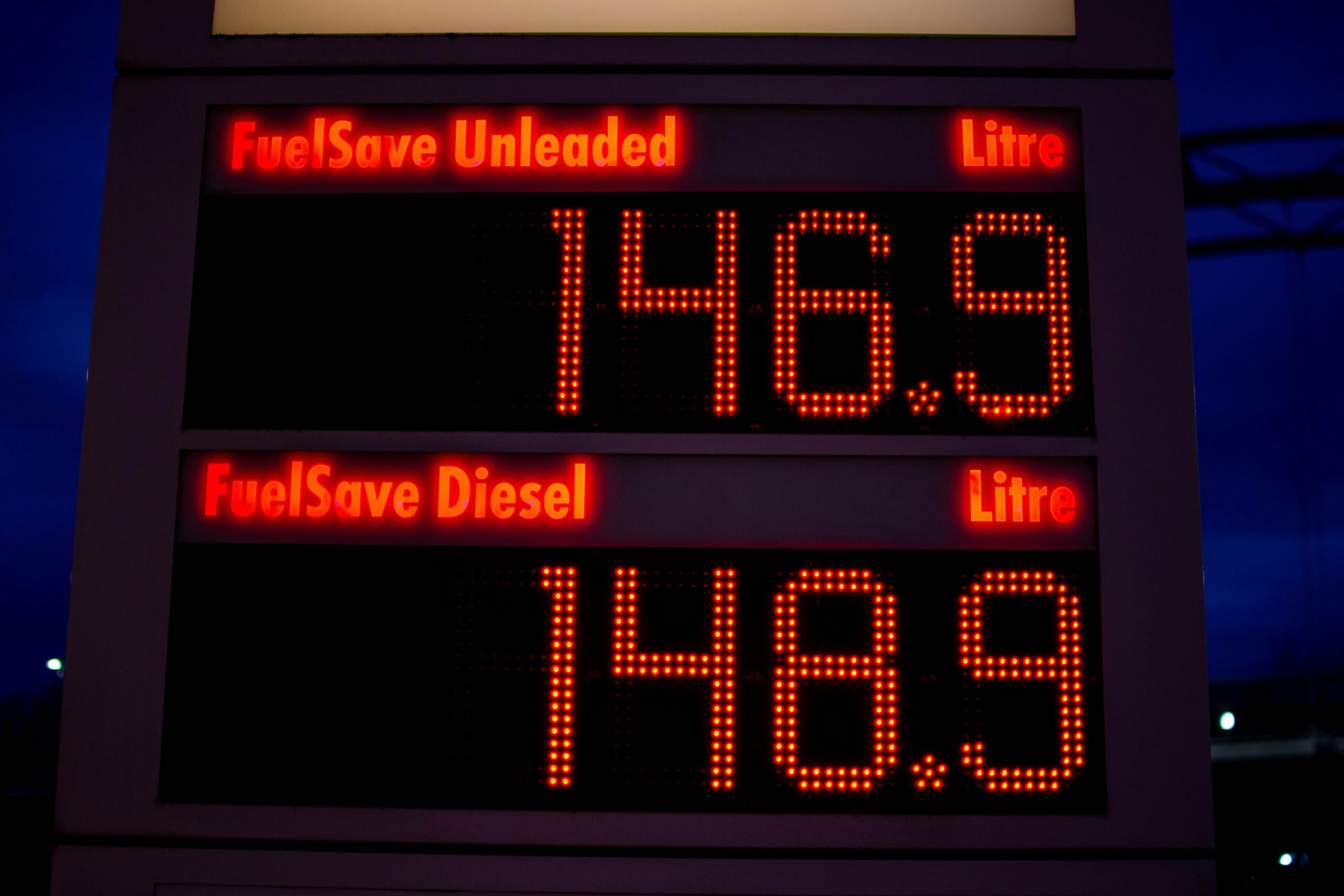
Consumers can also eventually see higher costs. Petrol and diesel prices can rise when crude oil becomes more expensive, although the effect is different in every country because taxes, refining costs, currencies and government policies also matter.
Higher energy costs can also affect food prices. Farmers use fuel and energy for machinery, irrigation and transportation. Food companies and retailers also depend on transportation to move products.
As a result, oil hits $100 a barrel is not only a market headline. It can become an economic issue if high prices continue for a long period.
Saudi Arabia Faces a Difficult Situation
Saudi Arabia is particularly important to the current story because it is one of the world’s largest oil producers and exporters.
Recent reports indicate that Saudi oil production fell sharply in August, while exports also declined. The fall has been linked to regional security problems and disruption caused by Houthi threats.
The country has tried to manage the situation by adjusting the movement of crude through alternative routes. However, alternative routes can also face risks when shipping lanes are threatened.
This is why the market is paying close attention to the Red Sea, Bab el-Mandeb and the Strait of Hormuz.
The concern is not necessarily that all oil exports will suddenly stop. Even delays, rerouting, higher insurance costs and fewer ships can reduce the amount of oil reaching buyers at a given time.
That can tighten the market and push prices higher.
The Strait of Hormuz Remains Critical
The Strait of Hormuz is one of the most important energy routes in the world. It connects the Persian Gulf with the Gulf of Oman and the wider Arabian Sea.
Any serious disruption there can create major problems for international oil markets.
Recent reports say oil flows through the area have already fallen sharply compared with normal levels.
This explains why investors react so quickly whenever there are new military developments around the waterway.
If the Strait remains open and shipping can continue, some of the current price pressure could ease. However, if attacks increase and more vessels avoid the route, the market could face another round of supply concerns.
Houthi Attacks Add Another Layer of Risk
The Houthi movement has been an important part of the regional security situation for several years. Its latest actions have raised fresh concerns because the group operates close to important Red Sea shipping routes.
Recent attacks against Saudi energy infrastructure and shipping have added another layer of uncertainty.
When oil hits $100 a barrel, traders often look beyond the immediate event and ask what could happen next. In this case, the bigger question is whether the attacks remain limited or spread to more oil infrastructure and commercial shipping.
That difference could have a major impact on prices.
If attacks remain limited, traders may eventually reduce the risk premium added to crude prices. If the situation expands, however, prices could remain under pressure.
What Does This Mean for Inflation?
One of the biggest economic concerns is inflation.
Oil is an important input for transportation and industry. Therefore, a prolonged increase in crude prices can make it more expensive to move goods and operate businesses.
Central banks watch energy prices because higher fuel costs can make it harder to control inflation.
The recent oil increase is already raising concerns about future interest-rate decisions. Reports have pointed to renewed inflation pressure in several major economies as energy prices rise.
However, the impact will depend on how long prices remain elevated.
A short price spike may have a limited effect. A long period of high oil prices would be more serious because businesses would have more time to pass higher costs to customers.
What Could Happen Next?
The next stage of the oil market will depend heavily on developments in the Middle East.
If military tensions decline, shipping becomes safer and oil production returns closer to normal levels, prices could move lower again.
On the other hand, further attacks on energy facilities or tankers could push crude prices higher.
Analysts are also watching global inventories. Lower available supplies can make the market more sensitive to unexpected disruptions. Reuters reported that the global market has already lost a significant amount of supply during the wider conflict, while strategic reserves have also been under pressure.
Therefore, oil hits $100 a barrel should be viewed as a warning about market sensitivity rather than simply another round-number milestone.
The Impact on Businesses and Consumers
For businesses, the immediate concern is cost.
Transport companies may face higher fuel bills. Airlines can see increased operating expenses. Manufacturers may pay more for energy and transportation. Retailers can also face higher delivery costs.
For consumers, the impact may appear gradually.
Petrol prices could increase depending on local market conditions. Electricity and heating costs may also be affected in countries that depend heavily on oil and other imported fuels.
However, it is important not to assume that every country will experience the same increase. Currency movements, taxes, subsidies and domestic fuel policies can make a major difference.
This is why oil hits $100 a barrel does not mean petrol prices will rise by exactly the same percentage everywhere.
A Market Driven by Risk
The current oil market is being driven not only by actual supply losses but also by fear about what could happen next.
That is an important distinction.
Markets often react before a disruption becomes large because traders try to price future risks. When military tensions rise near major energy routes, traders may expect higher shipping costs, insurance premiums and possible supply problems.
This risk premium can push prices higher even before a major physical shortage develops.
The latest move shows how sensitive the global oil market remains to geopolitical events.
Why the Situation Matters Globally
Oil is traded globally, which means a supply problem in one region can affect countries far away.
Asia, Europe and other major importing regions can feel the impact through higher energy and transportation costs.
Emerging economies can be especially sensitive because higher fuel prices can increase import bills and put pressure on national currencies.
Meanwhile, oil-producing countries may benefit from higher export prices, although prolonged instability can also create problems for their production and shipping systems.
So, oil hits $100 a barrel is a story that extends beyond the United States, Iran, Saudi Arabia or Yemen. It is a global economic story.
Conclusion
The latest rise in crude prices shows how quickly geopolitical tensions can influence the global energy market.
When oil hits $100 a barrel, the key issue is not simply the price itself. The bigger concern is whether the conditions behind that price remain in place.
US military action, Houthi attacks, risks around major shipping routes and uncertainty around regional oil supplies have created a difficult environment for traders and businesses.
At the same time, the situation remains fluid. A reduction in military tensions or an improvement in shipping conditions could ease some of the pressure. Further disruption could have the opposite effect.
For consumers and businesses, the main point is to watch the duration of the price increase rather than react only to the $100 milestone.
The global economy has dealt with major energy shocks before, and markets can adjust when supply and shipping conditions improve. For now, however, oil hits $100 a barrel remains an important signal that the world’s energy markets are once again facing serious uncertainty.
Sources
- Reuters — Global oil market and Middle East supply developments
- Associated Press — Houthi activity, Yemen and Red Sea shipping risks
- The Guardian — Oil prices and inflation concerns following renewed Middle East tensions
- Financial Express — Brent crude crossing the $100 level and market reaction
- The National — Background on oil prices, Houthi attacks and regional supply risks
Siemens Battery-NY Production Partnership: Powerful Digital Shift

