Oil Prices Surge Due to US-Iran Conflict as Global Markets Brace for Supply Disruptions
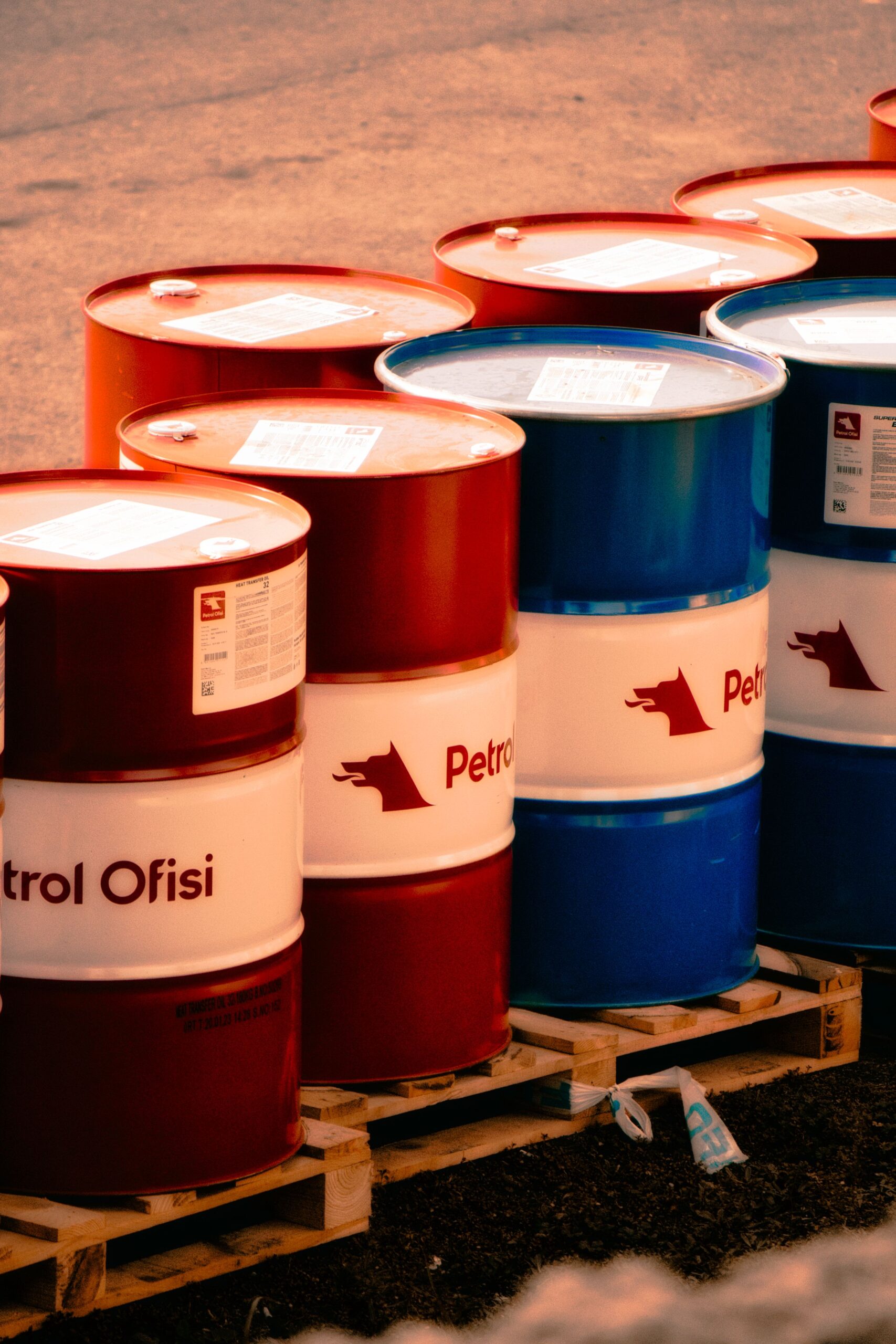
Global oil prices climbed sharply after escalating tensions between the United States and Iran raised concerns over potential supply disruptions across the Middle East. Investors reacted quickly as geopolitical uncertainty increased, driving both Brent crude and West Texas Intermediate (WTI) crude higher. The Middle East remains one of the world’s most important oil-producing regions. Therefore, any conflict involving major regional powers immediately influences energy markets, transportation costs, and global economic sentiment. Although oil production has not yet experienced significant disruptions, traders are pricing in the possibility of future supply risks. Consequently, governments, businesses, and financial markets are closely monitoring developments while preparing for increased volatility in the energy sector.
US-Iran Tensions Push Oil Prices Higher
Oil prices surged after reports of increasing tensions between the United States and Iran heightened fears of possible disruptions to global crude oil supplies. Financial markets reacted almost immediately because geopolitical conflicts in the Middle East have historically affected energy prices.
Brent crude, the international benchmark, recorded strong gains, while WTI crude also moved significantly higher during trading sessions. Investors shifted toward energy assets as uncertainty surrounding future supply conditions increased.
Moreover, commodity traders adjusted their positions in anticipation of potential disruptions to oil exports from the region.
Why the Middle East Matters to Global Oil Markets
The Middle East accounts for a substantial share of global crude oil production and exports. Several of the world’s largest oil-producing countries operate within the region, supplying millions of barrels of crude oil every day.
Because international energy markets depend heavily on stable production from these countries, geopolitical tensions often trigger immediate price movements.
Additionally, many Asian and European economies rely on Middle Eastern crude to meet domestic energy demand. Therefore, even the possibility of supply interruptions can influence global fuel prices.
Strait of Hormuz Remains a Critical Shipping Route
One of the biggest concerns for energy markets is the Strait of Hormuz.
This narrow waterway connects the Persian Gulf with international shipping routes and handles a significant portion of global oil exports.
Every day, millions of barrels of crude oil pass through the strait toward major importing countries.
If military tensions threaten shipping operations or commercial vessels face delays, global oil supplies could tighten rapidly.
Consequently, investors closely monitor developments involving maritime security in the region.
Supply Disruption Fears Drive Market Volatility
Although no major supply interruption has occurred, oil markets often react to expectations rather than confirmed events.
Traders attempt to anticipate future risks before they affect physical supplies.
Therefore, geopolitical uncertainty alone can increase oil prices as investors purchase futures contracts to protect against potential shortages.
Furthermore, higher market volatility attracts speculative trading activity, which can amplify price movements during periods of uncertainty.
This combination frequently leads to sharp swings in energy prices.
Global Energy Companies Monitor the Situation
Major international energy companies continue monitoring developments closely.
Oil producers, refiners, shipping companies, and commodity traders regularly evaluate geopolitical risks because disruptions can affect production schedules, transportation costs, and insurance premiums.
Additionally, companies may adjust inventory levels or diversify supply sources to reduce operational risks.
Many firms also maintain contingency plans for unexpected disruptions involving shipping routes or regional infrastructure.
These preparations help reduce the impact of sudden market shocks.
Rising Oil Prices Increase Inflation Risks
Higher crude oil prices often contribute to rising inflation across the global economy.
As energy becomes more expensive, transportation costs increase for businesses and consumers alike.
Additionally, manufacturing companies face higher production expenses because petroleum products are used in plastics, chemicals, packaging, and industrial operations.
Airlines, shipping companies, and logistics providers also experience higher fuel costs.
Consequently, businesses may pass increased expenses on to consumers through higher prices.
This process can place additional pressure on central banks already managing inflation.
Fuel Prices Could Rise Worldwide
Consumers often feel the impact of higher crude oil prices through increased fuel costs.
Gasoline, diesel, aviation fuel, and heating oil prices generally move in line with international crude markets.
If geopolitical tensions continue pushing oil prices upward, retail fuel prices could increase in many countries.
Moreover, transportation companies may raise freight charges, affecting the prices of food, consumer goods, and industrial products.
Therefore, prolonged increases in oil prices can influence household budgets worldwide.
Stock Markets React to Rising Energy Costs
Financial markets often experience mixed reactions when oil prices surge.
Energy companies generally benefit because higher crude prices improve revenue and profitability.
Meanwhile, airlines, transportation firms, automobile manufacturers, and industries with high fuel consumption may face increased operating expenses.
Technology stocks sometimes experience additional volatility if investors shift capital toward energy-related sectors.
Consequently, rising oil prices frequently reshape investment strategies across global financial markets.
Impact on Emerging Economies
Many emerging economies import substantial quantities of crude oil to support industrial production and transportation.
Therefore, higher oil prices can increase trade deficits and place pressure on national currencies.
Governments may also experience larger energy subsidy costs if they attempt to shield consumers from rising fuel prices.
Additionally, inflation may accelerate as transportation and manufacturing expenses increase.
Countries heavily dependent on imported energy remain particularly vulnerable during periods of prolonged oil price increases.
OPEC and Global Oil Supply
Oil-producing nations continue monitoring geopolitical developments while evaluating global supply conditions.
If prices remain elevated for an extended period, major producers could consider adjusting production strategies to maintain market stability.
However, production decisions depend on numerous factors, including demand growth, inventory levels, and global economic conditions.
Furthermore, coordination among major oil-exporting countries remains an important influence on international energy prices.
Market participants continue watching for any announcements regarding production policy.
Renewable Energy Gains Attention
Periods of high oil prices often encourage governments and businesses to accelerate investments in renewable energy.
Solar power, wind energy, electric vehicles, hydrogen technologies, and battery storage become increasingly attractive when fossil fuel costs rise.
Additionally, higher energy prices strengthen the economic case for improving energy efficiency across industries.
Many countries continue investing in clean energy infrastructure to reduce dependence on imported oil.
Consequently, geopolitical uncertainty may indirectly accelerate the global energy transition.
Central Banks Face Additional Challenges
Rising energy prices complicate monetary policy decisions.
Central banks must balance inflation control with economic growth.
If higher oil prices push inflation upward, policymakers may delay interest rate reductions or maintain tighter financial conditions.
However, higher borrowing costs could also slow economic expansion.
Therefore, energy market volatility creates additional uncertainty for financial policymakers worldwide.
Investors closely monitor inflation data alongside oil market developments.
Airlines and Logistics Companies Under Pressure
Transportation industries typically face immediate challenges when fuel costs increase.
Airlines may experience lower profit margins because aviation fuel represents one of their largest operating expenses.
Similarly, shipping companies and trucking businesses may encounter higher transportation costs.
Some firms introduce fuel surcharges to offset increased expenses.
However, competitive market conditions sometimes limit their ability to pass all additional costs to customers.
Consequently, prolonged oil price increases can reduce profitability across transportation sectors.
Investors Seek Safe-Haven Assets
Geopolitical uncertainty often encourages investors to shift toward traditional safe-haven investments.
Gold frequently benefits during periods of heightened global tensions.
Government bonds may also attract increased demand as investors reduce exposure to riskier assets.
Meanwhile, energy-related investments often receive additional attention because higher oil prices improve sector earnings.
Portfolio diversification becomes increasingly important during volatile market conditions.
Supply Disruptions Threaten the Strategic Strait of Hormuz
The primary catalyst driving the pricing spike is the mounting threat to critical maritime chokepoints. The Strait of Hormuz, an essential transit route managing roughly 20% of global petroleum and liquefied natural gas (LNG) traffic, has seen extreme logistical reductions. Average weekly crude shipments moving through the strait collapsed by approximately 61% following military developments, forcing massive commercial vessels to alter routes or face soaring maritime insurance premiums.
Additionally, the United States Treasury Department’s revocation of key energy waivers has effectively restricted Iranian crude exports from entering the broader spot market. Macroeconomic experts anticipate a massive structural supply crunch if local oil platforms or processing infrastructure incur further logistical damage.
Escalating Inflation Risks Cloud Global Markets
The sudden surge in raw energy pricing is sending shockwaves across global stock exchanges and corporate sectors. Major oil-importing economies, including developing markets in Asia, are facing immediate upward revisions on their national import bills. Economists caution that a sustained rally above current levels will inevitably bleed into consumer end-costs, translating into:
- Higher domestic gasoline and diesel fuel prices
- Increased shipping tariffs across global logistics networks
- Broadening inflationary pressure across standard manufacturing goods
Long-Term Outlook for Oil Markets
The future direction of oil prices will largely depend on geopolitical developments, production levels, and global economic growth.
If diplomatic efforts reduce tensions, energy markets could stabilize and prices may moderate.
However, any escalation affecting oil production or shipping infrastructure could drive prices significantly higher.
Global demand trends will also influence long-term market performance.
Additionally, expanding renewable energy adoption may gradually reshape future energy consumption patterns.
Nevertheless, crude oil is expected to remain a critical component of the global economy for many years.
Economic Impact Across Industries
Higher oil prices influence nearly every sector of the global economy.
Manufacturing costs rise because industrial production depends heavily on transportation and petroleum-based materials.
Agriculture also faces increased fertilizer and fuel expenses.
Retail businesses may encounter higher distribution costs.
Construction projects become more expensive due to rising transportation and equipment operating expenses.
Therefore, sustained increases in oil prices have broad economic consequences extending far beyond the energy industry.
Future Outlook
Analysts expect oil markets to remain highly sensitive to geopolitical developments involving the United States and Iran.
Investors will closely monitor diplomatic negotiations, military activity, shipping security, and production conditions across the Middle East.
If supply disruptions remain limited, prices could stabilize after the initial surge.
However, any escalation affecting oil exports or critical transportation routes may lead to additional price increases.
Meanwhile, governments and energy companies will continue strengthening supply chain resilience while expanding strategic reserves to reduce future risks.
Conclusion
The recent surge in oil prices highlights the significant influence that geopolitical tensions between the United States and Iran can have on global energy markets. Even without immediate supply disruptions, concerns over shipping routes, regional stability, and future production risks have increased market volatility and strengthened crude oil prices. Higher energy costs may contribute to inflation, increase transportation expenses, and influence monetary policy decisions worldwide. At the same time, energy companies could benefit from stronger revenues, while industries with high fuel consumption may face growing operational challenges. Looking ahead, the direction of oil prices will depend largely on diplomatic developments, regional security, and global demand. As the world continues balancing economic growth with energy security, oil markets are expected to remain one of the most closely watched indicators of global financial stability and geopolitical risk.