

Saudi Oil Transit Routes Ease Price Pressure
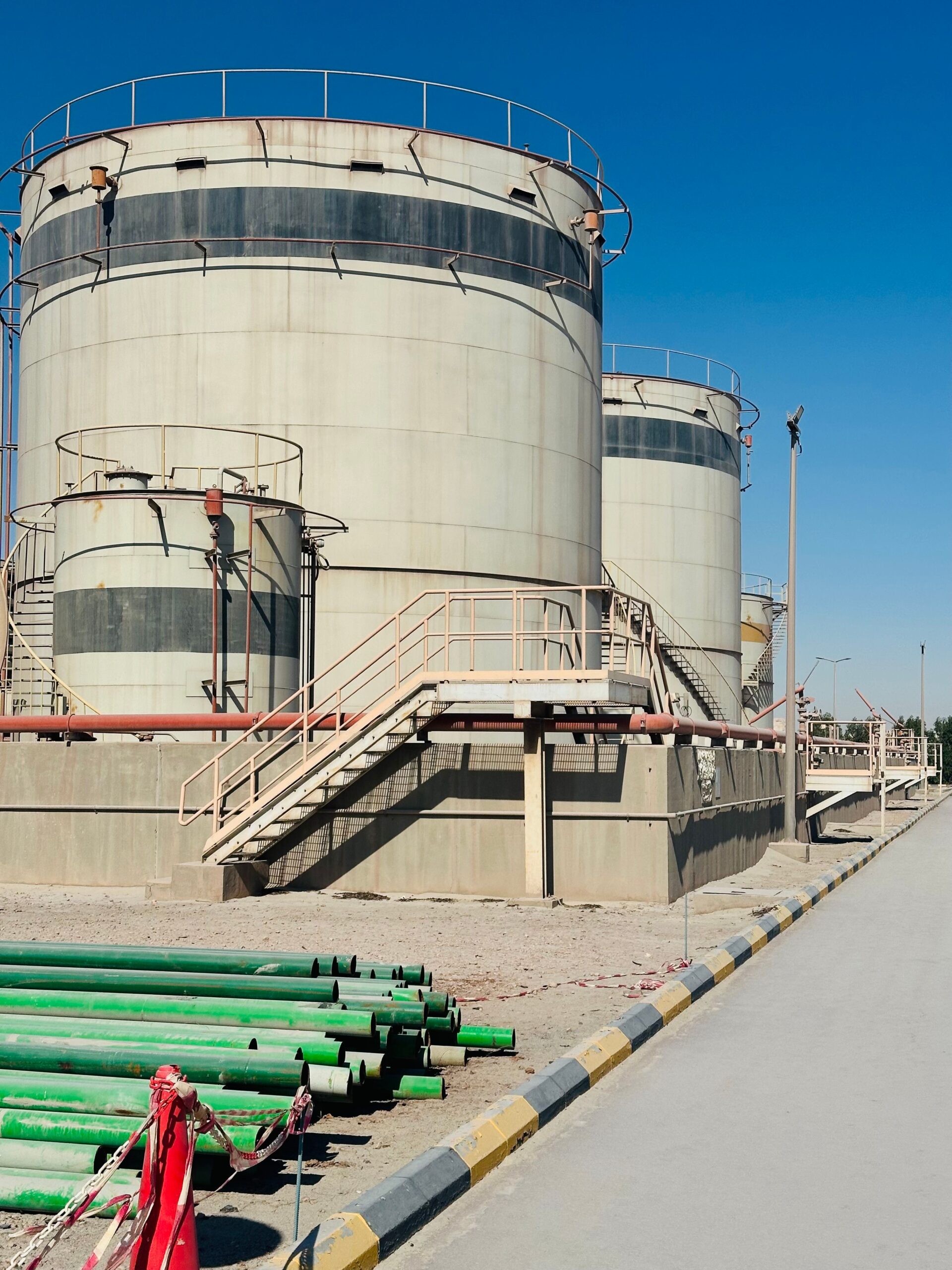
Crazyrites Editorial Team | September 17, 2026
Global Oil Prices Fall as Saudi Seeks Alternative Routes
Global oil prices moved lower on Thursday as Saudi Arabia worked to arrange alternative ways to move crude after a disruption to its important East-West oil pipeline. The development helped reduce some of the immediate fears about a major supply shortage, although crude prices remained above $100 a barrel amid continuing risks in the Middle East.
Brent crude futures fell about 1.2% in early trading to around $104.59 a barrel, while U.S. West Texas Intermediate, or WTI, declined about 1.1% to around $101.29 a barrel. Both benchmarks had already fallen by roughly $3 in the previous session.
The latest move shows how quickly energy markets can react when traders receive signs that disrupted supplies may still reach customers through other channels. In this case, Saudi oil transit routes have become an important part of the market discussion because Saudi Arabia is looking for ways to maintain crude exports despite damage to its normal infrastructure.
At the same time, the decline in prices does not mean that the wider supply risk has disappeared. The Strait of Hormuz remains under pressure, shipping activity has fallen sharply, and concerns about regional security continue to influence energy markets.
Why Oil Prices Are Falling
The main reason behind the latest decline is a reduction in fears about how much Saudi crude could be kept away from international markets.
After the pipeline disruption, traders initially worried that Saudi Arabia could face serious difficulties in moving crude from its production areas to export terminals. However, reports that the kingdom is arranging additional shipments through Oman have provided some relief.
These Saudi oil transit routes can help move crude toward Asian buyers through alternative arrangements, including ship-to-ship transfers near Oman. Such arrangements do not completely replace the damaged pipeline, but they can help reduce the amount of oil that remains stuck inside the country.
Reuters reported that Saudi Arabia was redirecting crude exports through Oman while officials also indicated that the East-West pipeline could resume operations relatively soon. The combination of alternative shipments and expectations of a pipeline recovery helped traders reassess the immediate supply risk.
This is important because oil markets often react not only to actual supply losses but also to expectations about future supply. If traders believe that disrupted barrels can return to the market sooner than expected, prices can fall even while physical risks remain.
What Happened to Saudi Arabia’s Pipeline?
Saudi Arabia’s East-West pipeline is a major piece of the country’s oil transportation system. It connects oil-producing areas in the east with Yanbu on the Red Sea coast in the west.
The route is particularly important because it provides an alternative to shipping crude through the Strait of Hormuz. The pipeline was designed to reduce Saudi Arabia’s dependence on the strategic waterway during periods of regional tension.
Recent attacks damaged parts of the pipeline network, forcing Saudi authorities to suspend operations while assessing the situation and working on repairs.
The disruption immediately raised questions about how much crude Saudi Arabia could continue exporting and which customers might face delays.
Earlier reports suggested that the damaged route could affect several million barrels per day of potential oil movement if the shutdown continued for an extended period. Reuters also reported concerns among traders that a prolonged outage could remove a significant amount of supply from international markets.
However, the latest developments suggest that Saudi Arabia is not relying on a single solution.
Instead, Saudi oil transit routes are being adjusted through a combination of maritime shipments, alternative ports and efforts to restore pipeline operations.
Oman Becomes an Important Alternative
One of the most important developments is Saudi Arabia’s use of Oman as part of its alternative export arrangements.
Reports indicate that Saudi crude can be moved through the Gulf of Oman, including ship-to-ship transfers near Oman’s Sohar port. This gives Saudi Arabia another way to connect its crude supplies with international buyers when normal routes face restrictions.
The use of Saudi oil transit routes through Oman is particularly significant for Asian buyers because Asia remains a major destination for Saudi crude.
Ship-to-ship transfers can be more complicated and expensive than normal loading operations. Nevertheless, they may provide flexibility when traditional routes are difficult to use.
For the oil market, even a partial alternative can make a difference. If buyers believe that some Saudi barrels can continue reaching refineries, the fear of a sudden shortage becomes smaller.
That is one reason Saudi oil transit routes have become a major focus for traders following the pipeline disruption.
Brent and WTI Remain Above $100
Although oil prices declined, both major benchmarks remained above the psychologically important $100 level.
Brent was trading near $104.59 in early Thursday trading in one market report, while WTI was around $101.29. Later trading data cited by Reuters showed further declines, with Brent reaching about $102.72 and WTI around $100.47.
This shows that the market is still pricing in a significant risk premium.
In other words, traders may have become less worried about an immediate shortage, but they are not treating the supply situation as normal.
The ongoing uncertainty around Saudi oil transit routes is one reason prices remain sensitive to new developments.
Any further damage to infrastructure, changes in shipping activity or delays in pipeline repairs could quickly change market expectations.
Key Market Facts
| Factor | Latest Development |
|---|---|
| Brent crude | Fell sharply as supply concerns eased |
| WTI crude | Also moved lower |
| Saudi pipeline | East-West route disrupted after attacks |
| Alternative route | Saudi Arabia is arranging shipments through Oman |
| Oman connection | Ship-to-ship transfers are being used or planned |
| Yanbu | Important Red Sea export point affected by the disruption |
| Strait of Hormuz | Shipping remains highly constrained |
| Market impact | Supply fears have eased but remain elevated |
| Main buyers | Asian refiners remain important customers |
| Key risk | Further regional disruption could lift prices again |
Why the Strait of Hormuz Still Matters
The latest decline should not be interpreted as the end of the oil supply problem.
The Strait of Hormuz remains one of the world’s most important energy shipping routes. Recent vessel-tracking data showed that only three commercial vessels passed through the waterway on Wednesday, compared with 12 the previous day and a 10-day average of around 17.
That sharp reduction in traffic highlights the continuing difficulty faced by energy companies and shipping operators.
Saudi Arabia has historically depended heavily on Gulf export terminals, while its East-West pipeline provides an important bypass toward the Red Sea.
Because that pipeline has been disrupted, the importance of Saudi oil transit routes through maritime channels has increased.
However, using alternative maritime arrangements can involve higher costs, longer logistics and additional security concerns.
Therefore, even if Saudi Arabia successfully moves more crude through Oman, the market may continue to attach a risk premium to those barrels.
Impact on Asian Oil Buyers
Asian countries are particularly important in this situation because they are major buyers of Saudi crude.
When Saudi exports are disrupted, refiners in Asia may need to look for replacement supplies from other producers. That can increase competition for available barrels and potentially raise prices for certain grades of crude.
The latest use of Saudi oil transit routes through Oman could reduce some of that pressure by allowing Saudi crude to continue reaching customers.
However, the exact impact depends on how much crude can be moved through the alternative system and how quickly the main pipeline can return to service.
Reuters previously reported that European buyers were already looking for alternative crude supplies after Saudi shipments were disrupted. One major European refiner, for example, was reported to be seeking crude from several other producing regions.
This shows how quickly a regional infrastructure problem can affect international crude trading.
What the Pipeline Recovery Could Mean
The speed of pipeline repairs is now one of the most closely watched factors in the oil market.
If operations restart quickly, the need for emergency shipping arrangements could decline. That would potentially reduce concerns about a prolonged shortage.
Reuters reported on Thursday that U.S. Energy Secretary Chris Wright said the pipeline could resume operations within days. Other market reporting has suggested that partial capacity could return before the entire system is fully restored.
That possibility is helping explain the recent fall in crude prices.
Still, the market will want confirmation that the pipeline is operating reliably before treating the disruption as fully resolved.
Until then, Saudi oil transit routes will remain closely watched by traders, refiners and shipping companies.
What Could Happen to Oil Prices Next?
The next direction for oil prices will depend on several factors rather than one single event.
First, traders will watch the progress of repairs to Saudi Arabia’s East-West pipeline. A quick restoration could reduce supply fears, while a longer shutdown could put renewed upward pressure on prices.
Second, the market will monitor how much crude Saudi Arabia can successfully move through Oman and other Saudi oil transit routes.
Third, the situation around the Strait of Hormuz will remain important. Lower shipping activity could limit the amount of crude reaching international buyers even if production remains available.
Finally, traders will continue watching global demand, U.S. inventories and diplomatic developments.
Recent reports also pointed to expectations surrounding upcoming U.S.-China talks as another factor limiting oil price gains, because hopes for reduced tensions can influence expectations about future economic activity and energy demand.
As a result, Saudi oil transit routes are only one part of a much larger oil-market picture.
Why This Matters for Consumers
Changes in international crude prices can eventually affect fuel costs, transport expenses and inflation in many economies.
However, a daily movement in crude prices does not automatically translate into an immediate change in petrol or diesel prices for consumers. Retail fuel prices also depend on taxes, refining costs, currency movements, transportation expenses and local pricing policies.
Therefore, the current fall in oil prices is a useful signal for energy markets, but consumers should not assume that pump prices will immediately fall by the same percentage.
The wider importance of Saudi oil transit routes is that they can influence the amount of crude available internationally.
If alternative routes remain operational and the pipeline is repaired, supply concerns could continue to ease. On the other hand, additional disruptions could reverse that trend quickly.
The Bigger Energy Market Picture
The current situation highlights an important feature of the global oil market: production is only one part of energy security.
Oil must also be transported safely from producing regions to refineries and final markets.
That is why pipelines, ports, shipping lanes and storage facilities are so important.
Saudi Arabia’s experience also shows why alternative infrastructure matters. The East-West pipeline was built partly to provide an alternative to the Strait of Hormuz, but its own disruption has now forced the kingdom to search for additional Saudi oil transit routes.
The situation demonstrates that no single route can completely remove geopolitical and logistical risks.
At the same time, the response by Saudi Arabia shows how energy producers can adjust their logistics when normal transportation channels are disrupted.
The use of Oman, ship-to-ship transfers and efforts to restore the pipeline all form part of that response.
Conclusion
Global oil prices have moved lower as Saudi Arabia works to maintain crude exports despite the disruption to its East-West pipeline. The reported decline of around 1.2% in early trading reflects growing confidence that some supply can continue reaching international markets through alternative arrangements.
The role of Saudi oil transit routes has therefore become increasingly important. Routes involving Oman and other maritime arrangements may help reduce immediate supply concerns while repairs continue.
Still, the broader situation remains uncertain. Oil prices are staying above $100 a barrel, shipping through the Strait of Hormuz remains heavily restricted, and further developments could quickly change market expectations.
For now, the oil market is balancing two different signals: the possibility of improved Saudi supply flows and the continuing risks surrounding regional energy infrastructure.
The coming days will likely show whether Saudi oil transit routes can provide enough flexibility to keep global supplies moving while the damaged pipeline is restored. For consumers, businesses and energy markets around the world, stable and secure oil transportation remains an important factor in keeping prices and supply conditions more predictable.
Sources
- Reuters — Oil prices and Saudi crude exports via alternative routes
- Reuters — Saudi pipeline disruption and global supply concerns
- Reuters — Saudi oil shipments and alternative crude supplies
- Al Jazeera — Saudi Arabia’s alternative oil export routes and pipeline network
- Indian Express — Saudi East-West pipeline disruption and its impact on oil markets
GIFT City Global Ranking: IFT City Makes Powerful Global Rise

