
Sikkim Tunnel Tragedy: 10 Workers Killed After Landslide Triggers Gas Leak
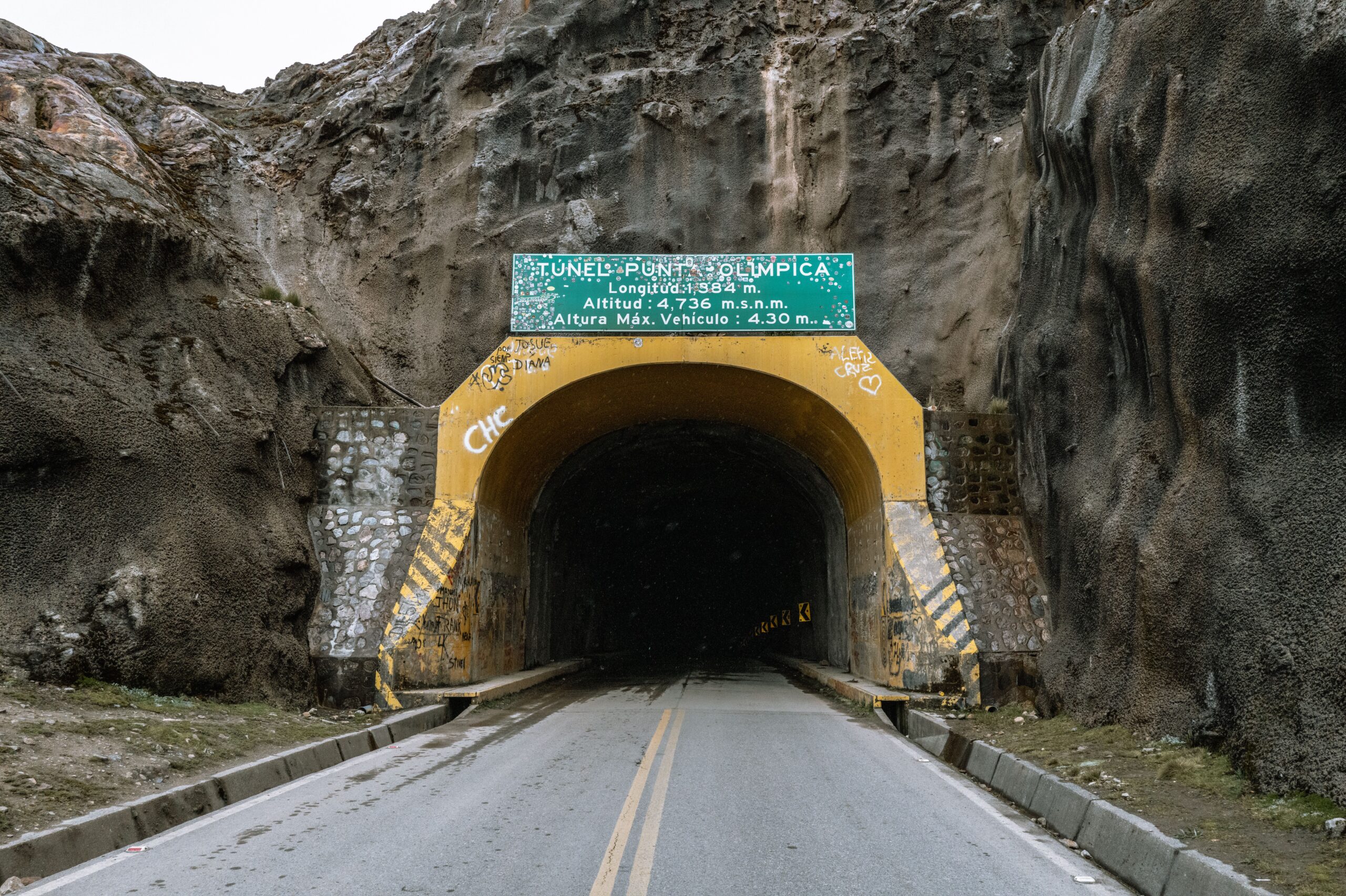
The Sikkim Tunnel Tragedy has shocked the nation after a landslide triggered a deadly gas leak inside an under-construction tunnel. The incident reportedly claimed the lives of 10 workers, while several others remained trapped underground. Rescue teams rushed to the site immediately and launched a large-scale operation to save the remaining workers. The accident raised fresh concerns about safety standards at major infrastructure projects in hilly regions.
Landslide Triggers Deadly Gas Leak
According to initial reports, the landslide occurred near the tunnel construction site during ongoing work. The shifting debris damaged sections of the tunnel and released hazardous gas inside the structure. As a result, workers found it difficult to escape. Many lost consciousness due to the lack of fresh air, while others became trapped behind fallen rocks and debris.
Moreover, emergency responders reached the location within a short time. They deployed heavy machinery and specialized rescue equipment to clear the blocked sections of the tunnel. However, difficult terrain and unstable conditions slowed the rescue operation.
Rescue Teams Continue Search Operation
National and state disaster response teams worked continuously to locate the trapped workers. Furthermore, medical teams remained on standby to provide immediate treatment to anyone rescued from the tunnel. Officials also arranged ambulances and emergency facilities near the accident site.
Rescue personnel faced several challenges throughout the operation. Loose rocks, damaged tunnel walls, and the presence of toxic gas created dangerous conditions. Therefore, authorities carefully monitored air quality before allowing rescue teams to move deeper into the tunnel.
Authorities Launch Investigation
Government officials expressed condolences to the families of the victims. They also announced a detailed investigation into the cause of the accident. Officials will examine whether construction companies followed all required safety guidelines and emergency procedures.
In addition, experts will inspect the tunnel’s ventilation system, gas detection equipment, and structural stability. The investigation aims to identify possible lapses and recommend measures to prevent similar incidents in the future.
Safety Concerns Grow After the Incident
The Sikkim Tunnel Tragedy has once again highlighted the risks associated with large infrastructure projects in mountainous regions. Construction experts believe that landslides, unstable geology, and poor ventilation can significantly increase workplace hazards. Consequently, they urged project authorities to strengthen safety inspections and improve emergency response systems.
Worker safety groups also called for regular safety drills, advanced monitoring technology, and stricter compliance with construction regulations. They stressed that protecting workers should remain the highest priority on every infrastructure project.
Nation Awaits Further Updates
The Sikkim Tunnel Tragedy continues to draw nationwide attention as rescue efforts remain underway. Authorities have assured the public that every possible resource is being used to locate the remaining workers. Meanwhile, families continue to wait anxiously for updates from the rescue teams. The tragedy serves as a reminder of the importance of strict safety standards, proper risk assessment, and effective disaster preparedness at construction sites across the country.