

U.S. Oil Tops $84 as Strait of Hormuz Deadlock Deepens
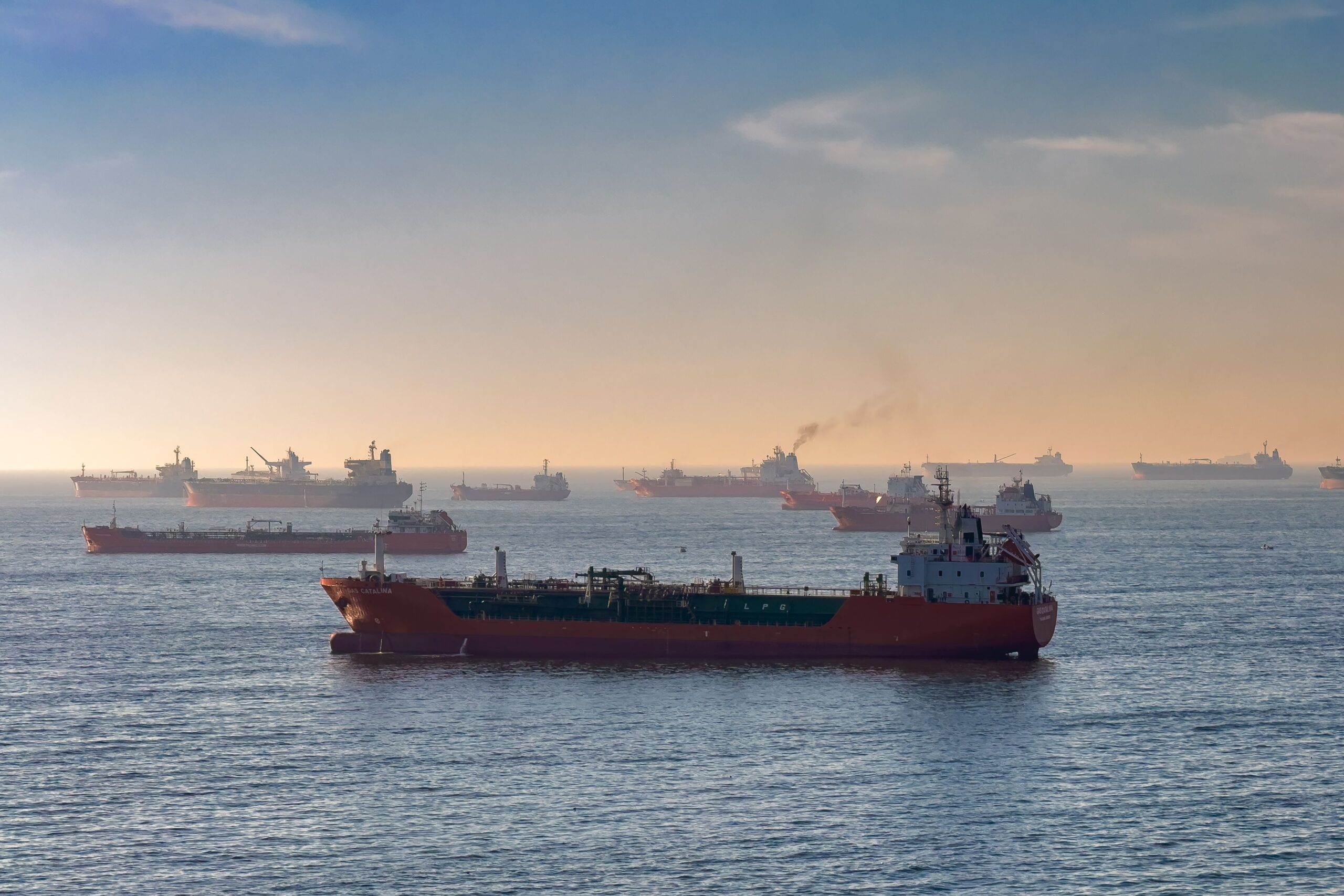
Oil Prices Rise as Hormuz Tensions Continue
Oil markets are once again facing intense pressure as uncertainty surrounding the Strait of Hormuz pushes crude prices higher.
The U.S. oil tops $84 development reflects growing concern that the strategic waterway could remain heavily restricted for longer than traders had expected.
West Texas Intermediate crude briefly climbed to around $84.61 a barrel on Tuesday before giving back some of its gains. Brent crude also moved sharply higher during the session, reaching around $90 before retreating.
The latest price movement shows how sensitive global energy markets remain to developments in the Middle East.
Investors are closely watching diplomatic efforts involving Oman and Iran, but expectations for an immediate resolution have weakened.
Strait of Hormuz Becomes the Main Market Focus
The Strait of Hormuz is one of the world’s most important energy shipping routes.
A large share of global oil and gas shipments normally passes through the waterway, making any disruption a major concern for energy markets.
The U.S. oil tops $84 rally is therefore closely connected to uncertainty over shipping conditions in the strait.
When vessels cannot move normally through the waterway, traders immediately begin assessing the possibility of tighter global supplies.
Even when physical supplies do not disappear immediately, the risk premium can push prices higher.
That is exactly what appears to be happening in the current market.
Diplomatic Talks Show Limited Progress
Diplomatic efforts have offered some hope, but progress remains uncertain.
Oman has been involved in discussions with Iran concerning the future of shipping through the Strait of Hormuz.
However, reports indicate that negotiations have not yet produced a substantive agreement capable of restoring normal traffic.
The U.S. oil tops $84 move reflects this lack of clarity.
Traders had hoped that diplomatic progress would quickly reduce the geopolitical premium built into crude prices.
Instead, uncertainty has remained high.
Reuters reported that oil prices reached their highest levels in more than a week before retreating as traders weighed the possibility of progress against continuing disruptions.
Why Oil Traders Are Nervous
Oil markets react quickly to potential supply disruptions.
When traders believe that fewer barrels could reach international markets, they often bid prices higher even before an actual shortage develops.
The U.S. oil tops $84 rally is a clear example of how geopolitical uncertainty can influence crude prices.
There is another important factor involved.
Shipping companies, insurers and energy traders must consider whether vessels can safely travel through affected areas.
Higher risks can increase insurance premiums and shipping costs.
Longer routes can also raise expenses because ships may need to avoid dangerous areas or wait for safer conditions.
Consequently, the impact of a maritime disruption can extend well beyond the price of crude itself.
Vessel Traffic Faces Serious Pressure
Commercial vessel traffic through the Strait of Hormuz has fallen sharply during the crisis.
Reuters reported that weekly oil exports through the waterway dropped to about 3 million barrels per day from around 4.4 million barrels per day.
The U.S. oil tops $84 situation is therefore not simply a financial-market reaction.
It is also connected to real changes in energy transportation.
When fewer vessels move through a major export route, buyers and sellers must find alternative ways to manage their supplies.
Some countries may rely more heavily on inventories, while others may seek alternative suppliers.
Meanwhile, oil producers and refiners must adjust their operations according to changing transportation conditions.
Impact on U.S. Consumers
Higher crude prices can eventually affect consumers in the United States.
The connection between crude oil and gasoline prices is not immediate, but sustained increases in oil prices can raise costs across the fuel supply chain.
The U.S. oil tops $84 development could therefore become important for American households if elevated prices continue.
Gasoline prices are influenced by several factors, including crude costs, refinery capacity, seasonal demand, taxes and distribution expenses.
However, crude remains one of the most important components.
If oil prices remain elevated for an extended period, consumers could face higher prices at gasoline stations.
That could put additional pressure on household budgets.
Inflation Concerns Return
The latest oil increase also comes at an important time for the U.S. economy.
Investors are already watching inflation closely because energy prices can influence transportation, manufacturing and consumer costs.
The U.S. oil tops $84 headline could therefore attract attention from economists and policymakers.
Higher fuel costs can increase expenses for airlines, trucking companies, shipping firms and manufacturers.
Those businesses may eventually pass part of the additional costs to consumers.
As a result, a prolonged energy shock could make it more difficult for inflation to decline.
Markets will consequently be watching upcoming economic data for signs that higher energy costs are beginning to affect broader prices.
Global Markets Remain Cautious
Oil is not the only market reacting to the Hormuz uncertainty.
Stock markets, currencies and government bonds can also respond to major changes in energy prices.
The U.S. oil tops $84 move has increased concerns about the broader economic consequences of the Middle East situation.
Higher oil prices can hurt industries that depend heavily on fuel.
Airlines are particularly sensitive because jet fuel represents a significant operating expense.
Transportation companies and manufacturers can also face higher costs.
At the same time, energy producers may benefit from higher crude prices.
This creates an uneven effect across financial markets.
Energy Companies Could Benefit
Oil producers generally benefit when crude prices rise because higher prices can increase revenue and improve profit margins.
The U.S. oil tops $84 trend could therefore support shares of major energy companies if elevated prices continue.
However, investors also need to consider the reason behind the price increase.
A geopolitical crisis can create uncertainty even for companies that benefit from higher oil prices.
Energy firms may also face higher insurance, transportation and operational costs if regional disruptions become more severe.
Therefore, the market reaction is unlikely to be identical across the entire energy sector.
The Role of Global Oil Inventories
Oil inventories are another important factor for the market.
When supplies are disrupted, countries and companies can use existing inventories to reduce the immediate impact.
However, inventories are not unlimited.
The U.S. oil tops $84 rally could become more significant if disruptions continue long enough to reduce available stockpiles.
Strategic petroleum reserves can provide additional protection in some countries.
Yet releasing emergency supplies does not permanently solve a transportation problem.
The market ultimately needs reliable production and safe shipping routes.
For that reason, traders are paying close attention to both inventory levels and developments around the Strait of Hormuz.
Alternative Supply Routes Face Limits
Some oil producers have alternative pipelines and export routes that can bypass the Strait of Hormuz.
However, these routes cannot always replace the enormous volumes normally transported through the waterway.
The U.S. oil tops $84 situation highlights the importance of these logistical limitations.
Even if alternative routes operate at full capacity, they may not have enough room to compensate for a prolonged disruption.
This is why the Strait of Hormuz remains such a powerful influence on global energy prices.
The market is not only concerned about production.
It is concerned about whether that production can physically reach buyers.
Shipping Costs Could Remain Elevated
Another concern is the cost of transporting energy products.
When geopolitical risks rise, shipping companies may demand higher rates to compensate for increased danger.
Insurance companies can also raise premiums.
The U.S. oil tops $84 development could therefore be accompanied by higher transportation costs across the energy market.
Those costs can eventually affect importers and consumers.
Longer shipping routes may also increase fuel consumption and delivery times.
Consequently, even countries far away from the Middle East can feel the effects of disruptions in the region.
Asia Faces Major Energy Risks
Asian economies are particularly important in this story because several major energy consumers depend heavily on oil and gas shipments from the Gulf.
Countries such as China, India, Japan and South Korea closely monitor developments in the region.
The U.S. oil tops $84 rally could create additional challenges for economies that rely heavily on imported energy.
Higher crude prices can increase import bills and put pressure on national currencies.
For developing economies, that can create additional inflationary pressure.
Governments may therefore need to balance energy security with efforts to protect consumers from rapidly rising fuel costs.
What Traders Are Watching Next
Markets are now focused on several important developments.
The first is whether diplomatic discussions can produce a workable agreement for shipping through the Strait of Hormuz.
The second is whether vessel traffic begins to recover.
The U.S. oil tops $84 move could reverse quickly if traders receive convincing evidence that the shipping situation is improving.
On the other hand, prices could rise further if negotiations fail or maritime disruptions become worse.
Traders will also monitor production from major oil-producing countries.
Any unexpected decline in production could add further pressure to an already sensitive market.
Oil Volatility Is Likely to Continue
The current market demonstrates how quickly crude prices can change.
Oil prices have moved sharply in response to developments involving the Strait of Hormuz and U.S.-Iran relations.
The U.S. oil tops $84 headline may therefore not represent the final direction of the market.
Prices could move significantly higher if the crisis deepens.
Conversely, successful diplomatic progress could remove part of the geopolitical premium and send prices lower.
This uncertainty makes crude particularly difficult to forecast.
Investors are likely to remain sensitive to every major statement from governments and negotiators.
What Higher Oil Prices Mean for the Economy
Sustained oil prices above $80 can have broad economic consequences, although the impact depends on how long they remain elevated.
The U.S. oil tops $84 development becomes more important if prices remain high for several weeks or months.
Businesses may face higher transportation and production costs.
Consumers could spend more on gasoline and heating fuels.
Central banks may also have to consider whether energy-driven inflation is temporary or becoming more persistent.
At the same time, higher oil revenues can benefit producing countries and energy companies.
Therefore, the economic effects are not evenly distributed.
The Federal Reserve May Also Be Watching
U.S. monetary policy could become another area of interest if oil prices remain elevated.
The Federal Reserve does not directly control energy prices, but policymakers monitor inflation trends when making interest-rate decisions.
The U.S. oil tops $84 move could become relevant if higher fuel costs begin affecting broader inflation measures.
A temporary increase in crude prices may not change the central bank’s outlook significantly.
However, a prolonged energy shock could complicate the inflation picture.
Investors will therefore examine upcoming inflation and economic data for evidence of second-round effects.
A Delicate Balance for the Oil Market
The oil market is currently balancing two competing forces.
On one side is the risk of supply disruption caused by uncertainty around the Strait of Hormuz.
On the other side are concerns about global economic growth and oil demand.
The U.S. oil tops $84 rally shows that geopolitical risk is currently dominating market sentiment.
However, if economic growth weakens, demand could eventually slow.
That could limit how high prices can rise even if shipping disruptions continue.
This balance will be crucial for the market over the coming weeks.
What Happens If the Deadlock Continues?
A prolonged deadlock would likely keep a significant risk premium in oil prices.
The U.S. oil tops $84 situation could become even more important if commercial shipping remains restricted.
Energy companies could increase efforts to secure alternative supplies.
Governments may also consider emergency measures to protect fuel availability.
Meanwhile, traders would likely continue watching inventories and shipping data closely.
If disruptions last for an extended period, the consequences could spread from energy markets into transportation, manufacturing and consumer spending.
That would make the Hormuz crisis an increasingly important global economic issue.
What Could Bring Oil Prices Down?
A clear diplomatic agreement could quickly change market sentiment.
If Iran and its negotiating partners reach an arrangement that allows shipping to return to normal, traders could begin removing the geopolitical premium from crude prices.
The U.S. oil tops $84 rally could then lose momentum.
Higher vessel traffic would also provide evidence that physical supply disruptions are easing.
In addition, increased production from other oil-producing regions could help balance the market.
However, these developments would need to be sustained before traders become fully confident that the crisis has passed.
Conclusion
The U.S. oil tops $84 story is a powerful reminder of how important the Strait of Hormuz remains to the global energy system.
Oil prices have climbed as traders assess the possibility that shipping disruptions could continue and diplomatic efforts may take longer to produce results.
The U.S. oil tops $84 move also carries wider economic implications.
Higher crude prices can increase fuel costs, raise transportation expenses and complicate the fight against inflation.
For now, markets remain focused on diplomatic negotiations, vessel traffic and developments across the Middle East.
The U.S. oil tops $84 rally could continue if uncertainty deepens, but prices could also retreat quickly if traders see credible evidence of a reopening.
Ultimately, the direction of oil prices will depend on whether the Strait of Hormuz returns to more normal operating conditions.
Until that happens, energy markets are likely to remain highly sensitive to every diplomatic statement, shipping update and geopolitical development.
For investors, businesses and consumers, the key question is no longer simply where oil prices are today.
It is how long the disruption will last and whether the global energy system can absorb the pressure without creating a much broader economic shock.
Nvidia $500B AI Financing: Wall Street Giants Join Nvidia In A Massive $500B AI Financing Push

