
US Air Force Strikes Iran For The 13th Consecutive Night As Middle East Conflict Deepens
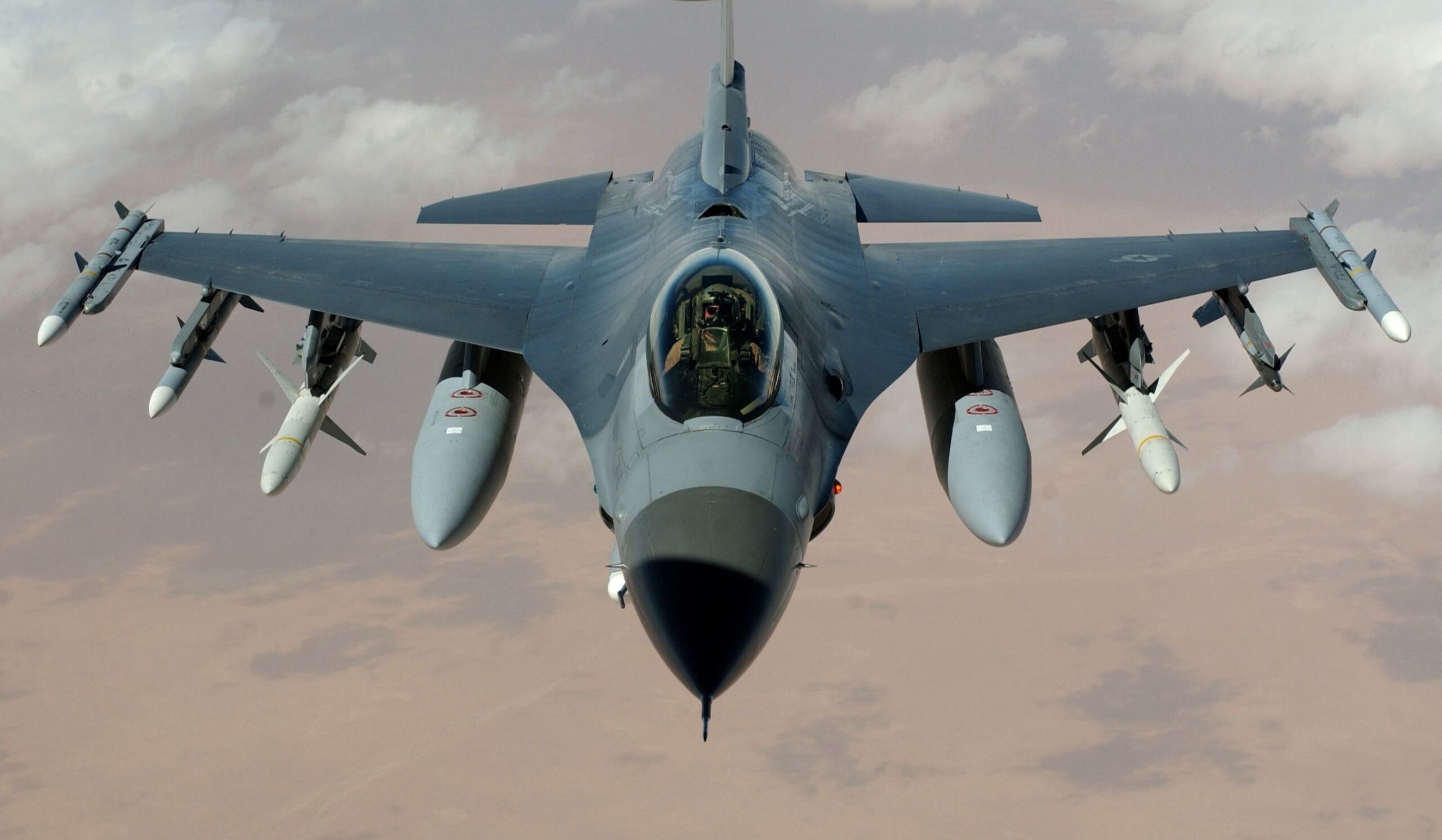
US Air Force strikes Iran: The Middle East conflict has escalated to a highly dangerous level following intense American military actions in the region. The United States Central Command (US CENTCOM) has confirmed that the US Air Force successfully executed its 13th consecutive night of airstrikes inside Iran. According to official military briefings, these coordinated aerial operations heavily targeted Houthi operational bases, drone assembly facilities, and critical missile launch sites. This relentless bombardment marks the longest continuous American air campaign against regional assets in recent history.
Strategic Infrastructure Targeted in Midnight Raids
The latest wave of precision strikes focused on neutralizing underground storage depots and command centers. Stealth bombers and multi-role fighter jets launched long-range munitions to bypass regional air defense systems completely. Consequently, multiple loud explosions were reported across key strategic sectors, causing significant damage to hostile military infrastructure.
Furthermore, US CENTCOM released a public statement justifying the continuous military intervention. The Pentagon emphasized that these strikes are absolutely necessary to protect international shipping lanes in the Red Sea. Because hostile groups have repeatedly ignored diplomatic warnings, the US military intends to systematically dismantle their offensive capabilities. Therefore, the operations will likely continue until maritime safety is fully restored.
Deepening Crisis Threatens Regional Stability
This unprecedented 13-day campaign has triggered massive geopolitical shockwaves across the globe. International diplomats are warning that direct strikes on sovereign territory could provoke a full-scale regional war. While the US maintains its actions are purely defensive, regional leaders have strongly condemned the nightly bombardments as a violation of international law.
Additionally, the timing of these strikes has severely complicated ongoing global peace negotiations. For that reason, several allied nations have urged both sides to practice maximum restraint to avoid a catastrophic military spillover. Meanwhile, intelligence reports suggest that regional forces are actively reinforcing their defensive lines in anticipation of further escalations.
Global Economic and Energy Market Impact
The continuous US Air Force strikes on Iran have sent panic through international financial networks. Because the conflict is centered near vital oil transit routes, global energy markets are experiencing extreme price volatility.
- Crude Oil Prices: Brent crude has surged rapidly as traders fear sudden supply disruptions.
- Shipping Insurance: Maritime insurance rates for commercial ships have hit historic highs.
- Stock Markets: Major global stock indices opened lower due to rising geopolitical risks.
Consequently, multinational corporations are altering their shipping paths, which adds weeks to standard global supply chain timelines.
What Lies Ahead for the Conflict?
The international community is watching the unfolding crisis with deep anxiety. The White House has indicated that it is prepared to sustain this military pressure for as long as necessary. On the other hand, regional factions have vowed to retaliate, raising the risk of asymmetric drone and missile attacks against Western assets.
In conclusion, the 13th consecutive night of American airstrikes signifies a permanent shift in Western military strategy. Until a concrete diplomatic channel is opened, the risk of a broader international conflict remains dangerously elevated.
Global Crude Oil Prices Spike Past $100 Per Barrel Amid Escalating Middle East Tensions