US Imports Hit Historic High as Businesses Stockpile Goods Ahead of Tariffs
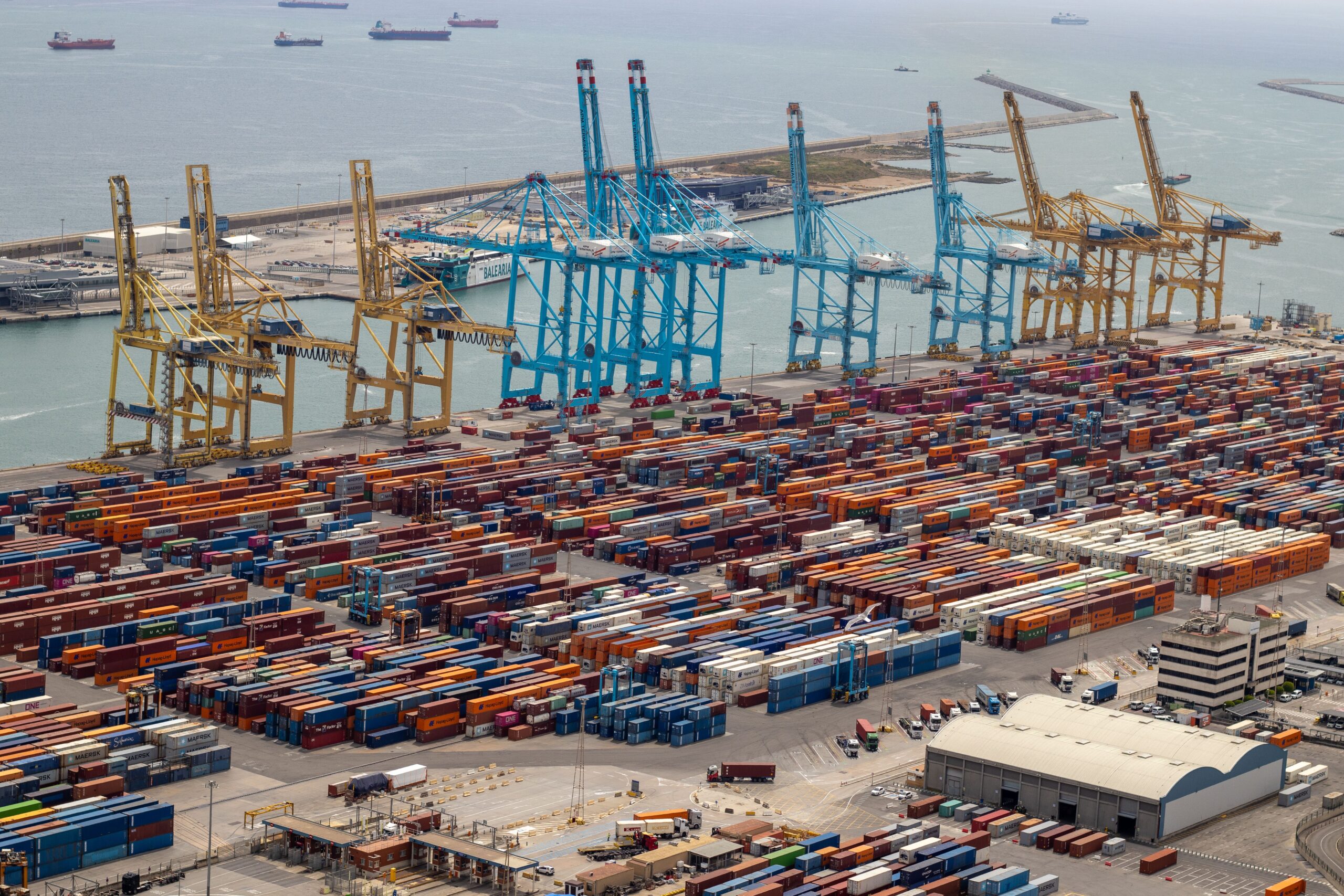
The United States recorded a dramatic increase in imports as businesses rushed to bring goods into the country ahead of expected tariffs. US imports jumped 10% in January 2025 to $401.2 billion, marking a major increase that highlighted how companies were attempting to protect themselves from higher costs linked to new trade measures. The sharp rise in imports also contributed to a record U.S. trade deficit of $131.4 billion for the month, showing how tariff expectations were already influencing business decisions and international trade flows.
The latest figures provide an important look at how companies respond when governments announce major changes to trade policy. Instead of waiting for tariffs to take effect, many businesses chose to accelerate purchases from overseas suppliers. Consequently, products that might normally have arrived in later months were brought into the United States earlier, allowing companies to build inventories before additional import costs potentially took effect.
US Imports Rise Sharply as Companies Prepare for Tariffs
The increase in US imports was not simply a reflection of stronger consumer demand. A significant part of the surge was connected to companies trying to get ahead of anticipated tariffs.
Businesses had to consider the possibility that imported products, components and raw materials could become more expensive once new duties were introduced.
Therefore, companies faced a straightforward calculation. If tariffs were likely to increase the cost of imported goods in the near future, purchasing and shipping products earlier could reduce the impact on future expenses.
This encouraged importers to place larger orders and bring merchandise into the country before the new tariff structure became fully effective.
The $401.2 billion January import figure demonstrated the scale of that response. Compared with December, US imports increased by around $37 billion, while the year-over-year increase was also substantial. The jump was broad enough to affect several categories of goods, including consumer products, capital goods and industrial supplies.
Why Businesses Started Stockpiling Inventory
Inventory management is an important part of running a business, particularly for companies that depend heavily on international suppliers. When businesses expect costs to rise, they often try to purchase products before the increase occurs.
In this case, tariff uncertainty created an incentive to stockpile merchandise. Companies could potentially avoid some of the higher costs by purchasing goods under the existing trade rules and storing them until they were needed.
This strategy can be particularly attractive for businesses that have sufficient warehouse capacity and predictable demand. For example, a retailer that expects to sell thousands of products over several months may decide to import those products earlier if it believes future shipments will be subject to higher tariffs.
As a result, US imports can rise sharply even when underlying consumer demand has not increased by the same amount. The imported products may simply be arriving earlier than they otherwise would have.
The same behavior has been observed during other periods of tariff uncertainty. Businesses frequently try to front-load imports when they believe new duties could make products more expensive.
The Federal Reserve has identified frontloading as one factor that can contribute to differences between announced tariff rates and the actual tariff burden faced by importers.
Record Trade Deficit Highlights the Impact
The rise in US imports had an immediate effect on America’s trade balance.
The U.S. goods trade deficit reached approximately $131.4 billion in January, setting a new monthly record. Imports climbed while exports increased much more slowly, creating a significant gap between the value of goods entering and leaving the country.
A trade deficit occurs when a country imports more goods and services than it exports. Although trade deficits are not automatically a sign of economic weakness, a sudden increase can have important implications for economic growth and financial markets.
In this situation, the trade deficit was closely connected to companies bringing goods into the country earlier than usual. Consequently, the January trade figures offered a snapshot of how tariff expectations were affecting corporate behavior.
US imports therefore became an important economic indicator during the period because the numbers showed that businesses were actively adjusting their supply chains before new trade costs were introduced.
Pharmaceuticals Become a Major Part of the Import Surge
One of the most notable areas of the January increase was pharmaceutical products.
According to reports, pharmaceutical imports rose sharply, with a large increase in products coming from Ireland. The jump suggested that pharmaceutical companies and related businesses were among those bringing products into the United States ahead of potential tariff changes.
Pharmaceutical products are particularly sensitive to trade policy because many medicines, ingredients and specialized products are manufactured internationally. Supply chains in the pharmaceutical industry can also be complicated, with production taking place across multiple countries.
Therefore, companies cannot always change suppliers quickly. Building inventory ahead of potential tariffs can provide businesses with additional time to adjust their supply chains.
The pharmaceutical increase also showed that tariff-related stockpiling was not limited to consumer electronics, clothing or household products. Instead, it could affect strategically important industries that depend on international production networks.
Capital Goods and Industrial Products Also Increase
US imports of capital goods and automotive-related products also contributed to the broader increase.
Capital goods include products such as machinery, equipment and other items used by businesses to produce goods and services. These imports can be especially important for companies planning investments or expanding production capacity.
If tariffs are expected to raise the price of imported machinery or components, businesses may choose to purchase equipment earlier. In the short term, this can increase import volumes.
However, it can also make future investment decisions more complicated because companies may have already accelerated purchases.
Automotive parts are another important example. Modern vehicle production depends on international supply chains, with components often crossing borders multiple times before a finished vehicle reaches consumers.
Consequently, tariff uncertainty can encourage manufacturers to secure components before new duties become applicable. This can temporarily push US imports higher even if vehicle demand remains relatively stable.
Tariffs Create a Different Kind of Business Pressure
Tariffs are taxes placed on imported goods, and importers are generally responsible for paying the duties to U.S. Customs. Businesses may then decide whether to absorb those costs, reduce margins, renegotiate with suppliers or pass some of the additional expense to customers.
That creates uncertainty for companies.
If a business expects a significant tariff increase, it may prefer to bring inventory into the country before the new rate takes effect. This is one reason US imports can rise rapidly before a major tariff announcement or implementation date.
However, stockpiling also carries risks.
Companies have to pay for inventory before they sell it. They may also need additional warehouse space, insurance and financing. If demand falls unexpectedly, businesses could be left holding excess inventory.
Therefore, companies must balance the potential savings from avoiding tariffs against the costs and risks associated with carrying more inventory.
The Effect on American Consumers
The import surge could eventually affect American consumers as well.
Businesses that successfully purchased goods before tariffs were introduced may have some inventory available at lower costs. This could temporarily reduce the immediate impact of higher import duties.
However, once that inventory is sold, companies may need to replenish their supplies at higher prices if tariffs remain in place.
At that point, businesses could face difficult choices. Some may accept lower profit margins, while others could increase prices. Still others could look for alternative suppliers in countries that face lower tariff rates.
As a result, the long-term impact of the import surge depends heavily on how businesses adjust after the initial stockpiling period ends.
The experience also demonstrates why US imports are closely watched by economists and policymakers. Import data can reveal not only consumer demand but also changes in corporate strategy, inventory management and expectations about future costs.
Tariff Uncertainty Can Reshape Supply Chains
The surge in US imports also highlights a broader issue: tariffs can influence supply chains even before they officially take effect.
Businesses need certainty when making long-term purchasing and production decisions. When tariff policies change rapidly, companies may respond by changing suppliers, increasing inventories or moving production to different countries.
In previous tariff episodes, the United States International Trade Commission found that tariffs affected import volumes, domestic production and prices in industries covered by major trade measures.
That means the effects of tariffs can extend beyond the initial tax collected at the border.
Companies may redesign their supply chains, negotiate new contracts and search for alternative manufacturing locations. Over time, these changes can influence production costs and consumer prices.
The January increase in US imports was therefore more than a single month’s trade statistic. It was evidence that businesses were already responding to changing expectations about international trade.
What Happens After the Stockpiling Period?
The major question for economists is what happens after businesses finish building their inventories.
If companies have already imported large quantities of products, future import volumes could temporarily slow. Businesses may spend several weeks or months selling the merchandise already sitting in warehouses before placing new orders.
Consequently, a sharp rise in US imports can sometimes be followed by a noticeable decline.
This creates a challenge for economists trying to determine the underlying strength of the American economy. A sudden increase in imports does not necessarily mean domestic demand has become dramatically stronger. Instead, some of the increase may simply reflect a shift in timing.
The same is true in reverse. A later decline in imports does not automatically mean consumers have stopped buying products. Businesses may simply be using inventory purchased earlier.
Therefore, economists often examine several months of trade data rather than relying on one monthly report.
Impact on U.S. Economic Growth
The import surge can also affect economic growth measurements.
Imports are subtracted from gross domestic product calculations because GDP measures domestic production. When imports rise sharply, they can create a drag on headline economic growth even when the goods are being purchased to meet strong domestic demand.
That dynamic became particularly important during the tariff-related import surge. Businesses were bringing large amounts of merchandise into the United States, but the increase in imports did not necessarily represent an equivalent increase in domestic production.
In fact, reports indicated that the deterioration in the trade balance was expected to weigh on first-quarter economic growth during the period.
This shows why trade statistics need to be interpreted carefully. A record level of US imports can be a sign of strong demand, but it can also indicate that businesses are attempting to protect themselves from future policy changes.
What the Import Surge Means for Markets
Financial markets closely monitor trade data because imports, exports and tariffs can affect corporate profits, inflation and economic growth.
Companies with large international supply chains are particularly sensitive to changes in import costs. Higher tariffs can increase expenses for manufacturers and retailers, potentially reducing profit margins.
At the same time, companies that produce goods domestically may benefit from reduced competition from imported products if tariffs make foreign goods more expensive.
However, the overall economic impact is more complicated because many American manufacturers rely on imported components and raw materials.
Therefore, even businesses that sell products made in the United States can be affected by higher import costs.
The January figures showed that US imports were being influenced by corporate expectations about tariffs long before all of the potential effects became visible in consumer prices.
A Warning Sign for Future Trade Data
The sharp increase in US imports also serves as a warning that future trade data could remain volatile.
When companies respond collectively to tariff deadlines, import activity can become concentrated into specific months. One month may show an unusually large increase, while another may record a significant decline.
This makes it difficult to identify the underlying trend.
For businesses, however, the message is relatively clear. Trade policy can have immediate effects on purchasing decisions, even before tariffs are fully implemented.
For policymakers, the situation is more complicated. If companies rush to import goods before tariffs, the short-term increase in imports can widen the trade deficit rather than reduce it.
That is exactly what happened during this period, as businesses attempted to minimize the expected cost of new trade measures.
Conclusion
The jump in US imports to $401.2 billion in January represented a significant moment for the American economy and highlighted the powerful influence of tariff expectations on corporate behavior. Imports increased 10% as businesses accelerated purchases, stocked warehouses and attempted to bring goods into the country before higher tariffs could raise costs.
The resulting record trade deficit demonstrated the scale of the response. Pharmaceutical products, capital goods, automotive components and other categories all contributed to the increase, showing that tariff-related stockpiling was affecting a wide range of industries.
However, the rise in US imports should not automatically be interpreted as evidence of an equally strong increase in underlying demand. Much of the activity reflected timing, with businesses bringing future purchases forward to avoid potential additional costs.
Going forward, economists will watch whether import growth slows after companies work through their accumulated inventories. They will also monitor consumer prices, corporate margins, supply-chain adjustments and future trade policies.
Ultimately, the import surge illustrates how quickly businesses can respond when major changes in trade policy are expected. Companies were willing to spend billions of dollars and build inventories because they believed waiting could become more expensive.
As tariff policies continue to influence global commerce, US imports will remain an important economic indicator. The January surge showed that businesses can reshape international trade flows long before the full economic impact of tariffs becomes visible, making import data an essential measure of how American companies are responding to a rapidly changing global trade environment.