
US-Iran Escalation Deepens as Strait of Hormuz Tensions Trigger Global Energy Concerns
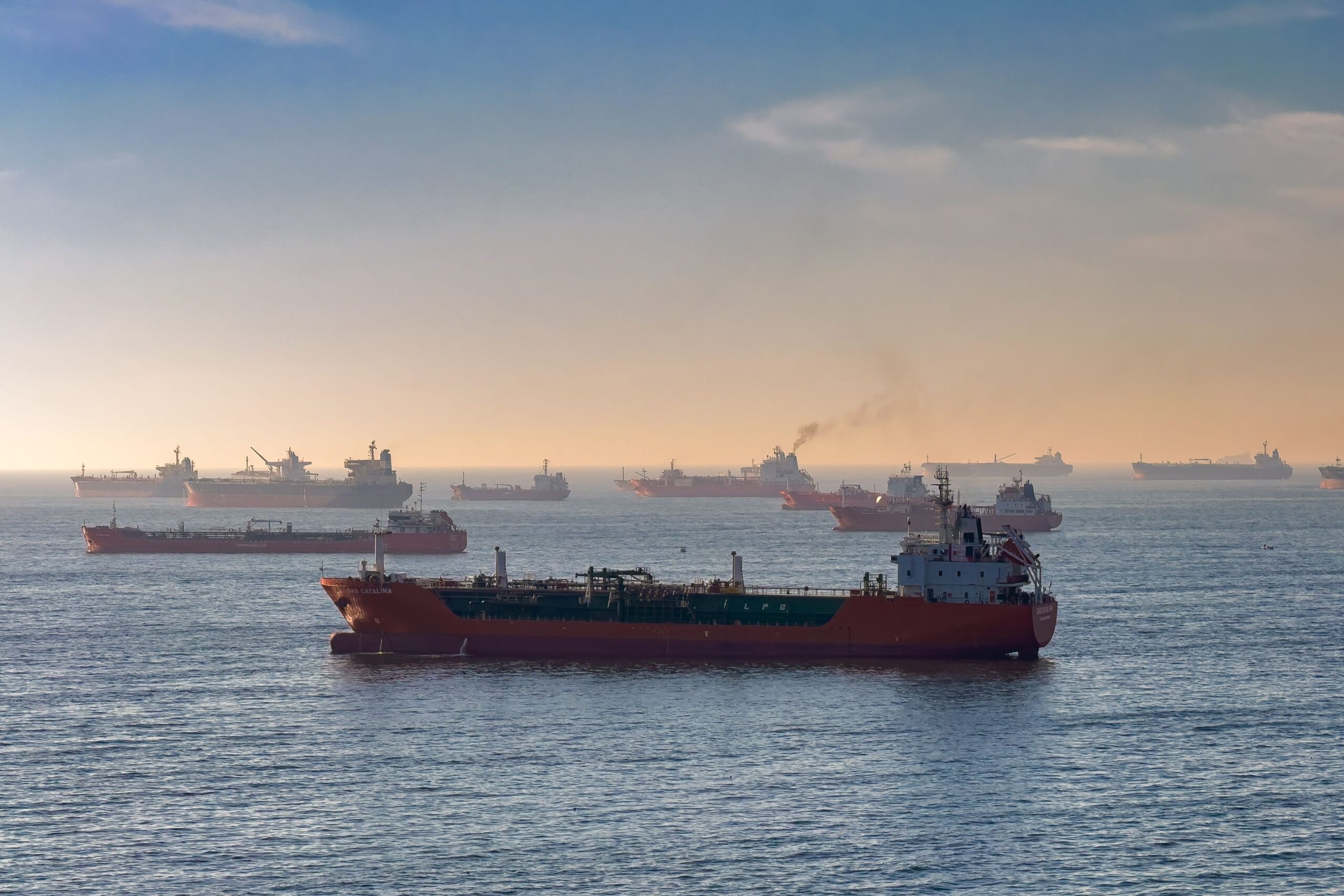
The US-Iran Escalation has entered its 11th consecutive day as military strikes continue around the strategically important Strait of Hormuz. The prolonged conflict has raised serious concerns among global leaders, energy markets, and shipping companies. Moreover, analysts warn that continued instability in the region could disrupt international oil supplies and increase fuel prices worldwide. Governments are closely monitoring the situation while urging both sides to reduce tensions through diplomatic efforts.
Military Tensions Continue Near the Strait of Hormuz
The Strait of Hormuz remains one of the world’s busiest energy shipping routes. Every day, millions of barrels of crude oil and petroleum products pass through this narrow waterway. Therefore, any military activity in the region immediately attracts global attention.
Reports indicate that both the United States and Iran have continued military operations in and around the strategic area. Consequently, commercial shipping companies have increased security measures for vessels passing through the region. Several international organizations have also advised ships to remain alert while navigating nearby waters.
Global Energy Markets Face Fresh Uncertainty
The ongoing US-Iran Escalation has created uncertainty in global energy markets. Investors fear that prolonged conflict could interrupt oil exports from the Gulf region. As a result, international crude oil prices have experienced increased volatility.
Furthermore, energy experts believe that even limited disruptions could affect fuel supplies across several countries. Nations that depend heavily on imported crude oil may experience higher transportation and manufacturing costs. Therefore, businesses and consumers continue to watch developments closely.
Governments Call for Diplomatic Solutions
Several countries have appealed for restraint and peaceful dialogue between the two nations. Moreover, international leaders stressed the importance of maintaining stability in the Middle East to protect global trade and energy security.
Diplomatic channels remain active as governments seek to prevent further escalation. However, officials acknowledge that the situation remains highly sensitive. Any additional military action could increase regional instability and create broader economic challenges.
Shipping Industry Strengthens Security Measures
Shipping companies have taken additional precautions due to the ongoing conflict. In addition, some operators have reviewed sailing schedules and increased surveillance around vessels traveling through the Strait of Hormuz.
Maritime security agencies continue to monitor the region around the clock. Consequently, shipping firms are working closely with international authorities to ensure the safety of crew members and cargo. Industry experts believe that secure shipping routes remain essential for maintaining global trade.
Global Economy Watches the Situation Closely
The US-Iran Escalation continues to influence financial markets, energy prices, and international trade. Investors remain cautious as uncertainty persists. Meanwhile, governments are preparing contingency plans to address possible disruptions in fuel supplies if tensions continue.
Although diplomatic efforts are ongoing, the coming days will remain crucial. Global markets, energy companies, and policymakers are expected to monitor every development carefully. The evolving situation highlights the importance of regional stability, secure trade routes, and continued international cooperation to reduce the risk of a wider conflict.