

US Stock Market Makes Powerful Rebound as Tech Rout Eases Amid Rising Yields
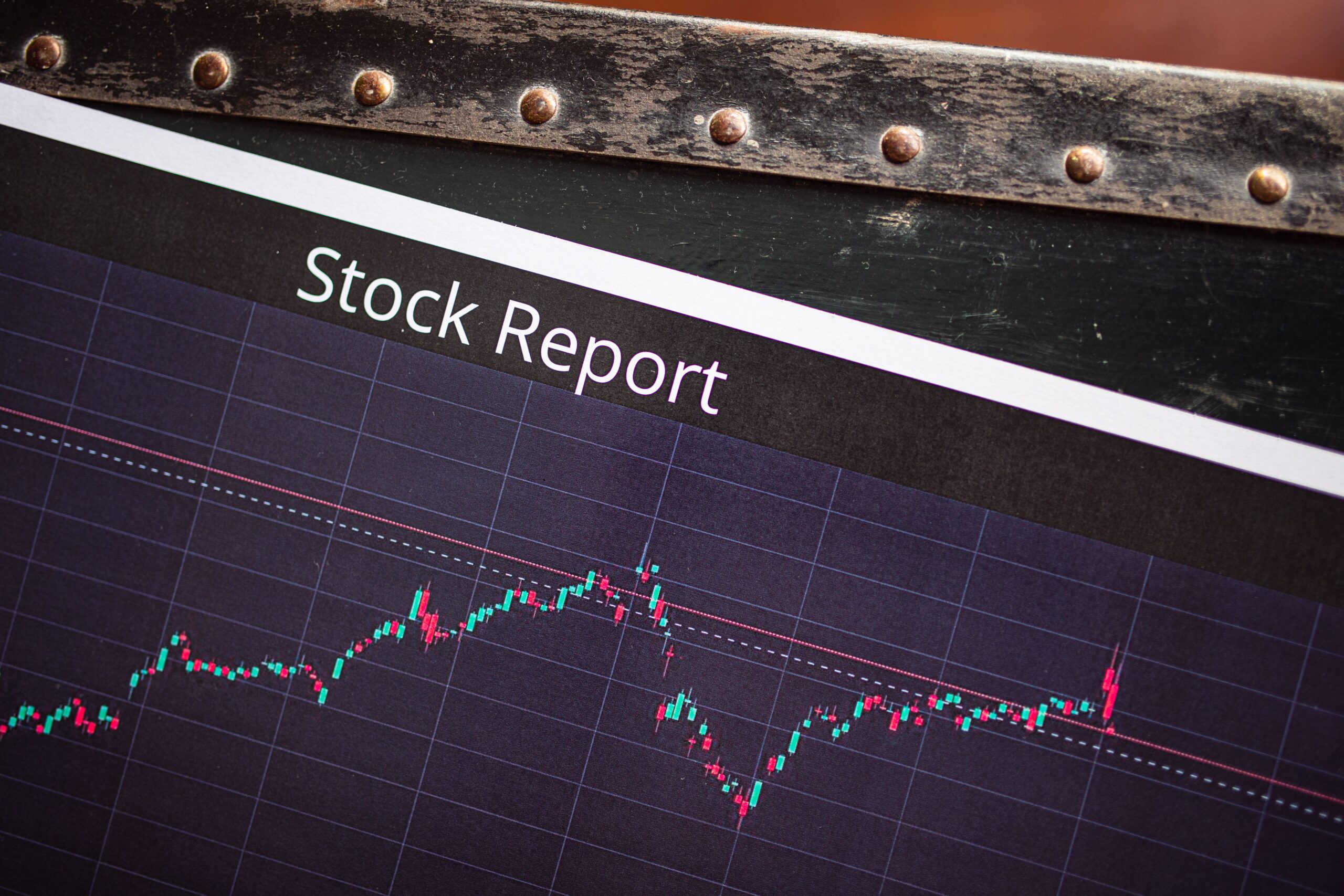
US Stock Market Stabilizes After a Sharp Technology Selloff
The US Stock Market showed signs of stability on Wednesday, August 19, after a technology-led selloff in the previous session unsettled investors and pushed major indexes lower. The recovery attempt came as pressure in the U.S. Treasury market eased, although investors remained cautious about elevated borrowing costs, oil prices and renewed concerns surrounding technology valuations. According to Reuters, U.S. stock index futures were steady on Wednesday after technology shares suffered a sharp decline in the previous session.
The latest movement in the US Stock Market follows a difficult trading session on Tuesday, when the Dow Jones Industrial Average fell 0.22%, the S&P 500 declined 0.69% and the Nasdaq dropped 1.33%. Technology stocks led the decline, while the PHLX Semiconductor Index suffered a particularly heavy loss of around 5%.
Investors are now looking for signs that the selloff was temporary rather than the beginning of a deeper correction. At the same time, however, the US Stock Market remains sensitive to changes in Treasury yields because higher long-term borrowing costs can reduce the appeal of riskier assets, particularly high-growth technology companies.
US Stock Market Faces Pressure From Rising Treasury Yields
One of the biggest concerns for the US Stock Market has been the sharp rise in long-term Treasury yields. The yield on the 30-year U.S. Treasury climbed to around 5.337% on Tuesday, reaching its highest intraday level since 2007. By Wednesday, the yield had eased to roughly 5.27%, giving investors some relief after the previous day’s bond-market selloff.
The movement is important because Treasury yields influence borrowing costs throughout the economy. When yields rise, companies generally face higher financing costs, while investors may demand greater returns before buying stocks. Furthermore, higher yields can make government bonds more attractive compared with equities, especially when stock valuations are already elevated.
For the US Stock Market, this relationship is particularly important for technology companies. Many technology businesses are valued partly on expectations of strong earnings growth far into the future. When interest rates and bond yields rise, the present value of those future earnings becomes less attractive. As a result, investors can quickly reduce their exposure to growth stocks.
Reuters reported that rising Treasury yields have been driven by several factors, including government borrowing needs, inflation concerns, solid economic activity and weaker foreign demand for U.S. government debt.
US Stock Market and the Technology Sector
Technology shares have become one of the most important parts of the US Stock Market, which means weakness in the sector can have an outsized effect on major indexes. Semiconductor companies were among the biggest casualties during Tuesday’s trading session, as investors reassessed the outlook for technology spending and the cost of financing large artificial intelligence projects.
The semiconductor sector has attracted enormous amounts of capital because of the rapid expansion of artificial intelligence infrastructure. However, the same investment boom has also raised questions about valuations, capital expenditure and how quickly companies will generate returns from those investments.
When Treasury yields move sharply higher, investors tend to become more selective. Consequently, companies with high valuations and large future growth expectations can experience greater volatility. This dynamic was visible during Tuesday’s session, when chip stocks fell heavily and the Nasdaq recorded the largest decline among the major U.S. benchmarks.
Still, the US Stock Market has not shown the type of broad financial stress that would automatically suggest a major economic downturn. Other parts of the market have remained comparatively resilient, and investors continue to monitor corporate earnings for evidence that businesses can absorb higher borrowing costs.
US Stock Market Watches the Federal Reserve
Another major focus for the US Stock Market is the Federal Reserve. Investors are waiting for the minutes of the Federal Open Market Committee’s July meeting, which are scheduled to provide additional information about policymakers’ thinking on inflation, interest rates and the economic outlook.
The Fed’s future policy direction is especially important because financial markets are attempting to determine how long interest rates may remain restrictive. If investors believe inflation will remain elevated, expectations for easier monetary policy could be pushed further into the future. Conversely, signs that inflation is cooling could help reduce pressure on Treasury yields.
The US Stock Market therefore remains caught between two competing forces. On one side, investors have benefited from economic resilience and strong corporate earnings. On the other side, higher yields and inflation risks are creating a tougher environment for companies and consumers.
Market participants are also watching oil prices closely. Rising energy costs can increase inflationary pressure and make it more difficult for central banks to reduce interest rates. Recent geopolitical tensions have added another layer of uncertainty, keeping crude prices elevated and contributing to concerns about the broader economic outlook.
US Stock Market Reacts to Global Bond Market Turmoil
The recent weakness in the US Stock Market cannot be viewed separately from developments in international bond markets. Government bond yields have moved higher across several major economies, reflecting concerns about inflation, government borrowing and fiscal sustainability.
Reuters reported that long-term borrowing costs in the United States, Germany and Japan reached multi-year or multi-decade highs during Tuesday’s global bond selloff.
This global bond movement matters because government bonds form the foundation of financial markets. When yields rise sharply, investors around the world reassess the relative attractiveness of stocks, corporate bonds, currencies and other assets.
For the US Stock Market, a more stable Treasury market could therefore be an important first step toward restoring investor confidence. On Wednesday, the U.S. long-term Treasury yield steadied after reaching its highest level in nearly two decades, suggesting that the most intense phase of the recent bond selloff may have temporarily eased.
However, stabilization does not necessarily mean that the risk has disappeared. Investors are likely to remain highly responsive to new inflation data, government borrowing announcements, oil prices and Federal Reserve signals.
US Stock Market and Investor Sentiment
Investor sentiment has become more cautious after several sessions of weakness. The US Stock Market had entered the recent period with strong valuations, particularly in large technology companies. Therefore, even relatively modest changes in interest-rate expectations can trigger significant movements.
The Nasdaq’s 1.33% decline on Tuesday highlighted this sensitivity. The S&P 500 also fell, while the Dow experienced a smaller decline, showing that the pressure was concentrated more heavily in technology and growth-oriented shares.
Nevertheless, investors are not abandoning U.S. equities altogether. Instead, many appear to be reassessing which companies and sectors are best positioned to perform in an environment of higher yields.
That shift could benefit companies with strong balance sheets, reliable cash flows and less dependence on cheap financing. At the same time, banks and some defensive sectors may receive greater attention if investors continue to rotate away from expensive growth stocks.
The US Stock Market could therefore experience greater differentiation between sectors rather than a uniform decline across all equities.
US Stock Market Looks Toward Corporate Earnings
Corporate earnings are another important factor supporting the US Stock Market. Investors are watching retail and technology-related companies for evidence of how businesses are handling tariffs, consumer spending, inflation and higher financing costs.
Retail earnings are particularly useful because they provide a direct view of household demand. On Wednesday, several major retailers were in focus, with investors examining revenue growth, profit margins and management guidance.
Strong earnings could help stabilize equities because they demonstrate that companies are still capable of generating profits despite challenging financial conditions. Weak guidance, however, could increase pressure on stocks if businesses warn that higher costs or weaker demand are affecting future results.
The US Stock Market is also paying attention to the artificial intelligence investment cycle. Investors want to see whether the enormous spending on data centers, semiconductors and related infrastructure will translate into sustainable revenue and profits.
If earnings growth continues to justify technology valuations, the recent selloff could eventually be viewed as a healthy correction. If earnings disappoint, however, investors may become more cautious about the sector.
US Stock Market Could Remain Volatile
The near-term outlook for the US Stock Market is likely to remain uncertain. Although Treasury yields have stabilized somewhat, they remain elevated, and investors still face concerns about inflation, government debt, oil prices and geopolitical developments.
At the same time, the market has several potential sources of support. A resilient economy, solid corporate earnings and continued investment in artificial intelligence could provide a foundation for stocks if financial conditions do not tighten significantly further.
For investors, the US Stock Market may therefore remain a market where volatility creates both risks and opportunities. Rather than focusing only on daily index movements, market participants are likely to pay closer attention to earnings quality, valuation levels, cash flows and balance-sheet strength.
The recent decline also serves as a reminder that even strong market trends can experience sudden interruptions. Technology stocks had benefited from powerful momentum, but rising yields demonstrated how quickly the investment environment can change.
US Stock Market Faces a Crucial Test
The US Stock Market is now entering an important period as investors balance economic strength against rising borrowing costs. The easing in Treasury yields on Wednesday provided some relief after the sharp bond-market move, but the broader concerns have not disappeared.
The key question is whether yields will remain contained or resume their upward trend. If long-term yields continue climbing, pressure could return to technology stocks and other high-valuation sectors. If yields stabilize, investors may regain confidence and begin looking again at corporate earnings and economic growth.
The US Stock Market will also be influenced by Federal Reserve communication. Any indication that policymakers remain concerned about persistent inflation could keep pressure on equities. On the other hand, signs of improving inflation could strengthen expectations for more supportive monetary policy later.
Meanwhile, geopolitical developments and oil prices remain important risks. Higher energy prices can complicate the inflation outlook, while geopolitical uncertainty can encourage investors to reduce exposure to riskier assets.
US Stock Market Outlook for Investors
The immediate direction of the US Stock Market will likely depend on several interconnected factors rather than one single event. Treasury yields, Federal Reserve policy, corporate earnings, oil prices and investor expectations will continue to shape trading.
For now, the stabilization in U.S. stock futures suggests that investors are not responding to the recent technology rout with widespread panic. Reuters reported that U.S. stock futures were broadly steady on Wednesday following Tuesday’s technology-driven decline.
That response is significant because it indicates that investors may be treating the latest selloff as a period of reassessment rather than an immediate signal of a major economic crisis.
Still, caution remains appropriate. The US Stock Market has shown how quickly sentiment can change when bond yields rise sharply. A continuation of elevated yields could keep technology stocks under pressure, while a sustained decline in yields could provide breathing room for equities.
In the coming sessions, investors will likely focus on whether the bond market remains calm, how corporate earnings develop and what the Federal Reserve signals about future policy.
Conclusion
The US Stock Market has entered a more cautious phase after a technology-led selloff exposed the market’s sensitivity to rising Treasury yields. Tuesday’s declines in the Nasdaq, S&P 500 and Dow reflected concerns about higher borrowing costs, expensive technology valuations and uncertainty surrounding inflation and monetary policy.
However, Wednesday’s stabilization in Treasury yields and U.S. stock futures suggests that investors are taking a measured approach rather than rushing for the exits. The next major direction of the US Stock Market will depend on whether bond yields remain stable and whether corporate earnings continue to support current valuations.
For now, the market appears to be searching for balance. Rising yields remain a significant challenge, but strong corporate earnings, economic resilience and continued investment in technology could provide support. As a result, investors are likely to remain selective, closely watching the Federal Reserve, Treasury market and corporate results before making their next major move.
Meta Youth Mental Health Lawsuits: 29 States Take Social Media Giant To Trial
Sources: Reuters reports published August 18–19, 2026, covering the U.S. stock-market selloff, Treasury yields and global bond-market developments.

